How Many Car Brands Are There? Global Count Explained (2026)
There is no single correct answer, and that is the honest starting point. Roughly 100 to 150 car brands are actively building and selling new vehicles worldwide right now, but only 46 of them are sold in the United States in 2026. Widen the definition to include defunct legends, kit-car makers, and the wave of new Chinese EV startups, and credible counts run past 1,000 brands.
That is not a typo or a contradiction — it is what happens when a simple-sounding question (“how many car brands are there?”) runs into a fuzzy real-world category. A “brand” can mean a standalone automaker, a badge owned by a giant conglomerate, a regional manufacturer that never exports, or a company that stopped building cars decades ago but still has fans. Each definition produces a different number, and most articles online just pick one without saying which.
This guide breaks the question down properly: the realistic global range and what it counts, exactly how many brands you can actually buy in the U.S. this year, why the count swings so wildly by source, which parent companies own the most badges, and how many total car models exist once you count every brand’s individual lineup.
How Many Car Brands Are There Right Now?
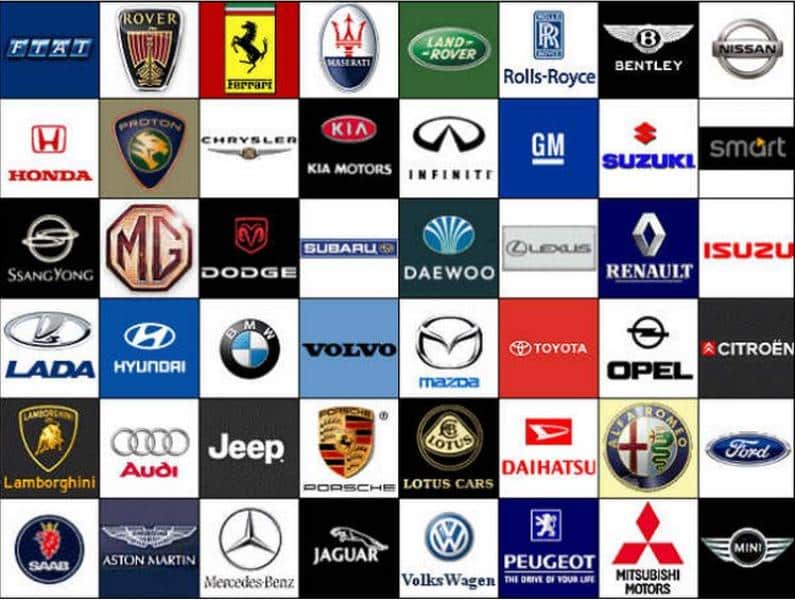
For brands that are currently in production and actively selling new vehicles somewhere in the world, the most commonly cited figure is over 100, with most careful counts landing between 100 and 150. That range covers global household names (Toyota, Ford, Volkswagen), major luxury marques (Mercedes-Benz, BMW, Porsche), and large regional players that most Americans have never heard of but that sell millions of cars a year in their home markets.
Two countries alone account for a huge share of that total. China now has roughly 149 domestic automobile manufacturers — a number that has exploded over the past decade thanks to EV startups — and the United Kingdom is home to about 172 car manufacturers, though that figure counts everything from Jaguar and Aston Martin down to tiny specialist and kit-car builders that produce a handful of vehicles a year.
So “100+” is the honest floor for currently active, meaningfully-sized car brands worldwide. It is not the ceiling — that depends entirely on how loosely you define “car brand,” which is covered below.
How Many Car Brands Are Sold in the United States?
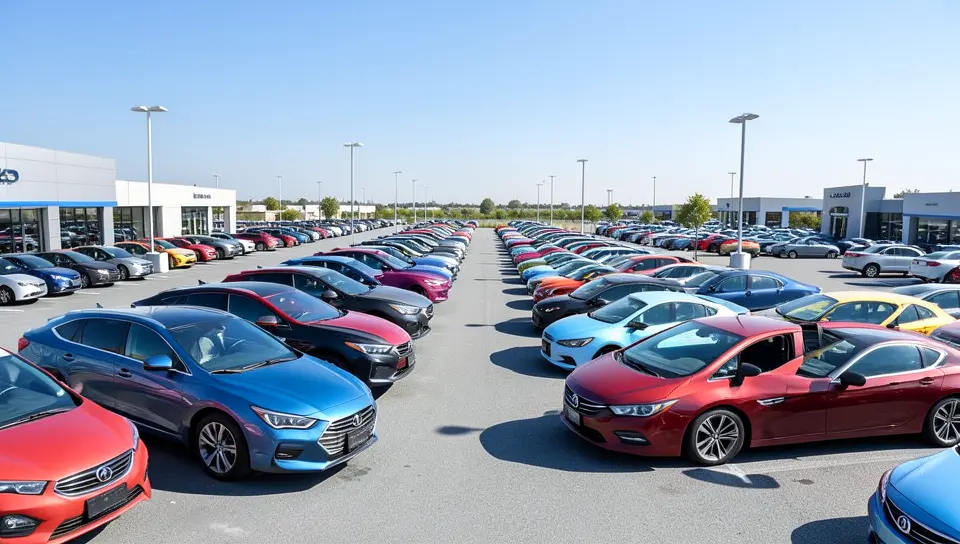
This is the number most American shoppers actually care about, and it is far more precise than the global figure: 46 car brands are selling new vehicles in the U.S. in 2026, ranging from mainstream names like Toyota, Honda, and Ford down to ultra-low-volume luxury and exotic marques like Rolls-Royce, Lotus, and McLaren.
Those 46 brands are not 46 independent companies. Behind them sit just 24 automakers that report U.S. sales — the parent corporations that actually design, build, and finance the cars. General Motors alone reports sales for four separate U.S. brands (Chevrolet, GMC, Buick, and Cadillac), and several more European and Asian groups each own two or three of the badges on this list. So the real story of the U.S. market is fewer, larger companies running multiple brand names, not 46 unrelated automakers competing independently.
Why the Car Brand Count Varies So Much
If you search this question, you will find answers anywhere from “about 40” to “over 1,300,” and both can be technically defensible. The gap comes down to four things a count either includes or excludes:
- Active vs. defunct brands. Automotive history is littered with brands that no longer exist — Pontiac, Saab, Oldsmobile, Plymouth, Hummer, and dozens more. Counts that include every brand ever founded, even ones that folded decades ago, balloon into the thousands.
- Mass-market vs. niche and kit-car builders. The UK’s 172-manufacturer figure includes small specialist shops that hand-build a few dozen cars a year. A count limited to companies producing thousands of vehicles annually looks completely different.
- Regional-only vs. globally sold brands. Brands like Wuling, Baojun, Great Wall, and dozens of other Chinese manufacturers sell huge volumes domestically but are not sold in North America or Europe, so U.S.-focused lists leave them out entirely.
- New EV startups. China’s EV boom alone has added dozens of new car brands in the last few years — some backed by major tech or industrial companies, others small ventures that may not survive the shakeout. Counts done even a year apart can differ significantly for this reason alone.
The takeaway: whenever you see a specific number for “how many car brands exist,” check what it is actually counting before you cite it. “Over 100 active global brands” and “46 brands sold in the U.S.” are both accurate, sourced answers — they are just answering different questions.
Which Companies Own the Most Car Brands?
A handful of parent corporations own a disproportionate share of the world’s recognizable car brands. Here is how the largest automotive groups stack up:
| Parent Company | Brands Owned | Examples |
|---|---|---|
| Stellantis | 14 | Jeep, Ram, Chrysler, Dodge, Fiat, Alfa Romeo, Maserati, Peugeot, Citroën, Opel, Vauxhall, Lancia, Abarth, DS Automobiles |
| Volkswagen Group | 9 | Volkswagen, Audi, Porsche, Bentley, Lamborghini, Bugatti, Škoda, Cupra, SEAT |
| General Motors | 4 (U.S.) | Chevrolet, GMC, Buick, Cadillac (plus Wuling and Baojun via joint ventures in China) |
| Toyota Group | 2 (consumer) | Toyota, Lexus |
Stellantis, formed by the 2021 merger of Fiat Chrysler and the PSA Group (Peugeot, Citroën), owns the largest automotive brand portfolio in the world at 14 marques. Volkswagen Group is second with 9 active brands spanning everything from budget-focused Škoda to ultra-luxury Bugatti. This kind of consolidation is a big reason the “how many independent car companies” number is much smaller than the “how many car brands” number — most household names are siblings under the same corporate roof.
How Many Car Models Exist Worldwide?
Since each of those 100-plus brands sells multiple vehicle lines, the total number of individual car models in production globally is estimated at over 8,000 — roughly 60 to 80 times the number of brands themselves. That is why picking a single car can feel overwhelming: even a shopper who has narrowed things down to one brand is often still choosing between a dozen or more distinct models, trims, and body styles.
Car Brands by Region
North America is dominated by three legacy automakers — Ford, General Motors, and Stellantis (which owns the former Chrysler brands) — plus Tesla, which has grown into one of the region’s most recognizable names. Nearly every major global brand also sells in the U.S. and Canada, which is why the American market, despite having relatively few home-grown automakers, still hosts 46 total brands.
Europe is the traditional home of luxury and performance branding: BMW and Mercedes-Benz from Germany, Ferrari and Maserati from Italy, and Peugeot, Renault, and Citroën from France. It is also where the UK’s specialist and kit-car scene inflates the regional brand count well past what most shoppers would recognize by name.
Asia holds the largest raw number of car brands once China’s fast-growing EV sector is included. Established giants like Toyota, Honda, Hyundai, and Kia sell worldwide, while China’s roughly 149 domestic manufacturers — many of them EV-only startups founded in the last decade — mostly sell within Asia for now, though several are actively expanding into Europe and Latin America.
Frequently Asked Questions
How Many Car Brands Exist in the World?
Roughly 100 to 150 car brands are actively producing and selling new vehicles worldwide today. That figure only counts currently active, meaningfully-sized manufacturers. If you include defunct historical brands, tiny kit-car builders, and every recent Chinese EV startup, credible estimates run well past 1,000.
How Many New Car Brands Can You Buy in the US?
46 car brands are selling new vehicles in the U.S. in 2026, backed by just 24 parent automakers that report sales here. General Motors alone accounts for four of those brands (Chevrolet, GMC, Buick, and Cadillac).
Which Company Owns the Most Car Brands?
Stellantis owns the largest automotive portfolio in the world with 14 brands, including Jeep, Ram, Chrysler, Dodge, Fiat, Alfa Romeo, Maserati, Peugeot, Citroën, Opel, Vauxhall, Lancia, Abarth, and DS Automobiles. Volkswagen Group is second with 9 active brands.
Why Do Car Brand Counts Vary So Much Between Sources?
Sources disagree because they define “car brand” differently. A count can include or exclude defunct brands that no longer build cars, tiny kit-car and specialist manufacturers, brands sold only in one region, and newly founded EV startups. Depending on which of those categories are included, the total can range from around 40 (major brands sold in one country) to over 1,000 (every brand ever registered globally).
Which Country Has the Most Car Manufacturers?
China currently has the most, with roughly 149 domestic automobile manufacturers, a number driven largely by the recent boom in Chinese EV startups. The United Kingdom follows with around 172 car manufacturers, though that count includes many small specialist and kit-car builders alongside major names like Jaguar, Aston Martin, and McLaren.
How Many Car Models Are There in Total?
There are an estimated 8,000-plus individual car models in production globally, since most of the 100-plus brands sell several distinct model lines rather than just one vehicle.
Conclusion
There is no single right number for “how many car brands are there” — only a right number for a specific, defined question. If you are shopping in the U.S., 46 brands is the figure that matters. If you are asking about the whole world’s active auto industry, 100 to 150 is the realistic range. And if you want the number every kit-car maker and long-dead brand ever counted, you are looking at over 1,000. Knowing which question you are actually asking is most of the answer.
Products related to this article
Sponsored / affiliate links. As an Amazon Associate I earn from qualifying purchases. I may earn additional commission from eligible campaigns.