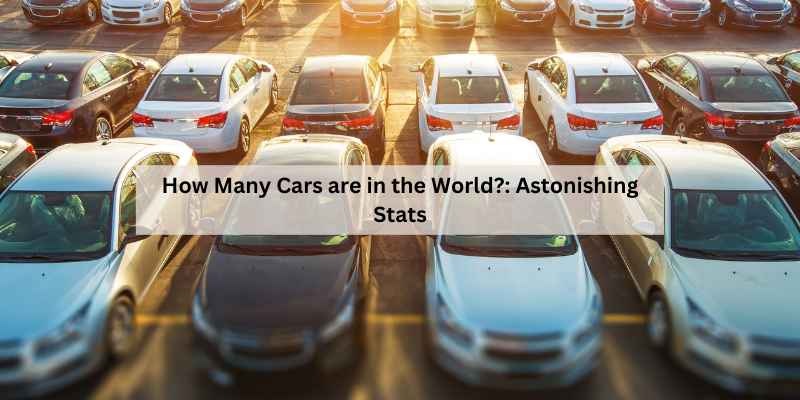
How Many Cars Are There in the World? 1.47 Billion (2026)
There are approximately 1.47 billion cars in the world as of 2026, according to Hedges & Company — or roughly 1.7 billion total motor vehicles once trucks, buses, and vans are included. Asia-Pacific alone accounts for about 40% of that total. This guide breaks down the current global car count, how fast it’s growing, which countries own the most, and the difference between “cars” and “vehicles” in these statistics.
Quick Answer
There are about 1.47 billion cars in the world in 2026 (Hedges & Company) — or roughly 1.7 billion total motor vehicles when trucks, buses, and vans are counted too. China and the U.S. together account for more than a third of all vehicles on the road, and the global fleet has grown from roughly 200 million in the 1960s to nearly 9x that today.

Global Car Count: A Glimpse Into Numbers
As of 2026, there are approximately 1.47 billion cars globally (passenger vehicles only), according to Hedges & Company data. Counting all motor vehicles — cars, trucks, buses, and vans — the total rises to roughly 1.7 billion.
Are “Cars” and “Vehicles” Counted the Same Way?
No — this is the most common source of confusion in global car statistics. “Cars” typically refers only to passenger vehicles (about 1.47 billion), while “vehicles” includes trucks, buses, vans, and other commercial vehicles too (about 1.7 billion total). When a source cites a much higher or lower number than expected, check whether it’s counting cars specifically or all motor vehicles combined.
The global car count has grown steadily for decades. In the 1960s, there were only about 200 million cars. By the 1980s, this number had grown to around 500 million, and it crossed the 1 billion mark in the early 2010s.
Today, China has overtaken the United States — where the number one selling car is still the Toyota Camry — as the country with the largest vehicle fleet, and Asia-Pacific as a region now accounts for roughly 40% of all vehicles on Earth.
| Year | Global Car Count |
|---|---|
| 1960s | ~200 million |
| 1980s | ~500 million |
| 2010s (approx.) | Crossed 1 billion |
| 2026 | ~1.47 billion cars / ~1.7 billion total vehicles |
Factors Driving Car Ownership
Economic growth leads to higher car ownership rates. As people earn more money, they buy cars. This trend is seen in many countries.
Urbanization greatly impacts vehicle numbers. More people move to cities, increasing the demand for cars. Cities often have better roads and services for vehicles.
With more cars, traffic congestion can become a problem. Environmental concerns also rise with increased emissions. Balancing car ownership and city planning is crucial.
Automobile Production Insights
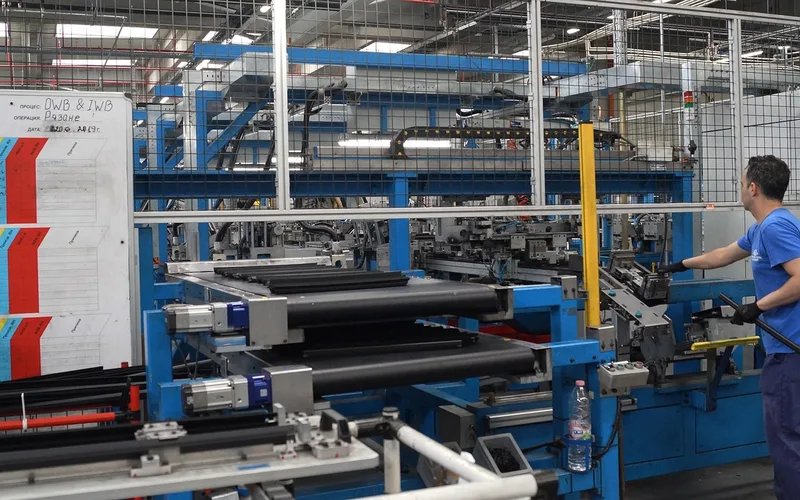
Understanding automobile production helps us grasp the scale of car manufacturing. The yearly manufacturing data shows significant trends in the industry.
| Year | Cars Produced (in millions) |
|---|---|
| 2020 | 77 |
| 2021 | 82 |
| 2022 | 86 |
Leading countries in car production play a vital role. China tops the list, producing over 25 million cars annually. Other notable countries include the USA and Germany, contributing significantly to global output.
Japan and South Korea also have a strong presence. These countries invest in advanced technology and innovation to stay competitive.
The Future Of Cars: Projections And Predictions
The future of cars is changing quickly. Electric vehicles (EVs) are becoming very popular. Many people want to reduce pollution. This trend is leading to more EVs on the road.
Countries are encouraging EV use. They offer tax breaks and rebates to buyers. Car manufacturers are also investing in EV technology. They aim to make cars cheaper and better.
New technologies will make cars smarter. Self-driving cars are being tested now. These cars could change how we think about transportation.
As EVs and smart cars grow, the total number of cars may change. Predictions suggest that by 2030, millions of new cars will be electric.
Tracking these trends helps understand the future of car numbers. The shift to electric is not just a trend; it’s a movement toward a cleaner world.
Environmental Considerations
The global car count is over 1.4 billion. Each car emits carbon dioxide and other harmful gases. These emissions contribute to climate change and air pollution. Reducing emissions is vital for a sustainable future.
Many countries promote electric vehicles to cut down emissions. These cars produce zero tailpipe emissions. Transitioning to electric cars can significantly lower the environmental impact.
| Statistic | Percentage |
|---|---|
| Recycled Vehicles | 75% |
| End-of-Life Vehicles | 20% |
| Electric Vehicle Market Share | 10% |
Recycling helps reduce waste and conserve resources. It is important to recycle old vehicles responsibly. Sustainable practices can lead to a cleaner planet.
Regional Variations In Car Ownership
Car ownership varies greatly across different regions. Urban areas often have a higher car density than rural ones. This is due to better infrastructure and public transport options in cities.
In rural areas, cars are essential for daily life. People rely on them for traveling long distances. Thus, car ownership is generally lower in these regions.
| Continent | Urban Car Density | Rural Car Density |
|---|---|---|
| North America | 800 cars per 1,000 people | 400 cars per 1,000 people |
| Europe | 600 cars per 1,000 people | 300 cars per 1,000 people |
| Asia | 200 cars per 1,000 people | 100 cars per 1,000 people |
| Africa | 100 cars per 1,000 people | 50 cars per 1,000 people |
Understanding these patterns helps in planning transportation policies. It also aids in improving infrastructure for better accessibility.
Public Policy And Its Influence
Government regulations play a major role in the number of cars on the road. These rules can limit or encourage car ownership. For example, strict emission standards may reduce car sales. On the other hand, tax breaks can boost car purchases.
Incentives and penalties also shape how many people own cars. Subsidies for electric vehicles make them more appealing. Higher taxes on fuel can discourage driving. Such measures affect people’s choices about car ownership.
| Type | Impact |
|---|---|
| Emission Standards | Reduces car sales |
| Tax Breaks | Encourages purchases |
| Subsidies for EVs | Increases appeal |
| Higher Fuel Taxes | Discourages driving |
Socio-economic Impact Of Car Proliferation
The growth of cars affects our daily lives. Many people rely on cars for mobility. This access opens doors to better job opportunities and services. Cities become more connected, making life easier for everyone.
On the downside, traffic congestion is a major issue. More cars lead to longer travel times. This can cause stress and reduce productivity. As roads fill up, air quality may also decline. Finding a balance is essential for a healthy community.
Frequently Asked Questions
How Many Cars Exist Globally?
As of 2026, there are approximately 1.47 billion passenger cars worldwide, or about 1.7 billion total motor vehicles including trucks, buses, and vans, according to Hedges & Company. This figure continues to rise due to urbanization and economic growth in developing countries, particularly in Asia-Pacific.
What Country Has The Most Cars?
China now has the largest overall vehicle fleet in the world, having overtaken the United States in recent years, though the U.S. still has one of the highest cars-per-capita rates with over 270 million registered vehicles. See who owns major car brands for more on how global automakers compete across these markets.
How Fast Is The Global Car Population Growing?
The global car population has grown from roughly 200 million in the 1960s to about 1.47 billion in 2026 — a nearly 9x increase in six decades. Growth is now driven mainly by China, India, and other emerging markets, while ownership in the U.S. and Europe has largely leveled off. See how many car manufacturers there are for the production side of this growth.
What Are The Environmental Impacts Of Cars?
Cars contribute significantly to air pollution and greenhouse gas emissions. They are responsible for a large portion of urban smog and climate change. To mitigate these effects, many countries are promoting electric vehicles and sustainable transportation options.
How many vehicles (not just cars) are in the world?
Counting every motor vehicle — cars, trucks, buses, and vans — brings the global total to about 1.7 billion, compared to roughly 1.47 billion when counting passenger cars alone. The difference of about 230 million vehicles is mostly commercial trucks and buses used for freight and public transit.
Conclusion
The number of cars worldwide continues to grow, reflecting our increasing mobility needs. As urban areas expand, so does car ownership. This trend poses challenges, including traffic congestion and environmental concerns. Understanding car statistics helps us navigate these issues and make informed choices for a sustainable future.
Products related to this article
Sponsored / affiliate links. As an Amazon Associate I earn from qualifying purchases. I may earn additional commission from eligible campaigns.