How Many Cars Are There in NYC: Essential Facts
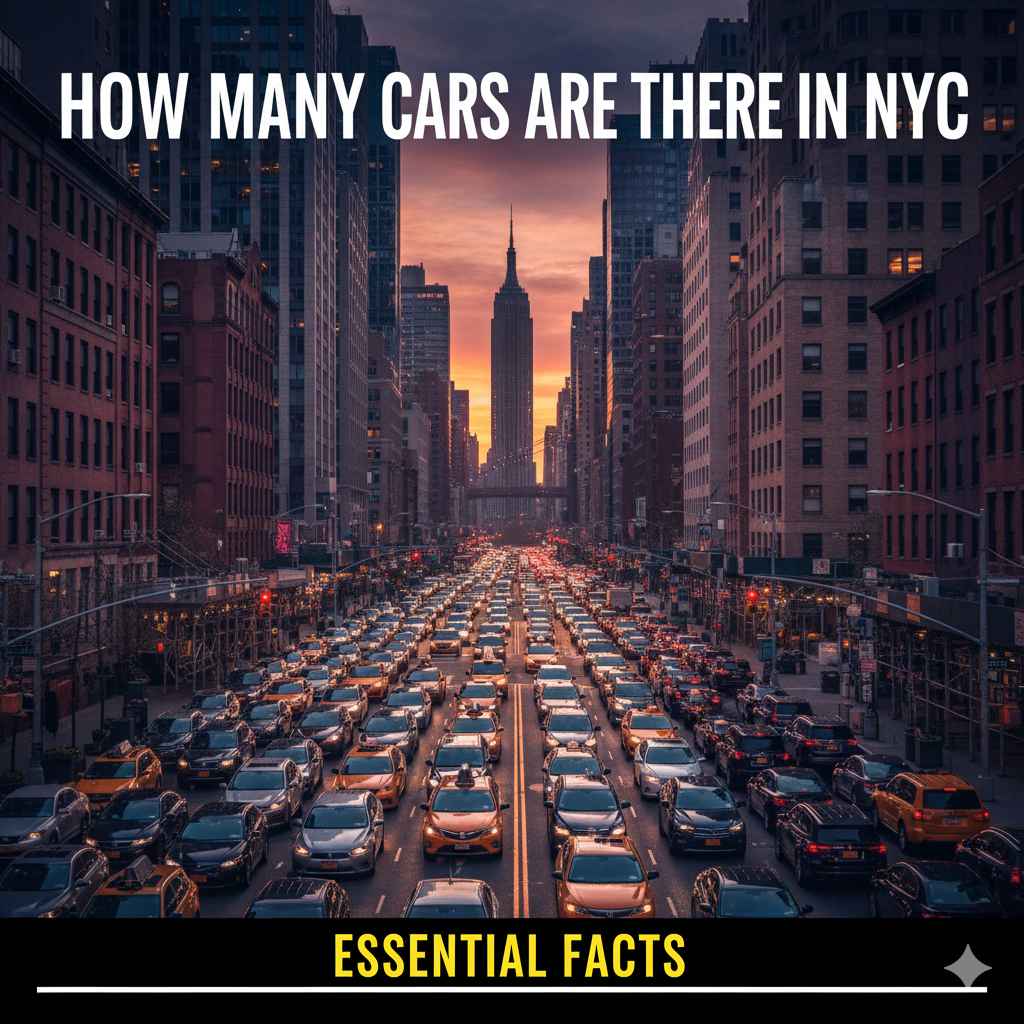
The number of registered cars in NYC hovers around 2 million, but it’s a constantly shifting figure influenced by many factors. This guide breaks down the essential facts you need to know about vehicles in the Big Apple.
Thinking about the hustle and bustle of New York City, it’s natural to wonder about something as basic as the number of cars. With so many people and so much movement, grasping the sheer volume of vehicles can be mind-boggling, especially for those new to navigating city life or even just curious about urban dynamics. It’s a question many drivers and city dwellers ponder. If you’ve ever found yourself caught in traffic, or just wondered what it’s like under the hood of the city’s daily commute, you’re in the right place. We’ll break down this complex topic into simple, easy-to-understand facts, making it clear for everyone.
Understanding NYC Vehicle Statistics
Pinpointing an exact, real-time number for how many cars are registered and operating in New York City is a bit like trying to count every star in the sky – it’s always changing! However, by looking at official data and trends, we can get a very good estimate. These numbers are important not just for curiosity’s sake, but they influence everything from traffic patterns and parking availability to public policy and infrastructure planning.
Registered Vehicles vs. Daily Traffic
It’s important to distinguish between the number of vehicles registered in New York City and the number of vehicles physically present and operating on its streets on any given day. Registration numbers give us a baseline count of ownership, while daily traffic includes vehicles that might be visiting from outside the city or are temporarily out of service.
The New York State Department of Motor Vehicles (NYS DMV) is the primary source for this kind of information. They track all registered vehicles within the state, and we can look at the data specific to New York City’s five boroughs: Manhattan, Brooklyn, Queens, The Bronx, and Staten Island.
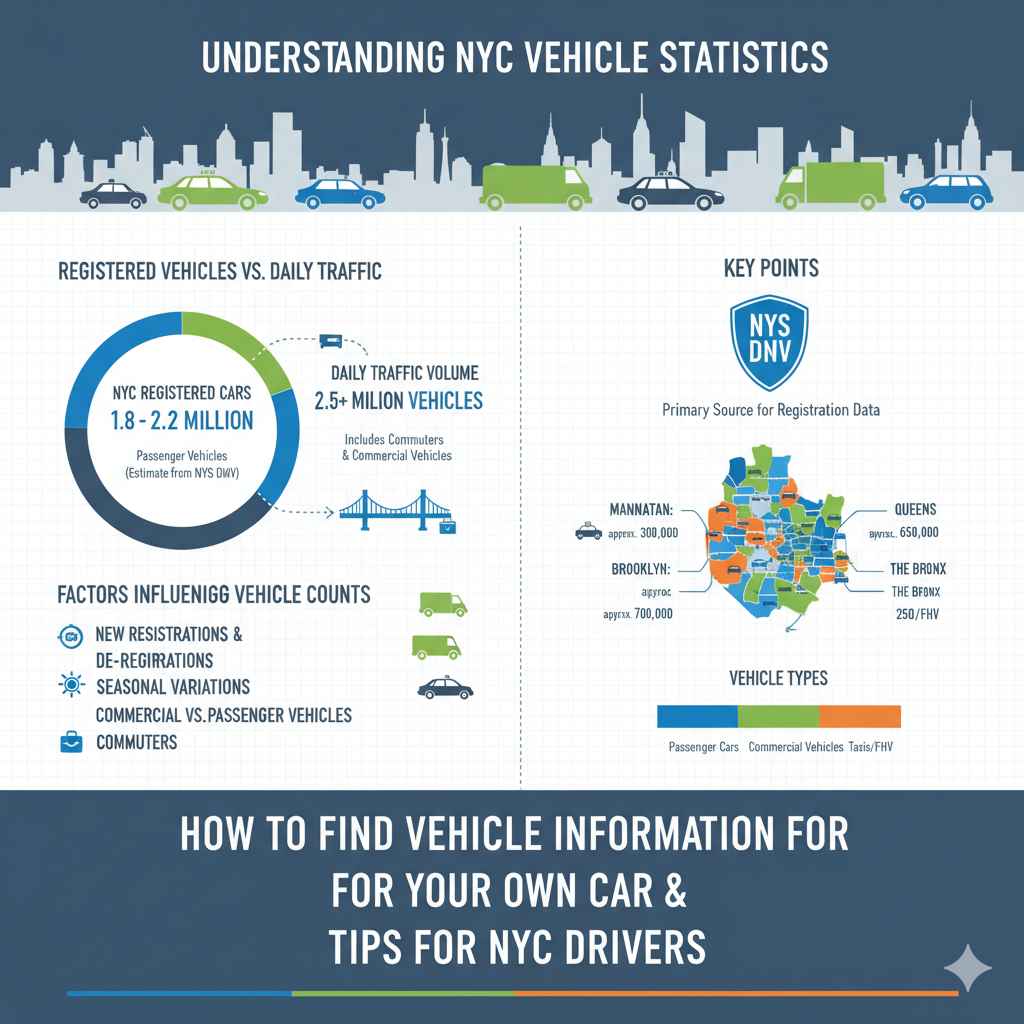
Estimates from various sources, often derived from NYS DMV data, suggest that the number of registered passenger vehicles (cars) in New York City is typically in the range of 1.8 to 2.2 million. This figure generally includes sedans, SUVs, and smaller trucks registered to addresses within the city limits.
Factors Influencing Vehicle Counts
Several dynamic factors mean this number isn’t static:
- New Registrations and De-registrations: Every day, new cars are registered, and old ones are sold, scrapped, or re-registered in different locations.
- Seasonal Variations: While less impactful for registration, the number of vehicles driving in the city can see minor fluctuations due to tourism or residents taking extended trips.
- Commercial vs. Passenger Vehicles: The total vehicle count also includes a significant number of commercial vehicles – taxis, delivery vans, buses, trucks, and more. Focusing solely on “cars” means excluding these important categories.
- Commuters: Millions of people commute into NYC for work, many of whom may drive their vehicles from surrounding suburbs. These cars are not registered in NYC but significantly contribute to daily traffic volume.
Breakdown by Borough: A Rough Idea
While precise, up-to-the-minute registered vehicle counts for each borough are not always publicly available in granular detail, we can infer general trends. Manhattan, with its dense population and extensive public transit, usually has a lower car ownership rate per capita compared to the other boroughs. The Bronx, Brooklyn, Queens, and Staten Island tend to have higher rates of car ownership and registration.
Let’s visualize a hypothetical breakdown based on population density and typical ownership patterns:
| Borough | Estimated Percentage of NYC Registered Cars (Hypothetical) | Key Considerations |
|---|---|---|
| Manhattan | 15-20% | Lower car ownership due to public transport, parking challenges (high taxi, rideshare presence). |
| Brooklyn | 25-30% | Larger population, diverse neighborhoods with varying car dependency. |
| Queens | 25-30% | Most populous borough, significant car ownership, important transit hubs. |
| The Bronx | 15-20% | Higher car ownership compared to Manhattan, mix of urban and suburban feel. |
| Staten Island | 10-15% | Most suburban in feel, highest per capita car ownership, reliant on ferry/bridges. |
Remember, these are estimations to illustrate distribution. The actual numbers would reflect detailed registration data from the NYS DMV. For official statistics, the NYS DMV website is the best resource, though it often provides data aggregated at the county level, with New York City comprising five counties (New York, Kings, Queens, Bronx, and Richmond).
Commercial Vehicles: A Significant Addition
When we talk about cars, we often mean personal passenger vehicles. However, New York City’s economy relies heavily on a vast fleet of commercial vehicles. This includes:
- Taxis and For-Hire Vehicles (FHVs): Yellow cabs and ride-sharing services (like Uber and Lyft) contribute significantly to street presence.
- Delivery Trucks and Vans: Essential for commerce, these are constantly on the move, bringing goods to businesses and homes.
- Buses: Both public (MTA) and private buses are a vital part of city transit.
- Emergency Vehicles: Police cars, fire trucks, ambulances.
- Construction and Utility Vehicles: Maintaining a vast metropolis requires a constant presence of specialized vehicles.
The number of these commercial vehicles further swells the total count of vehicles operating within NYC, impacting traffic flow and infrastructure stress.
Why Does This Matter to You?
Understanding the sheer volume of vehicles in NYC offers practical insights for anyone who drives, lives, or works in the city. It helps explain why traffic can be so dense, why parking is a premium commodity, and why public transportation is so heavily utilized and essential.
Impact on Drivers
For drivers in NYC, knowing there are millions of other vehicles contributing to congestion means:
- Patience is Key: Expect delays and plan your journeys accordingly.
- Parking Challenges: Finding legal and affordable parking can be a daily struggle. Many New Yorkers rely on garages, street parking, or even off-site storage.
- Navigating Traffic: Defensive driving and awareness of surrounding vehicles are paramount for safety.
- Maintenance Importance: With constant stop-and-go traffic, your car’s brakes, engine cooling system, and tires work overtime. Regular maintenance as outlined in your owner’s manual is crucial.
Impact on City Life and Transportation
The high number of vehicles, combined with a dense population, necessitates a robust public transportation system. The Metropolitan Transportation Authority (MTA) operates one of the largest public transit networks in the world, comprising:
- Subway System: Carrying millions daily, it’s the backbone of NYC transit.
- Bus Network: Serving areas not reached by the subway and providing local routes.
- Commuter Rail: Connecting the city to its suburbs (e.g., Long Island Rail Road, Metro-North).
Policy decisions about roads, parking regulations, emissions standards, and investment in public transit are all influenced by the number of vehicles and the city’s unique urban environment. For instance, initiatives like congestion pricing aim to manage traffic flow and reduce emissions in the most crowded areas.
Official Sources and Data
When seeking definitive numbers, official government sources are the most reliable. In New York State, this is primarily the NYS Department of Motor Vehicles (DMV). While they may not publish a simple, single “total cars in NYC” number daily, their aggregated data on vehicle registrations can be analyzed.
For broader transportation data and planning, agencies like the New York City Department of Transportation (NYC DOT) provide insights into traffic volumes, road usage, and transportation trends. They often conduct studies and publish reports that can shed light on vehicle movement and presence.
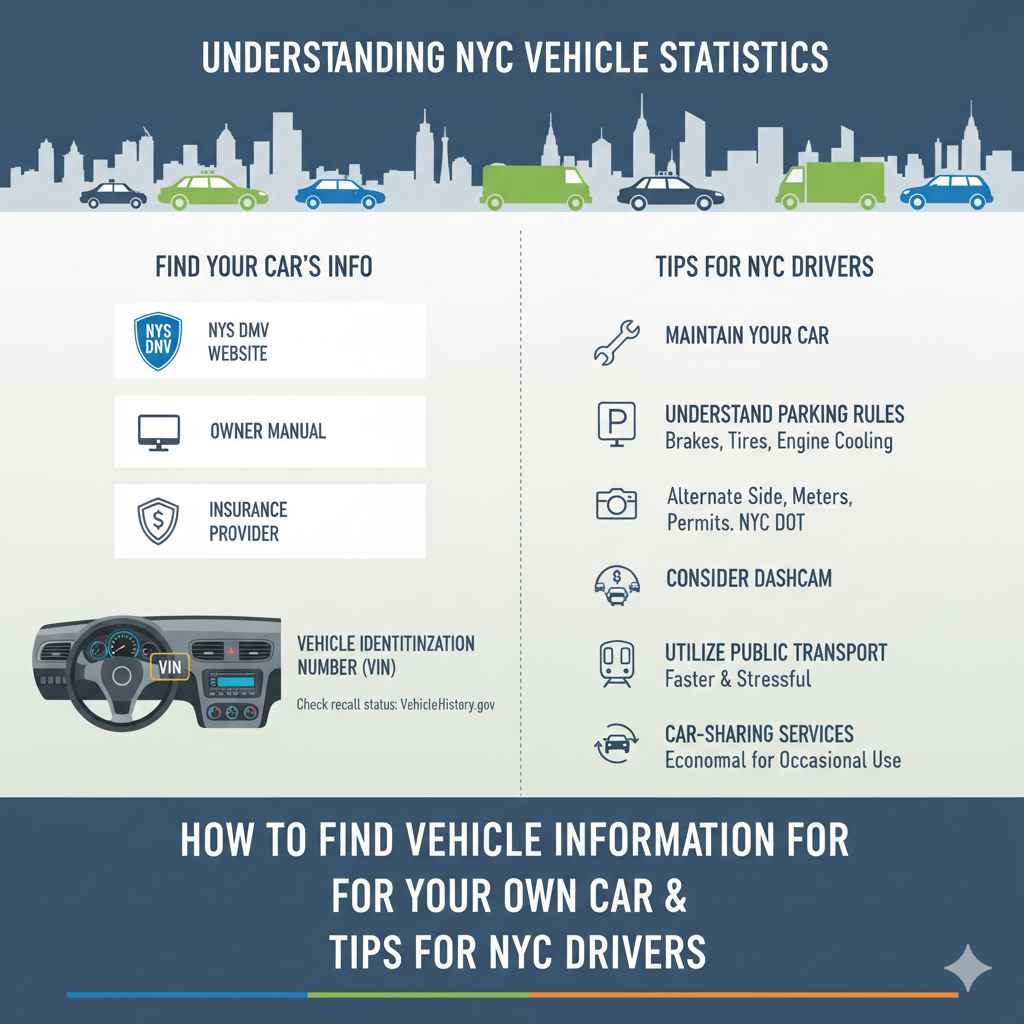
How to Find Vehicle Information for Your Own Car
If you’re an NYC resident and want to check on your own car’s registration status, or understand the requirements for owning a vehicle in the city, here are some practical steps:
- NYS DMV Website: For registration renewals, checking status, and understanding requirements, this is your go-to.
- Owner’s Manual: Your car’s manual contains vital information about its specific maintenance needs, especially important for city driving.
- Insurance Provider: They will have records of your vehicle and its coverage.
- Vehicle Identification Number (VIN): This unique 17-character code is on your dashboard and is essential for many vehicle-related inquiries. You can often use it on services like VehicleHistory.gov to check recall status and basic history.
Tips for NYC Drivers
Owning and driving a car in NYC comes with unique challenges and rewards. Here are some tips:
- Keep your car well-maintained: Given the demanding driving conditions (stop-and-go traffic, potholes), regular check-ups are vital. Focus on brakes, tires, and engine cooling.
- Understand parking rules: Alternate side parking, meter rules, and permit zones can be confusing. Ignorance can lead to expensive tickets or towing. NYC DOT has resources on parking rules.
- Consider a dashcam: For an extra layer of safety and evidence in case of an incident.
- Utilize public transport when possible: For many trips, taking the subway or bus is faster and less stressful than driving.
- Consider car-sharing services: If you only need a car occasionally, services like Zipcar can be more economical than ownership.
FAQ: Frequently Asked Questions
Q: What is the official number of cars in NYC?
A: There isn’t one single, daily official count publicly available. However, estimates based on New York State DMV registrations place the number of registered passenger vehicles in NYC at roughly 1.8 to 2.2 million. This number fluctuates.
Q: Are commuter cars included in the NYC car count?
A: No, the number of cars registered in NYC typically only includes vehicles owned by residents or businesses within the five boroughs. Millions of cars driven by commuters from outside the city are not part of this official registration count.
Q: How does NYC compare to other cities in car ownership?
A: NYC has one of the lowest per capita rates of car ownership among major US cities. Its extensive public transportation system means many residents don’t own cars. Cities like Houston or Los Angeles have significantly higher rates of private vehicle ownership.
Q: Does the number of cars include taxis and delivery vans?
A: When referring to “registered passenger vehicles,” the count typically focuses on personal cars. The total number of vehicles operating on NYC streets is much higher when you include taxis, ride-share vehicles, delivery trucks, buses, and other commercial vehicles.
Q: How can I find out if my car is properly registered in NYC?
A: You can check your vehicle’s registration status and renewal dates through the New York State DMV website. You will usually need your license plate number and the vehicle’s title number or registration document.
Q: What are the biggest challenges of owning a car in NYC?
A: The biggest challenges include extremely difficult and expensive parking, heavy traffic congestion leading to long travel times, high insurance rates, and the potential for numerous parking tickets.
Q: How does NYC manage so many vehicles?
A: NYC manages its vehicle traffic through a combination of strategies: a vast public transit system, strict parking regulations, traffic management systems, and increasingly, policies aimed at reducing car dependency and emissions, like congestion pricing.
Conclusion: Navigating the City’s Auto Landscape
While a precise, constantly updated figure for “how many cars are there in NYC” remains elusive, the estimates – around 1.8 to 2.2 million registered passenger vehicles, plus a substantial commercial fleet – paint a clear picture. New York City is a place where vehicles coexist with a massive population and an extensive public transit network. This dynamic environment presents unique challenges and considerations for drivers, from finding parking to navigating dense traffic.
Understanding these numbers helps demystify the city’s automotive reality, making driving or simply being a city resident a more informed experience. Whether you’re a new driver getting acquainted with the streets, or a seasoned New Yorker planning your daily commute, this overview provides essential facts to help you navigate the Big Apple’s busy roads with confidence and awareness.