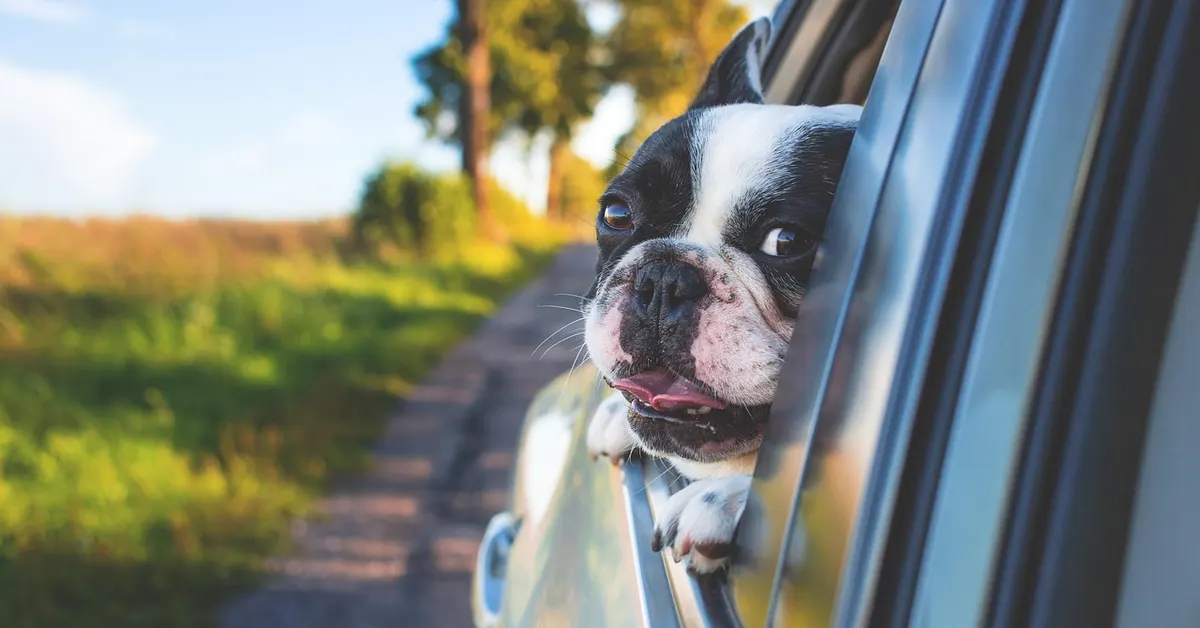
Do Dogs Get Carsick? Causes and How to Help
Yes, dogs can get carsick, usually from motion sickness affecting the inner ear or from travel-related anxiety. Puppies and young dogs are affected more often than adults, since the ear structures used for balance are not fully developed yet, and many dogs outgrow it. This guide covers the signs and how to help.
Related: taking a dog on a 12-hour car trip.
What is Carsickness in Dogs? Carsickness is a type of motion sickness that dogs can experience while riding in a car. Just like humans, dogs can get nauseous and dizzy when they’re in a moving vehicle. This is due to a conflict between their visual perception and their inner ear, which is responsible for balance and orientation. When the signals from these two systems don’t match, it can cause motion sickness in dogs. What Causes Carsickness in Dogs? There are two primary reasons why dogs get carsick – physical and psychological. Physical Causes: One of the most common physical causes of carsickness in dogs is an underdeveloped vestibular system. This system is responsible for maintaining balance and orientation, and it develops as the dog grows. Puppies are more prone to carsickness because their vestibular system isn’t fully developed yet. Other physical causes of carsickness in dogs include ear infections, inner ear disorders, and gastrointestinal problems. Psychological Causes: Psychological causes of carsickness in dogs are related to anxiety and fear. If your dog associates car rides with negative experiences like going to the vet, it can cause stress and anxiety, leading to carsickness. Dogs that don’t like car rides or are afraid of cars can also experience motion sickness. What are the Symptoms of Carsickness in Dogs? If you’re unsure if your dog gets carsick, below are some common symptoms of motion sickness: – Whining – Drooling – Yawning – Lip licking or lip “smacking” – Trembling – Panting – Vomiting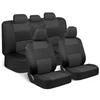
BDK PolyPro Full Set Car Seat Covers – $29.99
Best for: protecting car seats from the vomiting and drooling this guide says are signs of carsickness
Why we picked it: seat covers are a practical way to protect upholstery while your dog adjusts to car rides
Main drawback: does not address the underlying motion sickness itself
View Our Pick on Amazon

HOTOR Foldable Trunk Organizer – $12.99
Best for: containing pet travel gear and cleanup supplies
Why we picked it: a foldable trunk organizer keeps towels and cleanup items contained for car trips with pets
Main drawback: unrelated to motion sickness directly
View on Amazon »

VANMASS Military-Grade Car Phone Mount – $25.98
Best for: securing a phone for navigation on pet-friendly road trips
Why we picked it: a secure phone mount is a practical travel accessory
Main drawback: a general accessory
View on Amazon »

KarZone Long Neck Funnel for Fluids – $15.99
Best for: topping off fluids before a longer trip with your dog
Why we picked it: a long-neck funnel is a basic tool worth having before any road trip
Main drawback: unrelated to carsickness
View on Amazon »
Products related to this article
Sponsored / affiliate links. As an Amazon Associate I earn from qualifying purchases. I may earn additional commission from eligible campaigns.