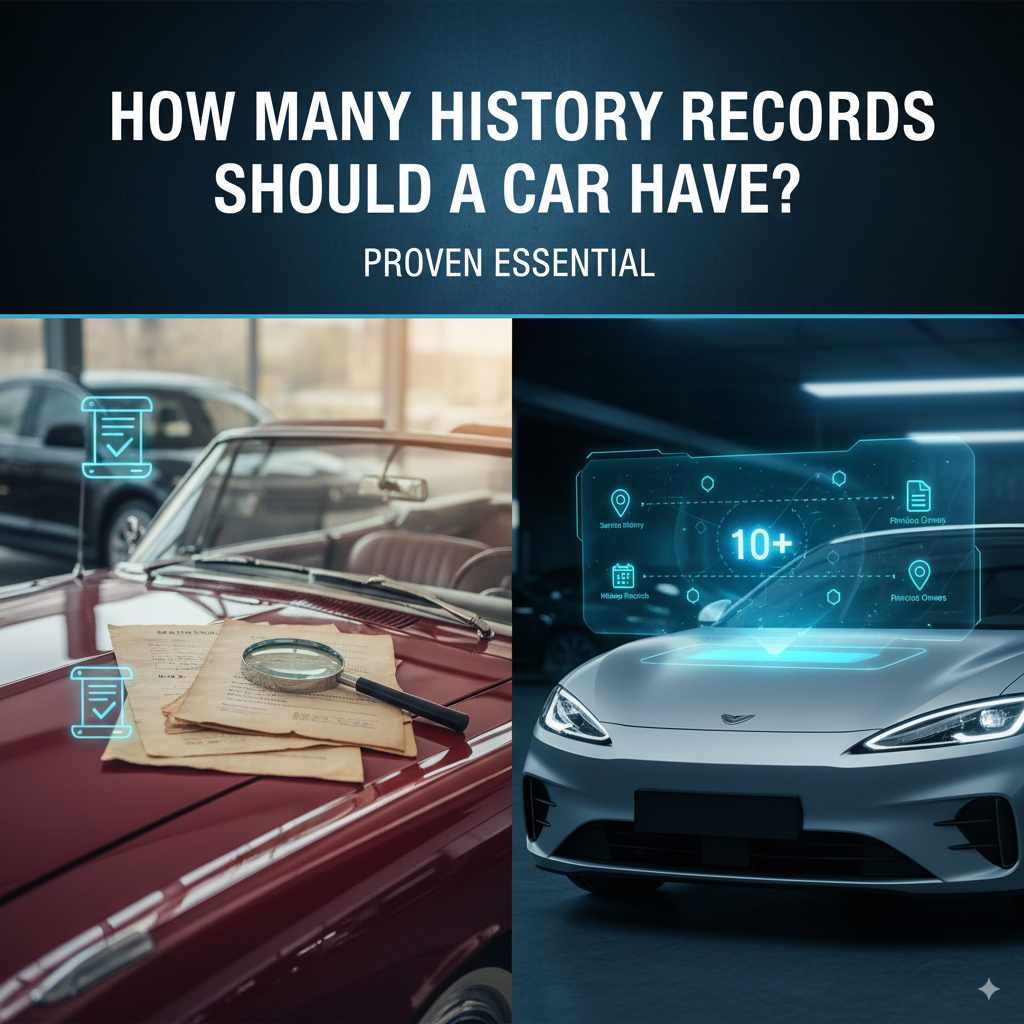
How Many History Records Should a Car Have? Proven Essential
Having at least 3-5 key history records for a used car is essential. This includes a clear title, maintenance logs, and a vehicle history report. More records mean greater transparency and confidence in your purchase.
Buying a used car can feel like a big adventure, but sometimes finding a car with a good history can be tricky. You might wonder, “How many history records should a car have?” It’s a common question, and the answer is simpler than you think. Knowing about a car’s past helps you avoid surprises and make a smart choice. We’ll walk through exactly what records matter most and why. Get ready to feel confident about your next car buy!
Understanding the Importance of Car History Records
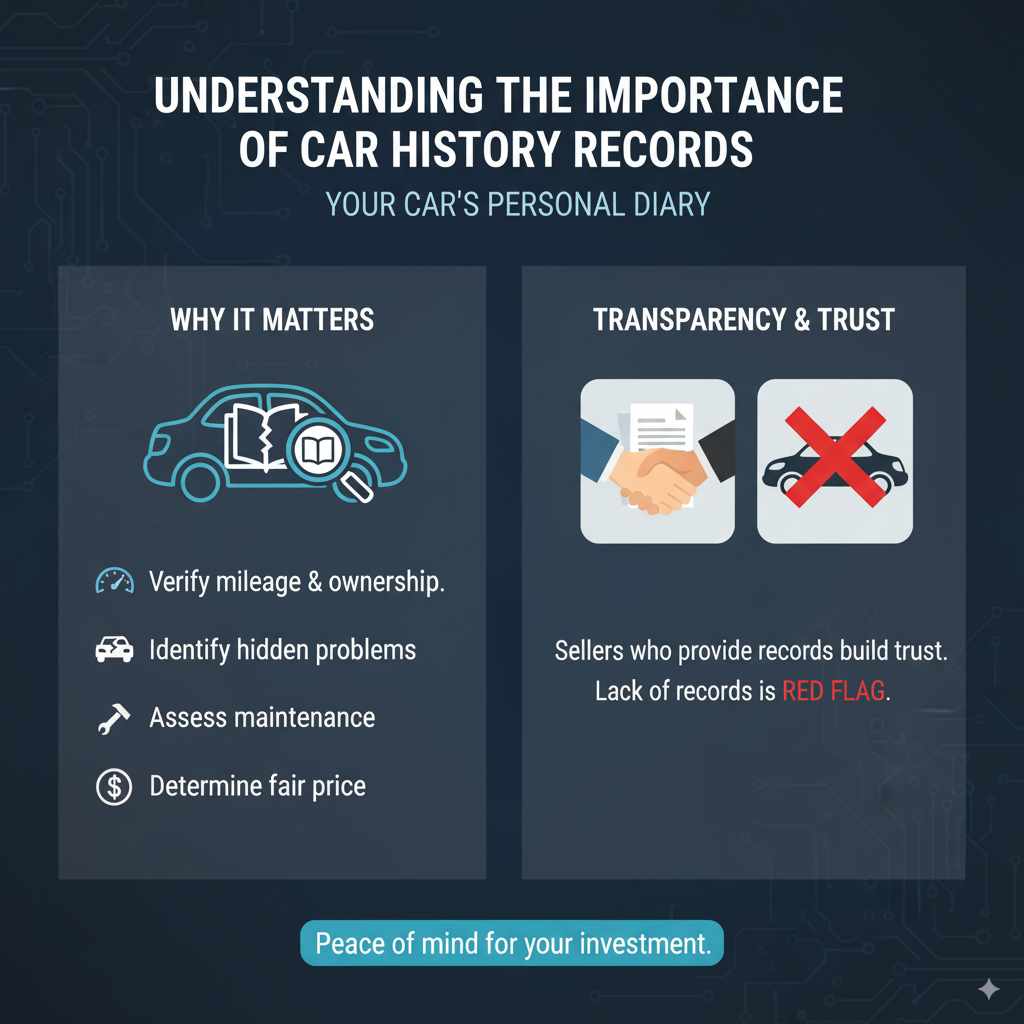
Think of a car’s history records as its personal diary. They tell a story about where the car has been, how it’s been treated, and any important events in its life. For a buyer, these records are like a cheat sheet to understand the vehicle’s true condition and potential value. Without them, you’re essentially buying a mystery package, which can lead to unexpected repair bills or safety concerns down the road.
Why are these records so crucial? They offer transparency. A seller who willingly provides plenty of documentation is usually a seller who has nothing to hide. This builds trust. Conversely, a lack of records can be a red flag, suggesting the car might have been neglected or involved in issues the seller doesn’t want you to know about.
Investing time in checking a car’s history is an investment in your peace of mind. It helps you:
- Verify the car’s mileage and ownership history.
- Identify potential hidden problems like accidents, flood damage, or liens.
- Understand how well the car has been maintained.
- Determine a fair price based on the car’s known history.
The “Proven Essential” Records: A Closer Look
When we talk about “proven essential” history records, we’re focusing on the documents that provide the most reliable information about a car’s past. These aren’t just random papers; they are specific types of documentation that reveal critical details. Aiming for a good collection of these can significantly boost your confidence in a used car.
1. The Vehicle Title: The Car’s Birth Certificate
The vehicle title is the most fundamental record. It’s the legal proof of ownership. A “clear” title means there are no outstanding liens or claims against the vehicle. Be very wary of titles that are:
- Salvage Title: Indicates the car was declared a total loss by an insurance company due to damage and then repaired.
- Rebuilt Title: Similar to a salvage title, but restored to a roadworthy condition. It still signifies a major past incident.
- Lemon Title: Means the car was bought back by the manufacturer due to persistent, unfixable defects.
- Flood Title: Indicates the car has been submerged in water, which can cause long-term electrical and mechanical problems.
Always check the title carefully for any of these designations. You can often verify a title’s status through your state’s Department of Motor Vehicles (DMV) or equivalent agency. Many states provide online tools for title searches.
2. Vehicle History Reports (VHRs): The Detailed Biography
A Vehicle History Report (VHR) is a comprehensive overview compiled from various sources, including DMVs, insurance companies, police reports, and repair shops. Services like CARFAX and AutoCheck are the most well-known providers. A good VHR should cover:
- Accident history (severity is often noted)
- Title issues (salvage, flood, etc.)
- Odometer readings and potential rollbacks
- Service and repair history (if reported)
- Number of previous owners
- Stolen vehicle checks
- Lien information
While not foolproof, a VHR is an invaluable tool. It quickly consolidates a lot of essential information that would otherwise be hard to find. Look for reports that show a clean history with no major red flags. For more on how these reports work and what they cover, check out resources like the National Highway Traffic Safety Administration (NHTSA), which offers recall information and safety data.
3. Maintenance and Repair Records: The Health Tracker
These are perhaps the most telling records from a mechanical perspective. A car that has been regularly maintained and promptly repaired will likely run better and last longer. Look for:
- Regular Oil Changes: Evidence of consistent oil changes is crucial for engine health.
- Scheduled Maintenance: Records of services like timing belt replacements, fluid changes (transmission, brake, coolant), and filter replacements. These often follow a schedule recommended by the manufacturer.
- Specific Repairs: Documentation of any significant repairs performed, like replacing brakes, fixing suspension issues, or addressing engine problems. Receipts from reputable mechanics are ideal.
Why are these so important? They show that the previous owner cared for the car and invested in its upkeep. A car with a thick folder of maintenance records is often a better bet than one with an empty file. If the seller has these records, it’s a huge plus! If not, you might want to factor in a more thorough pre-purchase inspection.
4. Original Owner’s Manual and Service Booklets: The Manufacturer’s Guidance
While not strictly history events, the original owner’s manual and any service booklets that came with the car are important contextual documents. The owner’s manual tells you about the car’s features and recommended maintenance schedule. The service booklet is often a place where dealerships or mechanics would stamp records of completed services.
Having these documents indicates that the owner was diligent and kept track of the car’s essentials. It shows a level of care that extends beyond just driving the car.
How Many Records Are “Enough”? Aiming for the Sweet Spot
So, to directly answer “how many history records should a car have?”, the ideal scenario isn’t a specific number but rather a collection that provides a clear, honest picture. We generally recommend looking for at least 3 to 5 key pieces of documentation that cover the essentials.
Here’s a breakdown of what makes a good collection:
The Minimum “Must-Haves”:
- A Clear Vehicle Title: Non-negotiable. This proves ownership legitimacy.
- A Vehicle History Report (VHR): From a reputable provider like CARFAX or AutoCheck, showing no major red flags.
The Highly Recommended Additions (Building Confidence):
- At least one major maintenance record: For example, a receipt for a recent oil change or a timing belt replacement. More is better!
- Receipts for any significant repairs: If the car had major work done, having those receipts is reassuring.
- Original owner’s manual: Shows the car was cared for and not just used and forgotten.
The Ideal Scenario (Maximum Transparency):
In a perfect world, you’d want to see:
- A clear title.
- A VHR with a clean history.
- A binder full of regular maintenance records (oil changes, tire rotations, filter replacements, fluid flushes) from a reputable shop.
- Documentation for any major repairs performed.
- The original owner’s manual, service booklet, and even any warranty information.
The more verifiable records you have, the more confidence you can have in the car’s condition and its potential longevity. An empty record book can lead you to ask more questions and perform a deeper inspection.
When Records Are Missing: What to Do
It’s not uncommon for sellers, especially private ones, to not have every single paper trail. Cars are often passed down, or records can get lost over time. If many records are missing, don’t panic immediately, but be more cautious and take these steps:
1. Ask the Seller Why Records Are Missing
A simple, direct question can sometimes yield a truthful answer. They might have had the car serviced at a reliable independent mechanic who didn’t provide detailed printouts, or perhaps they simply misplaced them. Their reaction and explanation can be telling.
2. Rely More Heavily on the Vehicle History Report
Even without maintenance logs, a VHR can reveal significant past events like accidents or title issues. If the VHR is clean, it’s a good sign, but doesn’t replace physical inspection.
3. Get a Pre-Purchase Inspection (PPI)
This is CRUCIAL when history documentation is sparse. Take the car to an independent, trusted mechanic. They can perform a thorough inspection to uncover any hidden problems that records would have otherwise highlighted. This is one of the best ways to assess a car’s mechanical condition when its past is unclear. A good mechanic can spot issues related to poor maintenance or past accidents that might not show up on reports.
For instance, a mechanic might notice unusual wear patterns on tires that suggest alignment issues from a past collision, or listen for engine noises that indicate a lack of proper lubrication over time.
4. Consider the Car’s Age and Mileage
Older cars with higher mileage are naturally expected to have more wear and tear. If records are missing for such a vehicle, it’s a greater cause for concern about its maintenance history and potential future issues.
Key Components of a Good Car History Record Bundle
To help you visualize what a strong history package looks like, here’s a table breaking down the essential components and what they tell you:
| Type of Record | What it Reveals | Why it Matters | Ideal Scenario |
|---|---|---|---|
| Vehicle Title | Legal ownership, liens, title status (clear vs. salvage, etc.) | Confirms legitimate ownership and flags major past damage or financial encumbrances. | A clear title with no unusual brands. |
| Vehicle History Report (VHR) | Accident history, odometer readings, title issues, ownership changes, recall alerts. | Provides a broad overview of significant events and potential problems. | Clean report with no major accidents, major title brands, or odometer discrepancies. |
| Maintenance Logs/ Receipts | Regular servicing (oil changes, filters), scheduled maintenance (timing belts), fluid services. | Demonstrates consistent care and adherence to recommended service intervals, crucial for longevity. | Regularly updated logs or receipts showing consistent servicing at recommended intervals from reputable sources. |
| Repair Bills/ Invoices | Driveshaft repairs, brake jobs, engine work, transmission fixes, etc. | Shows how issues were addressed and who performed the work, indicating ongoing upkeep. | Detailed invoices for any significant repairs, showing they were done professionally. |
| Owner’s Manual & Service Booklet | Car’s features, recommended maintenance schedule, sometimes stamped service history. | Indicates the owner prioritized understanding and maintaining the car according to manufacturer guidelines. | Present and showing evidence of manufacturer-recommended services being performed. |
The Seller’s Perspective: Why They Share Records
A seller who is upfront about their car’s history and provides documentation is typically a good sign. They want to make a sale, and transparency helps achieve that. A car with a well-documented history often commands a better price because the buyer has higher confidence in its condition and reliability.
If a seller seems hesitant to provide records, or claims they have none, it might be worth digging deeper or considering other options. However, sometimes genuine reasons exist (e.g., elderly owner passing away, the car has always been serviced by one trusted mechanic who is now retired). Always assess the situation reasonably.
Where to Find More Information and Tools
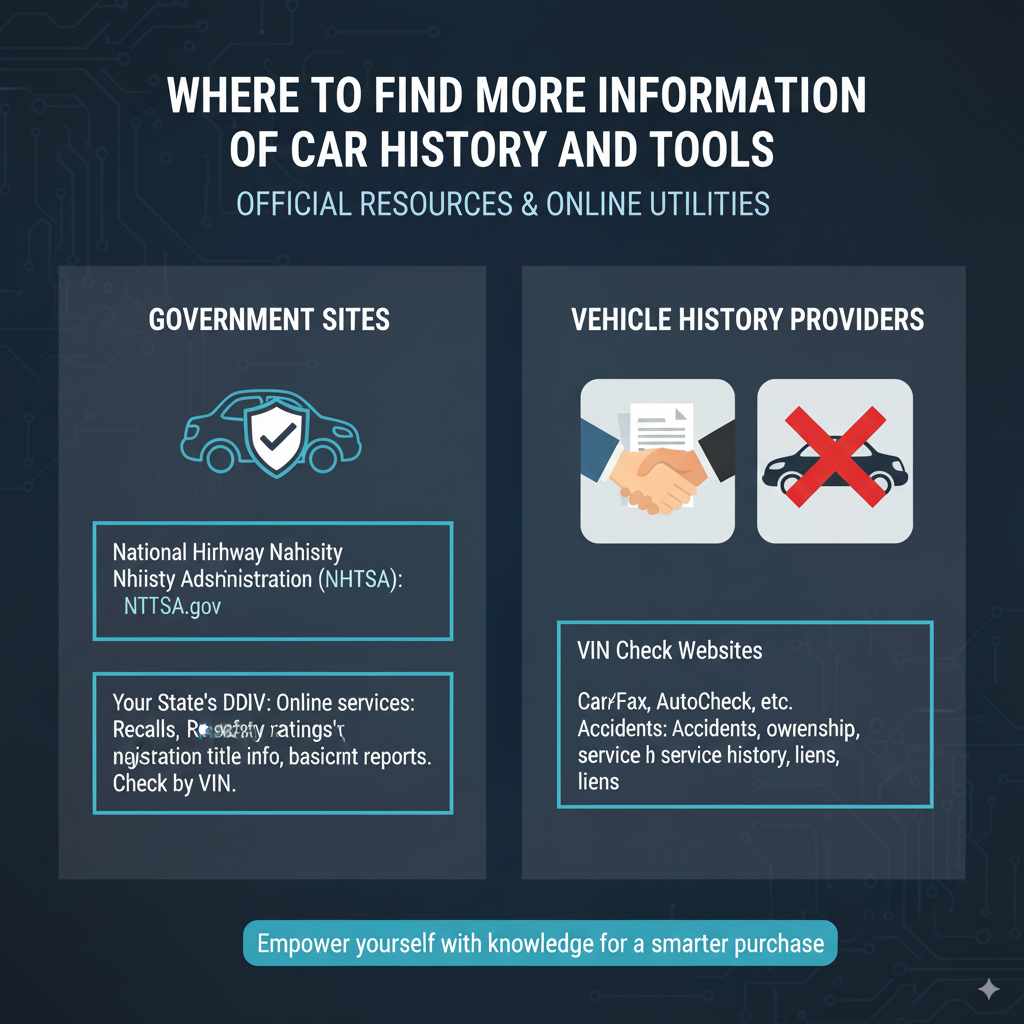
When you’re researching a car, there are fantastic resources available to help you. Beyond the VHR providers, official government sites offer valuable insights into vehicle safety, recalls, and ownership information. Familiarizing yourself with these can arm you with more knowledge:
- National Highway Traffic Safety Administration (NHTSA): NHTSA.gov provides invaluable information on vehicle recalls, safety ratings, and defect investigations. You can check for recalls on specific vehicles by entering their VIN (Vehicle Identification Number).
- Your State’s DMV: Most state DMVs offer online services where you can look up vehicle registration history, title information, and sometimes even basic accident reports. This can be a good secondary check on title status. For example, the California DMV has extensive online resources at dmv.ca.gov.
- Reputable Repair Manuals: While not “history records” themselves, using resources like Chilton or Haynes repair manuals after you’ve purchased a car can help you understand its maintenance needs and potential issues.
Frequently Asked Questions (FAQ)
Q1: Is a Vehicle History Report (VHR) enough to tell me everything about a car?
A1: A VHR is a great tool and provides a lot of valuable information, but it’s not always complete. Some incidents, especially minor accidents or private repairs, might not be reported. It’s best used in conjunction with other checks, like a pre-purchase inspection.
Q2: What does a “clean title” really mean?
A2: A clean title means the car hasn’t been declared a total loss by an insurance company (salvage, rebuilt, flood) and there are no active liens or major ownership disputes against it. It’s the standard you want for a used vehicle.
Q3: Should I worry if a car has had a few owners?
A3: Not necessarily. The number of owners is less important than what happened during those ownership periods. A car with multiple owners but consistent maintenance records can be a better buy than a single-owner car with no history.
Q4: How old are records usually kept for a car?
A4: It varies. Dealerships and major repair chains often keep digital records for many years. Private mechanics might only keep paper records for a few years. Vehicle history report databases compile information over the car’s lifetime as it’s reported.
Q5: What if the seller only has receipts for major repairs, not regular maintenance?
A5: This is better than nothing! It shows that issues were addressed. However, it does raise questions about regular upkeep. You’ll want to perform a thorough inspection and consider how much a lack of routine maintenance might have contributed to wear and tear.
Q6: Can I check a car’s history myself without paying for a VHR?
A6: You can check for recalls and safety ratings on NHTSA.gov for free. You can also check your state’s DMV for title status. However, comprehensive reports detailing accidents, ownership changes, and reported maintenance often require a paid service like CARFAX or AutoCheck.
Q7: How important is the original owner’s manual?
A7: It’s not as critical as a clear title or VHR, but it’s a very good indicator of owner care. It shows that the car was treated with respect and that the owner likely followed the manufacturer’s recommendations for use and upkeep.
Conclusion
Navigating the world of used cars is much easier when you know what to look for. Understanding the importance of history records – from the fundamental title and vehicle history reports to the detailed maintenance logs and repair invoices – empowers you to make informed decisions. Aiming for those essential 3-5 key pieces of documentation provides a solid foundation. If records are sparse, don’t be discouraged, but do be diligent. A thorough pre-purchase inspection by a trusted mechanic becomes even more vital in these cases.
By gathering and scrutinizing these historical markers, you’re not just buying a car; you’re investing in reliability and peace of mind. This knowledge helps you avoid costly surprises and ensures you drive away with a vehicle that truly meets your needs and expectations. Happy car hunting!