How Much Are Brakes for a Car? Brake Cost Guide and Prices
Brake jobs usually cost a few hundred dollars per axle for pads and labor, and more when rotors are replaced too, with luxury, EV, and truck brakes often higher. Let worn brakes slide, and rotors, calipers, and tires can take damage, turning a cheaper repair into a four-figure bill. This guide breaks down front vs. rear pricing, parts and labor buckets, and how to compare quotes.
How much are brakes for a car?


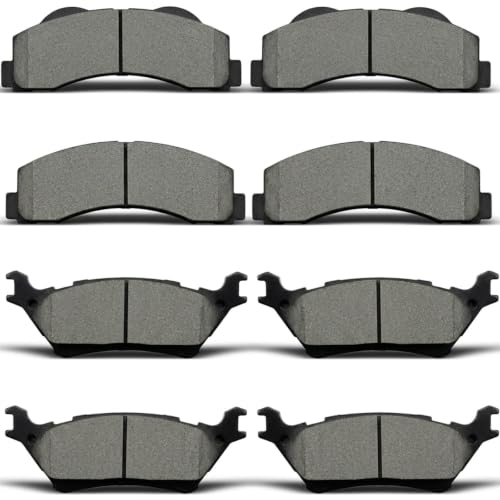
For a common passenger car, the bill usually lands in one of three buckets: pads-only, pads plus rotors, or a full-axle job that also includes caliper work and brake fluid. Compact cars tend to sit near the low end. Trucks, EVs, and performance trims often move into the high end fast.
The main cost buckets: pads, rotors, calipers, fluid, and labor
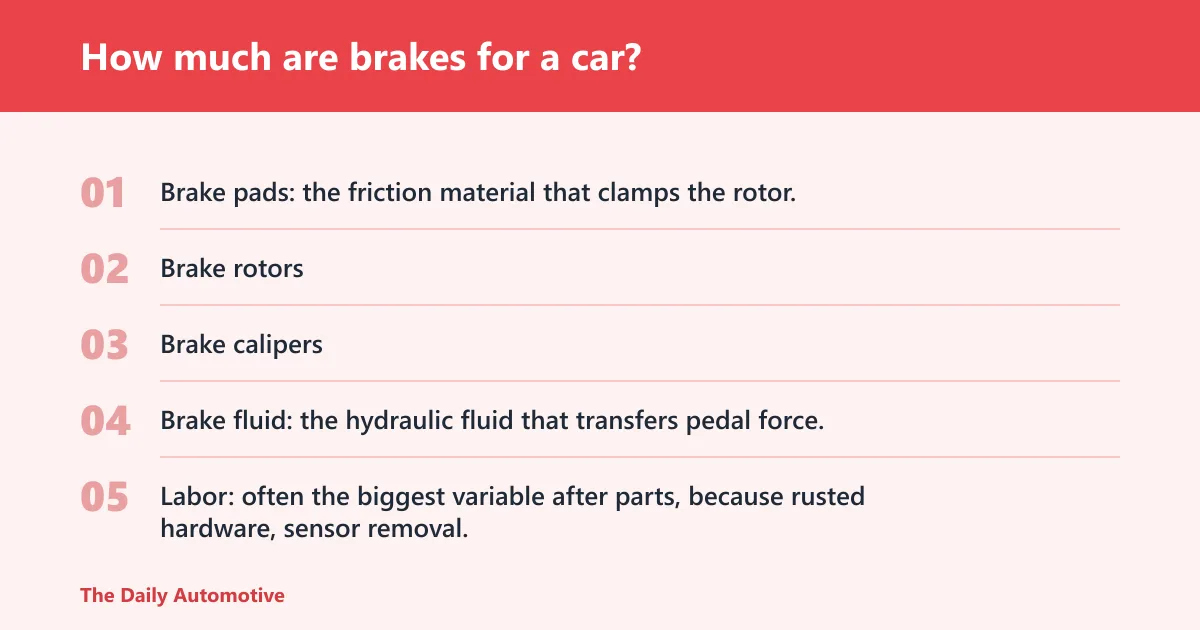
- Brake pads: the friction material that clamps the rotor. Front pads usually cost more than rear pads because they are larger and wear faster.
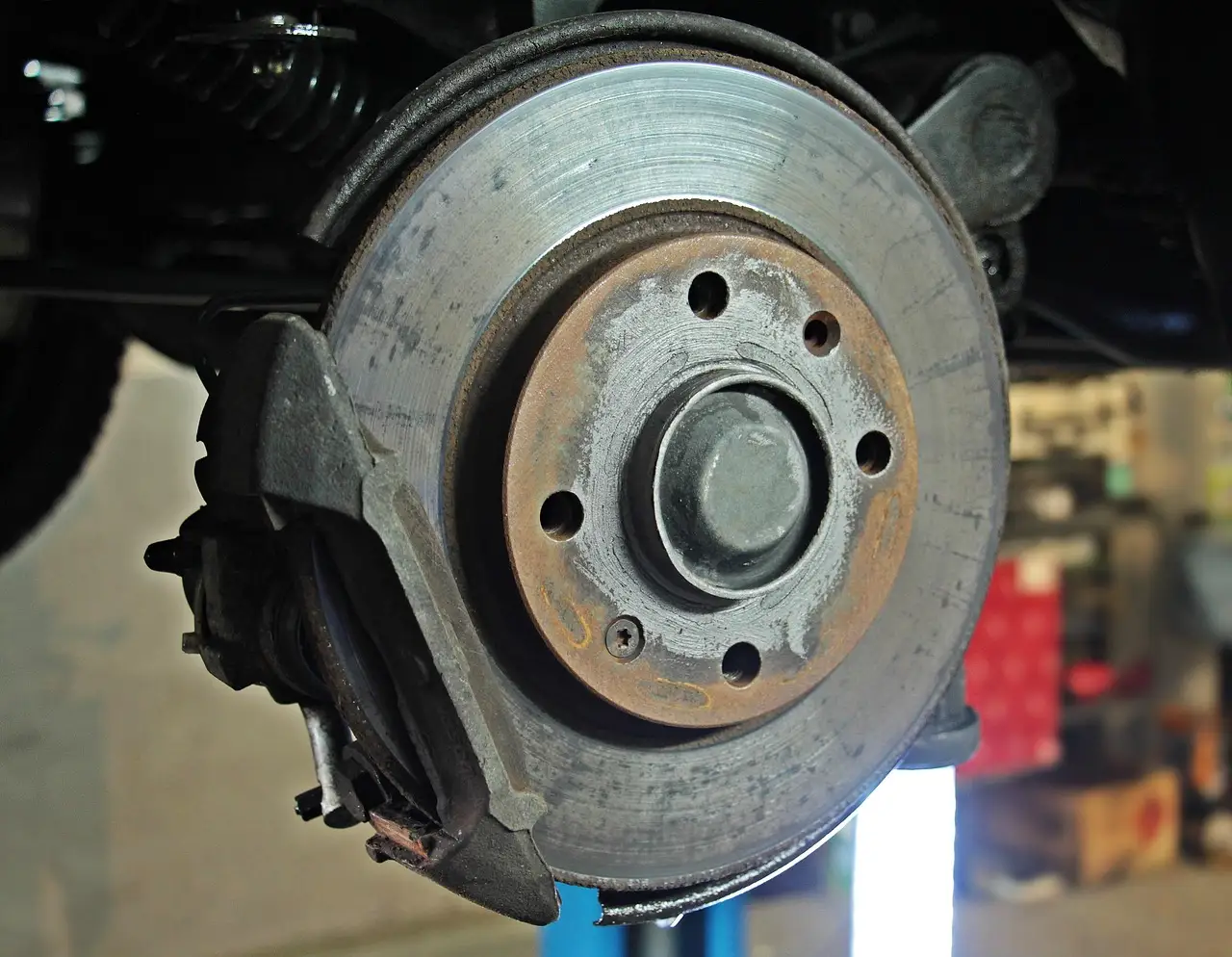
- Brake rotors: the discs the pads squeeze. Many shops replace rotors in pairs on the same axle.
- Brake calipers: the hydraulic clamps that hold the pads. A seized or leaking caliper can turn a routine job into a much larger repair.
- Brake fluid: the hydraulic fluid that transfers pedal force. A flush is often added during brake service.
- Labor: often the biggest variable after parts, because rusted hardware, sensor removal, and caliper service add time.
Cheap, average, and high-cost brake jobs by vehicle type
| Vehicle segment | Pads only, per axle | Pads + rotors, per axle | Why it lands there |
|---|---|---|---|
| Compact car | $250–$400 | $400–$650 | Smaller parts, simpler calipers, lower labor time |
| Midsize sedan or crossover | $300–$500 | $500–$800 | Average pad and rotor sizes, moderate labor |
| Truck or SUV | $350–$600 | $600–$1,000+ | Heavier vehicle, larger rotors, more heat load |
| EV or performance trim | $400–$700 | $700–$1,500+ | Extra mass, larger brakes, sensor work, premium hardware |
Front axle vs rear axle: where the money usually goes
Front brakes usually cost more because the front axle handles most stopping force, runs hotter, and wears faster. Rear brakes can still get pricey on cars with electronic parking brakes, complex calipers, or rear rotors that are integrated with parking-brake hardware. Either axle can jump in cost if parts are seized or worn past spec.
📊 Carbon brakes are about 75% lighter than iron brakes. Source: How Brembo Makes Brakes for Le Mans, F1, and Your Project Car.
What a brake quote should include
A quote should spell out parts, labor, and any add-ons before you approve the work. If a line item is missing, ask for it. A cheap estimate can become expensive once shop supplies, brake fluid, or rotor hardware appear on the final invoice.
Parts line items to check on the estimate
- Pads for the correct axle, not a generic “brake set” description.
- Rotors listed as replace or resurface.
- Calipers, if one is sticking, leaking, or seized.
- Hardware kits, shims, clips, and pad sensors where required.
- Brake fluid flush, if the shop recommends it.
Labor, inspection fees, and shop supplies
Independent shops often charge less labor than dealers, though local rates still matter. A labor quote should note whether the price includes an inspection, pad wear reset, rotor replacement on both sides of the axle, and brake test drive. Shop supply fees are common and should not be a surprise.
Hardware kits, sensors, and brake fluid flushes
Hardware kits are small parts, but skipping them can create noise and uneven pad wear. Wear sensors add cost on many newer cars. Brake fluid flushes are common because brake fluid absorbs moisture over time, which lowers boiling point and weakens hydraulic performance. A flush is often an extra $100 to $180, depending on region and shop type.
How much should front brakes cost to replace?
Front brake replacement usually costs more than rear brake work because the front axle does more of the braking. For a typical car, front pads and labor often run a few hundred dollars per axle, while front pads plus rotors usually cost more. If calipers or hardware are bad, the total rises quickly.
Pads only versus pads and rotors
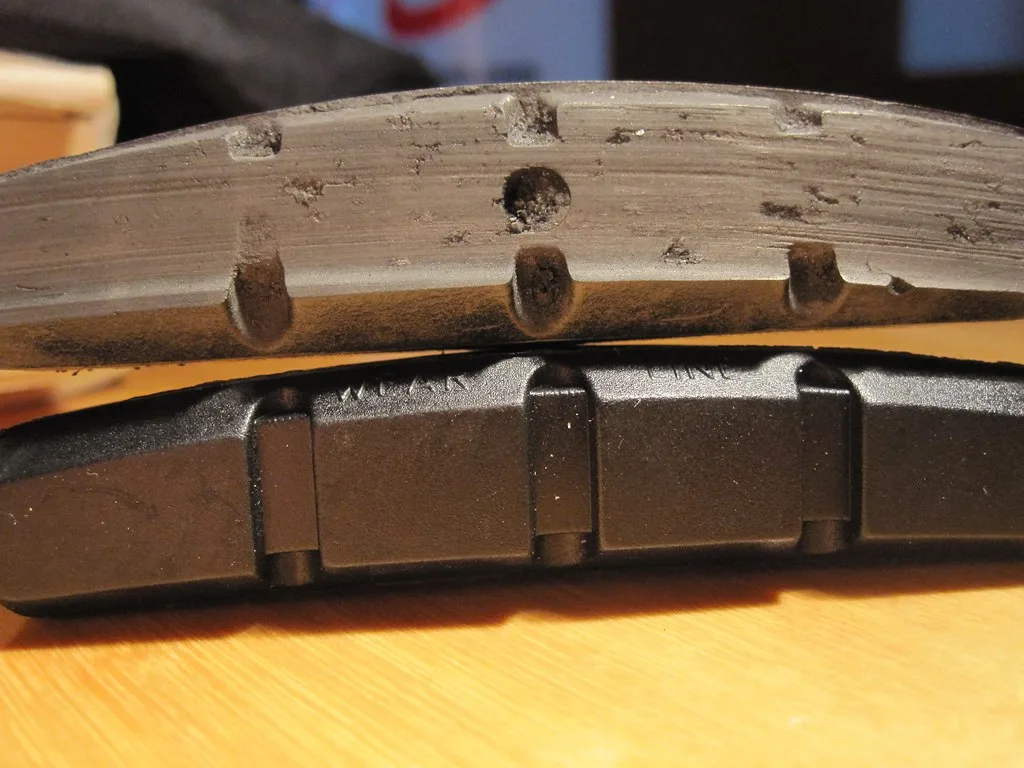
Pads-only jobs are cheaper, but they are only sensible when the rotors are still within thickness limits and have no deep scoring, heat spots, or runout problems. Once rotors are below minimum thickness or badly grooved, replacement is the safer call. Shops usually replace rotors in pairs on the same axle.
Why front brakes often cost more than rear brakes
Front pads are often larger and made from more expensive friction material. Front rotors also take more abuse from heat. On many cars, the fronts use higher-spec pads with wear indicators or sensor hardware, which adds parts cost and labor time.
When seized hardware or caliper wear raises the bill
If a slide pin is stuck, a caliper piston is sticking, or a caliper boot is torn and leaking, the quote changes fast. Labor goes up, and the shop may need to replace the caliper, bracket hardware, and brake fluid. A “simple” front brake job can turn into a repair that looks more like a rebuild.
How much should rear brakes cost to replace?
Rear brake jobs can be cheaper than front brake jobs, but not always. On many cars, rear pads and labor can cost a few hundred dollars per axle, and rear pads plus rotors often cost somewhat more. Vehicles with electronic parking brakes, compact rear calipers, or integrated parking hardware can cost more than expected.
Why rear brakes can be cheaper, or sometimes not
Rear brakes often wear more slowly because the front axle does more stopping. That lowers routine replacement frequency. But rear jobs can get expensive when the parking brake mechanism is built into the rear caliper, because retracting and servicing that hardware takes more time.
Parking brake designs and their effect on labor
Some rear systems use a mechanical cable. Others use an electric motor on the caliper or a drum-in-hat parking brake inside the rotor. Each design changes labor time and part cost. Electric parking brake systems usually need service mode activation before pad replacement, which adds shop time.
Rear rotor and caliper problems that change the total
Rear rotors can rust heavily on low-mileage cars, especially in wet or salted regions. That can push a pads-only estimate into pads-plus-rotors territory. If the rear caliper is sticking or the parking brake does not release fully, the job may require caliper replacement and a fluid flush.
How much do brake pads and rotors cost together?
On a common passenger car, pads and rotors together usually cost $400 to $1,000+ per axle once parts and labor are included. The low end covers simple compact cars with straightforward hardware. The higher end shows up on trucks, EVs, and premium trims with larger rotors, better pad materials, or more labor time.
Replace versus resurface: what shops look at
Rotor resurfacing is only possible when the rotor still has enough thickness left after machining. Most manufacturers publish a minimum thickness limit. If the rotor is too thin, badly scored, cracked, heat-checked, or uneven, replacement is the right answer. Rotors are often sold and installed as a pair on the same axle.
Signs that rotors are too far gone
- Pulsation through the pedal or steering wheel.
- Visible grooves or heavy rust ridges.
- Blue spots, cracks, or heat checking.
- Brake noise after new pads are installed.
- Thickness near or below the stamped minimum limit.
Say your midsize SUV has 62,000 miles, a shaking pedal, and front pad wear down to the backing plates. A pads-only quote may look cheap at first, but once the shop measures rotor thickness and sees scoring, the real repair becomes pads, rotors, hardware, and possibly caliper service.
Why do brake costs vary so much by car?
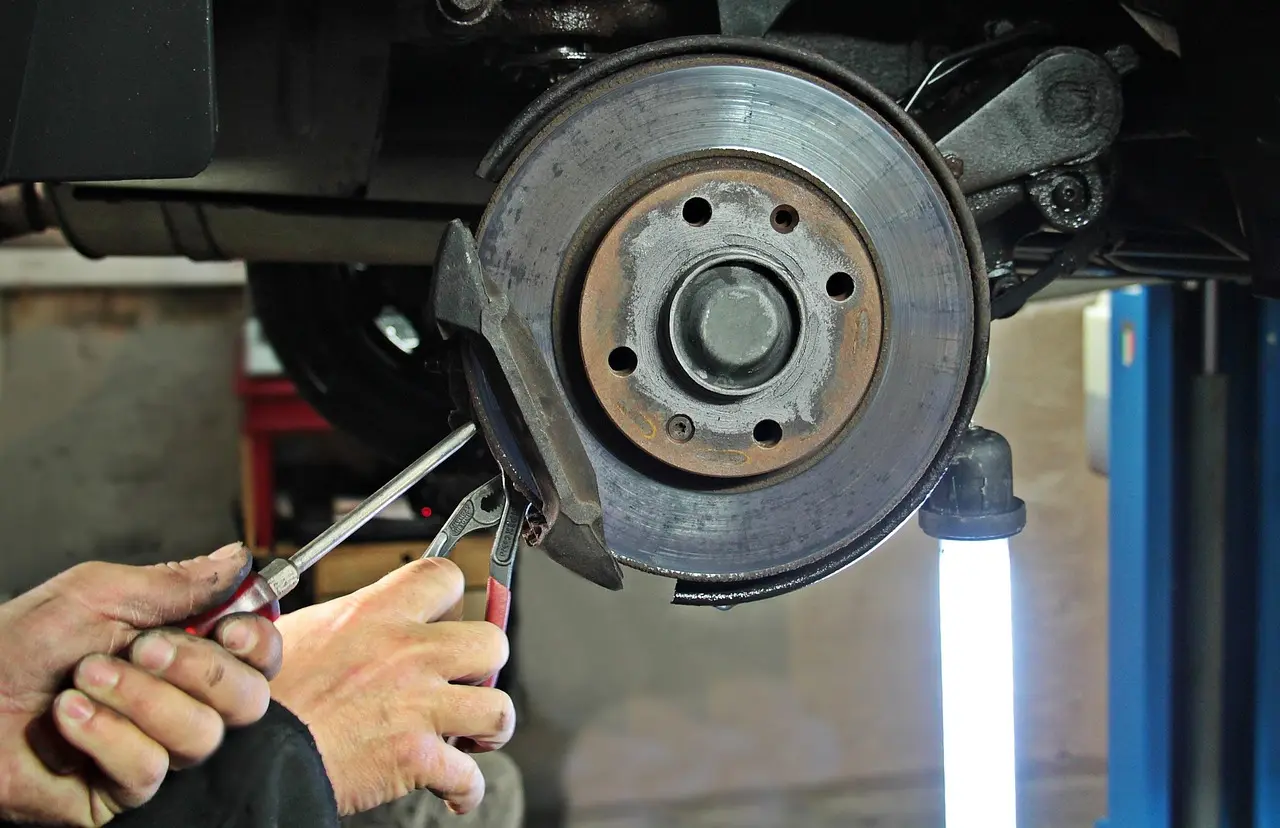
Brake pricing changes because vehicle weight, rotor size, caliper design, and labor time are not uniform. A compact sedan, half-ton truck, and high-output EV may all need the same basic parts, yet the final bill can differ by hundreds of dollars. Dealer rates and regional labor prices widen the gap further.
Compact cars, trucks, EVs, and performance trims
Compact cars usually use smaller rotors and simpler sliding calipers. Trucks and SUVs need larger parts to manage more mass and heat. EVs can be heavier than gasoline cars, which raises brake loads even though regenerative braking helps reduce pad wear. Performance trims often use larger calipers, larger rotors, and pricier friction material.
Dealer pricing versus independent shop pricing
Dealer service usually costs more than independent-shop service because of labor rate, brand-specific parts, and required procedures. That does not mean dealer work is wrong. It does mean a dealer estimate and an independent estimate should not be treated as identical, even when both say “front brakes.”
Regional labor rates and axle-specific labor times
Labor rates vary by city and state. A brake job in a high-cost metro area can price well above the same job in a smaller market. Labor time also changes by axle. Front jobs on some cars are simple; rear jobs on others take longer because of parking brake hardware or caliper retraction steps.
Are ceramic brakes more expensive than iron brakes?
Yes. Carbon ceramic brakes cost far more than cast iron systems because of material, manufacturing, and replacement expense. Cast iron remains the lower-cost baseline for most street cars. Carbon systems are usually reserved for motorsport or special performance applications, where weight savings and heat tolerance matter more than purchase price.
Cast iron brake systems
Cast iron is the common street-car choice because it is affordable and predictable. It handles daily driving well, but rotor weight adds unsprung mass, and heat tolerance has limits under repeated hard braking. That is why iron systems are the default on most cars.
Carbon brake systems
Carbon brakes are about 75% lighter than iron brakes. That weight savings can help racing cars shed rotating and unsprung mass. Brembo supplies roughly 90% of the Le Mans grid, and Brembo supplies two braking-system types for endurance racing: carbon-carbon and iron. Carbon brakes are not allowed at Le Mans in the cited GT class, so iron-based discs are used. (thedrive.com)
Carbon ceramic brakes
Carbon ceramic brakes are a premium street-car option made from carbon fiber and ceramic material. They resist heat well and can last a long time under the right conditions, but replacement expense is high. They make more sense for hard street use or track-focused cars than for a commuter that never sees severe braking.
Suppose a performance coupe comes in with cracked carbon-ceramic rotors after track use. The parts bill alone can dwarf the cost of standard iron brakes, and the repair may be limited to OEM components because of fitment and system compatibility. That is why these systems can turn a brake quote into a major expense.
How long do car brakes last?
Brake life depends on driving style, vehicle weight, traffic, terrain, and material choice. Pads often last tens of thousands of miles, but there is no universal interval. Front brakes usually wear faster than rear brakes. Rotors can last through more than one pad set if they stay within thickness limits and do not develop damage.
What shortens brake life
- Stop-and-go city traffic.
- Towing or mountain driving.
- Heavy vehicle weight.
- Seized caliper slides or parking-brake hardware.
- Ignoring pad wear indicators or squeal.
Braking material and lifespan
Standard cast iron systems on ordinary street cars usually cost less to buy and service, but they may wear faster under repeated heat. Carbon and carbon-ceramic systems can resist high temperatures better, yet they have far higher replacement cost when parts are damaged or worn beyond spec. Longevity alone does not make them cheaper.
How the helps you compare quotes
Use the worksheet to separate parts from labor before you approve any quote. A fair estimate should make it easy to see whether the shop is pricing pads-only, pads and rotors, or a full-axle repair with caliper and fluid work. If the quote is vague, ask for the missing line items.
2026 brake-cost worksheet line items
| Line item | Low | Middle | High |
|---|---|---|---|
| Front pads | $80 | $140 | $220 |
| Rear pads | $70 | $120 | $190 |
| Front rotors, pair | $120 | $220 | $400 |
| Rear rotors, pair | $110 | $200 | $380 |
| Caliper, each | $90 | $180 | $350 |
| Brake fluid flush | $100 | $140 | $180 |
| Labor per axle | $120 | $220 | $400 |
Cheap, average, and high decision table by segment
| Segment | Cheap | Average | High | What to check |
|---|---|---|---|---|
| Compact car | Pads only, no caliper work | Pads + rotors | Calipers, flush, sensors | Rotor thickness and hardware condition |
| Midsize sedan | Independent shop, pads only | Pads + rotors + flush | Dealer, sensors, seized hardware | Labor hours and add-ons |
| Truck or SUV | Rear pads only | Front pads + rotors | All four corners, calipers, flush | Rotor size and caliper design |
| EV or performance trim | Simple pad swap | Pads + rotors + sensors | Premium parts, dealer labor, fluid | Special hardware and wheel clearance |
How to spot a quote that is missing needed work
- Check whether the quote names the axle.
- Look for pads, rotors, calipers, and fluid as separate items.
- Ask whether hardware kits and sensors are included.
- Confirm whether labor covers one axle or both.
- Compare the total against the segment and axle tables above.
Frequently asked questions
How much does a brake job cost on a car?
A brake job can mean pads only, pads and rotors, or a full service with calipers and fluid. That is why estimates vary so much. A simple axle job may stay under $400, while a more complete repair on a truck, EV, or premium car can climb past $1,000.
Is it cheaper to replace pads only or pads and rotors?
Pads only is cheaper up front, but only if the rotors are still within thickness limits and show no serious wear. If rotors are below spec, badly scored, or warped, replacing pads alone can waste money because the braking surface is still the real problem.
Products related to this article
Sponsored / affiliate links. As an Amazon Associate I earn from qualifying purchases. I may earn additional commission from eligible campaigns.