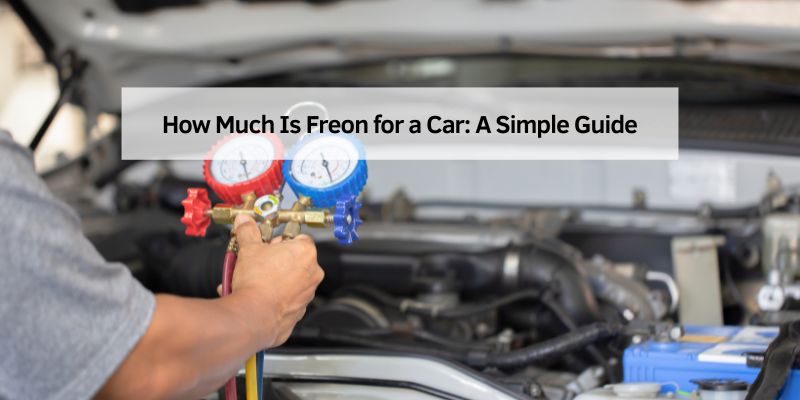
How Much Is Freon for a Car: A Simple Guide
Last summer, my car’s air conditioner started blowing warm air during a road trip. I was sweating buckets and desperate for a fix! That’s when I learned about Freon, the stuff that keeps your car’s AC cool. If you’re wondering, “How much is Freon for a car?” you’re in the right place. This article will break it down simply, share my tips, and help you save money. We’ll cover what Freon is, how much it costs in 2025, and whether you should do it yourself or go to a pro. Let’s cool things off!
What Is Freon and Why Does It Matter?
Freon is a refrigerant that makes your car’s air conditioner blow cold air. It’s a special chemical that cycles through your AC system, soaking up heat inside your car and releasing it outside. Think of it like a superhero that keeps you cool! Most cars today use R-134a or R-1234yf, not the old R-12 Freon, which was banned because it hurt the ozone layer. If your AC is weak, you might need more refrigerant. Knowing what your car uses is key to getting the right stuff.
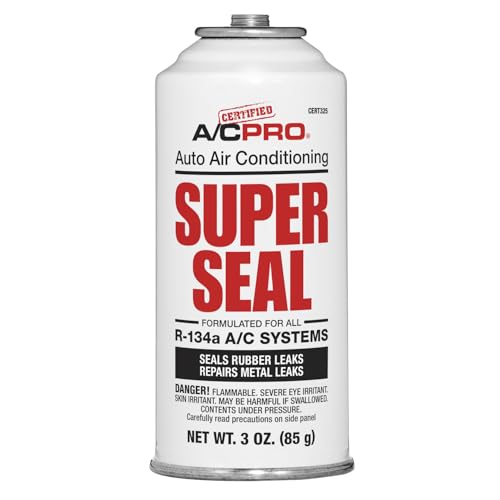
- R-134a: Common in cars from the 1990s to today. It’s cheaper.
- R-1234yf: Used in newer cars (post-2015). It’s pricier but eco-friendly.
- R-12: Only in old cars (pre-1994). It’s rare and super expensive.
Check your car’s manual or a sticker under the hood to find the right type. My sedan uses R-134a, which I found on a label near the engine. This saved me from buying the wrong can!
How Much Does Freon Cost for a Car in 2025?
The cost of Freon depends on whether you do it yourself or hire a mechanic. Here’s what I’ve learned from shopping around and fixing my own car in 2025:
DIY Freon Costs
If you recharge your AC yourself, you’ll buy refrigerant at an auto parts store like AutoZone or online. Here’s the breakdown:
- R-134a: About $10-$20 per pound (16 ounces). A 12-ounce can costs $5-$10. Most cars need 1-2 cans, so expect $12-$20 for 24 ounces.
- R-1234yf: Costs $100-$150 per pound. An 8-ounce can runs $40-$50, so 12-16 ounces could cost $80-$150.
My SUV needed 24 ounces of R-134a, so I spent $15 on two cans. Easy peasy!
Professional Freon Recharge Costs
Going to a mechanic costs more because they charge for labor and equipment. Here’s what to expect:
- R-134a Recharge: $100-$200, including 1-2 pounds of refrigerant and labor.
- R-1234yf Recharge: $200-$400, due to pricier refrigerant and specialized tools.
- Leak Check and Repairs: Add $50-$150 if they find and fix a leak.
I got a quote for $150 at a local shop for my SUV, but I saved money by doing it myself. Prices vary by location, so call around!
Table 1: Freon Cost Comparison (2025)
| Refrigerant Type | DIY Cost (per pound) | Professional Cost (per recharge) |
|---|---|---|
| R-134a | $10-$20 | $100-$200 |
| R-1234yf | $100-$150 | $200-$400 |
| Caption: Compare DIY and professional costs to decide what’s best for you. |

How Much Freon Does Your Car Need?
Most cars need 12-28 ounces (0.75-1.75 pounds) of refrigerant. My SUV took 24 ounces, while my friend’s compact car needed only 16 ounces. Bigger vehicles like trucks need more. Check your car’s manual or hood sticker for the exact amount. Overfilling or underfilling can mess up your AC, so be precise!
Table 2: Typical Freon Amounts by Vehicle Type
| Vehicle Type | Refrigerant Needed (ounces) |
|---|---|
| Compact Car | 12-16 |
| Sedan/SUV | 16-24 |
| Truck | 24-28 |
| Caption: Use this table to estimate how much refrigerant your car needs. |
How to Recharge Your Car’s AC Yourself
Recharging your car’s AC is easier than it sounds. I did it in 20 minutes with no experience! Here’s a simple step-by-step guide:
- Check the Refrigerant Type: Look under the hood or in the manual.
- Buy the Right Kit: Get an R-134a or R-1234yf recharge kit with a gauge ($20-$50).
- Find the Low-Side Port: It’s a small valve near the AC lines, usually marked “L.”
- Attach the Can: Connect the kit’s hose to the low-side port. Shake the can gently.
- Add Refrigerant: Start the car, turn the AC to max, and slowly release refrigerant. Check the gauge to avoid overfilling.
- Test the AC: Feel for cold air. If it’s not cold, you might have a leak.
Safety Tip: Wear gloves and safety glasses. Freon can cause frostbite if it touches your skin. Don’t inhale it—it’s not safe!
Visual Idea: A diagram showing the low-side port location on a car engine would be super helpful. Another idea is a labeled photo of a recharge kit.
Benefits and Drawbacks of Recharging Freon
Recharging your AC is a quick fix, but it’s not perfect. Here’s what I’ve learned:
Benefits
- Cools Fast: Your AC will blow cold air again in minutes.
- Saves Money: DIY recharging is way cheaper than a shop.
- Easy for Beginners: No fancy tools needed, just a kit and patience.
Drawbacks
- Leaks Are Common: If your AC loses Freon, there’s likely a leak. Recharging won’t fix it long-term.
- Environmental Risk: Mishandling Freon can harm the planet. Be careful!
- Not Permanent: You might need to recharge every 1-2 years if there’s a small leak.
Pro Tip: If you need to recharge often, ask a mechanic to check for leaks. Fixing a leak can save you money over time.
Common Mistakes to Avoid
I made a few goof-ups when I first tried recharging my AC. Here’s what to watch out for:
- Using the Wrong Refrigerant: R-134a and R-1234yf aren’t interchangeable. Check your car’s type!
- Overfilling: Too much Freon can damage your AC compressor. Use a gauge.
- Ignoring Leaks: Recharging a leaky system is like filling a bucket with a hole. Get it checked.
Visual Idea: A simple chart showing “Do This” (e.g., check refrigerant type) vs. “Don’t Do This” (e.g., overfill) would make these tips pop.
My Top Tips for Saving Money
After tackling my car’s AC, here are my best cost-saving tricks:
- Shop Around: Compare prices at auto parts stores. I found a can of R-134a for $5 on sale!
- Do It Yourself: DIY kits are cheap and easy. Watch a YouTube video for confidence.
- Check for Leaks Early: A $50 leak test can save you from repeated recharges.
Table 3: Money-Saving Tips for Freon Recharges
| Tip | How It Saves Money |
|---|---|
| Shop Around | Find cheaper cans or kits |
| DIY Recharge | Avoid $100-$200 labor costs |
| Fix Leaks Early | Prevent repeated recharges |
| Caption: Use these tips to keep your AC cool without breaking the bank. |
Alternatives to Freon Recharges
If your car’s AC keeps losing Freon, consider these options:
- Fix the Leak: A mechanic can find and seal leaks for $50-$150. It’s worth it for long-term savings.
- Upgrade to R-1234yf: If your car uses R-12, switching to R-134a or R-1234yf is eco-friendly but pricey ($200-$500).
- Use a Fan: On mild days, roll down the windows and use a portable fan. It’s not ideal, but it’s free!
Visual Idea: A flowchart showing “If your AC blows warm air, try this” (e.g., check Freon, fix leak) would guide readers clearly.
Frequently Asked Questions
What Is Freon for a Car?
Freon is a refrigerant that cools your car’s AC system. It’s a chemical that absorbs heat, making the air cold. Most cars use R-134a or R-1234yf, not old R-12 Freon.
How Much Is Freon for a Car?
For R-134a, expect $12-$20 DIY or $100-$200 at a shop. R-1234yf costs $80-$150 DIY or $200-$400 professionally, depending on your car’s needs.
Can I Recharge My Car’s AC Myself?
Yes, it’s easy with a $20-$50 kit. Follow the instructions, use the right refrigerant, and check the gauge to avoid overfilling. Watch a video first!
How Often Should I Recharge Freon?
Most cars need a recharge every 1-2 years if there’s a small leak. If you recharge often, get a mechanic to check for leaks.
What Happens If I Use the Wrong Freon?
Using the wrong refrigerant can damage your AC system or make it less effective. Check your car’s manual or hood sticker for the right type.
Is Freon Bad for the Environment?
Old R-12 Freon harms the ozone layer, which is why it’s banned. R-134a and R-1234yf are safer but still need careful handling to avoid leaks.
Where Can I Buy Freon for My Car?
You can buy R-134a at auto parts stores like AutoZone or online. R-1234yf is harder to find and may need a specialty shop or mechanic.
Conclusion
Figuring out how much Freon costs for a car doesn’t have to be tricky. Whether you spend $12 on a DIY kit or $200 at a shop, you can get your AC blowing cold again. I loved fixing my SUV’s AC—it was like solving a puzzle! Try recharging your AC yourself or call a mechanic for a quick fix. Share your AC tips in the comments or tell me about your cool ride. Stay chill and drive happy!