How to Buy a Loaner Car from a Dealership (Save $2,000–$5,000)
A loaner car is a dealership courtesy vehicle sold after service use — typically with under 10,000 miles and priced $2,000–$5,000 below the equivalent new-car MSRP, with the original factory warranty still active. Skipping one means paying full price for a car that’s functionally identical. This guide covers what a loaner car is, how to find one, what to inspect, and how to negotiate the price.
Quick Answer
To buy a loaner car from a dealership: call luxury-brand dealers (BMW, Lexus, Honda) and ask for their demo or loaner inventory. Expect under 10,000 miles, a $2,000–$5,000 discount off MSRP, and the factory warranty still active. Always get a Carfax report and negotiate — dealers expect it.
What Is a Loaner Car?
A loaner car is a dealership courtesy vehicle lent to service customers at no charge while their own vehicle is being repaired. After a minimum of 90 days in service use — typically under 10,000 miles — dealerships retire them from the fleet and sell them at a discount versus new-car MSRP. They are sometimes listed as “demo” or “courtesy” vehicles online. Unlike a used car with multiple private owners, a loaner has one owner (the dealership) and a complete, verified service history.
Why Buy a Loaner Car?
Loaner cars can save you $2,000–$5,000 versus buying the same vehicle new. They are well-maintained, inspected regularly by certified technicians, and in most cases still eligible for factory new-car rebates and incentives — meaning your savings can be even larger than the sticker discount suggests.
Benefits of Buying a Loaner Car
- Save Money: Loaner cars typically sell for $2,000–$5,000 below the equivalent new-car MSRP.
- Low Miles: Most have under 10,000 miles — some as low as 1,000 — so they drive like new.
- Warranty Coverage: The original factory warranty remains active from the vehicle’s in-service date.
- One Owner, Full Service History: Dealership-maintained with certified technicians and factory-spec parts throughout.
- Eligible for New-Car Rebates: Many manufacturers allow loaner cars to qualify for current model-year incentives.
Drawbacks to Watch For
Loaner cars may have minor cosmetic wear — door dings, windshield chips, or light interior scuffs from multiple drivers. Mileage varies: some have under 2,000 miles, others may approach 10,000. Always run a Carfax report and inspect carefully before signing. Confirm exactly how much factory warranty remains and when the in-service date started — that date, not your purchase date, is what the warranty clock runs from.
Step-by-Step Guide: How to Buy a Loaner Car from a Dealership
Follow these seven steps to find, inspect, and close on a loaner car deal. Luxury-brand dealers — BMW, Honda, Lexus, and Mercedes — run the most active loaner programs and typically have the best inventory.
Step 1: Find Dealerships with Loaner Cars
Not all dealerships sell loaners publicly. Call the fleet or pre-owned manager directly and ask: “Do you have any loaner or demo vehicles available for sale?” Luxury brands like Lexus, BMW, and Mercedes run the largest loaner fleets and rotate inventory most frequently. Check the dealer’s website for listings under “Certified Pre-Owned” or “Demo Vehicles.”
Step 2: Ask About Loaner Car Inventory
Visit or call the dealership. Ask specifically: “Do you have loaner cars for sale?” Some list them as “demos” online. Not every dealer advertises loaner availability — persistence pays off. Check multiple dealers and compare what’s available before committing.
Step 3: Inspect the Car Carefully
Inspect in good daylight. Check for door dings, windshield chips, uneven tire wear (indicates alignment issues), and interior scuffs. Aim for under 5,000 miles if possible. Always take a test drive — check brakes, steering pull, and how the transmission shifts. Use the NHTSA recall lookup at SaferCar.gov to confirm no open recalls.
Step 4: Check the Car’s History
Get a vehicle history report from Carfax before committing. Loaner cars are typically clean — one owner, dealer-maintained — but it’s worth confirming. Check for any accidents, title issues, or odometer discrepancies. The report also shows the in-service date, which determines how much factory warranty remains.
Step 5: Negotiate the Price
Loaner cars already carry a discount, but the price is still negotiable. Ask about current manufacturer rebates and incentives — many apply to loaners just as they do to new cars. Shop at quarter-end (March, June, September, December) when dealers need to hit sales targets and are more willing to deal. Mentioning a competing dealer’s price is a proven negotiation lever.
Step 6: Review Warranty and Paperwork
Confirm the factory warranty in writing — ask for the in-service date and verify exactly how many months and miles remain. Read all paperwork carefully before signing. Watch for dealer add-ons (paint protection, gap insurance, extended warranties) that inflate the final price. Only sign when you’ve verified every line item.
Step 7: Finalize the Deal
Bring your driver’s license, proof of insurance, and financing pre-approval from your bank or credit union (pre-approval gives you negotiating leverage over dealer financing). Double-check the contract for hidden fees — documentation fees, dealer prep, or advertising charges. Ask directly: “Are there any fees not included in this price?” before signing.

Best Car Inspection Tool Pick
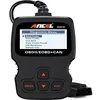
ANCEL AD310 Classic OBD II Scanner
Reads and clears check engine codes instantly — essential for verifying a loaner car has no hidden fault codes before you buy.
- Best for: Pre-purchase loaner car inspection — catch hidden engine codes
- Why we picked it: Plug-and-play, works on all OBD2 cars (1996+), no subscription needed
- Main drawback: Reads codes only — no live data graphing or advanced ABS/SRS diagnostics
Compare more OBD2 scanner options
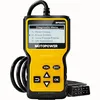 Option 1 MOTOPOWER MP69033 OBD2 Scanner
|
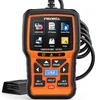 Option 2 FOXWELL NT301 OBD2 Scanner
|
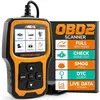 Option 3 ANCEL AD410 Enhanced OBD2 Scanner
|
As an Amazon Associate we earn from qualifying purchases.
Tools and Documents You Need
- Driver’s License: Required to test drive and finalize the purchase.
- Proof of Insurance: Most dealers require this before you drive off the lot.
- Financing Pre-Approval: Get pre-approved from your bank or credit union before visiting — it gives you leverage over dealer financing rates.
- Carfax Report: Optional but recommended. Confirms the in-service date, owner history, and any accidents.
- OBD2 Scanner: Plug in before you buy to check for any stored engine fault codes the dealer hasn’t cleared.
Comparing Loaner Cars vs. New Cars
| Feature | Loaner Car | New Car |
|---|---|---|
| Price | $2,000–$5,000 below MSRP | Full MSRP |
| Mileage | 1,000–10,000 miles | Zero miles |
| Warranty | Factory warranty remaining from in-service date | Full factory warranty from purchase date |
| Condition | Minor cosmetic wear possible | Brand new, no wear |
| Rebates | Often eligible for new-car manufacturer incentives | Full rebate eligibility |
Cost-Saving Tips for Buying a Loaner Car
- Shop at Quarter-End: March, June, September, and December are when dealers push hardest to meet sales quotas — discounts are larger.
- Compare Multiple Dealers: Check at least 3 dealers before committing. The same model can vary by $1,000–$2,000 between dealers.
- Ask About Manufacturer Incentives: Many brands extend new-car rebates to loaner vehicles — ask specifically if current incentives apply.
- Get Pre-Approved Financing: Your bank’s rate is often better than dealer financing. Pre-approval also speeds up the closing process.
Common Mistakes to Avoid
- Skipping the Inspection: Always check for cosmetic damage in good daylight. Minor scratches found after signing are your cost to fix.
- Not Checking the In-Service Date: The warranty clock starts from the in-service date — not your purchase date. A loaner in service for 18 months has 18 months less warranty.
- Rushing the Paperwork: Read every line of the contract. Documentation fees, dealer prep charges, and add-on packages can add $500–$2,000 to the price.
- Skipping the OBD2 Scan: A pre-purchase inspection that includes an OBD2 code scan costs nothing with your own scanner and can reveal hidden issues the dealer hasn’t addressed.
Loaner Car vs. Used Car: Which Is Better?
| Aspect | Loaner Car | Used Car |
|---|---|---|
| Price | Below new MSRP; often eligible for manufacturer rebates | Varies widely by age and condition |
| History | One owner (dealership); complete service records | Multiple owners possible; history varies |
| Maintenance | Dealer-maintained by certified technicians | Varies — private owner maintenance quality unknown |
| Mileage | Low (typically 1,000–10,000 miles) | Often significantly higher |
| Warranty | Factory warranty still active | Usually no factory warranty remaining |
Safety Advice for Buying a Loaner Car
Always test drive before buying. Check for brake pulsation, steering pull, and transmission behavior under acceleration. Uneven tire wear indicates alignment or suspension issues — budget for a wheel alignment if you see it. Verify there are no open recalls using the NHTSA database at SaferCar.gov — open recalls must be repaired by the dealer at no cost, so use this as negotiation leverage if any exist.

Frequently Asked Questions
What Is a Loaner Car?
A loaner car is a vehicle that a dealership lends to service customers at no charge while their own vehicle is being repaired. After 90+ days in service — typically under 10,000 miles — the dealer retires it and sells it at a discount below new-car MSRP, with the factory warranty still active.
Are Loaner Cars a Good Deal?
Yes. Loaner cars typically sell for $2,000–$5,000 below the equivalent new-car price, have low mileage (often under 5,000 miles), and retain the original factory warranty. Many are also eligible for current manufacturer rebates. The main trade-off is potential minor cosmetic wear from multiple drivers.
How Do I Find Loaner Cars for Sale?
Call the fleet or pre-owned manager at dealerships directly and ask for loaner or demo inventory. Check dealer websites under “Certified Pre-Owned” or “Demo Vehicles.” Luxury brands — BMW, Lexus, Mercedes, and Honda — run the most active loaner programs and rotate inventory most frequently.
Do Loaner Cars Have Full Warranties?
Loaner cars retain the original factory warranty, but the clock starts from the vehicle’s in-service date — not your purchase date. A car that was in loaner service for 12 months has 12 fewer months of warranty remaining. Always ask the dealer for the exact in-service date and confirm how much warranty is left before signing.
Can I Negotiate the Price of a Loaner Car?
Yes. Loaner cars already carry a discount but the price is still negotiable. Ask about current manufacturer rebates that may apply, compare prices at competing dealers, and shop at quarter-end (March, June, September, December) when dealers are most motivated to close deals and offer additional discounts.
Are Loaner Cars Safe to Buy?
Yes, with due diligence. Get a Carfax report to confirm clean title and accident history. Run a recall check at SaferCar.gov. Test drive to verify brakes, steering, and transmission. Plug in an OBD2 scanner to check for any stored fault codes. Loaner cars are dealer-maintained, which typically means better condition than comparable private-owner used cars.
What’s the Difference Between a Loaner and a Demo Car?
A loaner car is lent to service customers while their vehicle is being repaired. A demo car is typically used for extended test drives by dealership staff or potential buyers. In practice, dealers often use both terms interchangeably. The key question to ask is: “What was this vehicle used for?” — and request the full service history regardless of the label.
Conclusion
Buying a loaner car is one of the smartest ways to get a nearly new vehicle at a significant discount. You get verified low mileage, a full service history, and the factory warranty still running — often with manufacturer rebates still available. Inspect carefully, run a Carfax, negotiate the price, and confirm the warranty in-service date before signing. The savings of $2,000–$5,000 versus a new car make the extra diligence well worth it.
Products related to this article
Sponsored / affiliate links. As an Amazon Associate I earn from qualifying purchases. I may earn additional commission from eligible campaigns.