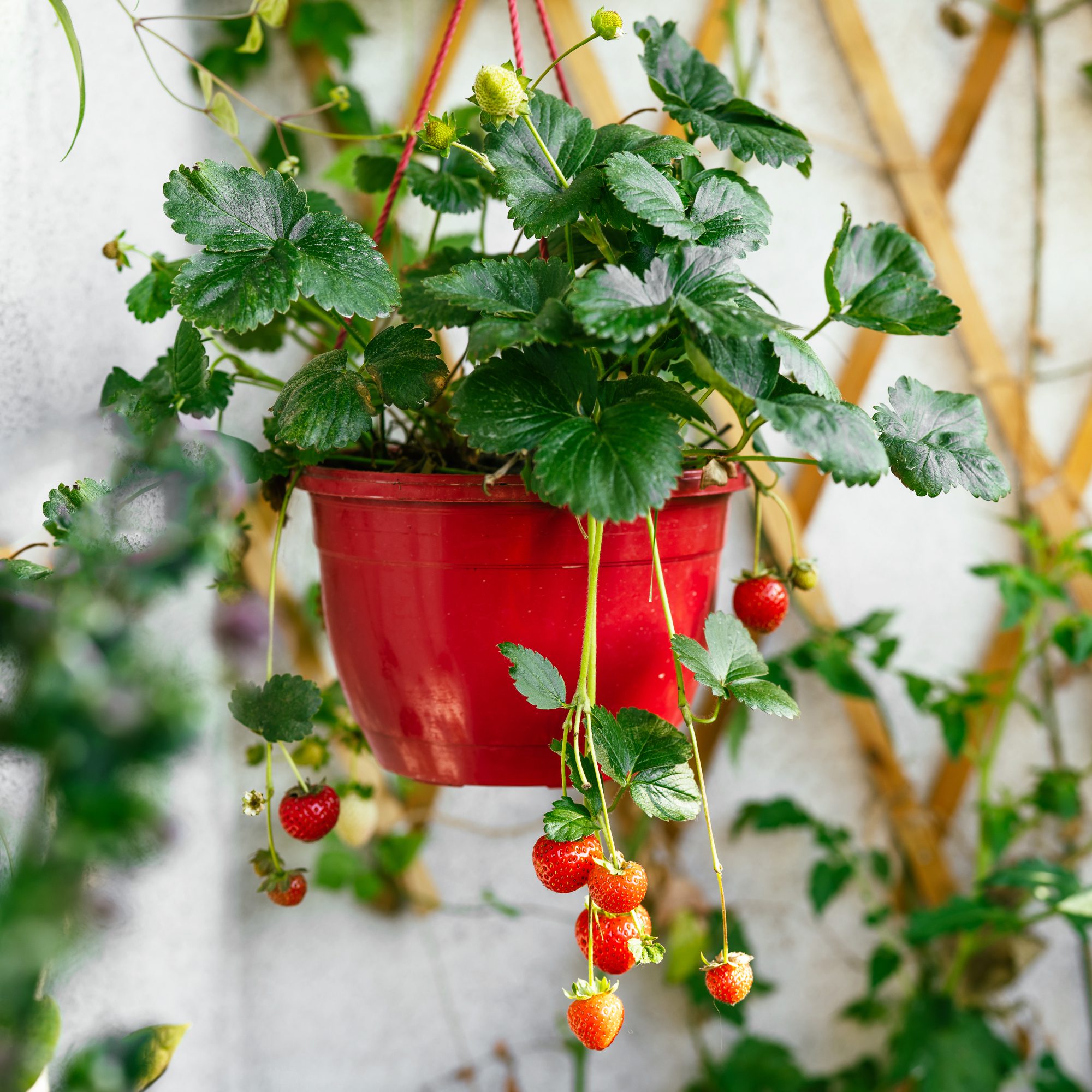
How to Care for Hanging Strawberry Plants: Expert Tips
Imagine stepping out to your garden or balcony and plucking juicy, ripe strawberries right from your hanging plants. Sounds delightful, doesn’t it?
If you’ve decided to add a touch of nature’s sweetness to your outdoor space, you’re in for a treat. Hanging strawberry plants not only offer a burst of fresh flavor but also enhance your environment with their vibrant colors. But to ensure your strawberry plants thrive and produce the best fruit, they need a bit of care and attention.
This guide is your ticket to mastering the art of nurturing these delightful berries. From watering tips to sunlight requirements, you’ll discover everything you need to cultivate healthy and productive hanging strawberry plants. Keep reading to unlock the secrets of an abundant strawberry harvest, right at your fingertips.
Choosing The Right Strawberry Variety
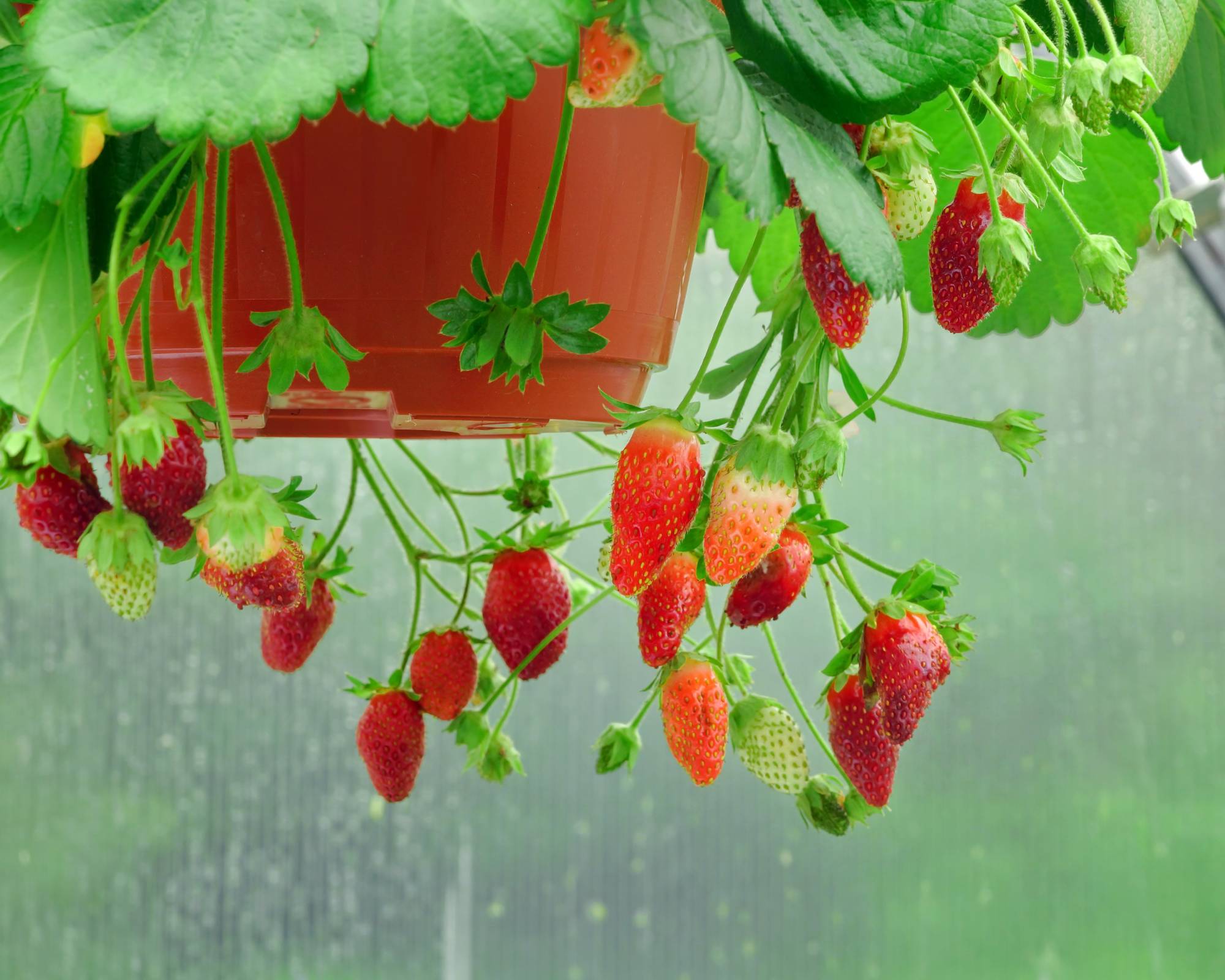
Picking the best strawberry variety is important. Some are better for hanging pots. These include Alpine and Temptation strawberries. They grow well in small spaces. Some varieties need more sun. Others need less. Research before buying. Check the plant label. It tells how much sun it needs.
Strawberries come in different colors. Red is the most common. But there are white and yellow varieties too. Some strawberries are sweet. Others are a bit tart. Choose what you like best. Plant the strawberries in spring or early summer. This gives them time to grow.
Credit: www.gardeningknowhow.com
Optimal Hanging Planter Selection
Choosing the right materialis important for strawberry plants. Plastic planters are lightweight and easy to move. Clay or ceramic pots look nice but are heavier. Metal baskets can last long but might get too hot in the sun. Make sure the materialhas good drainage. This helps prevent soggy roots. Avoid materials that hold too much water.
Planter size mattersfor healthy growth. Small plants need less space. Bigger plants need more room to spread. Depth is important too. Strawberry roots are not very deep. A planter with 6 to 8 inches depth works well. Make sure the planter is wide enough to allow growth. A wide planteris needed for plants to spread.
Soil And Nutrient Requirements
Strawberry plants need light, airy soil. Soil must have good drainage. Mix peat mosswith sandfor better growth. Add compostto enrich the soil. Check soil pH; it should be between 5.5 and 6.5. Use a soil pH testerto be sure. Keep soil loose to let roots grow well.
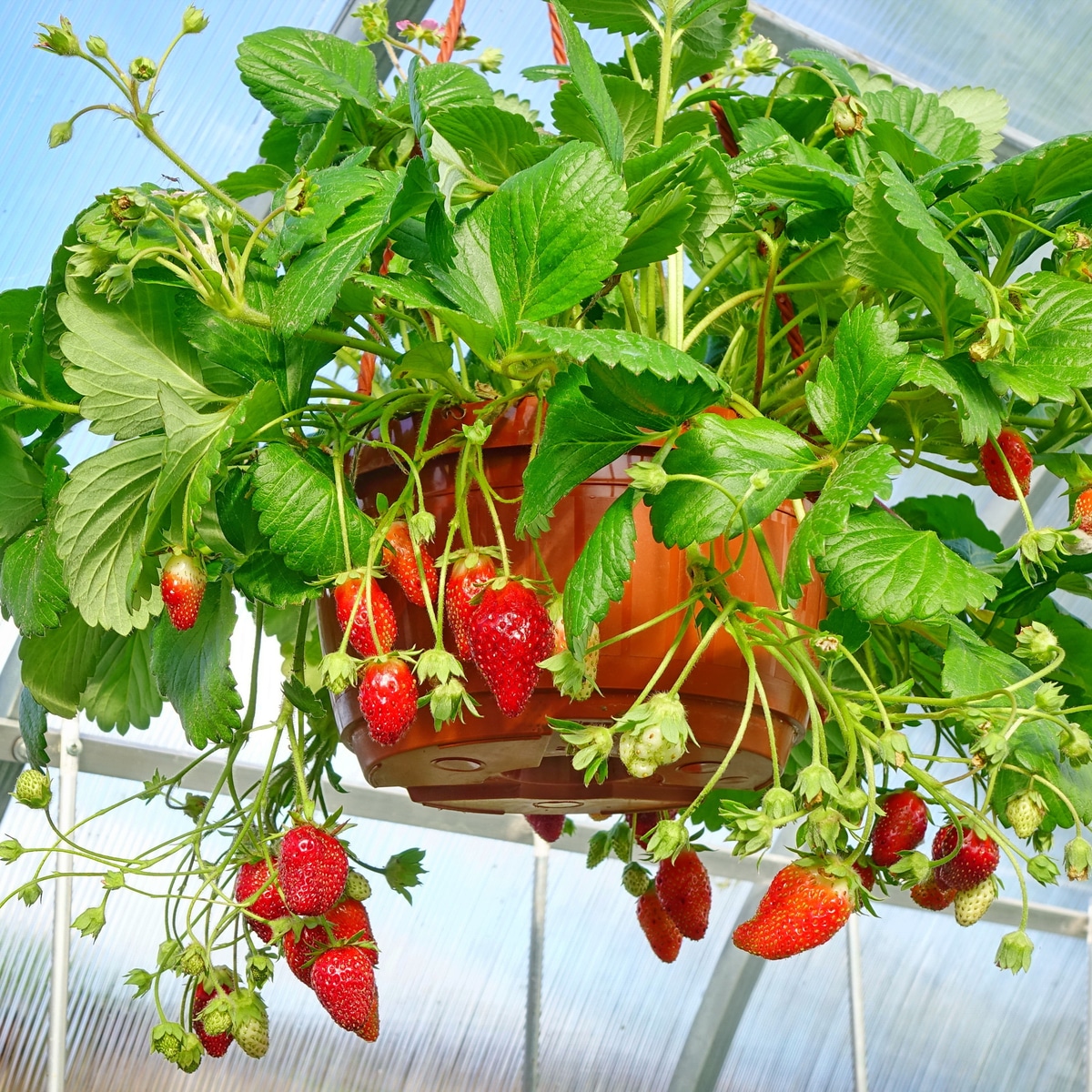
Choose fertilizers rich in nitrogen. Nitrogen helps leaves grow strong. Use potassiumfor healthy fruit. Sprinkle slow-release fertilizertwice a season. Avoid over-fertilizing; it can harm plants. Liquid fertilizers work well in hanging pots. Water often after adding fertilizer.
Credit: strawberryplants.org
Proper Watering Techniques
Watering hanging strawberry plants needs care. Water them every three days. Use enough water to make soil moist, not soggy. In summer, water more often. Strawberries need more water in hot weather. Check the soil often. If it’s dry, water the plants.
Overwatered plants have yellow leaves. Leaves may also wilt or rot. Check the roots for rot signs. Underwatered plants have dry, brown leaves. They may also droop. Soil feels dry and crumbly. Fix the watering schedule if you see these signs.
Sunlight And Temperature Needs
Strawberry plants love the sun. They need at least six hoursof sunlight each day. Find a spot with good light. Too much shade is not good. Leaves may turn yellow. You want them to stay green.
Morning sun is great. It helps the plants grow strong. Afternoon sun can be hot. Make sure they do not dry out. Check the soil often. Water if it feels dry.
Strawberries like coolweather. They grow best between 60 to 80 degrees Fahrenheit. Hot weather can be tough. Leaves might wilt in strong heat.
Protect them from cold. Temperatures below 32 degrees can harm them. If it gets too cold, bring them inside. Keep them safe from frost.
Pruning And Maintenance
Hanging strawberry plants need regular care. Trimming is important to keep them healthy. Cut off dead leaves and old stems. This helps the plant grow better. Use sharp scissors for clean cuts. Be gentle while pruning. Avoid cutting too much. Balance is key. Keep the plant tidy. Remove parts that look sick. Check every week. Healthy plants produce more fruit.
Trimming Strategies
Start trimming with small cuts. Look for brown leaves. Cut them first. Then, check for broken stems. These need to go. Trim at a 45-degree angle. This helps the plant heal. Don’t cut too close to the main stem. Leave a small piece behind. It protects the plant. Careful trimming makes a big difference. Follow these steps often.
Pest And Disease Control
Pests like to visit strawberry plants. Watch out for bugs. Aphids and spider mites are common. Use natural sprays to keep them away. Check leaves for spots. Spots mean disease. Remove bad leaves fast. Healthy soil helps fight disease. Keep the plant clean. Water it properly. Good care makes strong plants. Strong plants fight pests better.
Seasonal Care Tips
Strawberry plants need protection in winter. Cold weather can harm them. Cover them with straw or mulch. This keeps them warm. Mulch helps keep the soil moist. It also stops weeds from growing. Check the plants often. Make sure they’re safe from frost. Trim old leaves before winter. This helps the plant stay healthy.
Spring is time to prepare strawberry plants. Remove old mulch. Fresh mulch helps new growth. Water the plants gently. Water is crucial for healthy plants. Trim any dead parts from the plant. This helps new leaves grow. Fertilize the soil to make it rich. Rich soil helps strawberries grow big and juicy. Look for pests. Keep them away from your plants.
Harvesting Techniques
Strawberries show their ripeness through color. A bright red color means they are ready. Look for plump and juicy strawberries. Avoid ones with green tips. Feel their firmness gently. Soft strawberries may be overripe. Smell the strawberries. A sweet aroma signals ripeness. Inspect for any bruises or damage. Healthy strawberries have no marks. Check for uniform size. Small strawberries may not be fully ripe.
Handle strawberries with care. Use scissors or pruning shears. Cut the stem above the berry. Leave some stem for freshness. Avoid pulling or twisting. This can damage the plant. Pick strawberries early in the day. Morning is best for freshness. Store strawberries in a cool place. Keep them away from sunlight. Wash strawberries before eating. Enjoy your fresh, juicy berries!
Credit: www.reddit.com
Frequently Asked Questions
How To Keep Hanging Strawberries Alive?
Water strawberries regularly, keeping soil moist but not soggy. Ensure they receive six to eight hours of sunlight daily. Use well-draining potting mix and fertilize every two weeks during the growing season. Protect from pests and prune dead leaves to promote healthy growth.
Should I Cut The Runners Off My Hanging Strawberry Plant?
Cutting runners promotes better fruit growth on hanging strawberry plants. Trim them to focus energy on fruit production. Runners can be removed unless you want more plants. Regular pruning ensures healthier plants and abundant harvests. Keep plants tidy and productive by managing runners effectively.
Do Strawberries Grow Well In A Hanging Basket?
Yes, strawberries thrive in hanging baskets. They receive good sunlight and drainage, promoting healthy growth. Choose compact varieties for best results. Regular watering and fertilizing ensure abundant fruit production. Hanging baskets save space and add aesthetic appeal to gardens. Enjoy easy access to fresh strawberries right at home.
What Do You Do With Strawberry Hanging Baskets In The Winter?
Move strawberry baskets indoors or to a sheltered area. Trim dead leaves and water sparingly. Use mulch to protect roots from frost. Ensure proper drainage to prevent root rot. Avoid excessive watering during dormancy.
Conclusion
Caring for hanging strawberry plants is simple and rewarding. Water them regularly to keep the soil moist. Ensure they get enough sunlight for growth. Feed them with balanced fertilizer every few weeks. Check for pests and remove them promptly. Trim dead leaves to promote healthy growth.
With these steps, your hanging strawberries will thrive. Enjoy fresh, juicy strawberries from your own garden. Happy gardening!