How to Fix a Water Leak Inside Your Car (Find the Source)
A water leak inside your car almost always traces to one of four spots: a clogged sunroof or cabin air filter drain, a cracked door or window seal, or a rusted body drain plug in the floor pan. Left wet, carpet padding starts growing mold within 24 to 48 hours, per the EPA. This guide covers tracing the exact source, sealing it yourself, and drying the interior before mold or rust sets in.
Insert your Affiliate Disclosure reusable block here.
Quick Answer
Most water leaks inside a car come from a clogged sunroof or cabin air filter drain, a cracked door, window, or windshield seal, or a rusted floor pan drain plug. Note whether it happens after rain or only with the AC on, reseal or clear the drain, then dry the interior within 24-48 hours to stop mold.

Identifying Leak Sources
Water can enter a car from several places. Sunroof drains are a common culprit — they clog with leaves and debris and back up into the headliner. Door seals and window seals wear out and let rain in. The trunk seal can age and crack the same way. Even the air conditioning system can leak water inside when its drain gets blocked — that cause is easy to miss and is covered in detail below.
Water leaking inside a car leaves clues. Wet carpet is the most obvious sign. You might also see water stains on the seats or headliner, foggy windows that won’t clear, or a musty smell caused by mold starting to grow. Electrical problems — a warning light or a dead accessory — can follow if water reaches wiring or fuses under the carpet.
The 6-Step Process to Fix a Water Leak in Your Car
- Note when it happens: Check whether water shows up only after rain, only when the AC is running, or both — this narrows the source before you touch anything.
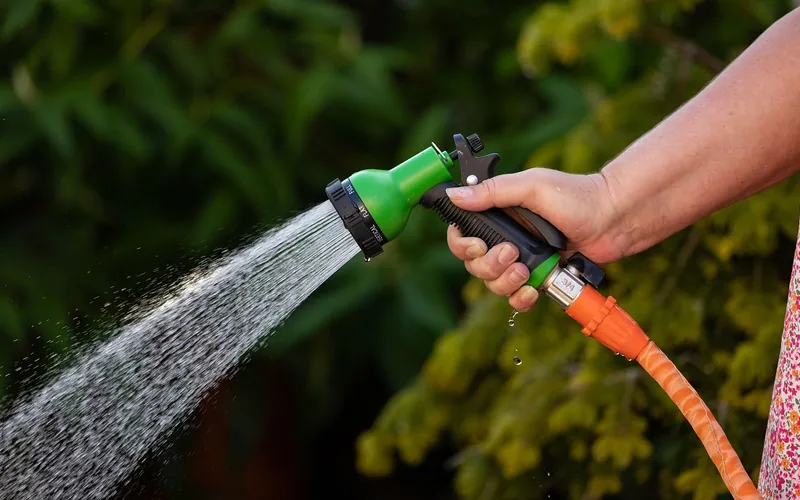
- Run the garden hose test: With the car dry inside, spray one section at a time — roof, then each door, then the windshield — with a low-pressure hose while someone watches from inside for the first sign of water.
- Clear the sunroof and cabin air filter drains: Flush both drains with water and clear any clog with a soft wire or pipe cleaner so condensate and rainwater can flow out instead of backing up.
- Reseal or replace damaged seals: Remove any cracked door, window, or windshield seal, clean the surface, and install a new rubber gasket or a bead of silicone sealant.
- Patch floor pan and body drain holes: Clean off rust, then cover any hole or missing drain plug in the floor pan with a car-specific waterproof sealant or epoxy putty.
- Dry the interior within 24-48 hours: Mop up standing water, pull back the carpet to check the padding underneath, then run a wet/dry vac and fans, or leave moisture absorbers in the car, until it’s completely dry.
How to Find Where Water Is Getting Into Your Car (Garden Hose Test)
Do not assume the wet spot is the leak source — water often travels along a panel or under the carpet before it pools, sometimes ending up far from where it actually got in. The most reliable way to trace it is a controlled garden hose test: with the interior dry, have someone sit inside while you spray a low-pressure stream over one section at a time, starting at the roof and working down each side, then the windshield and door edges last.
Smell is another clue worth checking once you’ve mopped up the pooling water. As Haynes Manuals puts it when walking through this exact diagnosis: “What does the liquid that’s pooling up smell like? Does it smell like washer fluid? If so, it could be a case that the washer line popped off somewhere.” A sweet smell can point to coolant, and an oily one to a hydraulic line — not every puddle inside a car is rainwater or AC condensate.
Essential Tools And Materials
To fix a water leak, a few basic tools cover most jobs. A wrench set helps with bolts and trim clips, flathead and Phillips screwdrivers and pliers handle most fasteners, and a flashlight lets you see into the dark corners where leaks hide. Keep a clean cloth on hand for wiping surfaces dry before you seal anything — sealant and adhesive won’t bond to a damp surface.
For the repair itself, silicone sealant is the most versatile choice for gaps and small holes, rubber gaskets replace worn door and window seals, waterproof tape works for a quick temporary fix, and epoxy putty patches rusted-through floor pan holes. Once the leak is fixed, a wet/dry vacuum and a few moisture absorbers make the difference between drying the interior out in a day and leaving it damp long enough to mold.
Best Wet/Dry Vacuum Pick
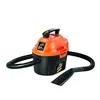
Armor All AA255 2.5-Gallon Wet/Dry Utility Shop Vacuum
A compact wet/dry vac built to pull standing water out of carpet and padding right after you find and seal a leak.
- Best for: Pulling standing water out of soaked floor mats and carpet padding
- Why we picked it: Small enough to store in a trunk, rated for wet pickup unlike a normal shop vac
- Main drawback: 2.5-gallon tank means emptying it a few times on a badly soaked interior
Compare more ways to dry out a leaked car interior
 Option 1 Griot’s Garage Reusable Desiccant Bag (500g)
|
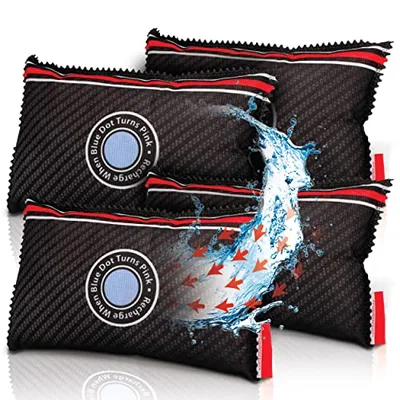 Option 2 Zarpax Reusable Car Dehumidifier Bag Rechargeable Moisture Absorber 4 Pack
|
 Option 3 DampRid Disposable Moisture Absorber (3-Pack)
|
As an Amazon Associate we earn from qualifying purchases.
Inspecting The Sunroof
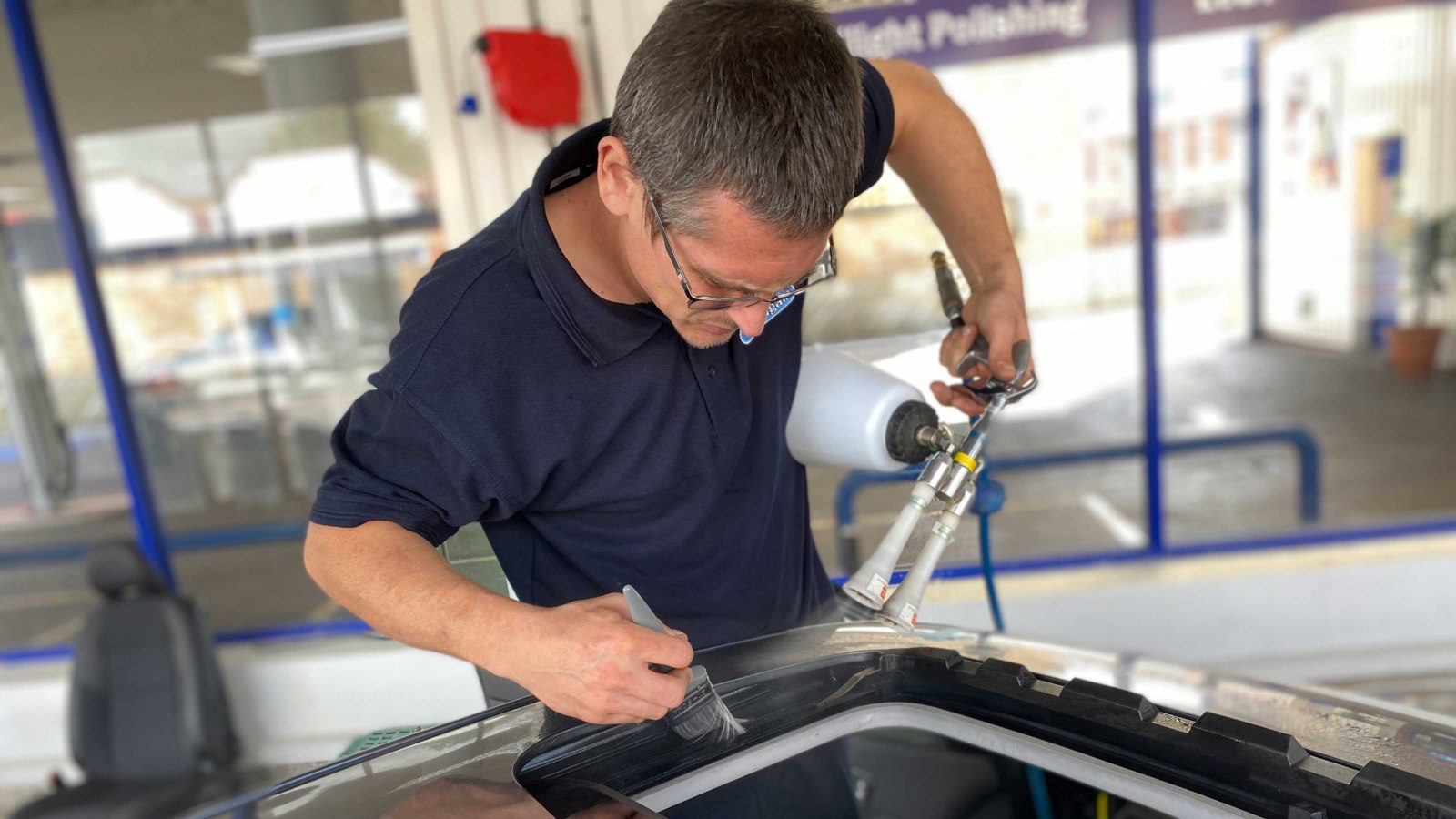
Sunroof drains carry water away through small tubes at each corner. These drains clog with leaves and dirt over time. Use a soft brush to clean the drain openings, then pour a little water in to test whether it flows freely. If the water doesn’t drain, the tube is blocked — a small wire or pipe cleaner, worked in gently, usually clears it.
The rubber seal around the sunroof itself can also wear out and let water in. Check it for cracks or looseness. A damaged seal needs replacing — you can clean and dry the channel before installing a new one, then press the replacement firmly into place so it seats evenly all the way around.
The Cabin Air Filter Drain: A Commonly Overlooked Leak Source
When your AC cools cabin air, it also pulls moisture out of it, and that condensation collects on the evaporator coil and drips into a small drain pan and tube designed to carry it out from under the car. Leaves, pollen, and cabin air filter debris build up in that drain over months and eventually form a sludgy clog. Once it’s blocked, the water has nowhere to go but back up into the AC housing — and from there it leaks onto the front passenger floor or drips from the dashboard.
A badly clogged cabin air filter makes this worse: air can’t move past it properly, the evaporator coil can drop below freezing, and when it thaws, more water rushes through the system at once than the drain can handle. Replacing the cabin air filter every 12,000 to 15,000 miles — or sooner if your owner’s manual says so — is the simplest way to prevent this. If water only ever shows up with the AC running, this drain is the first thing to check, not the door seals.
Assessing Door Seals
Assessing the door seals is one of the first checks for a rain-only leak. Damaged seals let water seep in around the door frame. Inspect each one for cracks or gaps to confirm it still forms a watertight fit — regular checks here prevent a small crack from turning into a soaked floor.
Examining Door Gaskets
Door gaskets keep water out along the entire door frame. Check for cracks and signs of wear. A healthy gasket feels soft and flexible; a hard, brittle one has likely lost its seal. Run your fingers along the edges — water can seep through gaps too small to see — and use a flashlight to catch hidden damage. Press gently on the gasket; it should bounce back easily. A bent or torn section needs attention now, not later.
Replacing Worn Seals
Remove the old seal carefully and clean the channel before fitting a new one. Choose a replacement that matches the original profile exactly. Use adhesive made for automotive rubber to hold it firmly in place, and make sure the edges sit smooth and even all the way around. Test with water once it’s installed to confirm there’s no more seepage, and replace any other worn seals you find at the same time.
Examining The Windshield
Check the windshield edges carefully for gaps or cracks in the seal — these let water track down behind the dash. A flashlight helps spot gaps that dust has hidden, and running your fingers along the edge can reveal air (and water) getting through even where you can’t see a visible crack. Mark any spot you find so you don’t lose track of it.
Start with a clean, dry surface — sealant won’t bond to a damp or dusty edge. Apply a windshield-specific sealant to the gap, spreading it evenly with a small brush, and let it cure fully before the car sees rain again. Recheck after the next rainfall to confirm the seal is holding.
Checking The Trunk
Water leaks in the trunk can go unnoticed longer than an interior leak. Check the trunk carpet for dampness or puddles, using a flashlight if needed, and inspect the rubber seal around the trunk lid for cracks or looseness — pay particular attention to the corners, where water most often finds a way in.
A damaged trunk seal should be replaced with a rubber seal that matches the original fit. Clean off old adhesive and debris first, then press the new seal firmly into place so it bonds evenly. Test it by pouring water along the seam and checking that none gets through — a quick check now can prevent a much bigger repair later.
Repairing The Floor Pan
Wet carpet with no obvious seal problem often points to the floor pan itself. Check under the mats for water, and look for rust or tiny holes with a flashlight — water stains on the underside of the carpet are another giveaway. Floor pan leaks can also come from a missing or dislodged body drain plug (the rubber stoppers built into the floor from the factory) or a cracked seam sealer joint, not just a hole from rust. Mark the exact spot once you find it.
Clean off any rust and dirt with a wire brush, then cover the hole with a waterproof, car-specific sealant or epoxy putty, spreading it evenly and letting it cure for a few hours. If a drain plug is missing rather than rusted through, replace it with the correct-size rubber plug instead of sealing over the hole permanently. Recheck with water after the repair to confirm it’s actually fixed.
How to Dry Out a Wet Car Interior (and Stop Mold Before It Starts)
Fixing the leak itself is only half the job — a car’s cabin is small, sealed, and holds heat and humidity far more than a room in a house, so damp carpet dries slower than you’d expect and mold risk climbs fast.
📊 If wet materials are dried within 24 to 48 hours of getting wet, mold generally will not grow — after that window, the odds of colonization rise sharply. — Source: EPA, A Brief Guide to Mold, Moisture and Your Home
- Mop up standing water first with old towels or a wet/dry shop vac — don’t wait for it to air-dry on its own.
- Lift the carpet edges and check the foam padding underneath, since water travels under the surface and soaks the padding even when the carpet itself looks dry.
- Run fans or a dehumidifier with the windows cracked, and point them at the wettest spot rather than just leaving the car closed up.
- Leave moisture absorbers in the car for a few days after the repair to catch any lingering humidity in the padding and headliner.
- Watch for a musty smell over the following week — it’s the clearest early sign that mold has already started, even if the carpet feels dry on the surface.
Preventing Future Leaks
Fixing a water leak involves checking seals and clearing drains, but regular maintenance is what actually keeps it from coming back. Catching a problem area early saves both time and money compared to discovering it after a rainstorm has already soaked the carpet.
Regular Maintenance Tips
Check your car for leaks once a month, and look under the car for water spots after it rains. Tighten any loose bolts or screws, and replace worn-out seals or gaskets before they fail completely. Inspect the sunroof and windows for cracks, and clean debris out of drains and gutters so they keep flowing.
Best Practices For Car Care
Park in a garage when you can, or use a car cover to keep rain off. Avoid driving through deep standing water, since it can push water past seals that would otherwise hold up fine in normal rain. Keep an eye on the dashboard for any warning light that shows up after a rainy drive — it can be the first sign that water reached something electrical.
Frequently Asked Questions
How much does it cost to fix a water leak in a car?
Fixing a water leak in a car typically costs between $150 and $1,000 at a shop, depending on the leak’s location and severity. DIY fixes are far cheaper — silicone sealant, a rubber gasket, or waterproof tape usually run $10 to $50. Complex issues like a rusted floor pan or a dashboard-level evaporator repair cost more. Always get a mechanic’s estimate before paying for major work.
How do I stop a water leak in my car?
Identify the leak source — commonly a door, window, or sunroof seal, or a clogged drain — then seal it with silicone sealant or replace the damaged seal or gasket. Clear any blocked sunroof or cabin air filter drains with a soft wire so water can flow out instead of backing up, and recheck after it rains or after running the AC.
How do I find where my car is leaking water?
Note whether the leak happens after rain, after running the AC, or both, since that narrows the source fast. Run a garden hose over one section at a time — roof, doors, then windshield — while someone watches from inside for the first drop. Check under the carpet, not just the surface, since water often travels before it pools.
Why is my car leaking water inside when it rains?
Rain-only leaks almost always come from a cracked or worn door, window, sunroof, or windshield seal, or a clogged sunroof drain that lets water back up into the headliner instead of draining away. Inspect each seal for cracks or flattening and clear the sunroof drain channels with a soft brush or wire.
Why does my car leak water only when the AC is on?
Water that appears only when the AC is running points to a clogged evaporator or cabin air filter drain, not a seal problem. The AC dehumidifies cabin air, and that condensate is supposed to drain outside through a small tube; when it’s blocked by debris, the water backs up and drips from the dashboard or floor instead. Flushing the drain line or replacing a badly clogged cabin air filter usually solves it.
How long can wet carpet sit in a car before it molds?
According to the EPA, materials generally won’t develop mold if they’re dried within 24 to 48 hours of getting wet. A car’s small, sealed cabin traps heat and humidity, so that window can close even faster in warm weather. Mop up standing water immediately, lift the carpet to check the padding, and run fans or a wet/dry vac until everything is fully dry.
Conclusion
Fixing a water leak in your car is worth doing properly the first time — it prevents both costly repairs down the line and the mold and rust that come from letting it sit. Start by narrowing down when the leak happens, trace the exact source with a hose test if needed, then reseal or clear whatever’s letting water in. Dry the interior out completely, and don’t skip the padding underneath the carpet.
Regular maintenance — checking seals and drains before rainy season, not after — is what keeps a leak from coming back. For a related read, see whether water dripping from under your car is actually normal AC condensate, or use our guide to tell what fluid is leaking from your car if you’re not sure the puddle is even water.
Products related to this article
Sponsored / affiliate links. As an Amazon Associate I earn from qualifying purchases. I may earn additional commission from eligible campaigns.