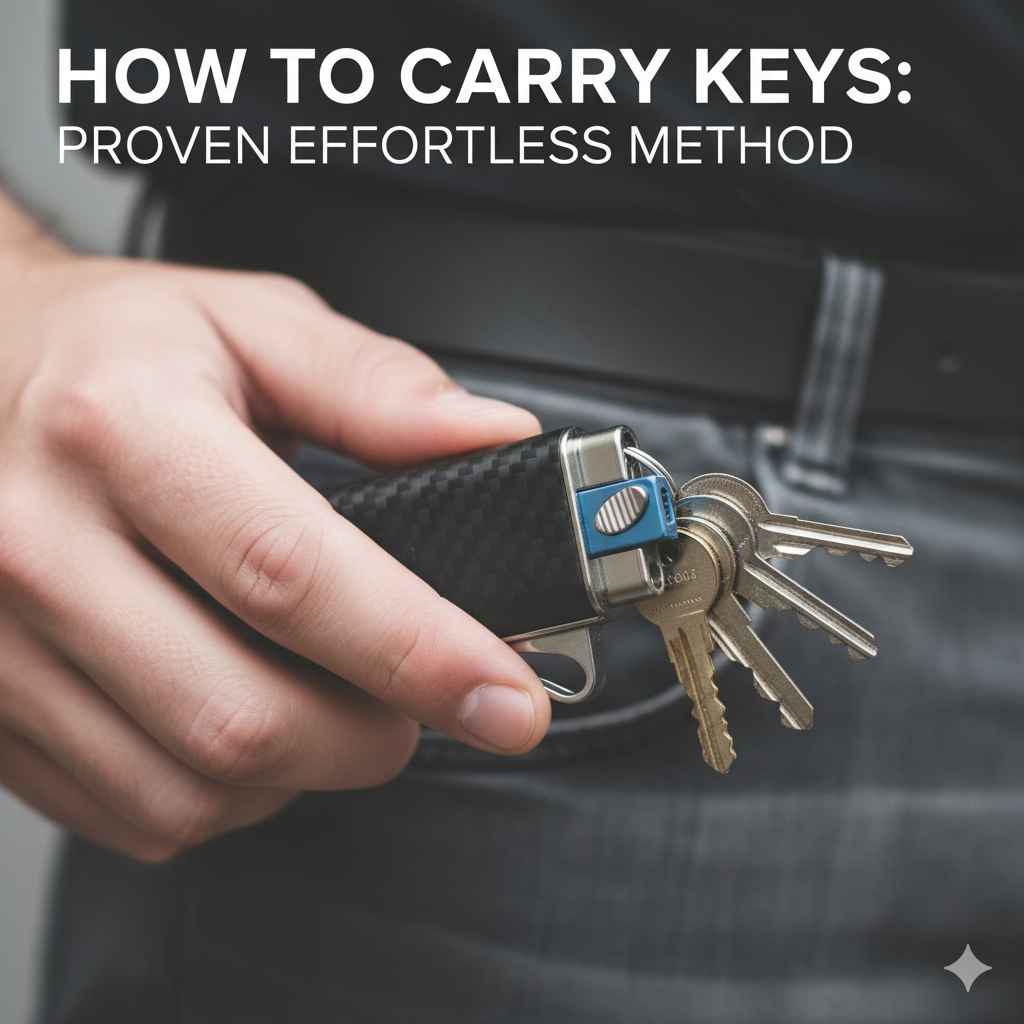
How To Carry Keys: Proven Effortless Method
Effortlessly carry your keys using secure, comfortable methods like a dedicated key organizer, a sturdy keychain clip, or a well-placed pocket. Choose a system that fits your lifestyle to avoid fumbling or losing them.
Ever found yourself digging through your bag or pockets, feeling that familiar panic as your keys seem to vanish into thin air? It’s a small frustration, but a common one that can make leaving the house or getting inside a mini-adventure you don’t need. We’ve all been there, patting down our clothes, dumping out the contents of a purse, or searching the car’s console for those essential bits of metal. But what if carrying your keys could be as simple and stress-free as walking out the door? This guide is here to show you exactly how to do that, with proven, easy methods that work for everyone. Say goodbye to key-chaos and hello to effortless key-carrying!
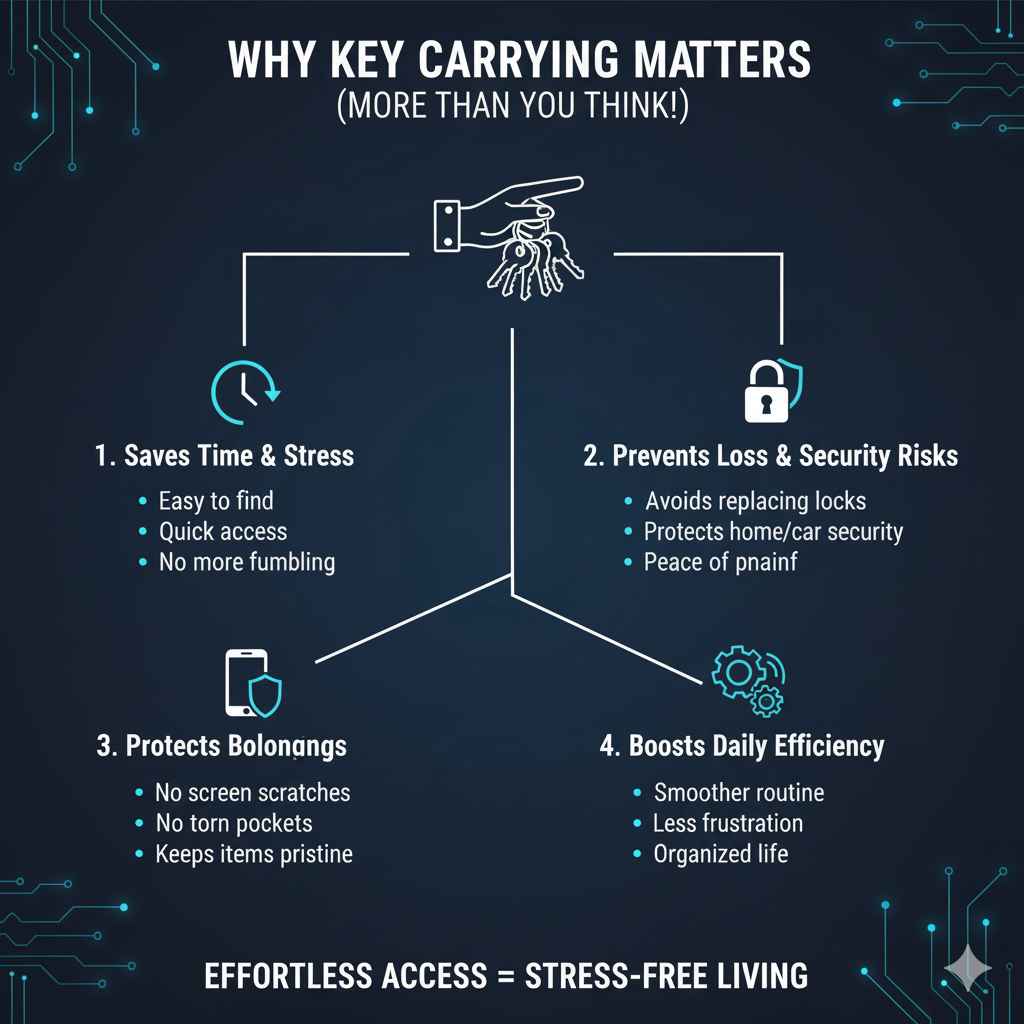
Why Key Carrying Matters (More Than You Think!)
It might seem like a trivial thing, but how you carry your keys can have a surprising impact on your day. When your keys are organized, they’re easy to find. This saves you precious time, especially when you’re in a hurry. More importantly, it prevents the stress and potential security risks of losing your keys. Imagine the hassle of replacing locks or the worry of someone finding lost keys to your home or car. A good system also protects your other belongings. No more scratching up your phone screen or tearing holes in your pockets with sharp key teeth. We’ll explore simple solutions that keep your keys secure and your life a little smoother. Let’s make key-carrying an afterthought, not an ordeal!
The Top Effortless Methods for Carrying Keys
Finding the “perfect” way to carry keys really depends on your daily routine and personal preference. Some people need their keys instantly accessible, while others prefer them tucked away neatly. The good news is there’s no one-size-fits-all answer, and we can explore a few popular, proven methods that make life easier for just about anyone.
1. The Smart Key Organizer: Your Pocket’s Best Friend
Think of a key organizer as a multi-tool for your keys. It’s a sleek, often metal or durable plastic device that holds your keys in a neat, compact package, much like a Swiss Army knife. Your keys fold out from the organizer, making them easy to grab and use, and then neatly tuck away. This is a fantastic option if you carry multiple keys (house, car, office, mailbox) and want to eliminate that noisy jangle.
How it Works:
- You unscrew the organizer’s posts.
- Stack your keys onto the posts, ensuring they face the right direction.
- Re-screw the posts tightly.
- Your keys now fold in and out of the organizer like small blades.
Pros:
- Silences Jingle: No more annoying key noise when you walk.
- Reduces Bulk: Keeps keys flat and compact, fitting better in pockets.
- Protects Pockets: Prevents keys from tearing holes or scratching when in your pocket.
- Quick Access: Easily fold out the key you need.
- Stylish: Many organizers look quite sophisticated.
Cons:
- Initial Setup: Can take a few minutes to assemble your keys.
- Bulkier Than Single Key: While compact, it’s thicker than a single keyring.
- Cost: Can be more expensive than a simple keyring.
Where to Find Them: You can find excellent key organizers from brands like KeySmart, Orbitkey, and Munkey. They are widely available online through e-commerce sites and sometimes in specialty gadget or department stores.
2. The Carabiner Clip: Secure and Accessible
A carabiner is a metal loop with a spring-loaded gate, often seen in climbing. For key carrying, a small, sturdy carabiner made of aluminum or steel is perfect. You can loop your keyring through the carabiner, and then clip it to a belt loop, backpack strap, or the inside of a purse or bag. This keeps your keys attached and readily available, minimizing the chance of them slipping away.
How it Works:
- Attach your usual keyring with your keys to the carabiner’s gate.
- Open the carabiner’s gate and clip it securely to a suitable loop.
Pros:
- Super Secure: Hard to lose when clipped to your person or bag.
- Easy to Transfer: Can be quickly moved from one attachment point to another.
- Durable: Most carabiners are built to last.
- Quick Release: Easy to unclip when you need your keys.
Cons:
- Might Scratch Surfaces: Metal carabiners can potentially scratch delicate materials if not careful.
- Can Be Bulky: Depending on the size of the carabiner and keyring.
- Not Always Discreet: If clipped to your belt, it might be a tempting target.
Pro Tip: Look for carabiners with a locking mechanism for extra security, or consider ones with a smooth finish to reduce the risk of snagging or scratching.
3. The Zipper Pull & Dedicated Pouch: Hidden Security
For those who prefer their keys completely out of sight and secured, using a zipper pull on clothing or a small, dedicated pouch is a great method. Many jackets, backpacks, or internal bag pockets have zippers that can be augmented with a keychain loop or a small pouch. You can attach your keys to a zipper pull that’s already there or add a decorative one. Alternatively, a tiny pouch (like one for coins or earbuds) can house your keys, and then this pouch is attached or placed strategically.
How it Works:
- Zipper Pull: Attach your keys or a small decorative pull with your keys to a prominent zipper.
- Dedicated Pouch: Place your keyring inside a small pouch, then clip the pouch to an inner bag loop or secure pocket.
Pros:
- Maximum Security: Keys are hidden and less likely to be lost or stolen.
- Protects Other Items: Keeps keys from scratching other things in your bag or pocket.
- Neat Appearance: No dangling keys visible.
Cons:
- Less Convenient Access: Requires opening a zipper or bag to get to keys.
- Potential to Forget: Might forget where you stashed them, especially if the pouch is small and plain.
Where to Find Pouches: Many small accessory stores, craft shops, or even online retailers sell small zippered pouches suitable for this purpose. Look for ones with a loop for easy attachment.
4. The Classic Keyring in a Front Pocket: Simple and Familiar
Let’s not forget the tried-and-true! For many, the simplest solution is still the best: keeping keys on a keyring in a dedicated front pocket. The key here is the dedicated pocket. This means one pocket solely for your keys, preventing them from getting lost amongst other items or scratching your phone or wallet.
How it Works:
- Place your key ring into your front pants pocket.
- Ensure nothing else is in that pocket.
Pros:
- Extremely Simple: No extra gear needed.
- Easy to Access: You always know where they are.
- Feels Secure: The keys are close to your body.
Cons:
- Pocket Wear: Keys can cause wear and tear on pockets over time.
- Jingle Noise: Can be noisy.
- Potential for Holes: Sharp edges can eventually create small holes.
When This Works Best: This method is excellent for quick trips, people who typically wear pants with sturdy pockets, or when you’re wearing a jacket with a secure inner pocket.
5. The Lanyard: For Constant Availability
A lanyard is a cord or strap worn around the neck, wrist, or attached to clothing, with one or more keys attached to the end. This ensures your keys are always with you and very easy to grab. It’s particularly popular in environments where quick access is crucial, like certain workplaces or for individuals who travel frequently.
How it Works:
- Attach your keys to the end of the lanyard.
- Wear the lanyard conveniently – around your neck, on your wrist, or clipped to your belt.
Pros:
- Maximum Availability: Keys are always right there.
- Difficult to Lose: Almost impossible to misplace when worn.
- Good for Specific Jobs: Very practical for tradespeople or security personnel.
Cons:
- Can Be a Safety Hazard: Lanyards can potentially get caught on machinery or objects, posing a risk of strangulation or injury. Always be cautious.
- Looks Casual: Not always suitable for formal occasions.
- Can Be Annoying: The strap can get in the way for some people.
For Safety: Always look for lanyards with a breakaway feature. This is a safety mechanism designed to snap open if the lanyard is pulled sharply, preventing dangerous entanglement.
Choosing the Right Method for YOU: Factors to Consider
The best way to carry keys isn’t a one-size-fits-all situation. It’s about matching the method to your lifestyle and needs. Here’s a quick rundown to help you decide:
| Lifestyle Aspect | Best Methods Recommendation | Why |
|---|---|---|
| Carrying Multiple Keys | Key Organizer | Reduces jingle, consolidates bulk, and keeps them tidy. |
| Frequent Access Needed (e.g., work tools) | Carabiner Clip, Lanyard | Keeps keys easily accessible and attached to your person. |
| Discreetness & Security Wanted | Zipper Pull/Dedicated Pouch | Keeps keys hidden, less chance of loss or theft. Good for busy environments. |
| Minimalist Approach | Front Pocket (with caution), Small Key Organizer | Keeps it simple, minimal extra items. |
| Concerned About Pocket Damage | Key Organizer, Zipper Pull/Pouch | Prevents sharp keys from tearing or scratching fabric. |
| Active Lifestyle (Gym, Hiking) | Zipper Pull on athletic shorts/jacket, Secure Pouch in a running belt | Ensures keys stay put during movement and don’t bounce around. |
What About “Smart” Keys and Key Fobs?
Modern car keys often include integrated key fobs for remote locking, unlocking, and alarm systems. These can be bulkier than traditional keys. All the methods above work well with smart keys. Key organizers are particularly good at housing these fobs neatly alongside your physical keys, preventing them from taking up extra space or getting damaged. If you have a separate fob, you might clip it to the same keyring or use a separate attachment point if using a system like a carabiner.
For instance, if you have a primary car fob with a few house keys, a good key organizer can often house the fob itself or you can attach the fob to a small secondary loop often included on organizers. This keeps everything consolidated. Avoid attaching your car fob to a lanyard that dangles freely, as this could subject it to unnecessary wear and tear or even damage its internal electronics from repeated impacts.
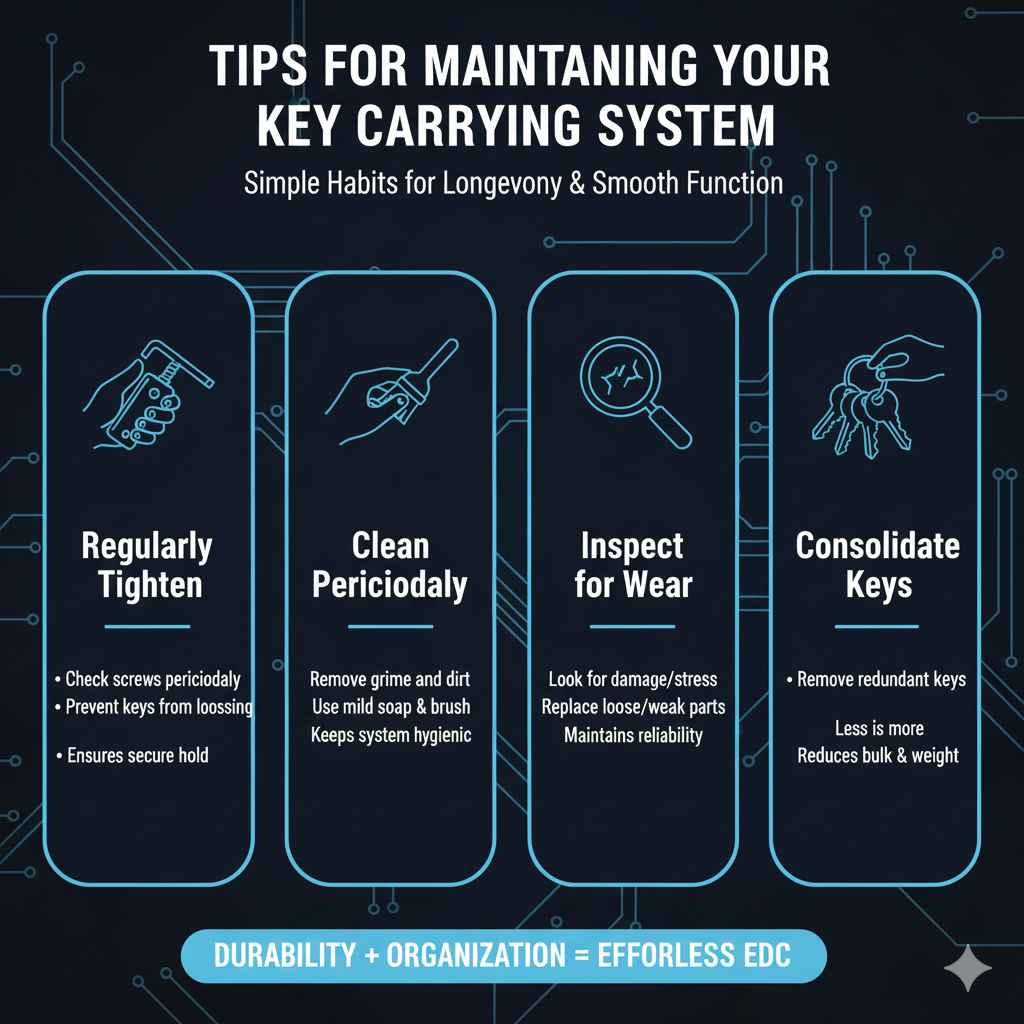
Tips for Maintaining Your Key Carrying System
Once you’ve chosen your preferred method, a few simple habits can ensure it continues to work effortlessly:
- Regularly Tighten: If using a key organizer, check the screws periodically to ensure your keys don’t loosen up.
- Clean Periodically: Especially if your keys are exposed to the elements or grime, give them a clean. A small brush and some mild soap can do wonders.
- Inspect for Wear: Check your keyring, carabiner, or organizer for any signs of significant wear and tear. Replace parts if they feel loose, weak, or damaged.
- Consolidate: If you have a lot of redundant keys (e.g., old apartment keys you no longer need), remove them. Less is more when it comes to key chains.
- Be Mindful of Damage: When using any method, try to prevent your keys from scratching other items you carry, like your phone screen or sunglasses.
For anyone looking for durable, reliable key organization solutions, checking out resources on organizations and EDC (Everyday Carry) gear can offer more inspiration. Websites that focus on practical tools and accessories often have great reviews and product comparisons. For example, looking at how different materials hold up over time can be insightful. Many product review sites also offer detailed comparisons that help in making informed choices about durability and functionality.
Frequently Asked Questions About Carrying Keys
Q1: My keys make a lot of noise. How can I stop this?
Answer: The best solution for noisy keys is a key organizer. These devices hold your keys tightly in a compact manner, eliminating the jingle altogether. Alternatively, you can buy rubber key covers that go over each key, or add a small rubber fob or piece of paracord to your keyring to help dampen the sound.
Q2: I’m worried about losing my keys. What’s the most secure method?
Answer: For maximum security, using a carabiner to clip your keys to your belt loop or the inside of a secure bag is very effective. A dedicated pouch that you keep in an inside jacket pocket or secure compartment is also excellent for preventing accidental loss or theft.
Q3: I only carry one or two keys. Do I still need a special way to carry them?
Answer: Even one or two keys can be lost if not carried thoughtfully! Using a simple keyring and placing them in a dedicated front pocket is a good, no-fuss method. Alternatively, attach a small, stylish fob or charm to your keyring to make it more visible and less likely to be overlooked.
Q4: How do I keep my car key fob from getting damaged?
Answer: Car key fobs are often sensitive. Avoid carrying them loose in a pocket with other metal items like coins, which can scratch them. A key organizer is great for housing fobs securely. Alternatively, you can purchase a protective silicone or leather case for your fob.
Q5: What’s the best way to carry keys when I go for a run or to the gym?
Answer: When exercising, you want keys that stay put and don’t bounce around. Attaching them to a zipper pull on athletic shorts or a jacket is ideal. A small running belt with a secure zippered pocket is also a fantastic option for carrying keys, a phone, and other essentials without them being a nuisance.
Q6: What is a “key organizer” and how is it different from a keyring?
Answer: A keyring is a simple metal ring that holds keys loosely together. A key organizer is a gadget, often made of metal or durable plastic, that holds your keys in a neat, compact package, similar to a pocket knife. Keys fold out from the organizer, reducing jingle and bulk.
Q7: Are cheap key organizers as good as the expensive ones?
Answer: While there are budget-friendly options, quality can vary. More expensive organizers often use better materials (like stainless steel or aircraft-grade aluminum) for durability and often have smoother folding mechanisms. For a system you’ll use daily, investing a little more can lead to a longer-lasting and more user-friendly experience. Look for reviews that discuss build quality and ease of use.
Conclusion: Effortless Key Carrying is Within Reach
So there you have it! Carrying your keys doesn’t have to be a daily juggling act or a source of minor anxiety. By choosing a method that genuinely fits your lifestyle, whether it’s the sleek compactness of a key organizer, the secure reliability of a carabiner, the hidden convenience of a pouch, or the simple familiarity of a dedicated pocket, you can reclaim a little piece of your peace of mind. Remember, the goal is effortless access, security, and a little less clutter in your life.