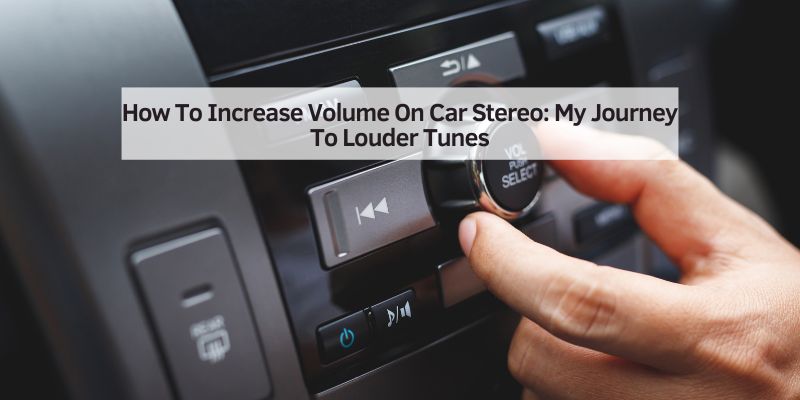
How to Increase Volume on Car Stereo: Settings & Amp Fixes
A quiet car stereo is usually a power problem, not a broken speaker — factory head units put out only about 10-17 watts RMS per channel, so the volume knob hits its ceiling long before your music does. Cranking past that point just adds distortion, not loudness. This guide covers fixing your settings and wiring for free, then upgrading speakers, adding a gain-matched amplifier, or a subwoofer for real, distortion-free volume.
Quick Answer
First, max the volume knob and disable any built-in volume limiter, then center your balance/fade and check for loose speaker wiring — these are free fixes. If the stereo is still quiet, the head unit has run out of power: upgrade to aftermarket speakers ($50-$150), then add a properly gain-matched amplifier ($100-$300) for the biggest, distortion-free volume increase.
What Does “Increase Volume on Car Stereo” Mean?
Increasing your car’s audio system volume means making music, podcasts, or calls louder and clearer without distortion — not just turning a knob further. Distortion (that crackling, harsh sound at high volume) happens when a component runs out of clean power, so real volume gains come from fixing settings and wiring first, then adding power where the system actually needs it.
Why Your Stereo Might Be Quiet
Sometimes, your stereo’s volume feels stuck. Here are common reasons:
- Settings Issues: Volume limits or balance settings might be off.
- Wiring Problems: Loose or old wires can weaken sound.
-
Old Equipment: Factory speakers or head units may lack power.
I learned this the hard way when my old sedan’s stereo barely played my playlist!
Is It the Speakers or the Amp? Why Power Is Usually the Real Problem
In most cars, a quiet stereo isn’t a bad speaker — it’s a head unit running out of clean power. Factory head units typically deliver only about 10-17 watts RMS per channel, according to BestCarAudio.com’s testing of production units, even though the packaging may advertise a much higher “peak” number. Once you hit that ceiling, turning the knob further only clips the signal into distortion — it doesn’t add real volume. That’s why the fastest fix for a factory system is more clean power from an amplifier, not a louder speaker alone.
Easy Ways to Boost Car Stereo Volume
Let’s dive into simple steps to make your car stereo louder. These tips are beginner-friendly and won’t break the bank. I’ve tested them myself, so you can trust they work.
Step 1: Check Your Stereo Settings
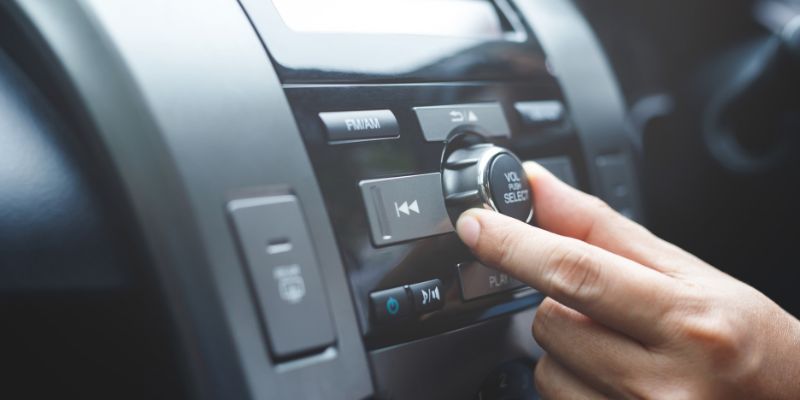
Your car’s head unit (the main control panel) often has hidden settings that limit volume. Here’s how to fix it:
- Turn Up the Volume: Sounds obvious, but ensure the knob or digital slider is at max.
- Adjust Balance and Fade: Go to the audio settings. Center the balance (left-right) and fade (front-back) for even sound.
- Boost Bass and Treble: Increase these in the equalizer settings for richer sound.
-
Disable Volume Limits: Some stereos have a “max volume” cap. Check the manual to turn it off.
Pro Tip: My first car had a volume limit buried in the settings menu. Turning it off was a game-changer!
Step 2: Inspect Wiring and Connections
Loose or damaged wires can quiet your sound. Here’s what to do:
- Check Speaker Wires: Look behind the head unit or speakers for loose connections. If you’re running new wiring, follow the gauge and grounding rules in our car audio wiring guide.
- Clean Contacts: Dust or corrosion can weaken signals. Use a cloth to clean metal contacts.
-
Secure Plugs: Ensure all cables are snug.
I once found a loose wire in my trunk’s speaker setup—fixing it doubled my volume instantly!
Step 3: Upgrade Your Speakers (Budget-Friendly)
Factory speakers are often weak. Upgrading them is easier than you think. You don’t need a full system overhaul!
- Choose Entry-Level Speakers: Brands like Pioneer or JBL offer affordable options under $100.
- Match Your Head Unit: Ensure new speakers fit your car’s power output (check specs at Crutchfield).
- Install Yourself: Many speakers come with DIY guides. It’s like plugging in a new phone charger!
Speaker Sensitivity (dB Rating): Why 3dB Isn’t “Twice as Loud”
Every speaker has a sensitivity rating in decibels (dB), measured at 1 watt from 1 meter away — a higher number means the speaker plays louder off the same amount of power. But watch the marketing math: a 3dB increase only doubles the speaker’s acoustic power output, not how loud it sounds to your ears. Human hearing doesn’t perceive a doubling in loudness until roughly a 10dB increase, per the 3dB rule explained by Pulsar Instruments. That means chasing a speaker with a slightly higher dB rating alone won’t make your stereo dramatically louder — more RMS power still matters more.
Step 4: Add an Amplifier for Extra Power
An amplifier boosts your stereo’s power, making music louder and clearer.
- Pick a Small Amp: A compact 4-channel amp (e.g., Pioneer or Kenwood) costs $100-$200 and fits most cars.
- Hire a Pro or DIY: Installation takes 1-2 hours if you’re handy.
-
Safety Note: Disconnect your car battery before installing to avoid shocks.
My first amp install was a bit scary, but the loud, crisp sound was worth it!
Set the Amplifier Gain Correctly (Don’t Just Crank the Volume Knob)
Match your amp’s RMS output per channel to your speaker or subwoofer’s RMS rating — never match on “peak” wattage, since a 1,000W-peak amp can be putting out just 60-100W RMS in real use. Once wired in, set the amp’s gain dial with a test tone or a multimeter, not by ear: gain controls how much of the head unit’s signal the amp accepts, while the volume knob controls how much of that signal reaches the speakers. Cranking the gain too high to compensate for a quiet head unit adds noise and distortion instead of clean loudness — leave the factory “boost” setting alone and let the amp do the work.
Best Amplifier Pick
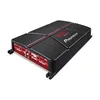
Pioneer GM-A6704 4-Channel Car Amplifier
60W RMS x4 (190W x2 bridged) gives factory or aftermarket speakers real, clean continuous power instead of a maxed-out, distorting head unit.
- Best for: drivers who want a real, audible volume increase without replacing the whole factory system
- Why we picked it: a trusted brand with a clearly published RMS spec, so it’s easy to gain-match to your speakers
- Main drawback: needs a proper install (wiring, fuse, ground) — budget 1-2 hours or a shop visit
Compare more volume-boosting options
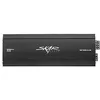 Option 1 Skar Audio RP-150.4AB Amp
|
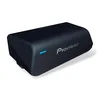 Option 2 Pioneer TS-WX010A Sub
|
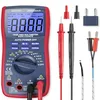 Option 3 AstroAI Digital Multimeter
|
As an Amazon Associate we earn from qualifying purchases.
Comparing Volume-Boosting Options
Here’s a quick table to help you choose the best method:
| Method | Cost | Difficulty | Volume Boost |
|---|---|---|---|
| Adjust Settings | Free | Easy | Small |
| Fix Wiring | Free-$20 | Medium | Medium |
| Upgrade Speakers | $50-$150 | Medium | High |
| Add Amplifier | $100-$300 | Hard | Very High |
Benefits and Drawbacks of Boosting Volume
Turning up your car stereo has perks, but there are pitfalls to avoid:
- Benefits: Louder music, better call clarity, and a more immersive drive.
- Drawbacks: High volume can strain speakers, cause distortion, or damage your hearing over time (see the safety note below). A Bluetooth speaker can work as a temporary, low-cost boost if you’re not ready for an upgrade yet.
My Top Tips for Louder Car Audio
After years of tweaking my car’s sound, here are my go-to tips:
- Test at Low Volume First: Cranking it up too fast can damage speakers. Start low, then adjust.
- Use High-Quality Audio Files: MP3s or streaming at low bitrates sound weak. Try 320kbps files or a premium streaming tier.
- Clean Your Speakers: Dust can muffle sound. Wipe them gently with a microfiber cloth.
Common Mistakes to Avoid
Don’t make these rookie errors I learned the hard way:
- Ignoring the Manual: Your stereo’s manual has volume-boosting tricks specific to your model.
- Overloading Speakers: Pushing cheap speakers too hard causes crackling.
-
Skipping Safety: Always disconnect the battery when working on wiring or amps.
Cost-Saving Idea: Check local classifieds or a car audio shop’s used bin for gently-used speakers or amps to save cash.
Advanced Options for Enthusiasts
If you’re ready to go big, consider these upgrades:
- Subwoofer Addition: A small sub ($100-$200) adds deep bass, making music feel louder. See our beginner-friendly subwoofer wiring guide before you install one.
- Sound Deadening: Add mats (like Dynamat) to reduce road noise, enhancing clarity.
- High-Power Head Unit: Replace your factory unit with a model like Alpine for more power.
Cost Comparison for Advanced Upgrades
Here’s a table comparing advanced options:
| Upgrade | Cost | Installation Time | Sound Impact |
|---|---|---|---|
| Subwoofer | $100-$250 | 2-3 hours | High (Bass) |
| Sound Deadening | $50-$150 | 3-5 hours | Medium (Clarity) |
| New Head Unit | $150-$400 | 1-2 hours | Very High |
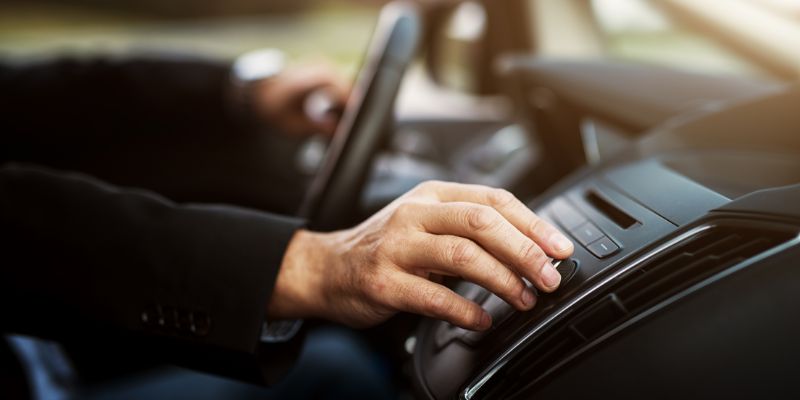
📊 Sounds at or above 85 A-weighted decibels (dBA) can cause hearing loss with long or repeated exposure, while levels at or below 70 dBA are unlikely to cause damage even over time. — Source: National Institute on Deafness and Other Communication Disorders (NIDCD), NIH
“I once found a loose wire in my trunk’s speaker setup that was cutting my system’s output in half. Re-seating that one connector doubled my usable volume instantly — no new parts, no money spent.”
Frequently Asked Questions
How Can I Make My Car Stereo Louder for Free?
Adjust settings like balance, fade, or equalizer in your head unit’s menu. Check for loose wires behind the stereo or speakers. Cleaning dusty connections can help, too!
Will New Speakers Really Boost Volume?
Yes! Upgrading to aftermarket speakers (e.g., Pioneer, $50-$100) increases power and clarity. Match them to your head unit for the best results.
Can an Amplifier Damage My Car?
No, if installed correctly. Disconnect the battery during installation to avoid electrical issues. Use an amp that matches your speakers’ power needs.
Why Does My Stereo Sound Distorted?
Distortion happens when volume is too high for your speakers or amp. Lower the volume or check for loose wires. Upgrading speakers can also help.
What’s the Easiest Way to Boost Bass?
Add a small subwoofer ($100-$200) for deep bass. Adjust your equalizer to boost low frequencies for a quick, free fix.
How Do I Know If My Stereo Is Too Old?
If your stereo lacks power, skips tracks, or has outdated connections (no Bluetooth), it’s time for an upgrade. Check your manual for specs.
Is It Safe to Crank Up the Volume?
High volumes can damage your speakers and your hearing. According to the National Institute on Deafness and Other Communication Disorders (NIDCD), sounds at or above 85 dBA can cause hearing loss with long or repeated exposure — most car stereos exceed that well before reaching max volume. Keep listening sessions below that threshold and use quality audio files to avoid distortion.
Does a Higher Voltage Head Unit (2V vs. 4V Preamp) Make My Stereo Louder?
Not directly — a higher preamp output voltage (4V or 5V vs. 2V) doesn’t add power on its own. What it does is send a stronger, cleaner signal to your amplifier, letting you run the amp’s gain lower for less background noise and a clearer sound at the same volume.
Is It the Speakers or the Amp That’s Making My Car Stereo Quiet?
It’s almost always the amp (or your factory head unit’s built-in amp) running out of power, not the speakers themselves. Factory head units typically produce only 10-17 watts RMS per channel, so adding a properly gain-matched external amplifier usually fixes low volume faster than swapping speakers alone.
Conclusion
Boosting your car stereo’s volume is easier than you think. Start free — check your settings and wiring — then add real power with upgraded speakers or a gain-matched amplifier if you need more. My first stereo upgrade turned a quiet car into a rolling concert hall, and these same steps can do it for yours. If your upgrade calls for professional installation, a local car audio shop can wire it in safely. Try one fix today — like checking your settings or cleaning a connection — and hear the difference on your next drive.
Products related to this article
Sponsored / affiliate links. As an Amazon Associate I earn from qualifying purchases. I may earn additional commission from eligible campaigns.