How to Find Your Old Car Again Without Stress
It’s surprisingly common to lose track of a vehicle you once owned. Maybe you traded it in years ago, sold it to a friend, or perhaps it was a car from your childhood. Thinking about How to Find Your Old Car Again can seem like a huge job, but don’t worry! This guide breaks it down into easy steps, perfect even if you’re new to the process. We’ll explore the best ways to track down your car, step by step, so you can explore its current status. Get ready to start your search!
Beginning the Search for Your Old Car
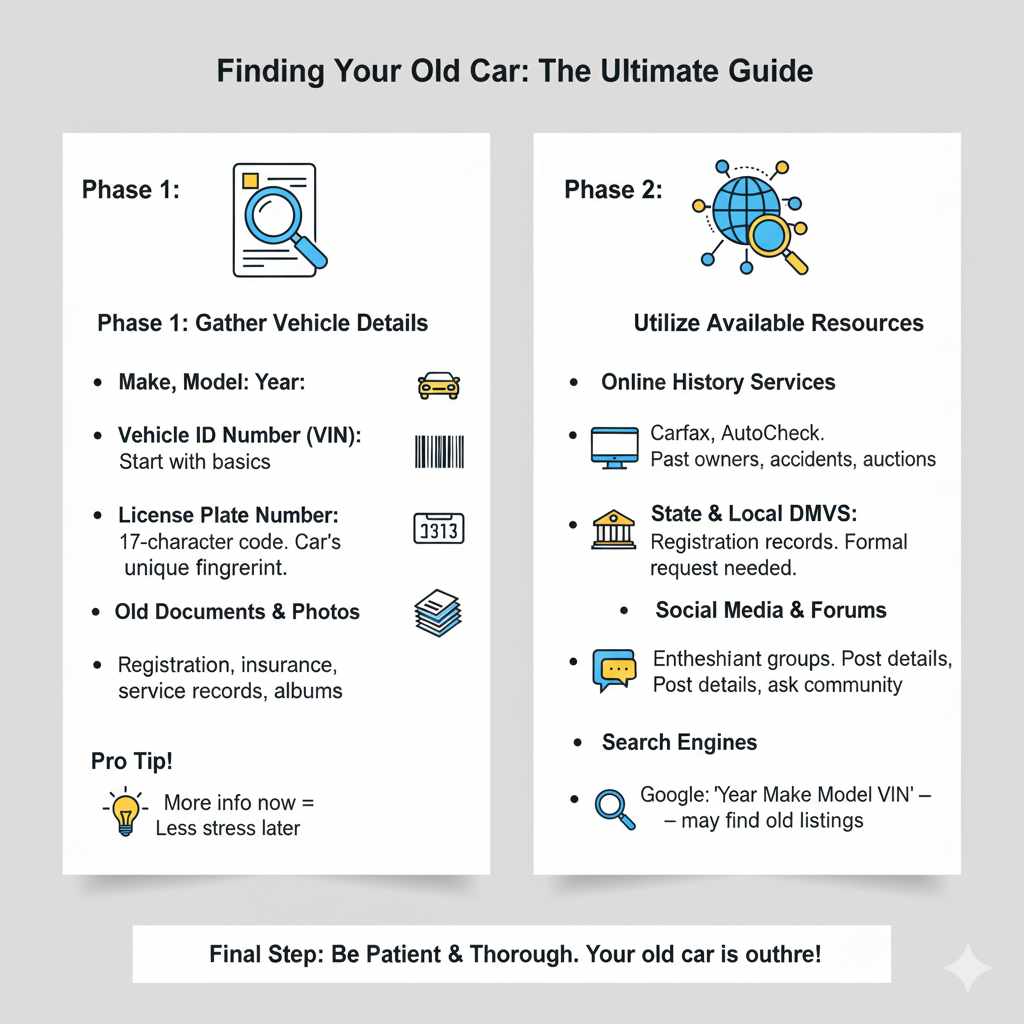
The first part of your search requires gathering some initial information. This includes details such as the vehicle’s make, model, year, and vehicle identification number (VIN). The VIN is especially valuable, as it uniquely identifies your car and can significantly simplify the process. Begin by reviewing any documents you have from when you owned the vehicle, such as registration papers, insurance policies, or maintenance records. These documents will hold the vital information. If you cannot locate any physical papers, don’t worry; there are still avenues you can explore. The more details you have at the beginning of the process, the smoother your path will be.
Gathering Vehicle Details
Start by collecting every piece of information possible. This might mean dusting off old photo albums or checking your memory. The more information you have from the start, the more efficient your search will be. If you recall the license plate number, that’s a bonus. It can immediately help you narrow down the search. Vehicle records can sometimes be obtained with the license plate number. If you have the car’s general location at the time you last owned it, it might give you a direction to search. Every little bit of information helps.
- Make, Model, and Year: Knowing the car’s make (e.g., Ford), model (e.g., Mustang), and the year it was manufactured is the starting point. This information is available in any documentation you have. If you sold the vehicle, you might remember it.
- Vehicle Identification Number (VIN): The VIN is a 17-character code that is unique to each vehicle. It’s like a fingerprint for your car. It will reveal the car’s history, where it was built, and some details about its specifications. The VIN is often found on the dashboard or the driver’s side door frame.
- License Plate Number: If you have the license plate number, you’re off to a great start. It can often be used to track the vehicle’s current registration status and possibly its ownership. If you have access to old photos, this information might be available.
- Vehicle History Reports: You might obtain the vehicle history using the VIN. These reports often detail past owners, accidents, and any major repairs. Websites like Carfax and AutoCheck offer these services. You might gain valuable insights into the car’s current condition and location.
A vehicle history report may also include data from auctions. If your car was ever sold at auction, the report may provide details of the sale. This information could include the auction’s name, the date of the auction, and the final selling price. This data might help you narrow the search based on the last known whereabouts.
Utilizing Available Resources
You may use online databases or explore governmental records. Government databases often have records of vehicle registrations. Local and state DMVs (Departments of Motor Vehicles) often keep this data. Some of these databases are publicly accessible, while others may require a formal request. You can check the websites of these agencies to see what information is available. Always check the privacy policies before accessing any information online. Many websites also allow for license plate searches, which can provide useful information such as the current owner’s name and address.
- Online Vehicle History Services: Websites like Carfax and AutoCheck offer vehicle history reports. These reports often contain information about previous owners, accidents, and maintenance. If your goal is to find your old car, these services can offer clues about its location and current condition.
- State and Local DMV Records: State DMVs are a valuable resource, as they keep records of vehicle registrations. You can submit a request for information. Be aware that the availability of information can vary.
- Social Media and Online Forums: Explore social media and online forums related to your car’s make and model. If your vehicle is rare, it could be possible that its owners or fans have created an online presence for it.
- Search Engines: Use search engines like Google to look for your car. You could search using the make, model, year, and any other unique characteristics. You might come across information about the car if it’s been listed for sale or discussed online.
Often, car enthusiasts and hobbyists maintain online forums. If the car has a cult following, then online forums might contain information about the vehicle. Other enthusiasts might know the car’s location or its current owner. These communities are often enthusiastic about cars and the history of those vehicles. This offers a way to reach out to other owners.
Exploring Search Methods to Find Your Old Car Again
Once you’ve compiled all the relevant information, it’s time to start searching. This might involve an online search, reaching out to past acquaintances, and possibly hiring a professional investigator. While some methods might be more effective than others, a combination of approaches is often the most productive. The method chosen depends on how much time you have and what information you’re willing to share. This step will require you to use some investigation skills and time. Be prepared for a bit of a challenge. The more you explore, the higher the chance of finding the car.
Online Searches and Public Records
Begin with online searches. Start with search engines such as Google and Bing. Use the make, model, year, and any distinctive features of the car. Many people post vehicle details online. The search results may lead you to classifieds, sales listings, or social media posts where the car is mentioned. Expand your search to include public records and databases. These might reveal registration information or past ownership details. It’s often necessary to check with local and state government agencies. These agencies may have registration records and other data about vehicles.
- Google Search: A basic Google search can turn up surprising results. Start with general terms. If you have the VIN, include it in your search. You can also include the make, model, and year.
- Social Media: Use social media platforms like Facebook, Instagram, and X (formerly Twitter). Search for groups related to your car’s make and model. You might find a discussion about your car or a post from the current owner.
- DMV and State Records: Submit a request to the DMV or the relevant agency to look up registration details. This is usually only possible if you can provide the VIN or license plate number.
- Online Classifieds: Check online classifieds like Craigslist and Facebook Marketplace. Set up alerts for the make, model, and year of your car so you receive a notification if a listing appears.
Often, car enthusiasts maintain online forums or social media groups. If your vehicle is rare, it might have a dedicated community. If you know that your car was distinctive, it might be possible to locate it using the details of its specific features. You may reach out to individuals who have the same vehicle and ask for help.
Contacting Previous Owners and Networks
If you have information about previous owners, it may be beneficial to reach out to them. They might be able to offer useful information, such as the car’s last known whereabouts or the name of the person they sold it to. Be respectful and straightforward in your communication. Be prepared to share your connection to the car and the reason for your search. In addition, you might use your network of friends, family, and acquaintances. If you have photographs, share them. Your network might have some relevant information. They might also be able to connect you with someone who knows about the car.
- Contact Previous Owners: If you know who you sold the car to, or if you can find their contact information through old records, reach out and ask them if they have any information on the car’s current status.
- Reach Out to Your Network: Tell friends and family about your search. They might have useful details or know someone who does. Share photos of the car to jog memories.
- Use Social Media: Post about your search on social media platforms. Ask your followers to share your post with their networks. You may reach someone who knows where the car is.
- Check Dealership Records: If you had your car serviced at a particular dealership, they might have records of past owners or service history. This might also provide information on its current owner.
If you’re using social media, remember to protect your personal information. Don’t include too many details in your posts. Only include information that is relevant to the car. Your privacy is critical. Never share your full address or phone number in any post. Always communicate safely with new contacts. Never share financial data or other sensitive information.
When to Consider Professional Help
Sometimes, your search may reach a dead end. If you are having difficulty, you might consider engaging a professional investigator. While this can involve additional expenses, it can prove to be a worthwhile investment. Professionals will often have access to a wider variety of databases and investigative techniques. Another option is to consult with a legal professional. An attorney specializing in vehicle law can guide you. They can offer advice on the laws that apply to your case. Before taking this step, evaluate the possible costs and benefits of professional help. It’s often a good choice, but it also has financial considerations.
Investigative Services
Private investigators can access information that is not available to the general public. They have experience in locating people and vehicles. They often have access to databases that provide information about vehicle registrations, ownership records, and other public data. These investigators can conduct surveillance. This involves following people or vehicles to gather information. However, be certain to select a licensed and reputable investigator with good reviews. Do your research. Also, be aware that these services come with costs. Obtain a written agreement, outlining the fees and the scope of work. Always make sure to get all information regarding the investigation.
- Private Investigators: Private investigators have access to databases and may be more familiar with investigative techniques. Be sure to select a reputable firm. They can often provide details about the car’s location and/or its current owner.
- Vehicle Recovery Services: Some companies specialize in vehicle recovery. If you believe your car might have been stolen or is being used illegally, these services can offer assistance. They often use GPS tracking.
- Legal Counsel: Consider consulting with a lawyer specializing in vehicle law. They can guide you on the legal process. They can explain your rights and obligations.
- Specialized Search Engines: Certain specialized search engines may be used. These can provide additional data. These engines provide information about specific data.
Private investigators may use techniques such as surveillance and database searches. They might have specific software. Be sure to check the investigator’s background and experience. In addition, obtain references from other customers. Be sure to confirm the investigator’s license. Before engaging an investigator, ask about their fees and payment options. Also, clearly state your expectations. This will help make sure that there are no disagreements about the services. Make sure the investigator provides regular updates.
Understanding Legal Considerations
Before you engage with professional investigators, it is critical to familiarize yourself with legal constraints. There are laws that protect personal information, such as the Driver’s Privacy Protection Act (DPPA). This act limits access to personal information obtained from state motor vehicle departments. Be careful to respect the privacy of current owners. If you are engaging in any tracking, ensure that it complies with the law. This is especially true if you plan to visit or contact the current owner. If you are uncertain about any of the legalities, obtain legal counsel. Consult a lawyer to ensure that your actions are in line with the law. Your lawyer can advise you about the DPPA.
- Privacy Laws: Be aware of privacy laws, such as the DPPA. These laws restrict access to personal information from state motor vehicle departments.
- Trespassing: Avoid trespassing on private property to find your car. If the car is on private property, you will need permission to access it.
- Stalking and Harassment: Do not engage in stalking or harassing the current owner of the vehicle. If you do, then you may face serious legal penalties.
- Data Protection: Be careful when using online resources. Always comply with any data protection policies. Always respect the privacy of the current vehicle owner.
Your lawyer can advise you about the legalities of the investigation. They can help you with understanding your rights. Always respect the current owner’s privacy. Do not engage in any activity that could be considered harassment. If there are any questions, then consult legal counsel before proceeding. Your attorney may advise you about how to proceed. It may be helpful to get a formal agreement from the other party. Always document your correspondence with the other party.
How to Find Your Old Car Again with Persistence
The quest to find your old car again often involves persistence and patience. There is no instant answer. Be prepared to dedicate time and energy to your search. Keep a detailed record of your efforts, as this will help you track your progress and avoid repeating steps. Even if you’re tempted to give up, remember that the chance of success may be low, but it is not zero. Be creative in your search and don’t be afraid to try different strategies. Also, remember to be kind to yourself. You are not alone in this search.
Tracking Your Progress and Staying Organized
Keep a clear record of your activities and results. This will make sure that you are not repeating steps and that you can readily share information with any professionals you might involve. Create a spreadsheet or a document to list every step. Include the date, the actions taken, and the outcome. This can include any search results. This will help you track what you did, who you contacted, and what you learned. This organized approach can help you when you are dealing with online searches. It is essential when communicating with government agencies. It is also important when hiring any professional services.
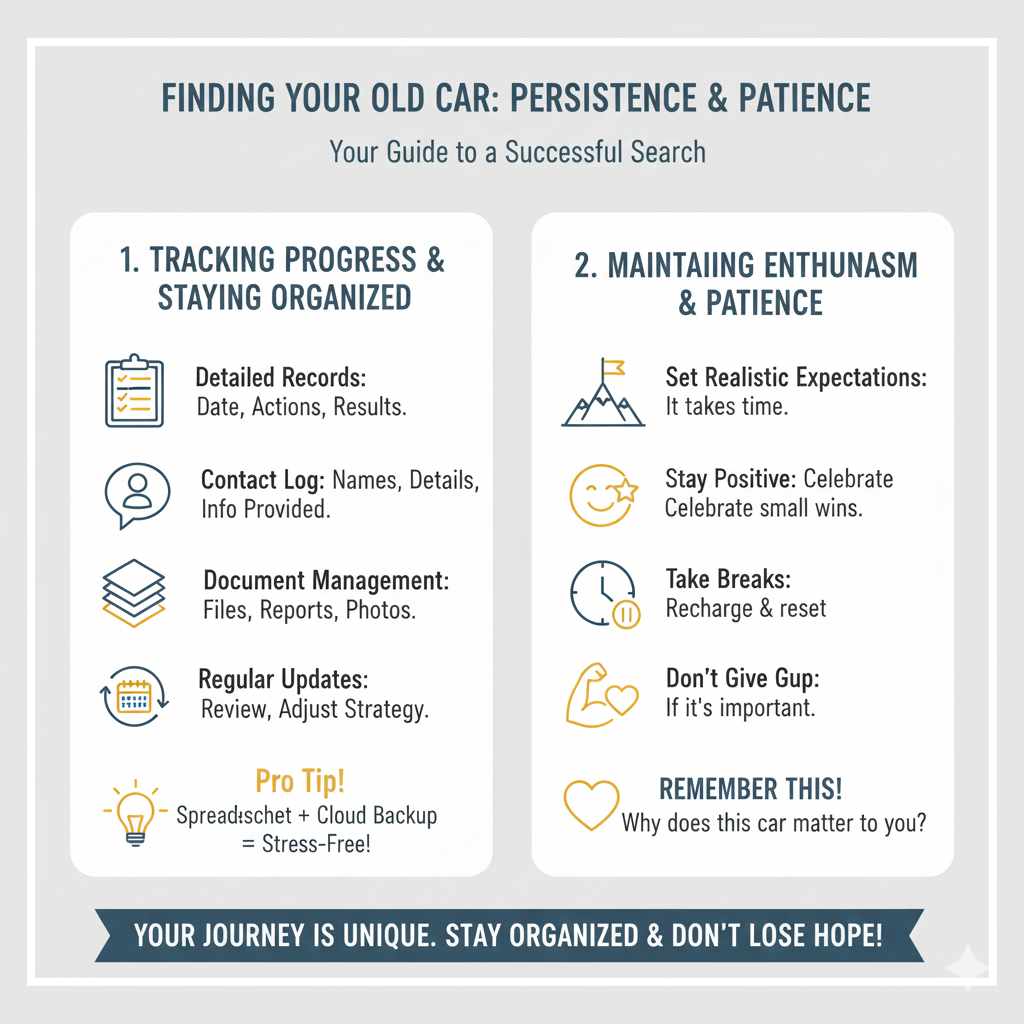
- Detailed Records: Keep detailed records of every step you take. This includes the date, actions, and results. These records may offer clues in the process of finding your car.
- Contact Log: Create a log of all individuals you contact. Include their names, contact details, and what information they provide. This helps avoid confusion.
- Document Management: Keep all documents related to the search organized. This might include vehicle history reports. Keeping documents in order will speed up the process.
- Regular Updates: Review your records on a regular basis. You might discover gaps. This organized approach often leads to success in the quest to find your car.
You can create a spreadsheet to track the information. Always make backup copies. Consider using a cloud-based storage service. In addition to a log, you may gather all related files. This includes photos, receipts, and any other relevant documentation. Make notes after each contact. Always be organized and organized in your search efforts. Keep your files. This also helps you maintain a sense of direction and prevents repeating steps.
Maintaining Enthusiasm and Patience
Finding your old car may be a time-consuming project. Set realistic expectations. Some searches can be over quickly, and some might require time. Understand that there may be frustrating moments. When these situations arise, always remember your reasons for wanting to find the vehicle. Think about what the car meant to you and why it is important to you. Reward yourself for milestones you achieve. For example, if you finish a step, treat yourself to a favorite activity. Stay optimistic. If one approach does not work, try a different tactic. Always take breaks. Step away from the search if you need to. Persistence and a good attitude are important in your search.
- Set Realistic Expectations: Understand that the search might take time and effort. There may be moments where you will not find the vehicle. You will gain experience along the way.
- Stay Positive: Try to keep a positive outlook. This is important to the process. Celebrate small achievements and be persistent.
- Take Breaks: If you are feeling overwhelmed, take a break from the search. This will give you time to recharge. It may provide a new viewpoint.
- Don’t Give Up: If the goal is truly important to you, continue. You will discover new avenues to explore. Do not allow yourself to give up if you believe you will find the vehicle.
Make sure to review your search progress from time to time. This allows you to evaluate your strategy. Determine if any adjustment is needed. If you feel discouraged, contact a friend. Sometimes, speaking with someone else can help provide encouragement. Do not give up the search for the car if it is important. Maintain your hope and keep trying.
Frequently Asked Questions
Question: Is it legal to search for my old car?
Answer: Yes, it is generally legal to search for your old car, but you must respect privacy laws. Make sure to abide by all the laws and regulations in your area.
Question: What if the car was sold out of state?
Answer: If the car was sold out of state, the search may involve contacting various state DMVs. You may need to obtain details such as the VIN or license plate number to find it.
Question: Can I track my old car using GPS?
Answer: Unless you have a specific tracking device on your car, you won’t be able to track it using GPS. Otherwise, you may have to follow other methods, such as online resources.
Question: Should I hire a private investigator?
Answer: Hiring a private investigator can be helpful if you’re struggling to find your car on your own. Private investigators can access various databases and also perform surveillance. However, it’s an additional expense.
Question: What if the car was stolen?
Answer: If you think your car was stolen, contact the police right away. You may be able to file a police report or check if your car has been recovered.
Final Thoughts
The process of finding an old car might seem complex, but by following a step-by-step approach, you increase your chances of success. Begin by gathering all available information about the vehicle, including the make, model, year, and VIN. Then, explore online resources, contact past acquaintances, and utilize professional services if necessary. It’s important to stay organized. Keep detailed records and maintain enthusiasm throughout your search. Remember, persistence is important, and even if it takes time, the thrill of locating a vehicle that held special significance for you is invaluable. This is a quest that involves patience, but with each step, you’re one step closer. Good luck, and enjoy the adventure of discovering what became of your old car!