How to Fix Car Suspension: Expert DIY Guide
Is your car’s suspension system giving you trouble? You’re not alone.
A faulty suspension can make your ride uncomfortable and unsafe. But don’t worry; fixing it might be easier than you think. Imagine cruising smoothly without the annoying bumps and rattles disrupting your drive. You’ll discover simple steps to diagnose and fix common suspension issues.
By the end, you’ll feel confident in tackling these problems yourself, saving you time and money. Ready to transform your driving experience? Let’s get started!
Credit: kolbenautocare.com
Car Suspension Basics
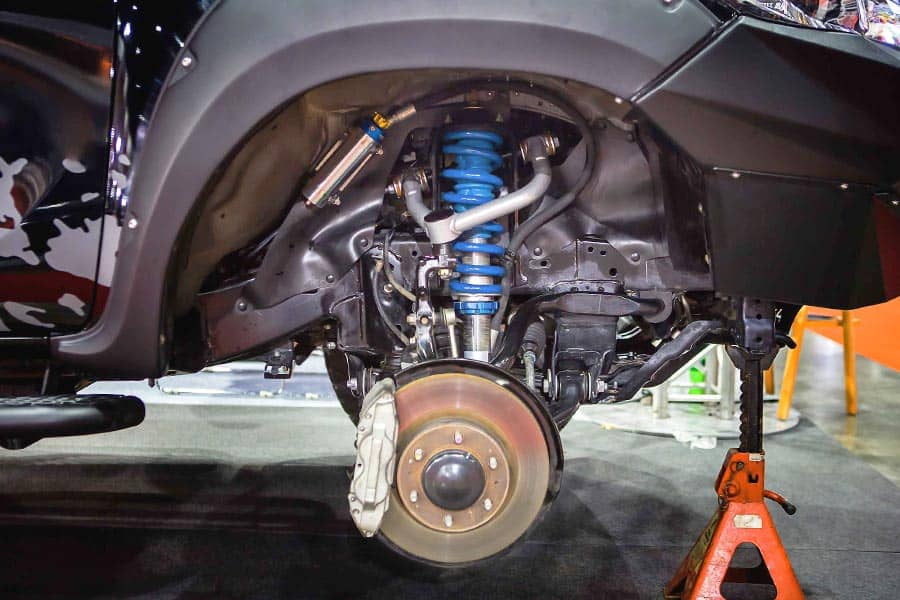
Cars use different types of suspension systems. Independent suspension lets each wheel move freely. This type offers a smooth ride. Dependent suspension connects wheels through a solid axle. It is strong and simple. MacPherson strut is common in many cars. It is lightweight and cost-effective. Another type is the double wishbone. It is used for better handling. Air suspension uses airbags for comfort. It’s found in luxury cars.
Worn out shocks can cause a bumpy ride. Leaky struts lead to poor handling. Broken springs may lower the car’s height. Squeaky noises could mean loose parts. Uneven tire wear might show alignment issues. Vibrations may be due to bad suspension parts. Always check for rust or damage. Keep your suspension in good shape for safety.
Credit: www.nolaautomotiverepairs.com
Tools And Materials Needed
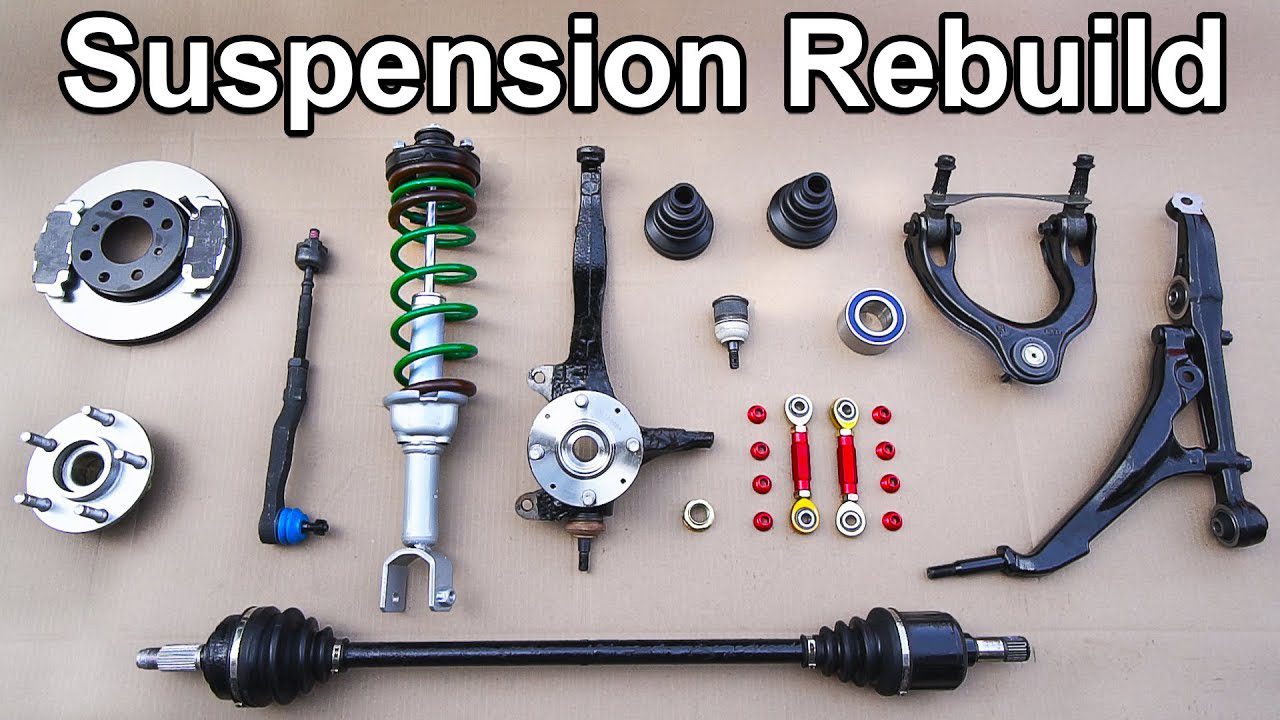
Some tools are very important for fixing car suspension. A wrench set is needed to loosen bolts. Jack stands keep the car steady. A lug wrench helps remove tires. A socket set is also useful. Screwdrivers are for small parts. Always have safety goggles to protect your eyes.
Quality suspension bushings help reduce noise. Lubricants make parts move smoothly. Replacement shocks are needed if old ones are worn out. Springs should be checked and replaced if needed. Using brake cleaner will remove dirt and grime. Rags are good for cleaning spills.
Identifying Suspension Issues
Look for bumpy rides or shaky steering. Check if the car leans when turning. Listen for strange noises like clunks or squeaks. Notice uneven tire wear. These are all signs of worn suspension. A healthy suspension keeps the car stable. It’s important for safe driving.
Inspect shock absorbers for leaks. Check for broken or worn springs. See if the car sits low. Test the steering for loose feeling. Check bushings and joints for wear. Each part has its role. Fixing the right part solves the problem. Regular checks help prevent bigger issues.
Step-by-step Repair Process
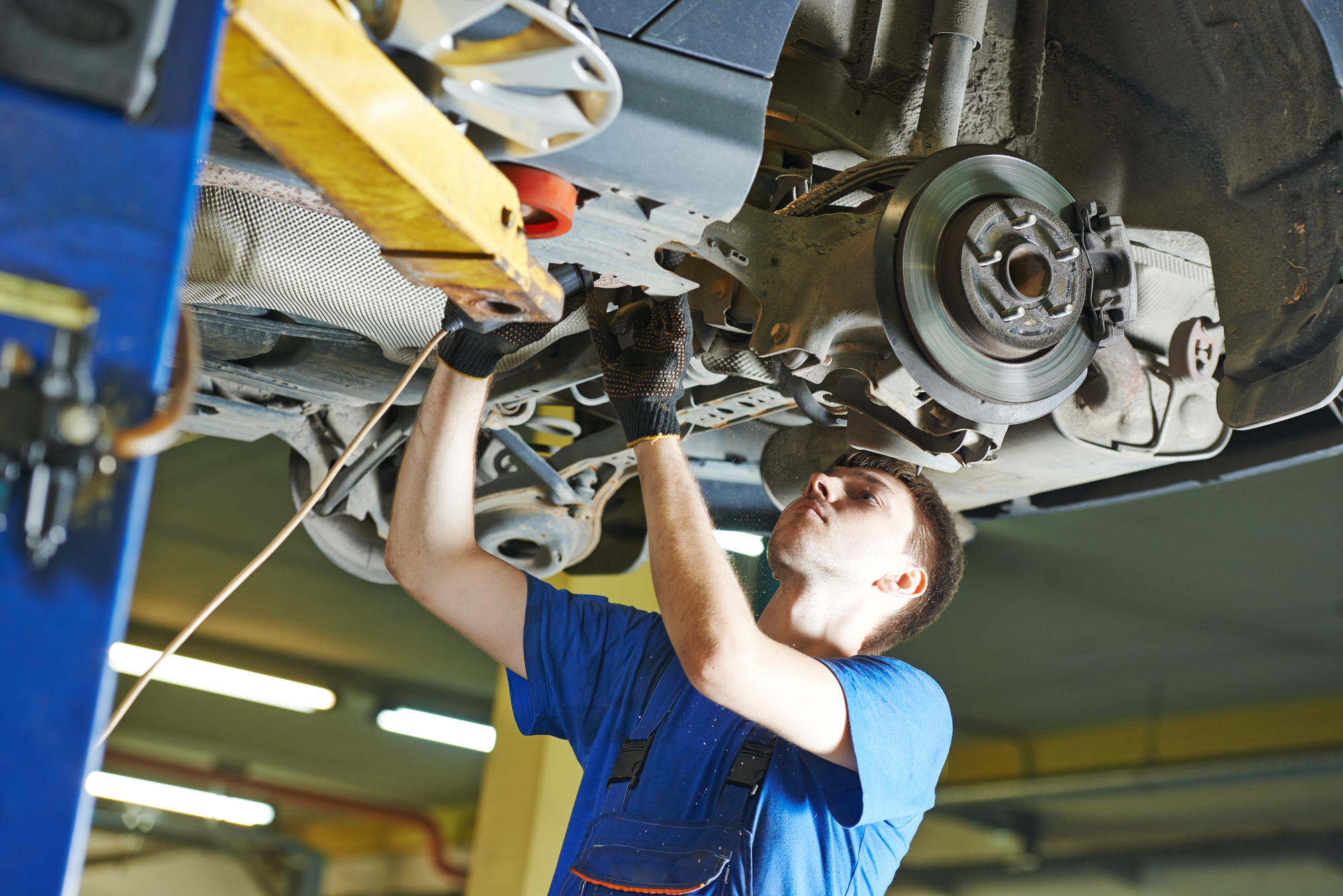
Always wear protective gear like gloves and goggles. Make sure the car is on a level surface. Use a sturdy jack and place jack stands. Check the car is stable before starting. Never work under a car without proper support.
First, loosen the lug nuts on the wheel. Then, lift the car with the jack. Remove the wheel completely. Next, take out the old suspension parts. Carefully remove bolts and nuts. Keep parts organized as you go.
Begin by placing the new suspension parts in position. Align them properly with the car frame. Tighten the bolts and nuts securely. Double-check each connection for safety. Finally, reattach the wheel and lower the car. Make sure everything is tight and secure.
Testing And Adjustments
Fixing car suspension involves testing and adjustments. Identify issues by observing uneven tire wear or strange noises. Adjust components like shocks and struts to improve stability and comfort.
Testing Suspension Performance
Car suspension affects the ride quality. Smooth ride means good suspension. Listen for strange noises. Check if the car feels bumpy. Look at the height of the car. Is it level? Test on different roads. Measure how the car handles turns. Take note if the car leans. Watch for uneven tire wear. This can be a sign.
Making Necessary Adjustments
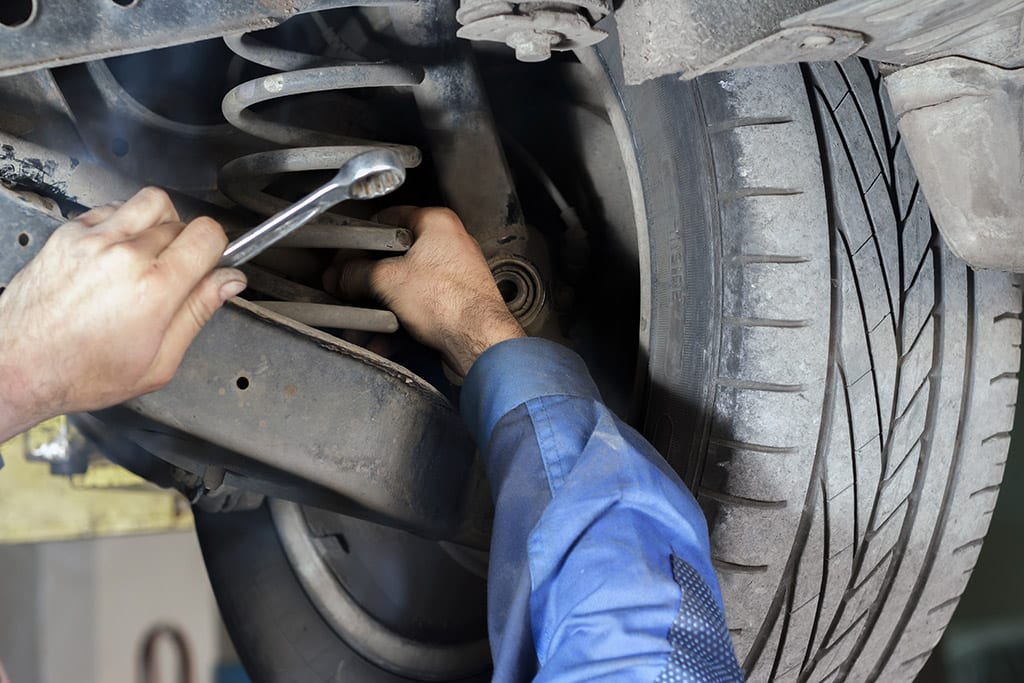
Start with simple checks. Adjust the shock absorbers if needed. Tighten any loose bolts. Replace worn springs. Ensure balance in all parts. Adjust the alignment. Check the tires. Make sure they are inflated right. Lubricate moving parts. This helps them work better. Inspect for damage. Fix or replace broken parts. Keep the car in good shape. Regular checks are important.
Credit: fifthgear.biz
Maintenance Tips
Check your car’s suspension parts regularly. Ensure no loose nuts or bolts. Look for any leaks from the shock absorbers. Inspect the springs for rust or damage. Tires should wear evenly. Uneven wear means suspension issues. Listen for strange noises when driving. Squeaks or clunks can indicate problems. If you feel bouncing or swaying, investigate further.
Lubricate moving parts often. This prevents wear and tear. Keep tires at the right pressure. This helps with suspension stability. Avoid overloading your car. Too much weight can harm the suspension. Drive carefully over bumps. Slow down on rough roads. Regularly clean your car. Dirt can affect suspension parts. Visit a mechanic for a yearly check-up.
Frequently Asked Questions
How Can I Identify Suspension Problems?
Look for signs like uneven tire wear, excessive bouncing, or unusual noises. These symptoms often indicate suspension issues. A professional inspection can confirm the problem. Regular maintenance helps prevent these problems from worsening. Timely attention can save on costly repairs.
What Tools Are Needed To Fix Suspension?
Basic tools like a wrench set, jack, and stands are essential. Specialized tools like a spring compressor may be needed. Having the right tools ensures safety and efficiency. Always refer to your vehicle’s manual for specific requirements. Consider professional help if unsure.
How Often Should Car Suspension Be Checked?
Check your car suspension every 12,000 miles or annually. Regular checks help catch issues early. Maintenance frequency depends on driving conditions. Rough roads may require more frequent inspections. Follow your vehicle manufacturer’s recommendations for best results.
Can I Drive With A Bad Suspension?
Driving with a faulty suspension is unsafe. It affects handling and braking, posing risks. Immediate repair is crucial to avoid accidents. Delaying repairs can lead to further damage. Professional assessment ensures your car’s roadworthiness.
Conclusion
Fixing car suspension involves simple steps. Check parts for wear regularly. Listen for unusual noises. Replace damaged components promptly. Maintain proper alignment. These steps ensure a smoother ride. Always use quality parts for replacements. This prolongs suspension life. Consult a professional for complex issues.
They have the right tools and knowledge. Regular maintenance prevents bigger problems. Keep your car safe and comfortable. Remember, a healthy suspension means safer driving. Enjoy a smoother ride with simple care. Make your car suspension a priority. Your vehicle deserves it.
Your safety depends on it.