What Is a Loaner Car? How Dealership Loaners Work
A loaner car is a temporary vehicle provided by a car dealership or repair shop. It is given to customers when their own car is being serviced or repaired.
Picture dropping your car off for a repair and suddenly needing a way to get to work, pick up the kids, or make a doctor’s appointment that afternoon. That gap is exactly what a loaner car is meant to close. Rather than leaving you stranded at the service counter, many dealerships and repair shops hand you a set of keys to a spare vehicle from their own fleet so your day doesn’t have to stop just because your car is in the shop.
Whether a loaner comes at no cost usually depends on why your car is there in the first place: warranty repairs and manufacturer recalls are far more likely to come with a free loaner than a routine oil change or brake job, which more often gets you a shuttle ride or a wait-in-the-lounge appointment instead. These vehicles also tend to be kept in noticeably good shape, since they’re the same cars a dealership might roll out for a test drive next week. Knowing how the loaner system actually works — who qualifies, what it costs, and what you’re on the hook for — makes it much easier to use one without any surprises at drop-off or pickup.
Introduction To Loaner Cars
A loaner car is a vehicle a dealership or repair shop hands over temporarily while your own car is in for service. It’s a stand-in from the shop’s own fleet, not a car you’re renting from an outside agency, and that distinction matters: because the dealership already owns it and wants your business back, a loaner is typically offered free of charge in situations where a rental car agency would simply hand you a bill. It often shares the same badge as the car you drove in, too, since dealerships tend to pull loaners from their own current lineup or lightly used demo stock rather than a random mixed fleet.
The point of the arrangement is simple: keep your life moving while your car can’t. A loaner lets you get to the office, drop kids at school, or run the week’s errands without rearranging your entire schedule around a repair estimate. That’s a real stress-reducer when a repair drags on longer than expected, since you’re not stuck calling in favors for rides or burning money on rideshare fares just to get through the week.
How Loaner Cars Work
Getting behind the wheel of a loaner isn’t automatic — most shops run it like a mini rental process. You’ll need a valid driver’s license and current proof of insurance, and many dealerships pull your driving record before handing over the keys. Age requirements are common too; a lot of programs set the minimum at 21 years old, and some run a quick credit check or place a temporary hold on a credit card to cover the deductible in case of damage. None of this is standardized across the industry, so it’s worth asking your service advisor exactly what their shop requires before you assume you’ll qualify.
Once you’re approved, the actual handoff is straightforward. You report the issue with your car, the advisor checks your eligibility and loaner availability, and you sign a short agreement covering mileage limits, fuel requirements, and what happens if the car comes back damaged or late. Bring the fuel tank back to roughly the level it was at when you picked it up, and return the vehicle by the date on your paperwork — skipping either of those is the fastest way to rack up fees you didn’t expect.
Benefits Of Using Loaner Cars
The biggest advantage of a loaner is that your routine doesn’t grind to a halt just because your car is on a lift. Kids still get to school, you still make it to work, and you don’t have to reschedule a doctor’s visit or cancel plans with friends because you suddenly have no wheels. A loaner car essentially buys back the freedom a repair would otherwise take away, letting errands, appointments, and everyday obligations carry on exactly as planned.
There’s a financial upside too. A rental car from an outside agency comes with a daily rate that adds up fast, especially if a repair takes several days longer than the shop first quoted. A loaner car, by contrast, is usually free or available for a token fee, which frees up that money for something more useful — or simply keeps it in your pocket. It also spares you the cost of stacking up rideshare fares or taxi rides just to get through a normal week, which is where the real savings tend to show up.

Types Of Loaner Cars
Dealership loaners come straight from the shop’s own fleet, and dealerships frequently offer them at no charge specifically to keep customers happy and coming back. It’s common for the loaner to match the brand of the car you dropped off — a Honda dealer will typically hand you another Honda — which not only feels familiar behind the wheel but doubles as a low-key test drive of a newer model the dealership would love to sell you next.
Rental agency loaners are a different animal entirely: these come from companies like Enterprise or Hertz, and you’re paying a daily rate for the privilege rather than borrowing a car for free. In exchange, you get a lot more choice — sedans, SUVs, trucks, whatever fits the trip — which makes rental agencies the better fit when you’re traveling or need a specific type of vehicle rather than just something to get you through a repair. Either way, both routes generally keep their fleets clean and well-maintained, since a scuffed-up loaner reflects poorly on the business handing it out.
Insurance And Liability
Insurance coverage options for a loaner car vary more than most people expect. In many cases, your own auto policy’s liability and collision coverage simply extends to the loaner under what insurers call a “non-owned vehicle” provision — but that’s not guaranteed, and it’s worth a quick call to your insurer to confirm before you drive off. Some dealerships and rental agencies also offer supplemental coverage for an extra fee, which can be worth it if you’re not sure your own policy would fully cover an accident in someone else’s car. Read the fine print on what’s actually covered — collision, theft, glass damage — rather than assuming everything’s included.
Liability considerations come down to one central question: if something happens while you’re driving the loaner, who’s actually on the hook? Your own insurance may cover part of it, but not necessarily all of it, and some dealerships build their own liability terms into the loaner agreement you sign at pickup. Ask directly before you leave the lot — what’s covered, what isn’t, and what your out-of-pocket exposure looks like — because that conversation is a lot easier to have before an accident than after one.
Loaner Car Policies
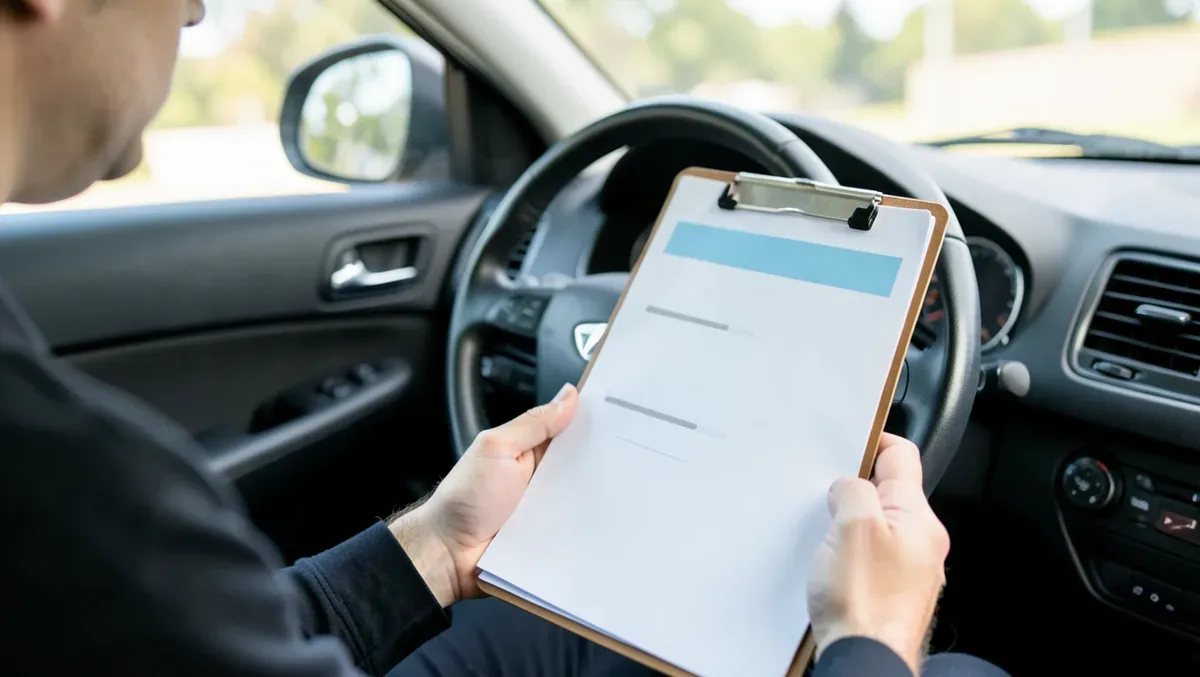
A loaner car is meant to bridge a repair, not become a long-term arrangement — most shops cap how long you can keep one, whether that’s a few days or, less commonly, up to a week for a bigger repair job. Always check the return date written into your agreement rather than assuming, since returning late is one of the quickest ways to trigger extra daily fees. If your dealer’s loaner fleet tends to be busy, it’s also worth asking about booking in advance so you’re not left without a car on the day you drop yours off. Whatever the shop’s maximum days policy is, get it in writing before you leave.
Mileage limits are another detail that catches people off guard. Most loaner agreements set a daily cap — often somewhere around 100 miles — and driving past it can add per-mile charges to your final bill. Some dealership fleets now include GPS trackers specifically to monitor mileage and location, so it’s not a bad idea to keep half an eye on the odometer yourself. Read the usage rules closely, too, since a few agreements restrict how far you can take the car or bar out-of-state trips entirely — sticking to those limits is the easiest way to avoid an unpleasant surprise at return.
Comparing Loaner Cars And Rental Cars
The clearest difference between the two comes down to cost. A loaner car is usually free because it’s tied to a repair the dealership is already handling for you, while a rental car comes with a daily fee from the moment you drive it off the lot — a fee that climbs fast on a longer trip and often gets padded further by optional insurance add-ons. For a short repair window, a loaner is almost always the cheaper way to stay mobile.
Availability tells a different story, though. Dealership loaners are a limited resource — there are only so many in the fleet, and if they’re all out, you may end up waiting or getting a shuttle instead. Rental agencies, by contrast, exist specifically to have cars ready whenever you need one, with far more flexibility on vehicle type and how long you keep it — days or weeks, not just the length of your repair. A loaner only lasts as long as the job on your car does; a rental lasts as long as you’re willing to pay for it.
Tips For Using A Loaner Car
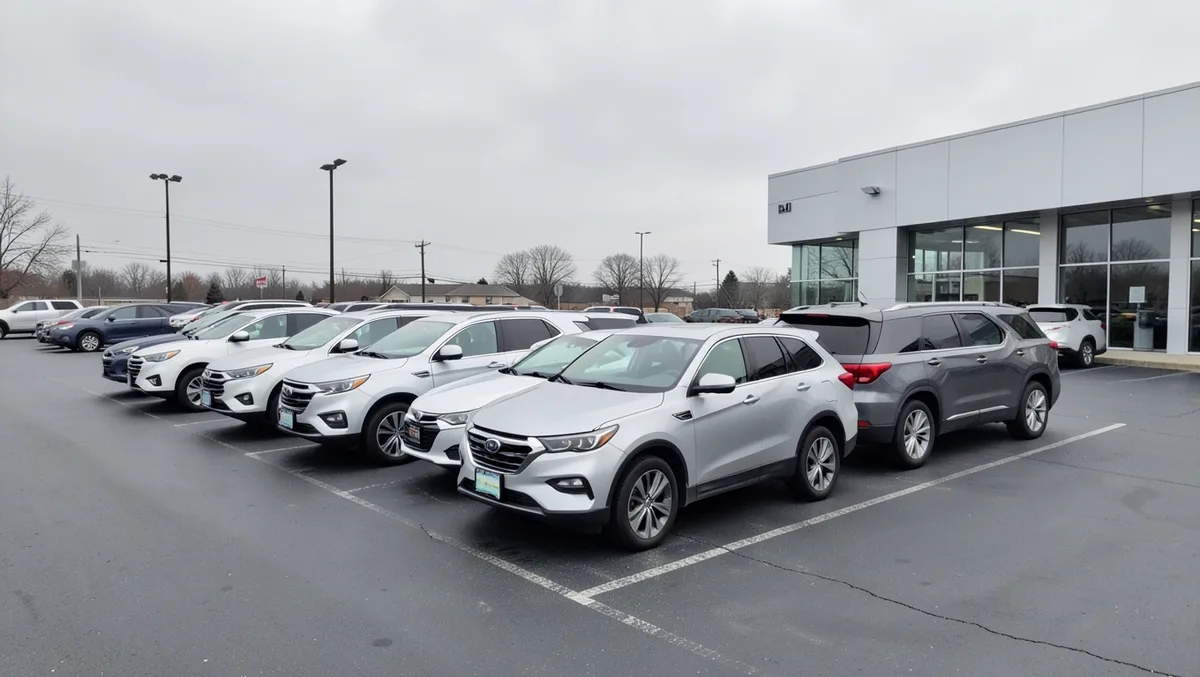
Walk around the car before you ever put it in drive. Note any existing scratches or dents so you’re not blamed for damage that was already there, check that the lights and horn actually work, and glance at the tires to make sure none look low. Take a look inside too — the seats should be clean, the mirrors properly adjusted, and the fuel level noted so you know what you’re expected to return. Flag anything unusual to the service desk on the spot and, if possible, snap a quick photo — that small step is your best protection if a dispute comes up later.
Before you hand the keys back, top off the tank to roughly where it started, clear out any trash you left behind, and make sure every key and fob that came with the car goes back too. Do a final check for your own belongings — phone chargers and sunglasses get left behind more often than you’d think — and get the car back by the agreed time to sidestep late fees. If anything went wrong while you had it, mention the damage honestly rather than hoping it goes unnoticed, and hang onto your receipt or return paperwork in case questions come up afterward.
Frequently Asked Questions
What Does It Mean If A Car Is A Loaner?
A loaner car is a temporary vehicle provided by a dealership while your car is being serviced. It allows customers to continue their daily activities without disruption. Loaners are typically newer models and offer a convenient solution during maintenance or repairs.
What’s The Difference Between A Rental Car And A Loaner Car?
A rental car is rented from an agency for personal use. A loaner car is provided by a dealership while your vehicle is serviced. Rental cars incur charges, while loaner cars are usually free. Rental cars offer a wide selection, whereas loaner cars are limited to the dealership’s available models.
Do You Pay For A Loaner Car?
You might pay for a loaner car, depending on your insurance policy and dealership terms. Some dealerships offer free loaner cars, while others charge a fee. Always check your insurance and dealership policies for details regarding costs and coverage.
How Do Loaner Cars Work?
Loaner cars are temporary vehicles provided by dealerships or repair shops. They are used when your car is being serviced or repaired. You must typically have insurance and a valid driver’s license to use a loaner car. Terms and conditions may vary by service provider.
Conclusion
Understanding how loaner cars work takes a lot of the guesswork out of your next repair visit. They keep your daily routine intact while your car is off the road, but not every dealership offers one, and the terms differ from shop to shop — so it’s worth asking about eligibility and policies before you drop your keys off, not after.
A loaner won’t always feel identical to your own car, and that’s fine — a few days of adjusting to a different set of controls is a small trade-off for not missing work or losing your whole schedule to a repair. Whether you end up with one for a single day or a full week, that borrowed set of keys is what keeps everything else running on time while your own car gets fixed.
Products related to this article
Sponsored / affiliate links. As an Amazon Associate I earn from qualifying purchases. I may earn additional commission from eligible campaigns.