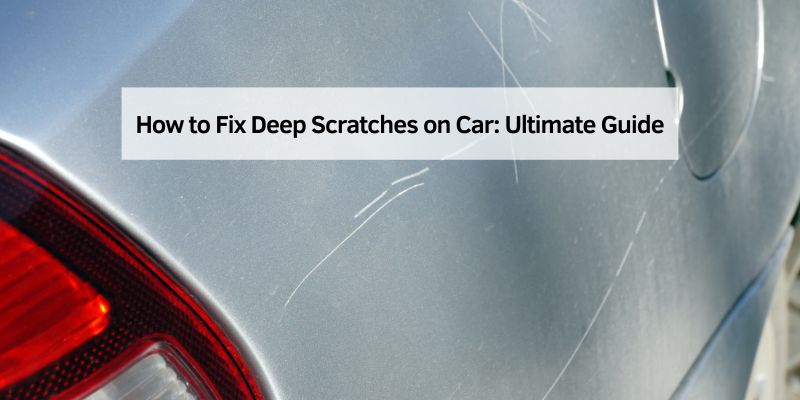
How to Fix Deep Scratches on Car: Ultimate Guide
Fixing deep scratches on a car can seem daunting. But, with the right approach, it’s possible to restore your car’s beauty.
In this guide, we’ll show you simple steps to fix deep scratches yourself. Cars can get scratched easily from everyday use. These scratches can be unsightly and affect the car’s value. Whether from an accidental bump or a keying incident, deep scratches need more than a quick polish.
By understanding the right materials and techniques, you can tackle these scratches and make your car look new again. This guide will walk you through the process, helping you save money and learn useful skills. Get ready to give your car a fresh look without the stress.
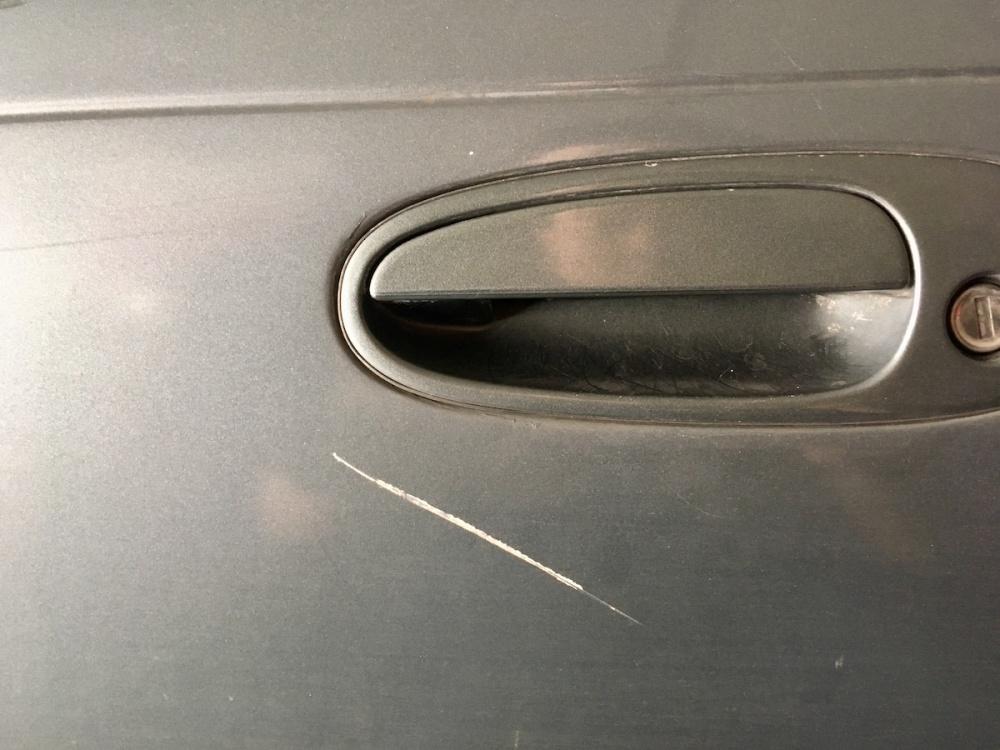
Credit: www.schaeferautobody.com
Identifying Scratch Severity
Scratches on a car can be tricky. Some are just on the surface. Others are deep and need more care. Surface scratches are easy to fix. They don’t go deep into the paint. Often, they just affect the clear coat. Deep scratches are different. They cut through the paint layers. They might even reach the metal. These need a special fix.
Use your fingernail to check the scratch depth. If your nail catches, it’s deep. If not, it’s likely surface-level. A deep scratch is usually wider and has rough edges. Surface scratches are smooth. Look closely in the light. Deep scratches may show a different color. This means they have gone past the paint.

Credit: www.youtube.com
Essential Tools And Materials
Many repair kits are available for fixing scratches. These kits have all you need. Look for a kit with sandpaper, polishing compound, and touch-up paint. Some kits even include microfiber cloths. Using a kit makes the task easier. Kits are great for beginners. They save time and effort. Ensure all items are in the kit before buying. Double-check for missing tools.
Polishes help make your car shine. Choose a polish made for cars. Some polishes are for small scratches. Others are for deep ones. Read labels carefully. Some polishes need special tools. Ensure you have what you need. Test polish on a small area first. It helps to see if it’s right for your car. Always follow the instructions on the bottle.
Preparing Your Vehicle
First, gather your cleaning supplies. A bucket of water, soap, and a clean cloth. Wet the cloth in soapy water. Gently clean the scratched area. Remove all dirt and dust. Make sure no grime stays behind. It helps the repair job later.
Use masking tape to cover nearby areas. This keeps them safe from damage. Apply the tape carefully. Make sure it sticks well. Cover edges and corners too. This step is very important. It keeps paint and polish in the right spot.
Repairing Deep Scratches
Deep scratches need special care. First, clean the area with soap and water. Make sure it’s dry before starting. Apply a thin layer of body filler to the scratch. Use a plastic scraper to spread it evenly. Let it dry completely. Use sandpaper to smooth the filled area. Start with coarse sandpaper. Then use fine sandpaper for a smooth finish.
After sanding, the next step is applying primer. Spray a light coat of primer over the filled area. Allow it to dry. Apply paint using a spray can or brush. Match the paint color with your car. Thin layers work best for even coverage. Let each layer dry before adding the next. Finish with a clear coat for shine.
Polishing And Finishing Touches
Buffing makes your car shine bright. Use a soft cloth for this. Apply some polish on the cloth. Rub the cloth in circles on the scratch. This makes the scratch less visible. Always use gentle pressure. Buffing too hard can damage the car’s paint. Shiny cars look new and clean. Remember to take your time.
A clear coat protects your car. It keeps the shine safe. Spray a thin layer over the polished area. Let it dry for a few minutes. This seals the scratch and gives a smooth finish. Never skip this step. A clear coat is like armor for your car. It keeps the paint from fading. It also adds a final glossy look.
DIY Vs Professional Help
Deciding between DIY and professional help for fixing deep car scratches can be challenging. DIY methods involve using scratch repair kits, offering affordability and convenience, but might lack perfect results. Professional services ensure expert care and flawless finish, though at a higher cost.
When To Consider Experts
Deep scratches can be tricky. Some scratches are too deep for DIY. Expert help is best for those. Professionals have special tools. They also have more experience. They know the right methods. This can save your car’s paint. It also prevents further damage. If unsure, ask a professional. They give advice on what to do next.
Cost Comparison
DIY methods are usually cheaper. You might need to buy some tools. These can include sandpaper or touch-up paint. The cost for these is low. Professional help costs more. You pay for their skill and time. Sometimes, it’s worth it. Professionals can fix the scratch well. They also give a guarantee. This can be important for some car owners.
Preventive Measures
Wash your car every week. Dirt can hide scratches. Use a soft sponge. Avoid hard brushes. They can cause more scratches. Check for scratches often. Fix small ones quickly. This prevents deep damage. Wax your car monthly. Wax gives a shiny coat. It protects from minor scratches. Park in a safe place. Avoid areas with trees. Falling branches can scratch the car.
Use a car cover. It shields from dust and dirt. Choose a cover that fits well. A loose cover can cause scratches. Apply ceramic coating. It forms a hard layer. This layer protects the car paint. Try scratch-resistant sprays. They form a protective layer too. Always read instructions before use. Some products need professional help.
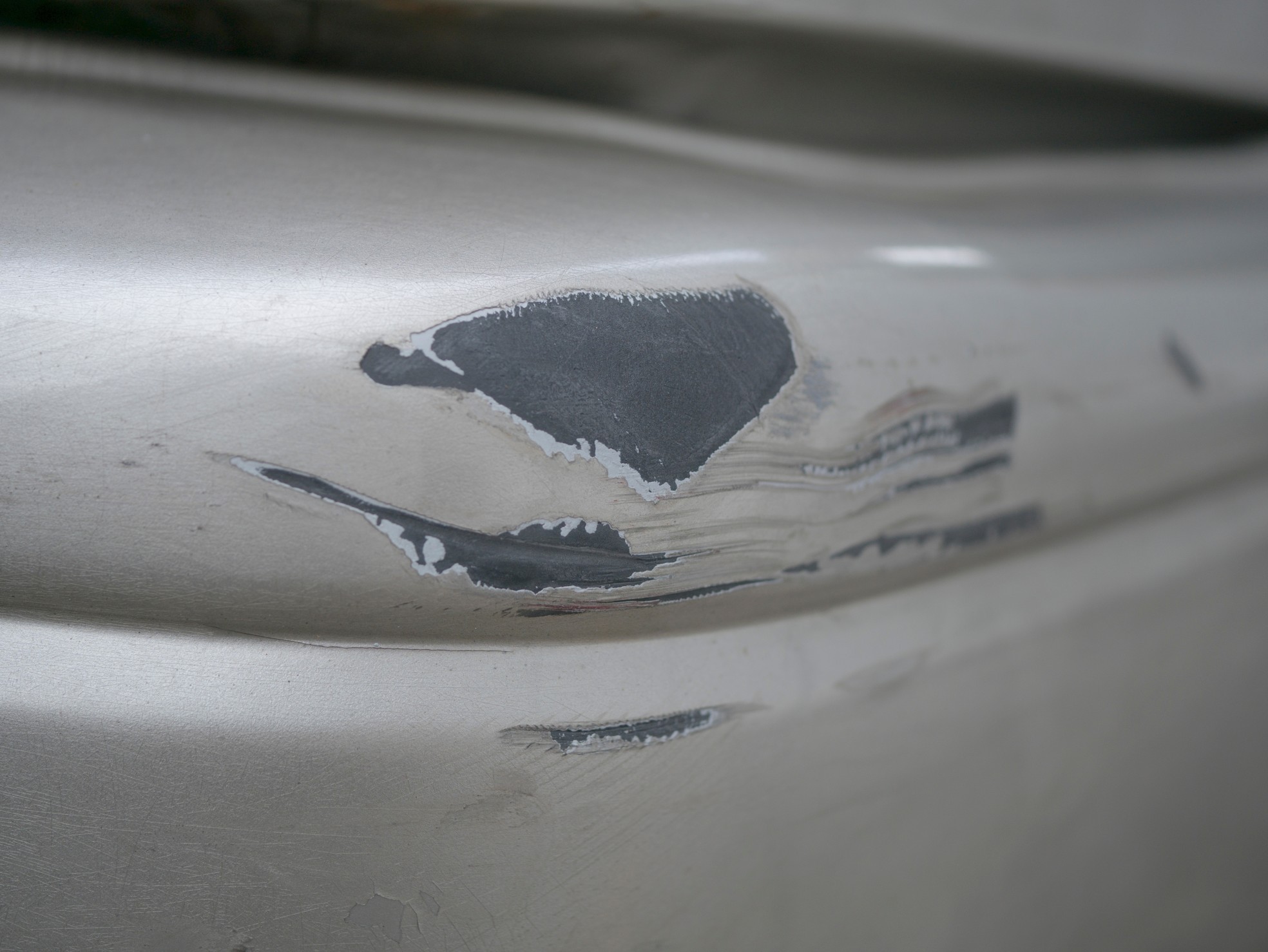
Credit: libertycollisionreno.com
Common Mistakes To Avoid
Many people rush the sanding process, using too much pressure. This can make scratches worse. Others apply too much touch-up paint, leading to noticeable bumps. Always clean the area thoroughly before starting, as dirt can interfere with repairs.
Incorrect Tool Usage
Using the wrong tool can make scratches worse. Some tools are too harsh. Sandpaper that’s too rough can harm your car’s paint. Always use soft cloths and mild products. Avoid tools not meant for cars. They can scratch more. Tools should be clean and suitable. Don’t use dirty cloths; they might scratch too.
Skipping Steps In Process
Missing a step can lead to bad results. Cleaning the area is important. Dirt can cause more scratches. Skipping primer can make the paint peel. Always follow all steps carefully. Each step helps fix the scratch properly. Take your time and be patient. Rushing can ruin the repair.
Frequently Asked Questions
How Much Does It Cost To Fix A Deep Scratch On A Car?
Fixing a deep scratch on a car can cost between $150 and $500. The price depends on the scratch’s depth and location. Luxury vehicles may incur higher repair costs. It’s advisable to get a quote from a professional body shop for an accurate estimate.
Can Deep Scratches Be Buffed Out?
Deep scratches often require professional repair. Buffing might reduce their appearance but won’t completely remove them. For best results, consult an expert to assess damage and recommend solutions. DIY methods may worsen the problem, so expert advice is crucial for effective treatment.
Do Car Scratch Repair Kits Really Work?
Car scratch repair kits can effectively fix minor scratches. They work best on shallow surface-level damage. Always follow the instructions for optimal results. These kits are cost-effective and convenient for small repairs. For deeper scratches, professional help may be necessary.
Can Car Detailing Remove Deep Scratches?
Car detailing can minimize the appearance of deep scratches but often cannot completely remove them. Professional repair may be needed. Techniques like polishing and waxing help improve the look of minor scratches. For deeper damage, consult a specialist for the best solution.
Conclusion
Fixing deep scratches on your car can be easy and rewarding. With the right tools, you can restore your car’s look. Remember, patience is key. Start by cleaning the area. Then, apply the scratch remover. Buff the area gently. Check your progress often.
Repeat if needed. Don’t rush; take your time. Protect your car’s finish afterward. Regular maintenance helps prevent future scratches. Your car deserves care and attention. Enjoy the satisfaction of a job well done. Your efforts will pay off in the long run.
Keep your car looking great.