What Is Oil Pressure in a Car? Normal PSI Range & Warning Signs
Oil pressure is the force, measured in PSI (pounds per square inch), that pushes engine oil through the passages, bearings, and moving parts of your engine. Most engines run between 25 and 65 PSI once warmed up, and the dashboard warning light usually comes on when pressure drops below about 5 to 10 PSI — a level low enough that the engine can be damaged within minutes.
Oil pressure is one of the few engine numbers that can tell you something is seriously wrong before you hear a single strange noise. When pressure drops, oil stops reaching the crankshaft, camshaft, and bearings fast enough, and metal starts grinding against metal. This guide covers what counts as normal oil pressure for a car, what causes it to run high or low, and — most importantly — exactly what to do if the oil pressure warning light comes on while you’re driving.
What Is Oil Pressure in a Car?
Check Your Own PSI
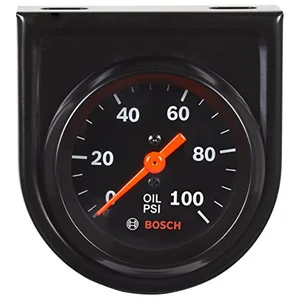 |
Bosch Style Line Mechanical Oil Pressure Gauge – $29.89 This 2-inch analog gauge lets you read your engine’s actual PSI instead of relying on a simple on/off dashboard warning light.
|
Oil pressure is created by the oil pump, which draws oil from the pan and forces it through a filter and into a network of small passages called oil galleries. That pressurized oil reaches the crankshaft bearings, camshaft, and other moving parts before draining back to the pan, where the cycle repeats. The pressure reading itself doesn’t measure how much oil is in the engine — it measures how well that oil is actually being delivered to the parts that need it.
A healthy oil pressure reading means oil is reaching every bearing surface fast enough to keep metal parts separated by a thin film of lubricant. Too little pressure and that film breaks down, letting metal touch metal. Too much pressure usually points to a mechanical fault, like a stuck relief valve or overly thick oil, rather than anything beneficial.
Normal Oil Pressure by Engine Condition
Normal oil pressure isn’t a single fixed number — it shifts with RPM and oil temperature. As a rough rule mechanics use, expect about 10 PSI of pressure for every 1,000 RPM. Here’s how that plays out at different points in a drive:
| Condition | Typical Oil Pressure | What It Means |
|---|---|---|
| Cold start (engine just turned on) | 40–65 PSI | Cold oil is thick and reads high at first; this is normal and settles within a minute or two. |
| Warm idle | 10–30 PSI | Lower reading is expected at idle since the pump is spinning slowly; most cars stay above 20 PSI. |
| Warm, driving/cruising | 25–65 PSI | The commonly cited safe operating range for most gasoline engines once warmed up. |
| Warning light threshold | Roughly 5–10 PSI | Pressure this low means the dashboard oil light will illuminate and the engine is at real risk of damage. |
These ranges vary by manufacturer, engine size, and the oil viscosity in use, so always treat your owner’s manual specification as the final word for your specific vehicle. A reading well outside this range in either direction — not just low, but unusually high — is worth having checked.
The Oil Pressure Warning Light: What It Means and What to Do
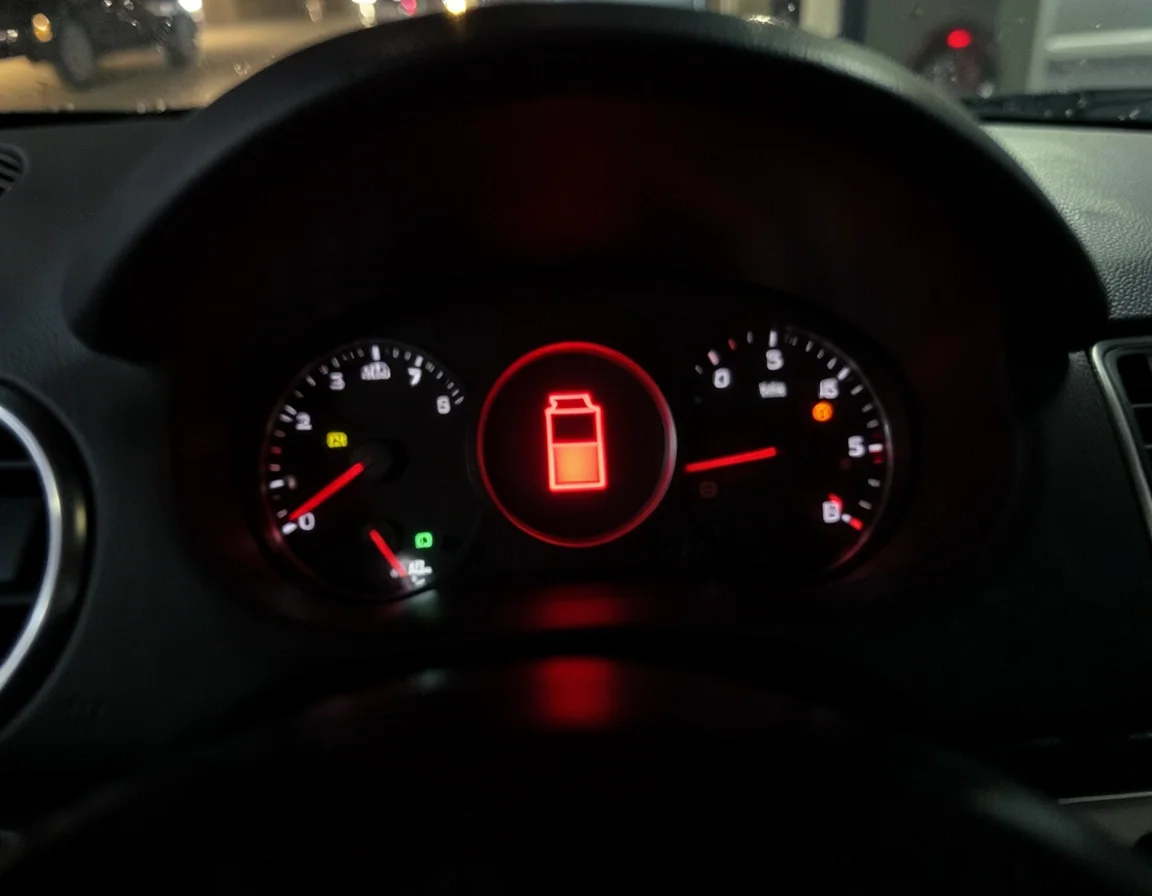
The oil pressure warning light looks like a small red oil can or an old-fashioned oil-can-with-a-drop icon, and it is not the same thing as a maintenance reminder light. It means the sensor is reading pressure below a safe minimum — typically only a few PSI — right now, in real time. It is not safe to keep driving with the oil pressure light on. Continuing to drive can starve the crankshaft and camshaft bearings of lubrication within a minute or two, which can turn a cheap fix into a full engine rebuild.
If the oil pressure light comes on while you’re driving, here’s what to do:
- Ease off the gas immediately and safely pull over to the shoulder or a parking lot — do not keep driving to “get somewhere safer” first.
- Shut the engine off as soon as it’s safe to stop. Do not idle the car while you figure out the problem.
- Once stopped, check the oil level with the dipstick. If it’s low, add the correct oil and see whether the light clears when the engine restarts.
- If the level is fine and the light stays on, or you’re not sure what’s wrong, do not restart the engine repeatedly. Have the car towed to a mechanic instead of driving it, even a short distance.
- Listen for knocking, ticking, or grinding noises before you decide to restart — any of those noises mean stop and call for a tow, full stop.
A quick oil top-off that clears the light is a good sign, but it’s still worth having the oil pressure checked by a mechanic afterward. A light that keeps coming back, or one that comes on even with a full oil level, usually points to a failing oil pump, a clogged pickup screen, or a bad pressure sensor rather than simply being low on oil.
How Oil Pressure Works
The oil pump pushes oil through small internal passages called oil galleries, forming a thin protective layer — a lubricant film — between moving metal parts. That film keeps the pistons, crankshaft, and camshaft from grinding directly against their bearing surfaces, which reduces friction and the heat that friction generates.
Correct oil pressure lets those parts wear normally for tens of thousands of miles. Low pressure means the film gets too thin to protect against metal-on-metal contact, accelerating wear. Sustained high pressure can also cause problems, including oil leaks past gaskets and seals that weren’t designed for that much force.
What Causes Low or High Oil Pressure
| Cause | Typical Effect |
|---|---|
| Low oil level or a leak | Low pressure — the pump can’t draw enough oil to build pressure |
| Worn or failing oil pump | Low pressure, often gradually worsening over time |
| Clogged oil filter or pickup screen | Low pressure from restricted oil flow to the pump |
| Oil too thin for conditions, or diluted with fuel/coolant | Low pressure, especially noticeable at idle |
| Oil too thick, or wrong viscosity for the engine | High pressure, since thicker oil resists flowing through the galleries |
| Stuck or faulty pressure relief valve | High pressure, since the valve can’t bleed off excess as designed |
| Blocked oil passages (sludge buildup) | High pressure upstream of the blockage, low pressure downstream |
Strange engine noises — knocking or ticking sounds that weren’t there before — are also a common symptom of low oil pressure, since parts that should be gliding on a film of oil are instead making direct contact. Any new engine noise combined with an oil pressure warning is worth stopping for immediately.
How to Check and Diagnose Oil Pressure
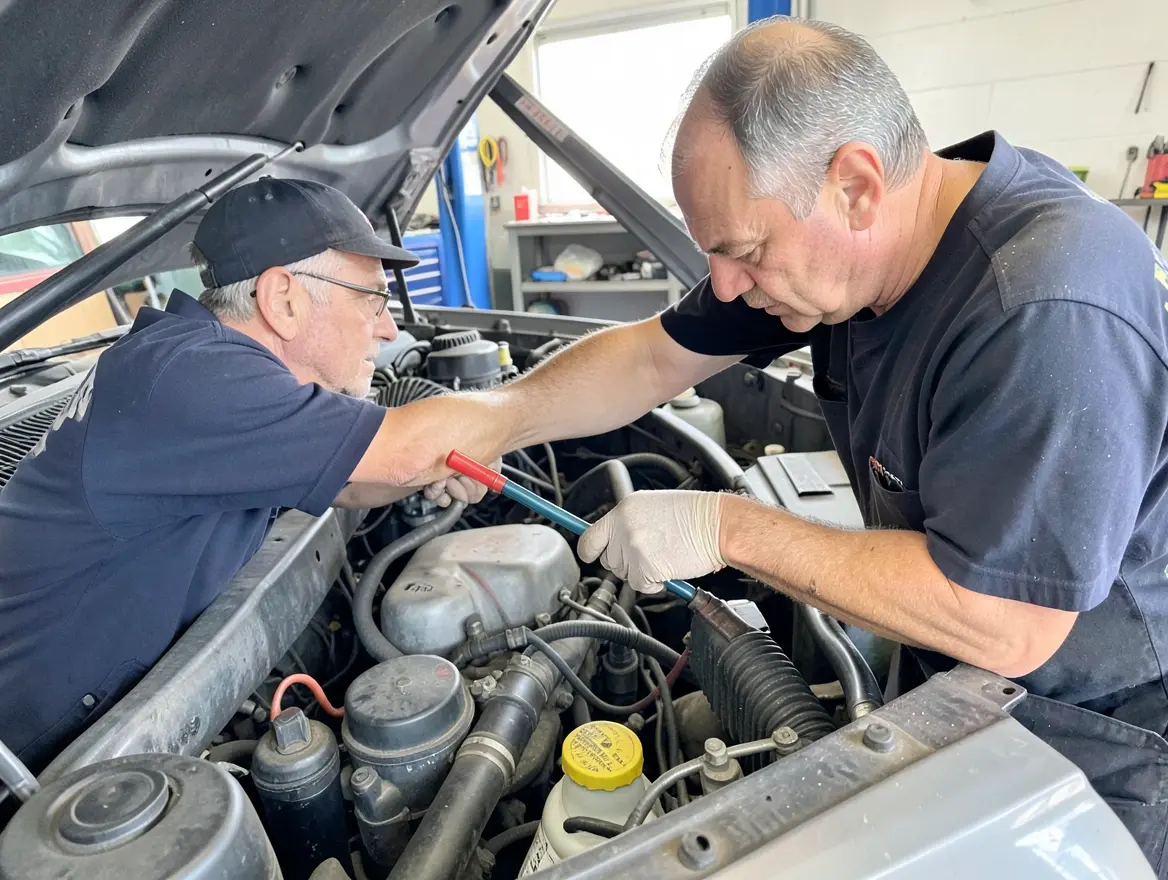
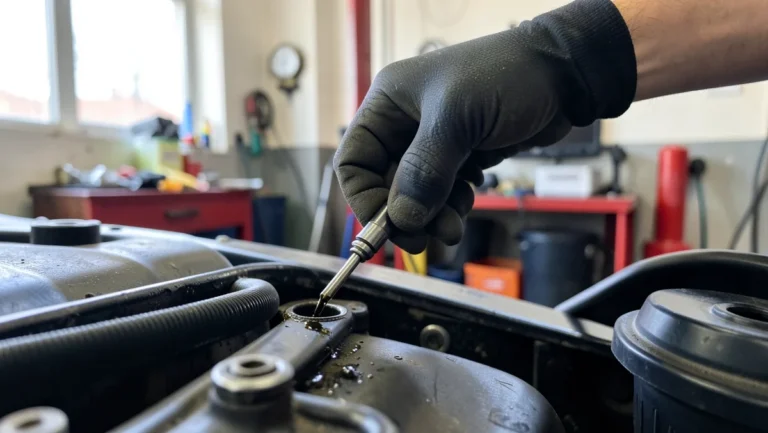
Most cars only give you a warning light, not a live PSI reading, so the first and easiest check is the simplest one: pull the dipstick and confirm the oil level is correct and the oil isn’t badly discolored or gritty. Many low-pressure warnings turn out to be nothing more than a low oil level.
For a real number, a mechanical or electronic oil pressure gauge reads the actual PSI at the engine, either as a permanent dashboard add-on or as a one-time diagnostic test performed by a mechanic with a handheld gauge threaded into the oil pressure sender port. If a shop tells you your pressure reads well outside the 25–65 PSI cruising range for your specific engine, that’s a legitimate reason to investigate further before it becomes a bigger repair.
Maintaining Healthy Oil Pressure
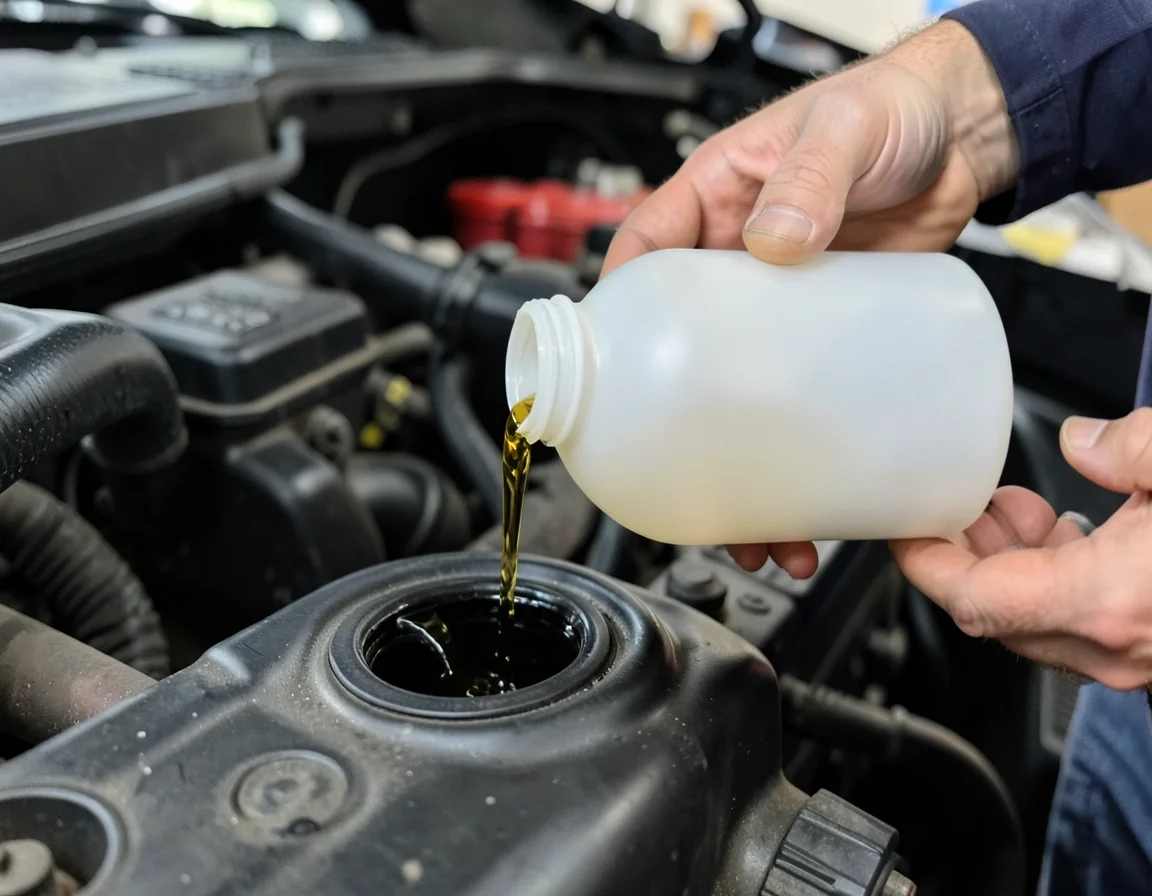
Regular oil and filter changes are the single biggest factor in keeping oil pressure stable. Old, broken-down oil loses viscosity and its filter can clog, both of which push pressure out of the normal range. Follow the interval and oil grade listed in your owner’s manual, not a generic “every 3,000 miles” rule that may not match your engine or oil type.
Using the exact viscosity your manufacturer specifies matters more than most drivers realize — oil that’s too thick or too thin for your engine’s design will push pressure toward one extreme or the other, even when everything else is working correctly. If you’re also keeping an eye on oil temperature, note that pressure and temperature are closely linked: hotter oil thins out and pressure drops, which is why a healthy engine reads higher at a cold start than once it’s fully warmed up.
Oil pressure sensors themselves can also fail. A faulty sensor can trigger a false warning light even when actual pressure is fine, or worse, fail to warn you when pressure really is low. If your light comes on but the oil level, oil condition, and engine sound are all normal, a bad sensor is a reasonable next thing to have tested before assuming the worst.
Frequently Asked Questions
What Is Normal Oil Pressure For A Car?
Normal oil pressure for most cars is roughly 25 to 65 PSI once the engine is warm and running, with lower readings around 10 to 30 PSI expected at idle and higher readings of 40 to 65 PSI common right after a cold start. Exact figures vary by engine, so always check your owner’s manual for your vehicle’s specific range.
What Happens When Oil Pressure Is Low?
Low oil pressure means oil isn’t reaching the crankshaft, camshaft, and bearings fast enough to keep them separated by a protective film. That leads to metal-on-metal contact, overheating, and increased wear, and can cause serious engine damage in a short amount of time if ignored.
Can You Drive A Car With Low Oil Pressure Or The Oil Light On?
No. Driving with the oil pressure light on is unsafe and can cause severe, expensive engine damage within minutes. Pull over and shut off the engine as soon as it’s safe, check the oil level, and have the car towed if the light doesn’t clear or you hear any knocking or ticking.
Why Would My Oil Pressure Be Too High?
High oil pressure is usually caused by a stuck or faulty oil pressure relief valve, a clogged oil passage, or oil that’s too thick or the wrong viscosity for the engine. A malfunctioning oil pump can occasionally contribute as well. It should still be checked, since sustained high pressure can force oil past gaskets and seals.
At What PSI Does The Oil Pressure Warning Light Come On?
Most vehicles trigger the oil pressure warning light when pressure drops to roughly 5 to 10 PSI, though the exact threshold varies by manufacturer and sensor. That’s well below the normal 25 to 65 PSI cruising range, which is why the light is treated as an urgent warning rather than a routine reminder.
Is Low Oil Pressure The Same As Low Oil Level?
Not always, but a low oil level is one of the most common causes of low oil pressure since the pump can’t draw enough oil to build pressure. A low pressure light can also appear with a completely full oil level if the oil pump, pickup screen, filter, or pressure sensor itself has failed.
Conclusion
Oil pressure is one of the clearest early-warning signals your engine gives you, and it’s worth taking seriously the moment it looks off. Know the normal range for your car, don’t ignore the warning light, and keep up with oil and filter changes using the right viscosity — that combination catches most oil pressure problems long before they turn into an expensive repair.
Products related to this article
Sponsored / affiliate links. As an Amazon Associate I earn from qualifying purchases. I may earn additional commission from eligible campaigns.