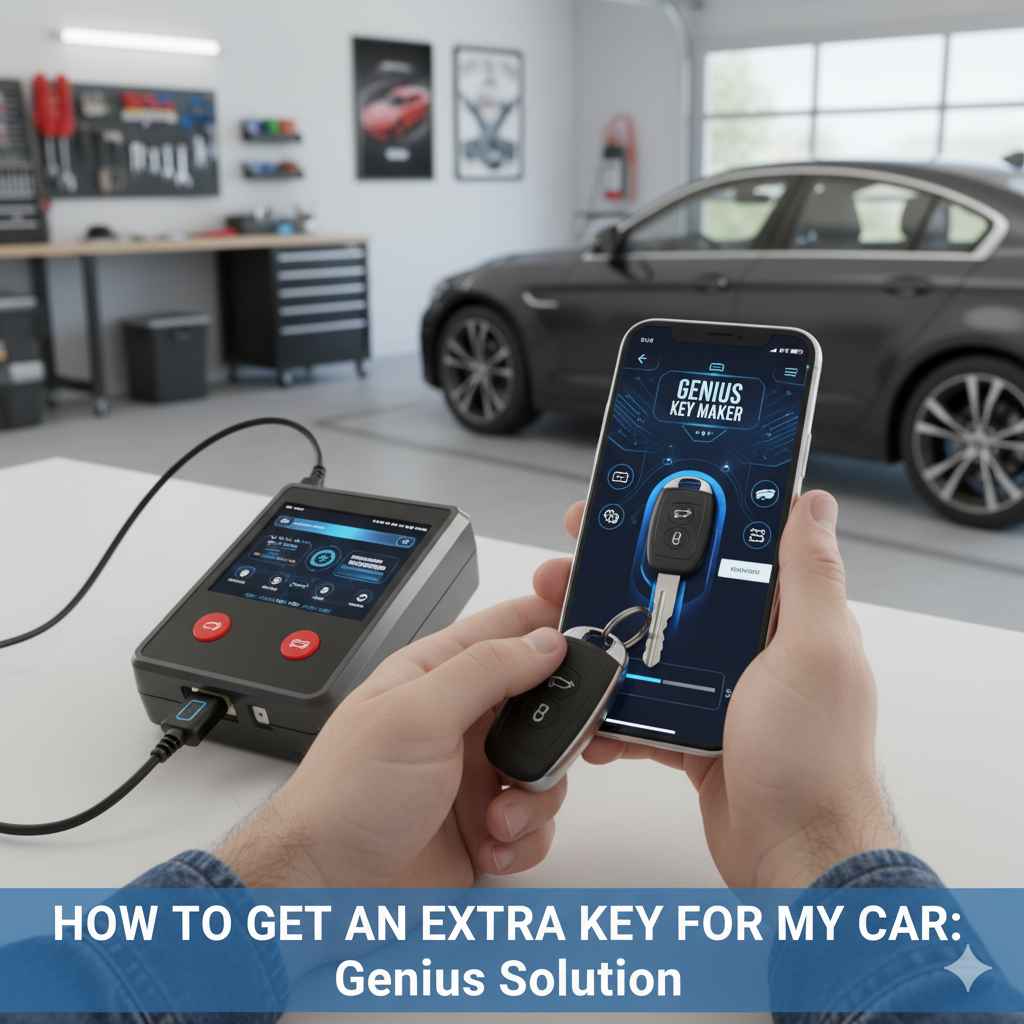
How to Get an Extra Key for My Car: Genius Solution
Getting an extra car key is easier and more affordable than you think. You can make a copy at a hardware store for basic keys, or visit a dealership or automotive locksmith for modern transponder or smart keys. This guide shows you the best ways to get a new key smoothly and save money.
Losing your car key or finding only one can be a real headache. Imagine getting locked out or not having a spare when you need one most! It’s a common problem many drivers face. But don’t worry, getting an extra key for your car is totally manageable, and there are several smart ways to do it, often without costing a fortune. This guide will walk you through everything you need to know, step-by-step, so you can get that crucial spare key with confidence and ease.
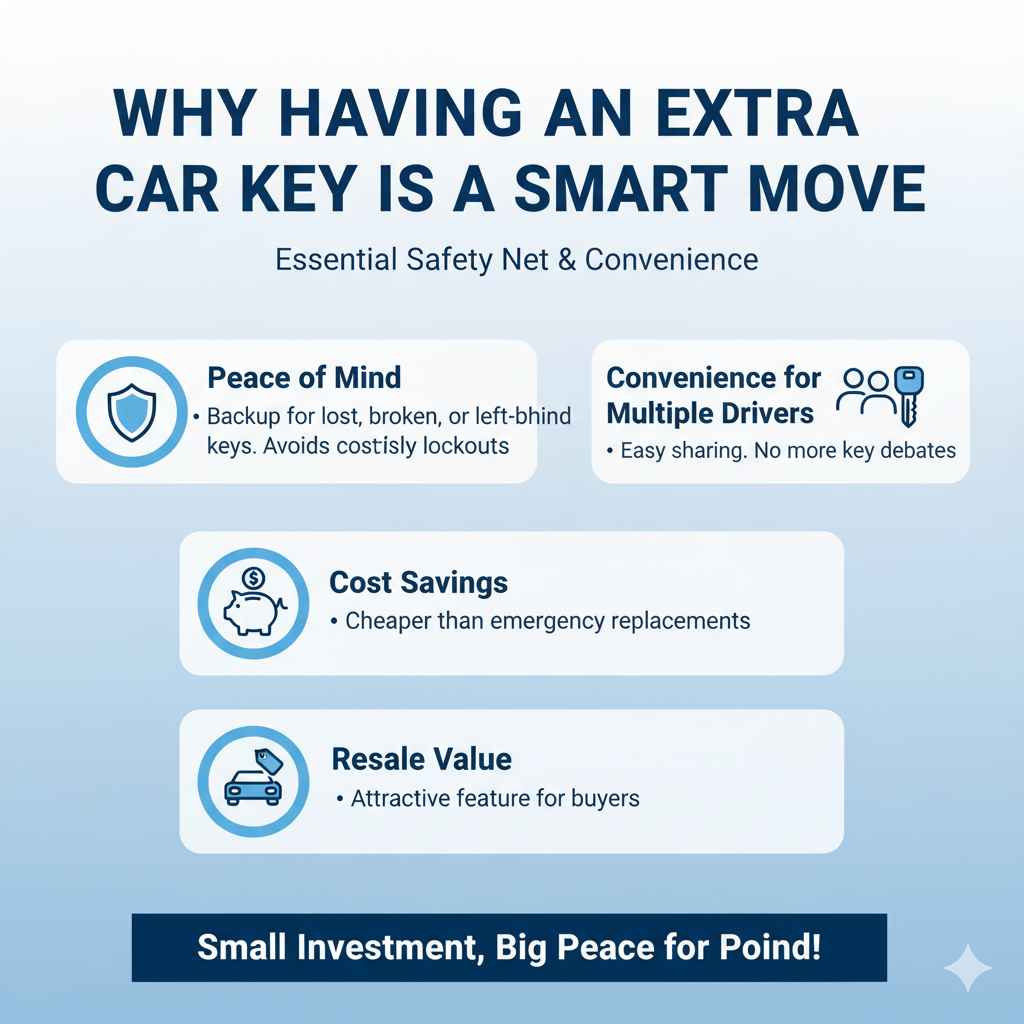
Why Having an Extra Car Key is a Smart Move
Think of an extra car key as an essential safety net for your vehicle. Life happens, and keys can get lost, misplaced, or even stolen. Having a spare can save you from major stress and unexpected expenses in these situations. It’s a small investment that provides significant peace of mind. Especially if you share driving duties, an extra key makes coordination much simpler.
Peace of Mind
Knowing you always have a backup if your primary key is lost, broken, or left behind is incredibly reassuring. No more calling expensive towing services or waiting hours for an emergency lockout service.
Convenience for Multiple Drivers
If multiple people drive your car, having more than one key makes life much easier. No more “who has the key?” debates or hurried exchanges.
Cost Savings
While getting a replacement key can seem daunting, exploring your options can lead to significant savings compared to emergency replacements.
Resale Value
When you decide to sell your car, having multiple keys can be an attractive feature for potential buyers, potentially increasing your car’s resale value.
Understanding Your Car Key Types
Before rushing out to get a copy, it’s important to know what kind of key your car uses. The type of key dictates the process and cost of getting a replacement. Modern cars often have more complex keys than older ones.
Standard Metal Keys
These are the simplest keys, typically made of solid metal with a cut pattern along the blade. They are common in older vehicles (generally pre-1995). These are the easiest and cheapest to duplicate.
Transponder Keys
Introduced in the mid-1990s, these keys have a small electronic chip (a transponder) embedded in the plastic head. This chip communicates with your car’s immobilizer system. Without the correct chip, the car won’t start, even if the key turns in the ignition. Duplicating these requires programming the new chip to match your car.
Remote Head Keys (or Key Fob Keys)
These keys combine a transponder chip with buttons for locking/unlocking doors, opening the trunk, and sometimes a panic alarm. Like transponder keys, they need to be programmed.
Smart Keys (or Keyless Entry Fobs)
These are the most advanced. They allow you to unlock and start your car without inserting a key, simply by having the fob within a certain range. These are the most complex and expensive to replace.
Where to Get an Extra Car Key: Your Best Options
Now that you know about key types, let’s explore the places you can go to get your extra key. Each option has its pros and cons regarding cost, convenience, and complexity.
1. The Dealership
Your car dealership is often the most straightforward, albeit sometimes the most expensive, option. They have direct access to your car’s manufacturer records and the specialized equipment needed to cut and program virtually any key for your vehicle, from standard to smart key fobs.
Pros:
- Guaranteed to have the correct key and programming for your specific make and model.
- Can often provide replacement keys even if you’ve lost all existing keys.
- Professional and authorized service.
Cons:
- Usually the most expensive option.
- May require an appointment, leading to potential delays.
- Can involve longer wait times for the key to be ordered and programmed.
What to Bring:
- Your Vehicle Identification Number (VIN).
- Proof of ownership (e.g., vehicle registration, title, or ID matching the VIN).
- An existing key (if you have one) – this often simplifies the process and can sometimes reduce the cost.
2. Automotive Locksmiths
Specialized automotive locksmiths are a fantastic alternative to dealerships. Many locksmiths are equipped to handle key cutting, transponder programming, and even creating smart keys for a wide range of vehicles. They often provide mobile services, coming directly to you.
Pros:
- Often more affordable than dealerships.
- Faster service, especially with mobile options.
- Can handle lockout situations and rekeying if all keys are lost.
- Expertise with various car brands and key systems.
Cons:
- Quality and expertise can vary between locksmiths; research is key.
- May not be able to service the very latest or obscure vehicle key systems.
What to Bring:
- Your VIN.
- Proof of ownership.
- An existing key (if available).
When choosing a locksmith, look for one certified by organizations like Associated Locksmiths of America (ALOA) or similar regional bodies to ensure they meet professional standards.
3. Hardware Stores and Key Cutting Shops
For standard, non-transponder metal keys, this is your go-to budget option. Many hardware stores and dedicated key cutting shops can quickly make a physical copy of your key for a low price.
Pros:
- Very affordable.
- Quick service.
- Widely available.
Cons:
- Cannot duplicate transponder, remote, or smart keys.
- They only make a physical copy; the key won’t be programmed to your car’s immobilizer system.
- The quality of the cut may sometimes be less precise than specialized services, potentially causing wear on your ignition cylinder.
What to Bring:
Your existing, standard metal key only. No VIN or proof of ownership is typically required for these basic copies, though some stores might ask.
4. Online Services and Key Blanks
You can also purchase key blanks or even programmed key fobs online. This often requires you to find a local locksmith or dealership to program the key once you receive it, adding a step and potential cost. However, buying just the blank key if you have a way to cut and program it yourself can be a cost-saver.
Pros:
- Potentially lower cost for key blanks or fobs compared to direct purchase from a dealer/locksmith.
Cons:
- Requires finding a separate service for cutting and programming.
- Risk of purchasing an incompatible key.
- No guarantee of quality.
What to Bring:
The specific make, model, year, and VIN of your car to ensure you order the correct compatible key blank or fob.
Step-by-Step Guide: How to Get Your Extra Key
Here’s a breakdown of the process, depending on the type of key you need.
Step 1: Identify Your Key Type
Look at your current car key. Does it have a plastic head? Are there buttons on it? If you have an older car with a simple metal key, you likely have a standard key. If there’s a plastic head, especially one that looks like it might have a small chip inside (often indicated by a symbol like a car with a lock), it’s likely a transponder or remote key. Consult your car’s owner’s manual or search online for your specific vehicle’s key system if you’re unsure.
Step 2: Gather Necessary Information & Documents
No matter where you go (dealer or locksmith), you’ll almost always need:
- Your Vehicle Identification Number (VIN): You can find this on your car’s dashboard (usually visible through the windshield), on your driver’s side doorjamb sticker, or on your insurance card and registration documents.
- Proof of Vehicle Ownership: This can be your vehicle registration, title, or even a bill of sale. You need to prove the car is yours.
- Your Government-Issued ID: This must match the name on the proof of ownership.
- An Existing Key (if you have one): If you are getting a copy made, having a working key is the easiest way. If you’ve lost all keys, the process is more involved but still possible.
Step 3: Choose Your Service Provider
Based on your key type and budget, decide whether you’ll use a dealership, an automotive locksmith, or a hardware store.
- Standard Metal Key: Hardware store or locksmith.
- Transponder Key: Automotive locksmith or dealership.
- Remote Head Key/Smart Key: Automotive locksmith or dealership.
Step 4: Contact and Get a Quote
Call your chosen provider to discuss your needs. Be specific about your car’s make, model, and year, and ask for a quote. Don’t hesitate to call a few places to compare prices. For example, if your car is a 2010 Honda Civic and you need a transponder key, ask, “How much to cut and program an extra transponder key for a 2010 Honda Civic?”
Step 5: Schedule the Service
Once you’ve chosen a provider and agreed on a price, schedule an appointment. If you’re using a mobile locksmith, they’ll come to your location. For dealerships or physical locksmith shops, you’ll need to bring your car to them.
Step 6: Key Cutting and Programming
This is where the magic happens. They will:
- Cut the Key: Using your existing key or your VIN/key code, they will cut the physical blade of the new key.
- Program the Chip/Fob: For transponder, remote, or smart keys, specialized diagnostic equipment will be used to program the new key’s transponder chip or fob to communicate with your car’s computer system. This process links the new key to immobilize your vehicle. This is critical; without proper programming, the car will not start.
The programming process can take anywhere from 15 minutes to over an hour, depending on the car’s system and the type of key.
Step 7: Test Your New Key
Before leaving the dealership or locksmith, test your new key thoroughly. Ensure it opens and locks the doors, starts the engine, and that all features (like remote lock/unlock) work correctly.
Cost Comparison: What to Expect
The cost of getting an extra car key can vary greatly. Here’s a general idea to help you budget. Prices are approximate and can fluctuate based on your location, vehicle, and the specific service provider.
| Key Type | Hardware Store (Copy) | Automotive Locksmith | Dealership |
|---|---|---|---|
| Standard Metal Key | $2 – $10 | $50 – $150 | $50 – $150 |
| Transponder Key | N/A | $100 – $250 | $150 – $350+ |
| Remote Head Key / Key Fob | N/A | $150 – $350 | $200 – $450+ |
| Smart Key / Keyless Entry Fob | N/A | $200 – $500+ | $300 – $600+ |
Important Note: These prices typically include cutting and programming. If you are buying a key blank online, the cost of cutting and programming will be additional.
Tips for Saving Money on Your Extra Key
Getting an extra key doesn’t have to break the bank. Here are some ways to keep costs down:
- Shop Around: Always get quotes from multiple automotive locksmiths and compare them to the dealership’s price.
- Ask About Existing Keys: If you have a working key, making a copy is almost always cheaper than creating a key from scratch when all keys are lost.
- Consider Older Cars: If your car only uses a standard metal key, a hardware store is by far the most economical choice. Ensure they have a good reputation for key cutting.
- Check Your Insurance Policy: Some comprehensive auto insurance policies or roadside assistance plans may offer coverage or discounts for lost keys. It’s worth checking!
- Buy Key Blanks Yourself (With Caution): If you’re tech-savvy and know your car’s exact key requirements, buying a blank key fob online and then paying a locksmith to program it can sometimes save money, but it carries risks if the blank isn’t compatible.
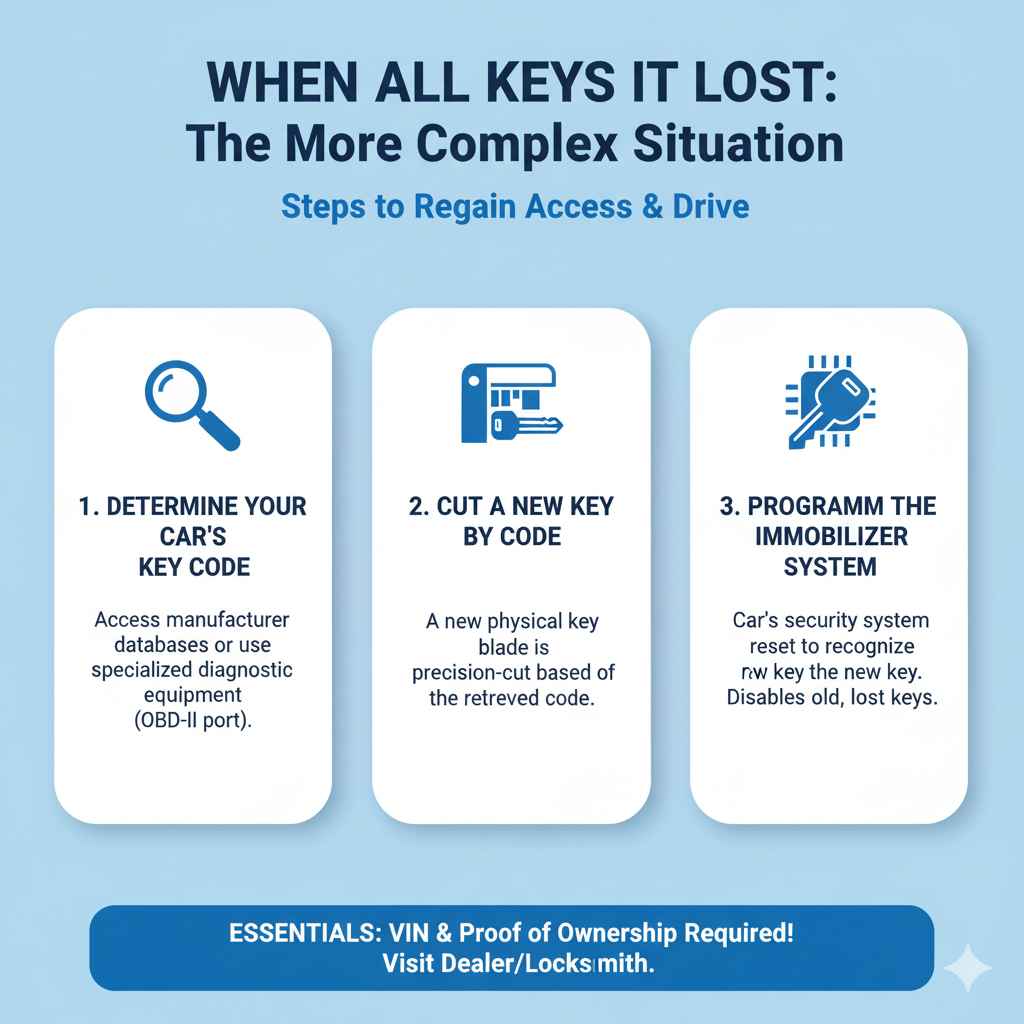
When All Keys Are Lost: The More Complex Situation
Losing all your car keys, including your spare, is a more challenging scenario, but it’s definitely solvable. The process will be more involved and usually more expensive as the locksmith or dealer needs to:
- Determine Your Car’s Key Code: This often involves accessing manufacturer databases or using specialized diagnostic equipment connected to your car’s OBD-II port.
- Cut a New Key by Code: A new key is cut based on the code, not by copying an existing one.
- Program the Immobilizer System: The car’s security system needs to be reset or reprogrammed to recognize the new key as the primary one. This often involves disabling any previous keys from being recognized.
In this situation, visiting a reputable automotive locksmith or your dealership is essential. They have the tools and access required for this complex procedure. You will definitely need your VIN and proof of ownership. Some modern vehicles, like many from Toyota, have complex immobilizer systems that require specific dealer-level tools for programming.
Frequently Asked Questions (FAQ)
Q1: How long does it take to get an extra car key?
For a standard metal key copy, it can take just minutes at a hardware store. For transponder, remote, or smart keys, it typically takes 30 minutes to 2 hours, depending on the complexity of the key and your car’s system, plus any travel or waiting time to get to the service provider.
Q2: Can I make a copy of my car key myself?
You can make a physical copy of a standard metal key at a hardware store if you have the original. However, you cannot copy transponder, remote, or smart keys yourself. These require specialized equipment to program the electronic chip to your car’s immobilizer system.
Q3: Is it cheaper to get a spare key from a locksmith or the dealership?
Generally, automotive locksmiths are more affordable than dealerships for transponder, remote, and smart keys. For simple metal keys, hardware stores are the cheapest, followed by locksmiths and dealerships, which are often similarly priced for those.
Q4: What information do I need to provide when getting an extra car key?
You will need your Vehicle Identification Number (VIN), proof of vehicle ownership (registration or title), and your government-issued ID. If you have an existing key, bringing it along can simplify the process, especially for basic copies.
Q5: My car key has a chip. Can any locksmith program it?
Not all locksmiths can program car keys. You need an automotive locksmith who specializes in key programming. Make sure to confirm their capabilities before booking a service. Dealerships can always program them.
Q6: What happens if I lose my only car key?
If you lose your only key, you will need to contact an automotive locksmith or your car dealership. They will be able to determine your car’s key code, cut a new key, and program the car’s immobilizer system to accept the new key. This is a more complex and expensive process than simply making a copy.
Q7: Will a key bought online work for my car?
A key blank purchased online might work, but there are risks. You must ensure it is specifically compatible with your car’s make, model, and year, as well as the correct key cutting profile and transponder frequency. You will almost certainly need to pay extra for a locksmith or dealer to cut and program it, and there’s no guarantee it will be compatible.