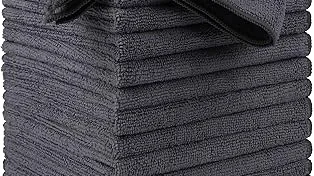
Top 5 Microfiber Cloth for Car
The best microfiber cloth for car care depends on the job: use 300–500 GSM plush towels for paint and some drying work, waffle-weave for drying and glass, low-pile towels for interiors, and keep at least five towels assigned to those tasks. Pick the wrong cloth and you can leave lint, streaks, swirls, or smeared cleaner behind. This guide breaks down the top 5 microfiber cloth types by use case, the specs that matter, and what to buy for drying, glass, paint, and interior cleaning.
Quick comparison
| Product | Badge | Best for | Price | ||
|---|---|---|---|---|---|
 |
POLYTE 300 GSM Multipurpose Microfiber Cleaning Towel,POLYTE | Our pick | 16 x 16 in. · quick dry · assorted colors | $35.69
Price as of 2 Nov 2026
|
View |
 |
Amazon Basics Microfiber Cleaning Cloths, Ultra Absorbent,Amazon Basics | Budget pick | 16 x 12 in. · ultra absorbent · blue/white/yellow | $10.38
Price as of 2 Nov 2026
|
View |
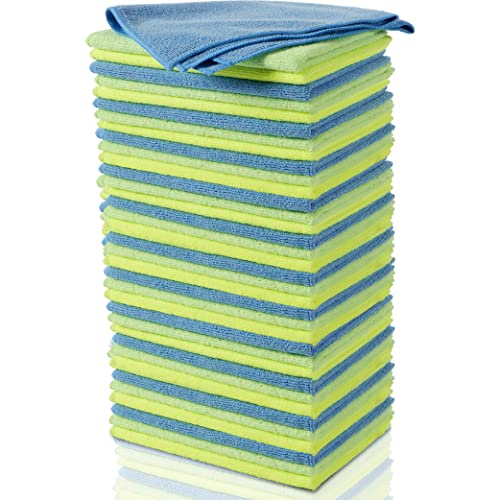 |
Zwipes Microfiber Towel Cleaning Cloths, 36 Pack, Assorted,Zwipes | Pair with it | Assorted · lint free · 36 pack | $25.57
Price as of 2 Nov 2026
|
View |
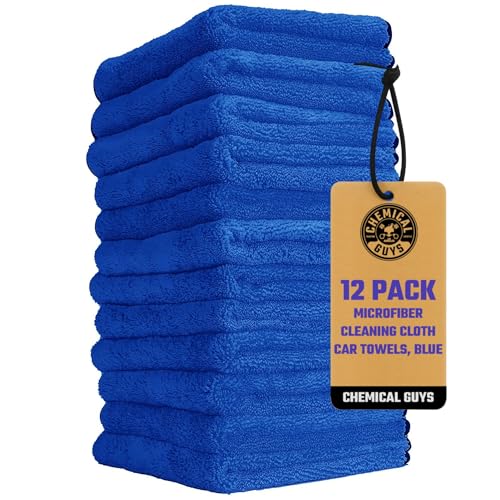 |
Chemical Guys, Professional Microfiber Towels, 16 x 16 in,Chemical Guys | Also great | 16 x 16 in. · scratch-free · blue | $36.99
Price as of 2 Nov 2026
|
View |
 |
The Rag Company The Pearl Detailing Towel, Ice Grey,The Rag Company | Upgrade pick | 16 x 16 in. · paint-safe · ice grey | $23.95
Price as of 2 Nov 2026
|
View |
Task fit matters more than brand name. A towel that works on wet paint can be wrong for windows, and a glass cloth can feel too light when you need to pull water off a full hood.
How we chose
The picks below use manufacturer specs, listing details, and published buyer feedback on linting, fraying, wash durability, and task fit. The list favors towels with clear use cases, sensible size, and edge or weave choices that suit drying, glass, paint, or interior work.
Also check whether each towel fits common detailing jobs: drying after a wash, streak-free glass cleaning, paint-contact wiping, and cabin cleanup. A towel that feels soft is not enough. Weave, pile, edge finish, and blend all matter.
Microfiber is widely used in car care because it absorbs well, can be washed and reused, and is less likely than rougher fabrics to leave visible marks on sensitive surfaces. It is not one category, though. The wrong pile or edge can still drag on black trim or haze glass.
Microfiber selection matrix
This matrix shows the working spec range that fits each task. Use it as a filter before you buy. If your vehicle is large, your climate is humid, or your wash method leaves more water behind, move toward the higher end of the drying ranges and larger towel sizes.
| Use case | GSM range | Pile height | Weave | Edge type | Common failure risk |
|---|---|---|---|---|---|
| Drying | 600–900 GSM | Long pile | Waffle weave or plush drying weave | Soft satin edge or edgeless on paint-adjacent panels | Streaks from saturated fibers, drag on finish if towel is too small or stiff |
| Glass | 300–350 GSM | Low pile | Tight weave, waffle weave, or glass cloth style | Edgeless or tightly finished edge | Lint, streaking, and residue haze on interior or exterior glass |
| Paint | 300–500 GSM | Short to medium pile | Plush or pearl-style paint towel | Edgeless preferred; satin-stitched if edge is soft and controlled | Swirls from dirty towel, seam marks, residue dragging on soft clear coat |
| Interior | 300–400 GSM | Short pile | Low-pile, multipurpose, or suede-like finish | Edgeless or soft sewn edge | Lint on piano-black trim, residue on screens, snagging on textured plastics |
Waffle weave towel: best for drying
A waffle-weave towel is usually the best drying tool because its textured pockets help pull water off panels fast. That matters after a wash, when you want strong absorbency without dragging a heavy, soaked towel across paint. The shape also helps when you are working through seams, mirrors, and panel gaps.
For drying, look for a large towel and a higher GSM range. Well Whisk describes a 600 to 900 GSM towel as plush for drying, and anything below 600 GSM as flimsy for car drying. That does not mean low-GSM towels are useless; it means they are better for glass, dusting, or lighter cleanup.
The other spec that matters is size. Popular Mechanics notes microfiber towel sizes can range from just a few inches wide to multiple feet. For a full wash day, bigger towels reduce the number of passes you make on paint, which helps limit contact and speeds the job.
Say your hatchback still has standing water on the roof and hood after rinsing. A large waffle-weave drying towel will usually be the safer first pass than a small plush cloth, because it can absorb more water before it starts to skid.
What to check in size and edge finish
Look for enough surface area to cover a panel without overworking one section. Edges should feel soft and controlled, because a stiff border can leave marks on sharp body lines or snag trim. Rounded corners and tagless construction are useful because they reduce hard contact points.
Edge stitching matters here. Reinforced or satin-stitched edges resist fraying better than raw seams, but the edge still needs to stay soft. A towel that looks premium can still be a poor match for paint if the binding is thick and firm.
When a drying towel beats a plush towel
Choose the drying towel when the car is wet, the panel count is high, or your climate slows evaporation. Plush towels feel softer, but a waffle weave often works better when the goal is water removal rather than final finish. The texture gives the towel more grab on moisture.
That is especially useful on larger vehicles and in humid weather. If you are drying a truck, SUV, or minivan, more absorbency per towel usually matters more than a very fluffy hand feel.
Glass cloth: best for windows
A glass cloth should be low pile or tightly woven so it leaves less lint and less streaking on glass. That is the main reason a dedicated glass towel works better than a general paint towel. Interior glass, exterior glass, mirrors, and touchscreens all benefit from a tighter wipe pattern.
What kind of microfiber towel is best for glass? Usually a lower-pile towel, a waffle-weave glass cloth, or a suede-style finish. The goal is even contact and fast residue pickup, not plushness. Lower GSM often fits that task better because thick, fluffy fibers can leave more drag and more lint on glass.
Which side of microfiber cloth to use on car glass? Use the cleaner, drier side first. If the towel is double-sided, start with one face for the cleaning pass and flip to a fresh face for the final buff. Once a side is damp with loosened residue, it can smear rather than clear.
Suppose the windshield has fog film and the dash has dust. A low-pile glass cloth can clear the glass without dumping dust back onto the panel, while a plush drying towel would be more likely to leave fibers behind.
Why lint control matters on interior and exterior glass
Glass shows mistakes immediately. If a towel sheds lint, the streaks show up under sunlight and night lighting alike. That is why pre-wash quality matters. A towel that frays early or sheds on the first use is a poor fit for windows even if it feels soft in hand.
Machine-washable microfiber care matters here too. A first wash before use helps remove loose fibers from manufacturing, which can reduce lint on the next detail session. Use a separate load from cotton, and keep towels away from fabric softener, which can coat fibers and hurt absorbency.
Edgeless towel: best for paint contact
An edgeless towel is a strong choice for paint contact because it removes seam-related scratch risk. That matters most on clear coat, glossy black paint, and other surfaces where a visible mark is easy to spot. Fewer hard boundaries mean fewer places for a stitch line to touch the finish.
For paint, look for a short to medium pile and a soft hand. Very plush towels can hold more residue, but they can also feel draggy on tight curves or trim edges. A controlled pile with an edgeless border is often the better balance for wiping detail spray, polish residue, or light contamination.
Are microfiber cloths safe for cars? They are safe when the towel matches the surface and is kept clean. The risk comes from dirty fibers, poor edge construction, or using the wrong towel on soft paint, not from microfiber itself. Always inspect the towel before paint contact.
How pile height changes drag and residue pickup
Long pile holds more liquid and debris, which helps with drying but can be too plush for precise paint work. Short pile glides more easily and is often better for leveling residue or wiping after a polish step. A lower-pile towel can also make it easier to see when it is dirty.
Edge stitching still matters even on an edgeless-style towel if the product has any border finishing at all. Satin-stitched or reinforced edges should stay soft, but if the border feels firm, keep that towel away from fresh or soft paint.
What to avoid on fresh or soft paint surfaces
Avoid stiff towels, visible seams, and anything that sheds the first time it touches the panel. Cheap towels that fray quickly or feel rough on the hand are not worth gambling on clear coat. If the towel catches on your knuckle, it can catch on paint too.
Higher GSM alone does not make a paint towel better. The weave, edge, and cleanliness matter just as much. A thick towel with poor finishing can still mark a panel if it traps dirt or drags residue instead of lifting it.
Suede cloth: best for polishing
A suede microfiber cloth has a smoother, lower-pile feel that works well for polishing and other delicate-surface tasks. It is not meant to feel fluffy. Instead, it gives more controlled contact, which is useful when you want a towel to move product without leaving heavy texture behind.
This style fits trim, delicate plastics, coated surfaces, and final wipe work where a softer, flatter touch matters. It can also work on glass when a very clean wipe is needed, but it is best treated as a specialty cloth rather than your only towel.
Microfiber towels are commonly made from a blend of polyester and polyamide. Microfiber is often described as 80 percent polyester and 20 percent polyamide, while another notes a standard automotive blend of 70% polyester and 30% polyamide. More polyamide generally improves absorbency, while polyester contributes softness and structure.
Where suede fits in trim, glass, and delicate surfaces
Use suede-style towels when you want controlled product pickup on small surfaces or when you need a towel with a lower-pile feel. It can be useful on piano-black trim and narrow interior pieces where a plusher cloth would be too bulky.
It is not the best all-purpose drying towel. The texture is usually too flat for that job. Think of it as a finish and polish tool rather than a water-removal tool.
Care notes that keep it soft and usable
Wash microfiber towels separately from cotton, keep them free of fabric softener, and dry them in a way that does not bake the fibers hard. Proper washing protects absorbency and keeps the towel from becoming stiff. That matters even more for low-pile or suede-style cloths, because their finish can change quickly if residue builds up.
For machine-washable microfiber care, a simple routine works best: sort by use, shake out loose grit, wash warm with a mild detergent, and avoid dryer sheets. If a towel starts to lint, split it into a less sensitive task such as door jambs or lower trim.
How many towels you need
A one-car wash day usually needs more than one towel type, because the towel that touches dirty lower panels should not be the same one you use on glass or piano-black trim. A practical starting point is at least five towels: one drying towel, one glass cloth, one paint towel, and two interior or reserve towels.
That count grows with vehicle size. A sedan can often be covered with fewer passes than an SUV or truck, while humid weather or a bucketless wash method can leave more water on panels. If the car stays wetter after rinsing, plan on extra drying capacity.
| Step | Towel type | How many to reserve | Why it gets its own towel |
|---|---|---|---|
| Initial drying | Waffle weave drying towel | 1 to 2 | Handles the most water and dirt load first |
| Final drying touch-up | Plush or second drying towel | 1 | Used only after the main towel is damp |
| Glass | Low-pile or glass cloth | 1 to 2 | Keeps streaking and lint off windows |
| Paint wipe or polish removal | Edgeless paint towel | 1 to 2 | Stays separate from dirty drying work |
| Interior and screens | Low-pile or suede-style cloth | 1 to 2 | Protects soft trim and display surfaces |
Reserve towels by step to prevent cross-contamination
- Use the drying towel only on washed exterior panels.
- Move to a separate glass cloth for windows and mirrors.
- Keep one edgeless towel for paint, wax, or sealant residue.
- Reserve a different towel for dashboard plastics, screens, and trim.
- Retire any towel that picks up grit, frays, or starts shedding.
How many towels should you buy for one car wash? A sensible minimum is five, but eight or more gives you room to separate tasks, color-code by use, and avoid pushing one towel past its clean working life. Color variety can help keep tasks separated.
Replacement cadence and when to retire a towel
Retire a towel when it sheds lint on glass, feels stiff after washing, or starts to fray at the edges. You do not need to throw away a towel after one use, but you should stop using it on paint as soon as it stops behaving cleanly. Lower-stakes jobs like jambs or wheel wells can extend its remaining life.
A common first-timer mistake is using one plush towel for everything. That can move dirt from the lower doors to the windshield in a single session. The fix is simple: keep separate towels and wash them by task, not all together.
Which one should you buy?
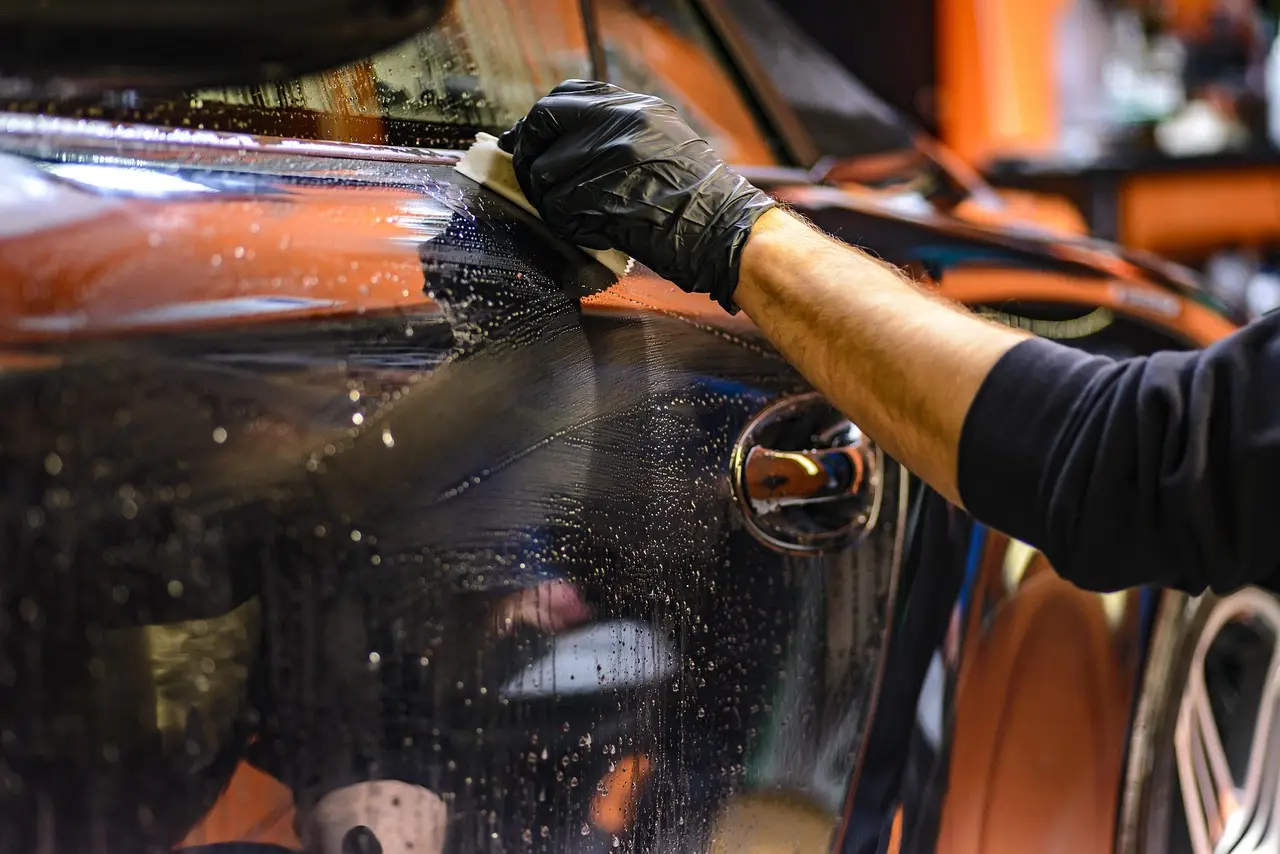
Start with the towel that matches your most frequent job. If you wash the car often and dry by hand, buy a waffle-weave drying towel first. If streak-free glass is your biggest frustration, buy a low-pile glass cloth. If you spend more time on polish residue and paint-safe wiping, choose an edgeless paint towel.
Best by budget
If price matters most, a multipack of general-purpose microfiber cloths can cover the basics of interior and light exterior work. The tradeoff is that these packs often lack a true task-specific weave, so you may still want one dedicated drying towel and one dedicated glass cloth.
Amazon Basics cloths and Zwipes cloths fit that broad-purpose lane better than specialty paint towels, based on listing details that emphasize absorbency, lint control, and washability. They are useful for interiors, door jambs, and cleanup, but they are not the most focused option for glass or final paint wipes.
Best by vehicle size
For larger vehicles, choose the towel that gives you the most surface area and water handling. A larger drying towel reduces the number of passes across a big hood or roof. Small cloths can work, but they make full-size SUVs and trucks more labor intensive.
Car Repair Mag lists KKV towels as 35″x 24″ extra-large drying towels, which shows the size direction to look for when you want one towel to cover more panel area. If your vehicle is compact, a standard 16 x 16 or 16 x 12 towel can still be enough for many tasks.
Best by climate and drying speed
In humid or cool conditions, water stays on the paint longer, so a higher-absorbency drying towel is the better buy. Waffle weave and plush drying towels help here. In hot, dry conditions, glass and final-wipe towels may matter more because residue flashes faster and shows on glass sooner.
The same source says a 600 to 900 GSM towel is plush for drying, which fits wet climates and larger panels well. For glass, a lower-GSM towel around 300 GSM is more appropriate because it keeps the finish cleaner and lighter.
Best by surface priority: glass, paint, or interior
If glass is the priority, choose a low-pile glass cloth first. If paint is the priority, choose an edgeless paint towel with a soft weave. If the cabin is your focus, a low-pile or suede-style towel will give the most controlled contact on screens, buttons, and trim.
What should you avoid when buying microfiber cloths for cars? Avoid towels that feel unusually stiff, fray at the edge, or shed lint in the first wash. Also avoid buying one universal towel and expecting it to do drying, glass, paint, and interior work equally well. Task fit matters more than a generic claim of softness.
Top 5 microfiber cloth types by use case
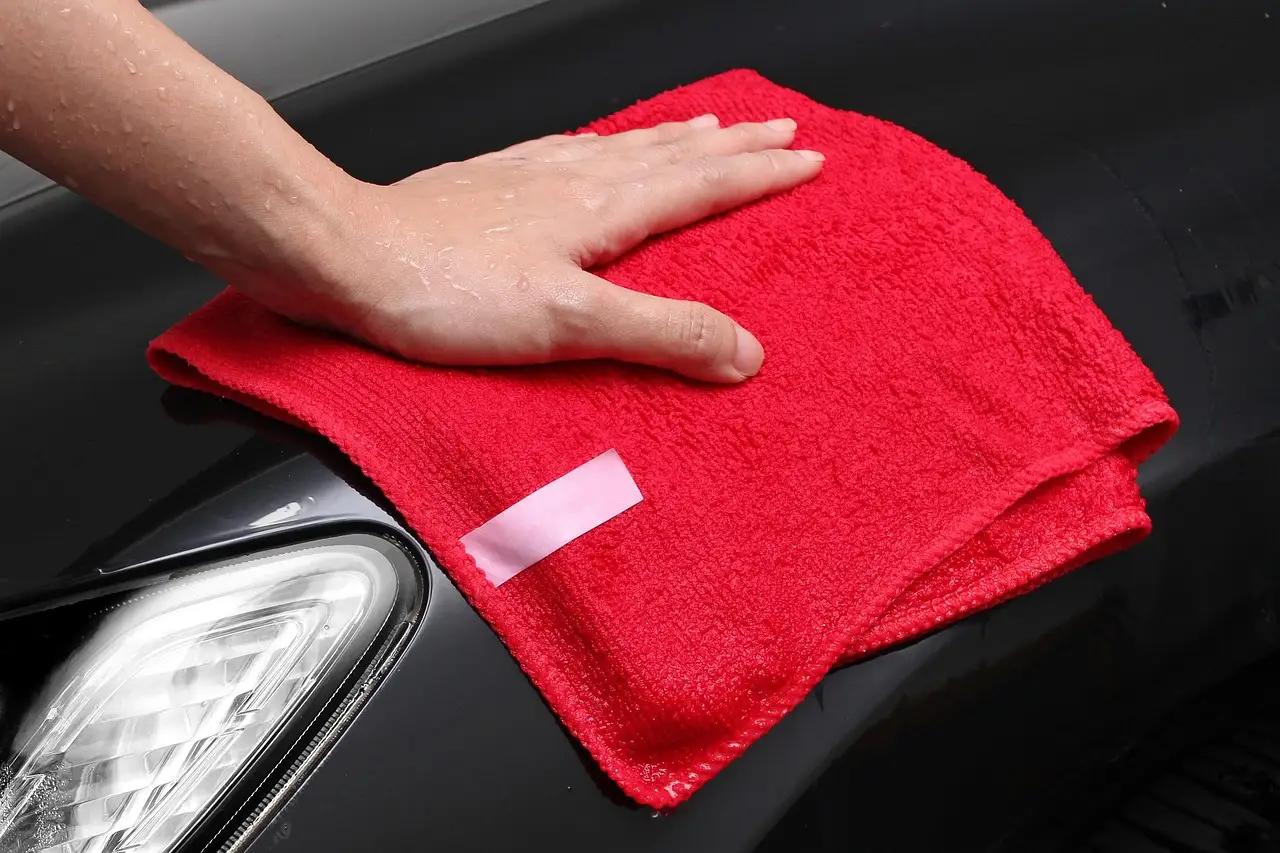
 As an Amazon Associate we earn from qualifying purchases. Prices and availability are accurate as of the date shown and are subject to change.
The Rag Company The Pearl Detailing Towel: best for paint and coatings
This towel is the strongest fit here for paint-adjacent work because the listing calls out an edgeless, tagless design, an 80/20 blend, 320 GSM, and a pearl weave. That combination suits leveling coatings, polishing, and careful wipe-down work where seam control matters.
Its main drawback is scope: a pearl weave is more specialized than a full drying towel, so it is not the first choice for soaking up wash water on a large SUV. It is better as a finish towel than as a primary drying towel.
As an Amazon Associate we earn from qualifying purchases. Prices and availability are accurate as of the date shown and are subject to change.
POLYTE 300 GSM Multipurpose Microfiber Cleaning Towel: best for glass and light cleanup
This is a practical low-GSM multipack for glass, screens, and quick dusting because the listing centers on 300 GSM, quick-dry behavior, and a tagless design. The 16 x 16 size is easy to handle for interior glass and trim, and the lower GSM fits streak control better than a plush towel.
The drawback is that it is a multipurpose cloth rather than a dedicated high-absorbency drying towel. For full exterior drying, it is less efficient than a true waffle-weave or plush towel.
As an Amazon Associate we earn from qualifying purchases. Prices and availability are accurate as of the date shown and are subject to change.
Amazon Basics Microfiber Cleaning Cloths: best for budget interior use
This pack is the budget-friendly option for general cleaning because the listing emphasizes ultra absorbency, lint-free and streak-free use, and machine washability. The 16 x 12 size is useful for interior cleanup, quick wipe jobs, and task separation when you want several towels in rotation.
The drawback is that the listing does not point to a specialized detailing weave, so it is less targeted than a paint-specific or drying-specific towel. It is a good value multipack, not a specialty detailing cloth.
As an Amazon Associate we earn from qualifying purchases. Prices and availability are accurate as of the date shown and are subject to change.
Zwipes Microfiber Towel Cleaning Cloths: best for task separation
This 36-pack is useful when you want color variety to separate jobs. The listing stresses lint-free, streak-free cleaning and machine washability, which makes it a sensible fit for divided use across interior plastics, jambs, and lower-risk exterior cleanup.
The drawback is the lack of a highly specific detailing weave or edge description in the listing details here. That makes it a broader utility buy rather than a focused drying or glass towel.
As an Amazon Associate we earn from qualifying purchases. Prices and availability are accurate as of the date shown and are subject to change.
Chemical Guys Professional Microfiber Towels: best for all-around detailing
This pack is the closest all-around fit for mixed car care because the listing says it is safe on clear coat, chrome, glass, and plastic, and that it is ultra-absorbent for water, sprays, and cleaners. That makes it useful when you need one towel family to cover several common tasks.
The drawback is that all-around towels can still be less exact than a dedicated glass cloth or a true waffle-weave dryer. They are flexible, but not the most specialized tool for streak-sensitive windows.
Frequently asked questions
Are microfiber cloths good for cars?
Yes. Microfiber cloths are good for cars when you match the towel to the task. They work well for drying, glass, paint, and interior work because they absorb water, trap residue, and can be washed and reused. The key is choosing the right pile, weave, and edge finish for the surface you are cleaning.
Which gsm microfiber cloth is best for car?
There is no single best GSM for every car job. For glass and light dusting, around 300 GSM is a strong fit. For drying, 600 to 900 GSM is better because it feels plusher and absorbs more water. Paint and interior work usually sit between those ranges.
Are microfiber cloths safe for cars?
They are safe for cars when they are clean, soft, and matched to the surface. The risk comes from dirt trapped in the towel, stiff edges, or using the wrong cloth on soft paint. Keep paint towels separate from dirty drying towels and inspect them before each use.
What GSM is best for drying a car
A drying towel usually works best in the 600 to 900 GSM range because that gives you a thicker, plusher feel and more water-holding capacity. Lower GSM towels can still work for smaller jobs, but they may feel too flimsy once they are loaded with water on a full-size vehicle.
What kind of microfiber towel is best for glass
A low-pile or tightly woven microfiber towel is best for glass. Waffle weave and suede-style cloths are common choices because they help reduce streaking and lint. Use one side for the cleaning pass and flip to a clean side for the final buff.
Products related to this article
Sponsored / affiliate links. As an Amazon Associate I earn from qualifying purchases. I may earn additional commission from eligible campaigns.