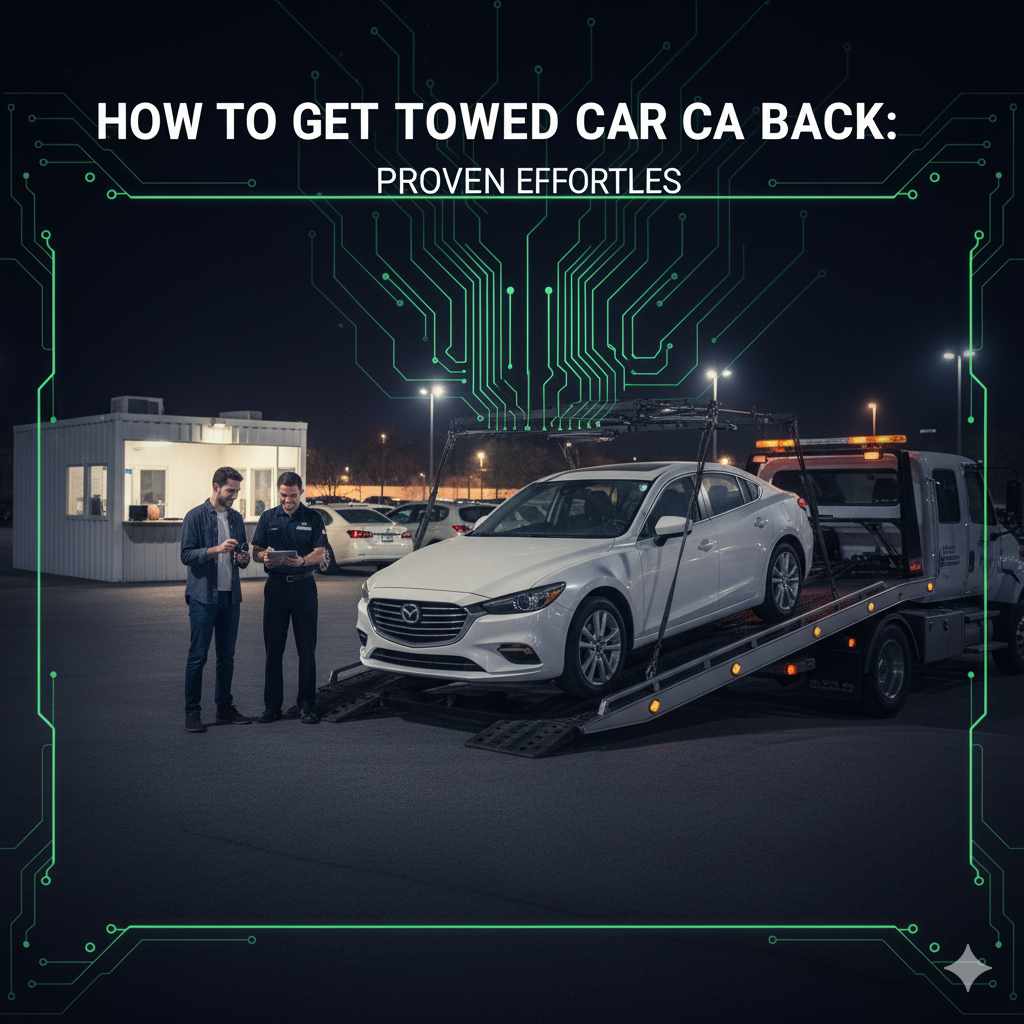
How To Get Towed Car Back: Proven Effortless
Don’t panic if your car was towed! Getting your towed car back is usually a straightforward process. You’ll typically need to provide proof of ownership, pay any associated fees, and follow the towing company’s specific procedure. This guide will walk you through each step, making it as painless as possible.
Finding your car missing can trigger a wave of worry. You search the usual spots, frantically retracing your steps, and then the sinking realization hits: your car has been towed. It’s a stressful and often costly experience, but understanding the process can turn a daunting situation into a manageable one. As your trusted automotive guide, I’m here to break down exactly how to get your towed car back, making it feel much less overwhelming. We’ll cover everything you need to know, from identifying where your car was taken to gathering the right documents and handling the fees. Let’s turn this frustrating moment into a quick resolution!
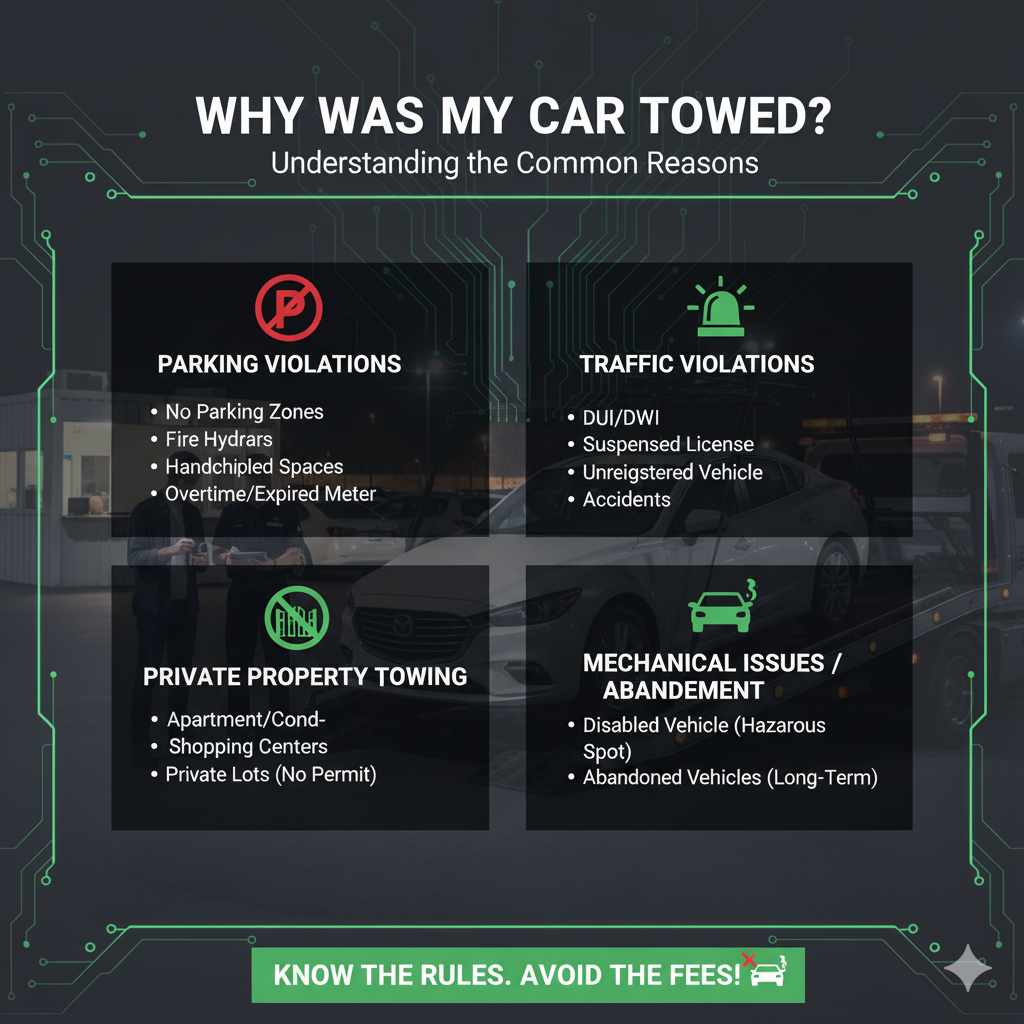
Why Was My Car Towed? Understanding the Common Reasons
Before you can get your car back, it’s helpful to understand why it was taken in the first place. This knowledge can not only help you retrieve your vehicle but also prevent future towing incidents. Towing usually happens for specific reasons, and knowing these can save you a lot of grief down the road.
Parking Violations: Keeping It Legal
This is the most common reason for a car to be towed. Parking illegally can disrupt traffic, block access, or inconvenience others. Common parking violations include:
- No Parking Zones: These are clearly marked areas where parking is prohibited.
- Fire Hydrants: Parking too close to a fire hydrant is a serious offense to ensure emergency services can access water.
- Handicapped Spaces: These are reserved for individuals with disabilities and require a valid permit.
- Blocking Driveways or Exits: Ensuring clear access for properties is crucial.
- Overtime Parking: Some areas have time limits, and exceeding them can lead to towing.
- Expired Meter: Not paying for parking or letting your meter expire in a paid zone.
Traffic Violations: Driving Safely
Law enforcement might tow your vehicle if you’re involved in certain traffic incidents or violations. This is often for safety reasons or as part of an investigation. Examples include:
- Driving Under the Influence (DUI/DWI): If you are caught driving while impaired, your car will likely be impounded.
- Driving with a Suspended or Revoked License: Operating a vehicle without a valid license is illegal.
- Unregistered Vehicle: Driving a car that hasn’t been properly registered with the state.
- Accidents: If your vehicle is involved in an accident and cannot be moved safely, it may be towed to a repair shop or impound lot.
Private Property Towing: Respecting Boundaries
If you park on private property without permission or in violation of posted rules, the property owner or their designated towing company can have your car removed. This often happens in:
- Apartment Complexes or Condominiums: Parking in resident-only spots without a permit.
- Shopping Centers: Parking in a way that blocks business access or for extended periods beyond what’s reasonable for shopping.
- Private Lots: Parking in areas clearly marked as private with no trespassing or unauthorized parking signs.
Mechanical Issues or Abandonment: When Safety is Compromised
If your car breaks down in a hazardous location, or if it appears to be abandoned on a public street, authorities may tow it for safety and to keep roadways clear. This can include:
- Disabled Vehicle: If your car breaks down in a dangerous spot and cannot be moved immediately.
- Abandoned Vehicles: Cars left unattended for a significant period, often appearing inoperable.
Step-by-Step: How to Get Your Towed Car Back Safely and Efficiently
So, you’ve confirmed your car has been towed. Take a deep breath. While it’s an inconvenience, follow these steps to get your vehicle back smoothly. We aim to make this process as easy as possible for you.
Step 1: Stay Calm and Figure Out Where Your Car Went
The first thing to do is not panic. Your car is likely at a reputable towing company’s impound lot, or possibly a police impound facility. Here’s how to find it:
- Check for Signs: Look around where you parked for any towing signs. These often have the towing company’s name and phone number.
- Contact Local Police (Non-Emergency Line): If you can’t find signs or if your car was towed for a moving violation or after an accident, call the local police department’s non-emergency number. They maintain a record of towed vehicles. You can usually find this number online with a quick search for “[Your City/Town] Police Non-Emergency Number.”
- Contact Your Local Department of Motor Vehicles (DMV): In some areas, the DMV may have a system for tracking towed vehicles, especially if the tow was related to registration or license issues.
- Call City Hall or Public Works: If your car was towed from a public street for parking violations, city authorities might have records.
When you call, be ready to provide your license plate number, vehicle make and model, and the approximate location where it was last parked. This information will help them identify your car quickly.
Step 2: Gather Necessary Documentation
To prove the car is yours and that you are legally allowed to retrieve it, you’ll need specific documents. Having these ready will speed up the process considerably.
-
Proof of Ownership: This is crucial. You’ll need one of the following:
- Vehicle Title (original or a certified copy)
- Vehicle Registration (current and valid)
- Valid Photo Identification: A government-issued ID like a driver’s license or passport. It must match the name on the ownership documents.
- Proof of Insurance: While not always required by the towing company, it’s good practice to have your current insurance policy information handy. Some impound lots may ask for it.
- Payment Method: Be prepared to pay the towing and storage fees. Check with the impound lot about accepted payment methods (cash, credit card, money order).
Step 3: Understand and Pay the Fees
Towing and storage fees can add up quickly. These fees are set by state and local regulations, as well as the towing company’s own rates. They typically include:
- Towing Fee: The cost to physically move your car from its location to the impound lot.
-
Storage Fee: A daily rate charged for each day your car remains at the impound lot.
- The longer you wait, the higher this fee will be.
- Administrative Fee: Some lots charge a fee for processing the release of the vehicle.
- Late Fees/Interest: If you don’t retrieve your car promptly, additional penalties might apply.
It’s wise to call the impound lot in advance to get an accurate quote for the total amount due. Ask about their specific hours of operation for vehicle pick-up, as these can differ from their general business hours.
A Note on “How to Get a Towed Car Back Without Paying”: While the desire to avoid fees is understandable, it’s generally not possible to retrieve a legally towed car without paying the accumulated charges. These fees cover the towing service and the storage of your vehicle. Attempting to retrieve your car without paying will result in it remaining impounded, and the fees will continue to increase. Focusing on retrieving it efficiently, by understanding and preparing for these costs, is the most effective approach.
Step 4: Retrieve Your Vehicle
Once you have all your documents and are ready to pay, head to the impound lot. Remember:
- Go During Pick-Up Hours: Many impound lots have specific times when vehicles can be picked up, often during standard business hours.
- Inspect Your Vehicle: Before driving away, thoroughly check your car for any new damage that may have occurred during the towing process. If you find any, photograph it immediately and report it to the towing company supervisor.
- Sign Release Paperwork: You’ll sign documents acknowledging that you’ve received your vehicle and are responsible for any outstanding fees.
If you are not the registered owner but have legal authorization (like a power of attorney) to pick up the car for someone else, you will need to bring that specific documentation along with your own ID and the owner’s required documents. Check this beforehand with the impound lot.
What If My Car Was Towed By the Police for Other Reasons?
If your car was towed by law enforcement for more serious reasons, such as DUI, driving with a suspended license, or as evidence in an investigation, the process might be slightly different and potentially more involved.
Impound Lot vs. Police Impound
Sometimes, police will tow cars to a specific police impound yard, which operates under different rules than private towing companies. Other times, they may still use a contracted private towing service. The police department that ordered the tow will be able to tell you exactly where your car is located.
Hold Periods and Release Procedures
Vehicles towed by police might have mandatory hold periods, especially in cases of illegal activity. You may also need clearance from the arresting officer or the court before the impound lot will release your vehicle. This can involve:
- Resolving the Underlying Issue: This could mean paying fines, appearing in court, or clearing up license suspensions.
- Obtaining a Release Form: You might need a specific release form from the police department or court to present to the impound lot.
Contacting the Issuing Authority
Your primary point of contact in these situations will be the specific police department that authorized the tow. They can guide you on the exact steps, required documentation, and any additional fees or legal procedures involved.
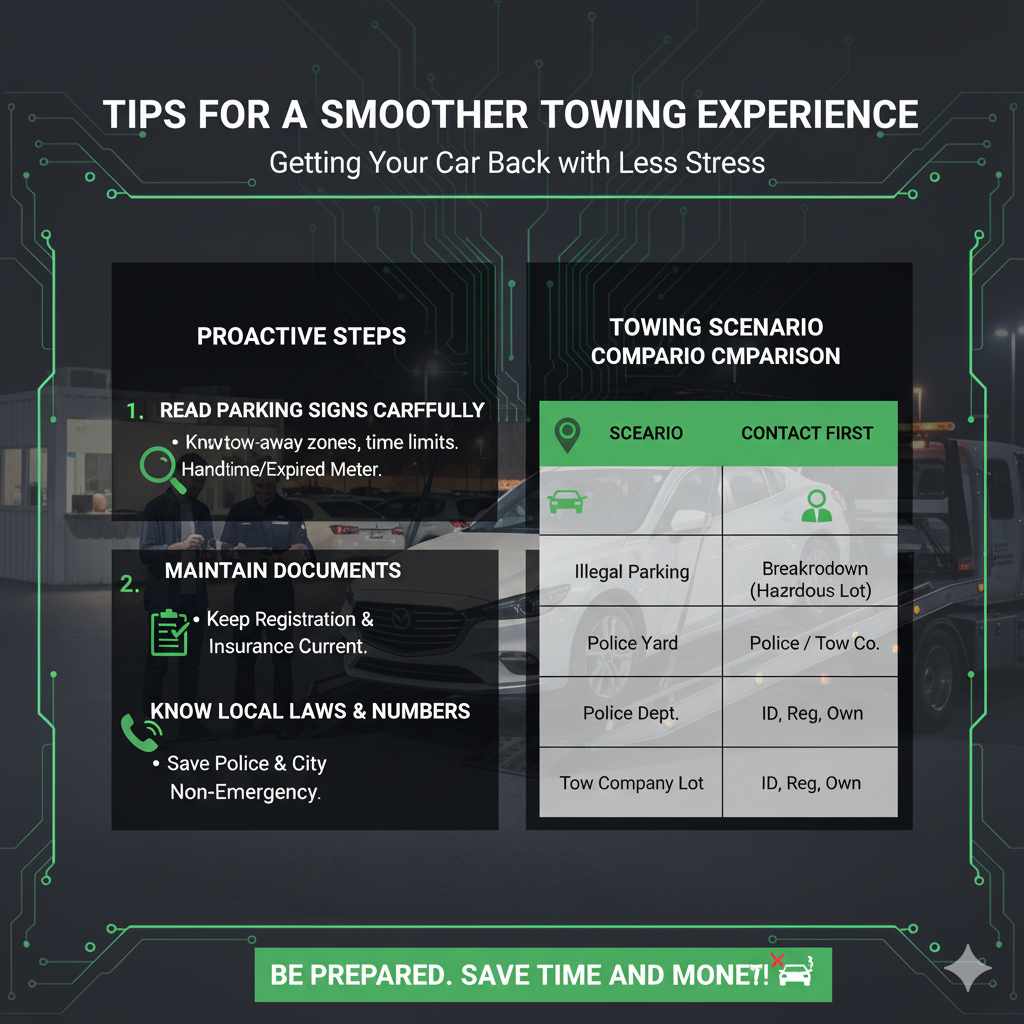
Tips for a Smoother Towing Experience
While no one wants their car towed, a few proactive steps can make the retrieval process less stressful.
- Read Parking Signs Carefully: Always take a moment to understand parking restrictions in new areas. Look for signs indicating tow-away zones, time limits, or permit requirements.
- Keep Your Registration and Insurance Up-to-Date: Expired documents can sometimes lead to your vehicle being flagged and towed.
- Know Local Ordinances: Familiarize yourself with parking rules in your city or town. This information is often available on your local government’s website. For example, the U.S. Department of Transportation provides a wealth of information on transportation laws and regulations that can indirectly inform local parking rules.
- Program Important Numbers: Save the non-emergency numbers for your local police and potentially your city’s parking enforcement on your phone.
- Don’t Abandon Your Vehicle: If your car breaks down, try to move it to a safe location if possible and call for a tow truck immediately. Leaving a car in a hazardous spot can lead to it being towed and incurring additional fees.
Here’s a quick comparison of common towing scenarios:
| Scenario | Likely Location of Car | Who to Contact First | Key Documents to Have Ready |
|---|---|---|---|
| Illegal Parking (Street) | Private Towing Company Impound Lot | Local Police (Non-Emergency) | ID, Registration, Proof of Ownership |
| Illegal Parking (Private Property) | Private Towing Company Impound Lot | Property Manager/Owner or Towing Company (if known) | ID, Registration, Proof of Ownership |
| Traffic Violation (e.g., Impaired Driving) | Police Impound Yard or Contracted Towing Company | Issuing Police Department | ID, Registration, Proof of Ownership, Potential Court/Release Forms |
| Vehicle Breakdown (Hazardous Location) | Towing Company Lot (often your choice or police direction) | Police (if blocking traffic/safety hazard) then Tow Company | ID, Registration, Proof of Ownership (for retrieval) |
Remember, the goal is to retrieve your car as efficiently as possible, so being prepared with the right information and documents is key. For more detailed information on vehicle laws and regulations, you can refer to official state resources, like your state’s Department of Motor Vehicles website.
Frequently Asked Questions (FAQ)
Here are some common questions people have when dealing with a towed car.
Q1: How long can a car be stored before it’s considered abandoned?
A1: Storage periods vary significantly by state and local law. Typically, after a certain number of days (often 30 days or more) with no contact from the owner and fees unpaid, a vehicle can be declared abandoned and potentially sold at auction by the impound lot to recoup their costs.
Q2: Can I get my car back if it’s not currently registered?
A2: You can usually get your car back even if it’s unregistered, but you’ll still need to pay all towing and storage fees. However, you cannot legally drive the car off the lot without proper registration and insurance. You may need to arrange for a tow truck to move it to your home or a repair shop.
Q3: What if I can’t afford the towing and storage fees?
A3: Unfortunately, there’s no easy way around these fees if the tow was legal. If you’re facing financial hardship, contact the impound lot immediately to discuss potential payment plans, though these are not always offered. In some specific legal situations or hardship cases, you might consult with legal aid services, but this is rare and does not guarantee fee reduction. The longer you delay, the higher the fees will become.
Q4: Can a towing company charge excessive fees?
A4: Towing and storage fees are usually regulated by state or local governments. If you believe the fees are excessive or illegal, you can dispute them. Contact your local consumer protection agency or the Department of Transportation for guidance on disputing towing charges.
Q5: My car was towed, but I don’t think I did anything wrong. What should I do?
A5: If you contest the reason for the tow, you have the right to a hearing. Contact the towing company and the authority that ordered the tow (police or city parking enforcement) to understand the process for requesting a hearing. Document everything, including the location, signage (or lack thereof), and any conversations you have.
Q6: Can someone else pick up my towed car for me?
A6: Yes, typically a designated agent can pick up your car. However, they will need a notarized letter of authorization (or a valid power of attorney) from you, along with a copy of your photo ID and proof of ownership, in addition to their own valid photo ID. Always confirm the specific requirements with the impound lot beforehand.
Don’t Let a Towed Car Ruin Your Day
Discovering your car has been towed is a moment of frustration, but it doesn’t have to be a prolonged crisis. By understanding the common reasons for towing, knowing exactly what documents and payment you’ll need, and following the steps outlined above, you can navigate the process with confidence and efficiency. Remember to stay calm, gather your proof of ownership and ID, and be prepared to pay the necessary fees. This preparedness is the key to a swift and “effortless” retrieval of your vehicle.
My goal is to empower you with clear, actionable advice so you can handle unexpected car-related situations like this one. Take a deep breath, follow this guide, and you’ll have your car back before you know it. Drive safely, park legally, and don’t let a towed car derail your day!