How to Hold Car Seat: Expert Tips for Safety
You know the importance of keeping your child safe in the car. But figuring out how to properly hold a car seat can be confusing.
You want to make sure you’re doing it right, not just for peace of mind, but for your child’s safety. Imagine cruising down the road, knowing that your little one is secure and protected. This article will guide you step-by-step, making it easy for you to hold your car seat correctly.
You’ll discover simple tips and tricks that can make a big difference. So, if you’re ready to ensure maximum safety for your child and gain confidence in your car seat handling skills, keep reading. You won’t want to miss these essential insights!
Choosing The Right Car Seat
Different car seats for different ages. Infant seats for newborns. Convertible seats for toddlers. Booster seats for older kids. Each type has unique features. Safety and comfort are key. Choose wisely based on age and size.
Car seats have specific age limits. Weight matters too. Infant seats support up to 20 pounds. Convertible seats handle up to 65 pounds. Booster seats for kids over 40 pounds. Always check labels. Ensure proper fit for your child.
Safety certifications are crucial. Look for federal approval. Check for crash test ratings. Trusted brands are reliable. Certifications ensure quality. Protect your child with certified seats. Always verify before buying.
Proper Installation Techniques
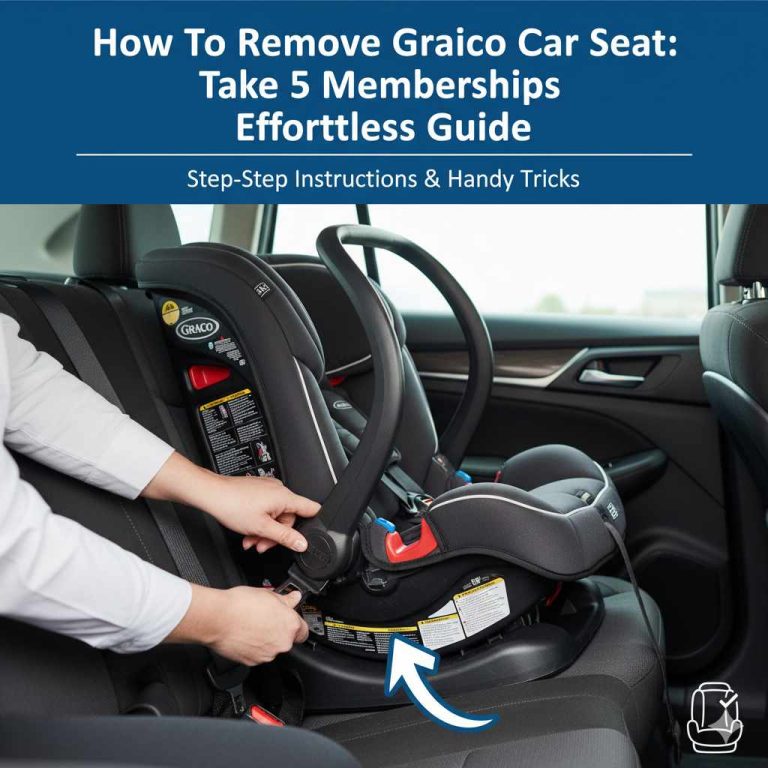
LATCHstands for Lower Anchors and Tethers for Children. This system helps secure car seats. It uses metal bars in the car. Push the seat’s clips onto these bars. Listen for a click. The click means it is locked. Pull to check if it is tight. Make sure the seat does not move. Follow the car’s manual instructions. Also, check the seat’s manual.
Use the car’s seat belt to hold the car seat. Thread the belt through the seat’s path. Buckle it tight. Lock the belt by pulling it all the way out. Let it go back slowly. Check if it is tight. Shake the seat gently. It should not move more than an inch. Always read the car seat manual.
The seat must be at the right angle. Look for angle indicators on the seat. These indicators help you set the angle. Some seats have a bubble level. The bubble should be in the middle. Use towels or noodles to adjust the angle. Make sure the baby is comfortable. Safety is the most important.
Securing Your Child Correctly
Harness straps should be at or below the child’s shoulders. Ensure the straps are not twisted. Pull the straps snugly. Check that only one finger fits under the strap. This prevents movement.
Place the chest clip at armpit level. Align it with the child’s armpits. This keeps the harness straps in position. Secure the clip after tightening the straps. It helps prevent the straps from sliding.
The harness should be tight against the child. Make sure the child cannot wiggle out. Adjust the straps to remove slack. A snug fit is safer. Double-check everything before starting the car.

Credit: www.youtube.com
Common Mistakes To Avoid
Loose harness straps can be dangerous. They must be snug. A snug strap keeps your child safe. Check the straps every time. Adjust them as needed. This ensures proper fit. Always make sure the harness is not twisted.
Incorrect recline angle affects safety. The seat must recline right. Use the car seat manual. It shows how to adjust the angle. A wrong angle can cause harm. Always check the level indicator. This helps in setting the correct angle.
Expired car seats are unsafe. They may not work well in a crash. Check the seat’s expiration date. It is on the label. Never use a seat past its date. Replace it with a new one for safety.
When To Transition Car Seats
Children grow fast. It’s important to check their car seat fit. Knees bent over the seat edge? It’s time to change. Shoulders above the harness slots? That’s another sign. Weight limit reached? Definitely time for a new seat. Always follow the seat’s instructions. Keep your child safe on every ride.
Booster seats help the seat belt fit right. Children must sit back against the seat. Feet should touch the floor. The belt must cross the chest, not the neck. Lap belt over the thighs, not the belly. Choose a booster when they are big enough. Safety first, every trip.
Seat belts are for bigger kids. Must sit without slouching. The belt should fit across the shoulder. Lap belt should be snug over the hips. Children must reach the right height. Usually around 4 feet 9 inches. Make sure they are ready for this change.
Maintenance And Care
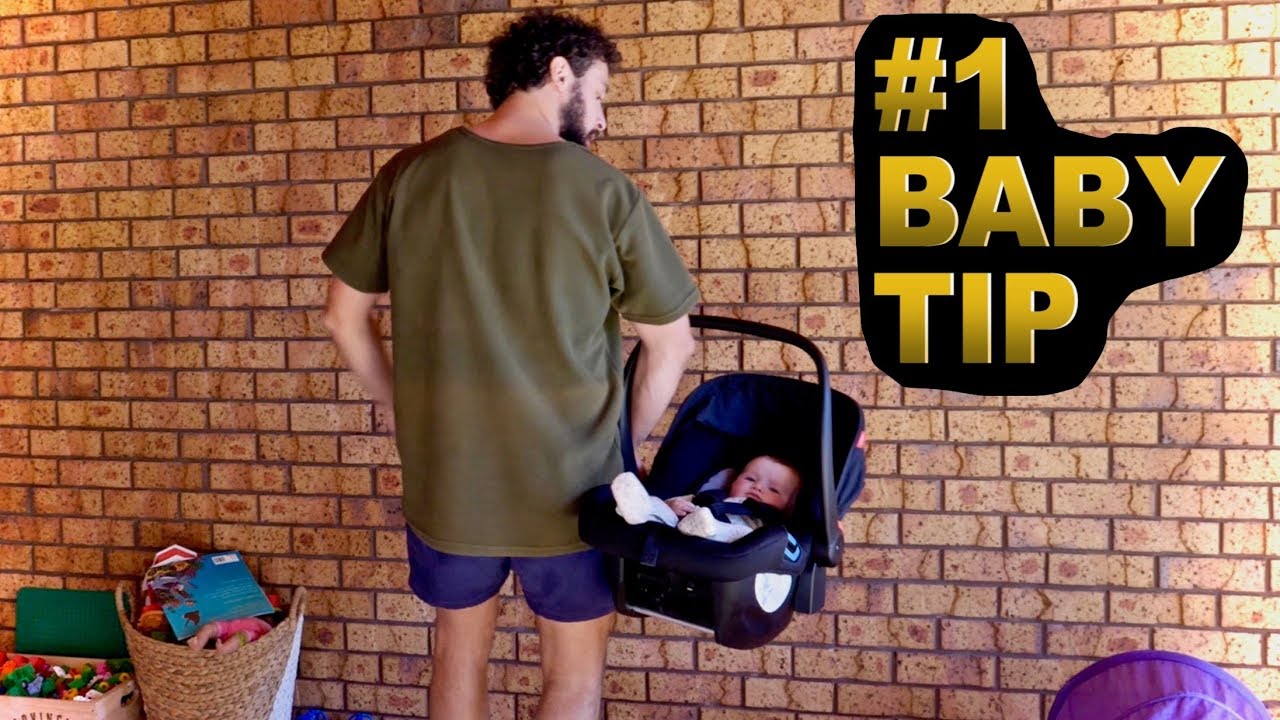
Properly holding a car seat ensures safety. Grasp the seat firmly by its base and handle. Avoid jerky movements for stability and comfort during transportation.
Cleaning The Car Seat
Keeping the car seat clean is important. Dirt and crumbs can gather fast. Use a vacuum to remove crumbs and dust. A damp cloth helps wipe away stains. Mild soap can be used for tougher spots. Avoid harsh chemicals that may damage the fabric. Regular cleaning keeps the seat fresh.
Regular Safety Checks
Check the seat regularly for loose screws or parts. Tighten any loose belts. Ensure the seat is securely attached to the car. Look for any cracks or wear. A safe seat protects your child better. Safety checks help avoid accidents.
Replacing After Accidents
After an accident, the seat might be damaged. It’s best to replace it. Damage may not be visible but can affect safety. New seats ensure your child stays protected. Always choose a seat that fits your car and child. Safety is the priority.

Credit: www.yoderptw.com
Frequently Asked Questions
How Do I Position A Car Seat?
Position the car seat in the rear seat, facing the correct direction based on your child’s age. Ensure it is securely latched using the vehicle’s seat belt or LATCH system. Adjust the angle according to the manufacturer’s guidelines to ensure maximum safety and comfort for your child.
What Is The Safest Way To Hold A Car Seat?
Hold the car seat with both hands using its handle. Keep your back straight and avoid twisting your torso. Lift with your legs to prevent strain. Ensure the car seat is securely fastened before lifting to prevent accidents and ensure the child’s safety during transport.
Can I Use The Car Seat In The Front Seat?
It’s recommended to place car seats in the back seat for safety. Front seats pose risks due to airbags and proximity to the dashboard. Rear seats are generally safer and reduce injury risks in accidents. Always follow the manufacturer’s guidelines and local regulations for car seat placement.
How Tight Should Car Seat Straps Be?
Car seat straps should be snug, allowing no more than one finger width between the strap and your child’s chest. Ensure the harness clip is at armpit level. Properly adjusted straps prevent movement and provide maximum safety during a collision or sudden stop.
Conclusion
Securing your car seat properly ensures your child’s safety. Follow the steps provided to guarantee a snug fit. Always double-check the seat’s position and harness tightness. Consistent practice makes the process easier over time. Remember, a well-installed seat protects during every ride.
Share this guide with other parents. Safe travels and peace of mind await you. For any concerns, consult your car seat manual. Stay informed and prioritize your child’s safety.