How to Know If Your Car is Low on Oil: Essential Tips
You rely on your car every day, whether for commuting, errands, or road trips. But what happens when it’s low on oil?
The engine is the heart of your vehicle, and oil is its lifeblood. Without enough oil, your car can suffer severe damage, leading to costly repairs. Imagine driving down the highway, and suddenly, your engine starts making strange noises. Or worse, it breaks down completely.
You don’t want to face that frustration and expense. By understanding how to check your car’s oil level, you can prevent these issues and keep your vehicle running smoothly. This article will guide you through the simple steps to determine if your car is low on oil. You’ll learn the signs to watch for and gain peace of mind knowing you’re keeping your car in optimal condition. Stay with us, and you’ll discover how easy it is to keep your engine healthy and avoid unexpected breakdowns.
Signs Your Car Is Low On Oil
A bright oil light on the dashboard means trouble. It alerts you about low oil levels. Ignoring it can lead to engine damage. Check oil levels soon if this light comes on. It’s like your car asking for help.
Strange noises? Knocking or ticking sounds from the engine could mean low oil. Oil helps parts move smoothly. Without enough oil, parts rub together. This causes weird sounds. Listen closely when driving.
A burning smell inside the car is not normal. This smell might be from oil burning in the engine. Low oil levels can cause this. The engine gets too hot without enough oil. Smelling something odd? Check oil levels fast.

Credit: www.hondaofbaycounty.com
Checking Oil Levels
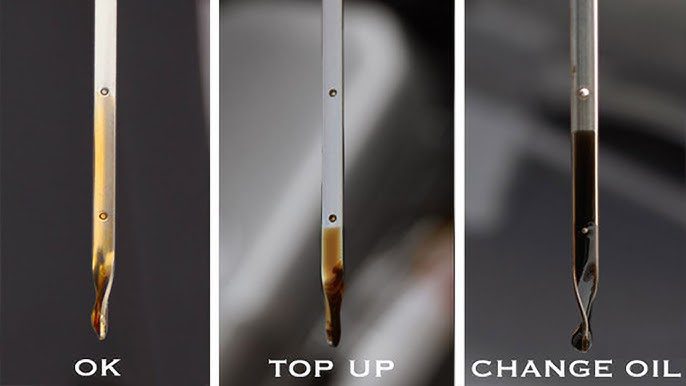
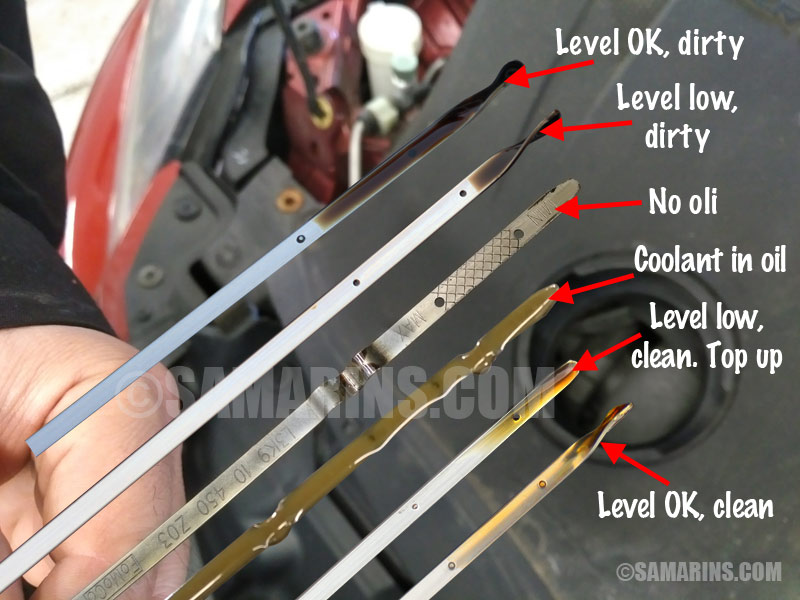
Open the car hood. Find the dipstick near the engine. Pull it out gently. Wipe it clean using a rag. Insert it back fully. Pull it out again to check. Look at the oil mark. It should be between the low and high marks. If it is near low, add more oil. This helps keep the engine safe.
Oil should be golden brown. If it’s dark or black, it needs changing. Feel the oil between fingers. It should be smooth. Gritty oil can harm the engine. Regular checks keep the car healthy.
Frequency Of Oil Checks
Checking your car’s oil is important. You should check the oil every 3,000 miles. Some cars need checks after 5,000 miles. Always read your car’s manual. It tells the best time to check. Older cars may need more frequent checks. Listen to any warning signs from your car.
Driving habits affect oil use. Fast driving uses more oil. Slow, steady driving saves oil. Weather can also affect oil. Hot weather may use more oil. Cold weather may use less. Car age matters too. Older cars often use more oil. Keep these factors in mind for your car’s health.
Credit: www.car-inspectors.com
Consequences Of Low Oil
Engines need oil to work well. Low oil causes parts to rub together. This can cause damage. Engines may become noisy. You might hear knocking sounds. Low oil can lead to overheating. Parts can get too hot and break. Repairing an engine can cost a lot. It’s better to keep oil levels right.
Cars use more fuel with low oil. Engines work harder. This means higher fuel costs. You might see more trips to the gas station. Keeping oil at the right level can help. It makes the car use fuel better. Saving money is easier when the car runs well. Oil helps parts move smoothly. Less friction means less fuel used.
Preventive Maintenance Tips
Cars need oil to run smoothly. Oil changes are important. They keep the engine healthy. Old oil can harm the car. Change oil every 3,000 miles. Or follow the car’s manual. Fresh oil helps the engine run better. It also saves fuel. Regular oil changes prevent engine problems. Do not skip them. They are simple but vital.
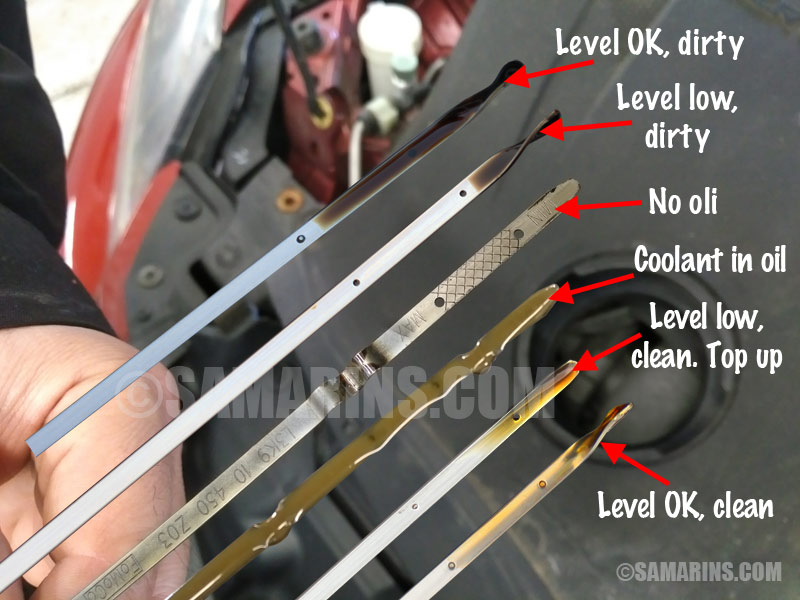
Check the oil level often. Use the dipstick for this. Keep the oil level between the marks. Low oil can damage the engine. It may cause overheating. Listen for strange engine noises. They might mean low oil. Check for oil leaks under the car. A small leak can lead to big trouble. Always keep an eye on the oil light. It warns you if the oil is low.
Credit: www.samarins.com
Choosing The Right Oil
Motor oil comes in various types. Each type has its own use. Synthetic oil is man-made. It performs well in extreme temperatures. Conventional oil is natural. It is good for older engines. High-mileage oil helps cars with over 75,000 miles. It reduces oil burn and leaks. Synthetic blend is a mix. It offers some benefits of both types. Choose the right oil for your car. Always check your car’s manual. It tells the best oil to use.
Climate affects oil choice. Hot places need thick oil. It protects the engine better. Cold places need thin oil. It flows easily in the engine. Viscosity matters in climate. It shows how thick or thin the oil is. Check the viscosity rating on the bottle. The number before “W” is for cold flow. The number after is for heat. Pick oil with the right rating for where you live.
Frequently Asked Questions
How Can I Check My Car’s Oil Level?
To check your car’s oil level, first ensure the engine is cool. Locate the dipstick, pull it out, and wipe it clean. Reinsert it fully, then remove it again to check the oil level. The oil should be between the minimum and maximum marks.
What Are Signs Of Low Oil In A Car?
Signs of low oil include the oil warning light turning on, unusual engine noises, or overheating. You might also notice a burning oil smell or reduced engine performance. Regularly checking your oil level can prevent these issues.
Can Low Oil Damage My Engine?
Yes, low oil can cause significant engine damage. Oil lubricates engine components, reducing friction and heat. Without enough oil, parts can wear out quickly, leading to costly repairs. Ensure your car always has sufficient oil to avoid damage.
How Often Should I Check My Car’s Oil?
It’s recommended to check your car’s oil at least once a month. Regular checks help you monitor oil levels and quality. Frequent checks ensure your engine runs smoothly and efficiently, preventing potential issues from arising.
Conclusion
Regular oil checks keep your car running smoothly. Low oil can damage your engine. Listen for unusual noises. Watch for warning lights. Check your oil level often. Follow the steps to ensure your oil is sufficient. Simple maintenance saves money and time.
Take action when you notice signs. Your car deserves care and attention. Keep your vehicle healthy for a longer life. Paying attention to your car’s oil is crucial. A quick check can prevent big problems. Protect your investment by maintaining oil levels.
Your engine will thank you. Regular checks ensure a smooth ride every time.