How to Move a Car With Seized Brakes Safely: Your Simple Guide
Getting stuck with a car that won’t budge due to seized brakes is a problem many drivers face. It can feel really frustrating, especially if you’re not sure what’s going on or how to fix it. Knowing How to Move a Car With Seized Brakes Safely can save you time, money, and stress. Don’t worry, it’s not as complicated as it sounds. This guide breaks down the process step-by-step, making it easy to deal with a sticky situation. Let’s explore how to get your car moving again!
What Causes Seized Brakes?
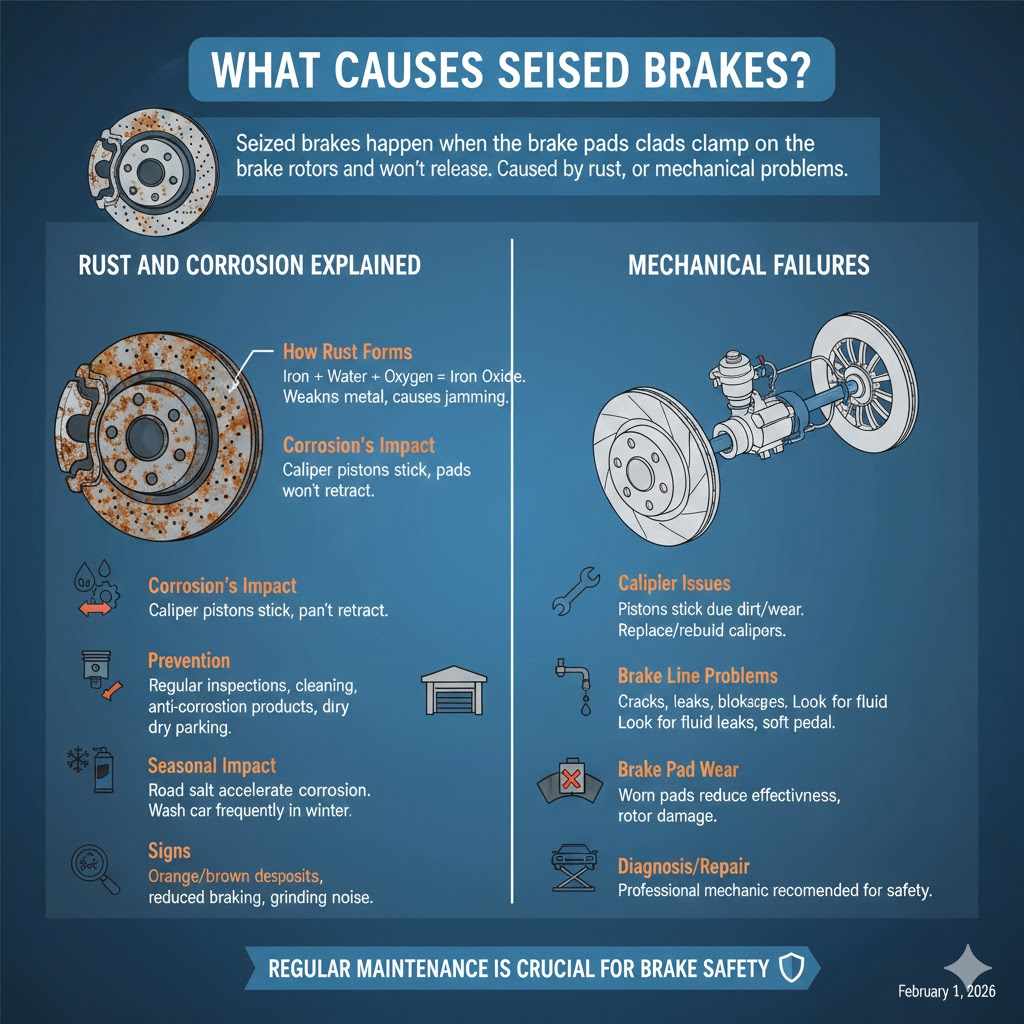
Seized brakes happen when the brake pads clamp down on the brake rotors and won’t release. This can be due to rust, corrosion, or mechanical problems within the brake system. Moisture and lack of use often speed up the process, especially if a car sits for a long time. The brake calipers, which squeeze the pads, can get stuck. Similarly, the brake lines might become blocked, preventing the hydraulic fluid from moving freely. Identifying the cause is the first step, so you can pick the right fix. Before attempting any repairs, ensure your safety by placing the car on a flat surface and engaging the parking brake.
Rust and Corrosion Explained
Rust and corrosion are the main villains when it comes to seized brakes. They form when metal parts, like brake rotors and calipers, are exposed to water and oxygen. This is a common issue, more so in areas with high humidity or where roads are salted in winter. Over time, rust builds up, creating friction and preventing the brake pads from separating from the rotors.
Corrosion can also occur inside the brake calipers, affecting the pistons that push the pads against the rotors. Regular maintenance, including brake inspections and cleaning, can help prevent these problems. If you live in a coastal area or where salt is used on roads, this becomes even more important.
- How Rust Forms: Rust forms when iron-based metals react with oxygen and water, creating iron oxide. This process weakens the metal and causes it to expand, jamming components.
- Corrosion’s Impact on Calipers: Corrosion can make the caliper pistons stick, stopping the pads from retracting. This results in constant contact and prevents the wheel from turning freely.
- Preventing Rust and Corrosion: Regular brake inspections, cleaning, and applying anti-corrosion products can extend the life of your brake system. Also, parking your car in a dry place reduces the exposure to moisture.
- Seasonal Impact: In areas with harsh winters, road salt accelerates corrosion. Washing your car frequently during winter can minimize the salt’s effects.
- Signs of Rust and Corrosion: Watch out for orange or brown deposits on brake components, reduced braking performance, or a grinding noise when braking.
Mechanical Failures and Brake Component Problems
Beyond rust, mechanical failures can also cause brake problems. The brake system is a network of components working together. Any failure within this network can lead to seized brakes. Brake calipers, master cylinders, brake lines, and brake pads must all function correctly. Mechanical failures can include broken or worn-out parts, such as damaged caliper pistons, faulty brake lines, or a failing master cylinder.
Regular inspections and timely repairs are important for maintaining brake performance and safety. In addition, using quality brake components and following manufacturer’s guidelines for maintenance are crucial.
- Caliper Issues: Caliper pistons can stick due to dirt, wear, or damage. Replacing or rebuilding the calipers often solves this issue.
- Brake Line Problems: Brake lines can crack, leak, or become blocked, reducing hydraulic pressure. Look for fluid leaks or soft brake pedal.
- Master Cylinder Failures: A failing master cylinder can fail to generate adequate pressure to the brakes, leading to seizure.
- Brake Pad Wear: Worn brake pads reduce braking effectiveness and can cause other issues, including rotor damage.
- Diagnosis and Repair: If your brakes are seized, it’s very important to diagnose the exact cause. Consider a professional mechanic to do so, especially if you’re not used to car repairs.
Safety First: Preparing to Move a Car With Seized Brakes
Dealing with seized brakes requires caution. Before taking any steps, focus on your safety and the safety of those around you. This means using proper safety gear, finding a safe location, and preparing your car. Make sure you have the right tools and equipment. Avoid working on a busy road or on a slope. It is also important to communicate with anyone helping you to make sure they know what’s happening. Following these steps can help prevent accidents and injuries. A good workspace is as important as the repair itself.
Gathering Essential Tools and Equipment
To safely manage a car with seized brakes, you’ll need the right tools and gear. These tools will let you inspect the brake system, release the brakes, and possibly move the car. If you do not have all the equipment, a trip to the auto parts store might be necessary. It’s also important to wear protective gear to ensure your safety throughout the process. Ensure the tools are in good condition and ready to use before starting. Keep everything organized and easy to reach. Before starting work, gather all the tools in a well-lit and well-ventilated space.
- Wheel Chocks: To prevent the car from rolling.
- Jack and Jack Stands: For lifting and securing the car.
- Wheel Wedges: Additional safety measure to stop wheels.
- Lug Wrench: For removing wheels.
- Gloves: To protect your hands.
- Safety Glasses: To protect your eyes.
- Penetrating Oil: To help loosen rusted parts.
- Rubber Mallet or Hammer: For gentle impacts.
- Brake Cleaner: For cleaning brake components.
- Wrench Set: Needed for various mechanical tasks.
Choosing a Safe Location and Securing the Vehicle
The location you choose to work on your car makes a difference. Pick a flat, level surface away from traffic. If the ground is uneven, the car could roll while you are working. Also, make sure the area is well-lit and has good ventilation. This is particularly important if you are using brake cleaner or penetrating oil, as they can cause fumes. Notify anyone who might be near you, letting them know you are working on your car.
Your safety should always be your top priority. Make sure to choose a spot where your car can be safely raised and moved.
- Level Surface: A flat surface prevents the car from rolling during repairs.
- Away from Traffic: Work away from roads and any traffic.
- Wheel Chocks: Use wheel chocks to prevent any movement. Place them on the wheels opposite of the ones you are working on.
- Parking Brake: Make sure the parking brake is set to prevent movement. If it is already engaged, consider if it’s locked up with the brakes.
- Visibility: Ensure the area is well-lit, particularly if working at night.
Techniques on How to Move a Car With Seized Brakes Safely
Now, let’s look at the actual methods for moving a car with seized brakes. The approach you take will depend on the cause of the seizure. In some cases, simple methods like rocking the car or applying heat may work. In other instances, you might need to do some more in-depth mechanical work. Always prioritize safety and consider your experience level. If you are not familiar with car repairs, consider asking for professional assistance. If the brakes won’t release, don’t force them. Doing so can cause more harm.
Trying Simple Solutions First
Before jumping into more complex tasks, start with the easy stuff. Sometimes, a gentle approach is all that’s needed. Try rocking the car back and forth. You might be able to free the brake pads from the rotors if they are stuck. If that doesn’t work, try tapping the brake calipers with a rubber mallet. Be gentle to avoid causing damage.
You can also try using penetrating oil on the brake components. This can help loosen any rust or corrosion. If the car has been sitting for a while, a simple solution may be all that is needed. If you hear grinding noises or feel resistance, it is important to stop immediately and re-evaluate.
- Rocking the Car: Shift between Drive and Reverse. This can loosen the brake pads.
- Gentle Tapping: Use a rubber mallet on the calipers to free them.
- Penetrating Oil: Spray penetrating oil on brake components to help loosen rust.
- Parking Brake Check: Make sure the parking brake is fully released.
- Repeat Actions: Give the simple steps a few tries. Let the penetrating oil sit for a bit.
Using Penetrating Oil and Heat
Penetrating oil is a useful tool for freeing seized brakes. It helps to dissolve rust and corrosion that might be causing the problem. Apply the oil directly to the brake components. Then, let it sit for a while, allowing it to work its way into the rusted parts. Heat can also help. Using a heat gun on the brake components can help to expand the metal. This can help to break the bond between the brake pads and rotors. Make sure to use heat safely.
Don’t overheat components or use heat near flammable materials. Once the oil and heat have done their job, try rocking the car and tapping the calipers again. Be patient, as these processes can take time.
- Applying Penetrating Oil: Spray generously on the calipers, rotors, and any visible rust areas.
- Waiting Period: Let the oil sit for several hours.
- Heat Application: Use a heat gun to gently warm the calipers and rotors.
- Safety Measures: Wear protective gloves and eye protection when using heat.
- Re-Evaluation: After using oil and heat, try rocking the car again to see if the brakes have released.
Mechanical Techniques: Wheel Removal and Caliper Work
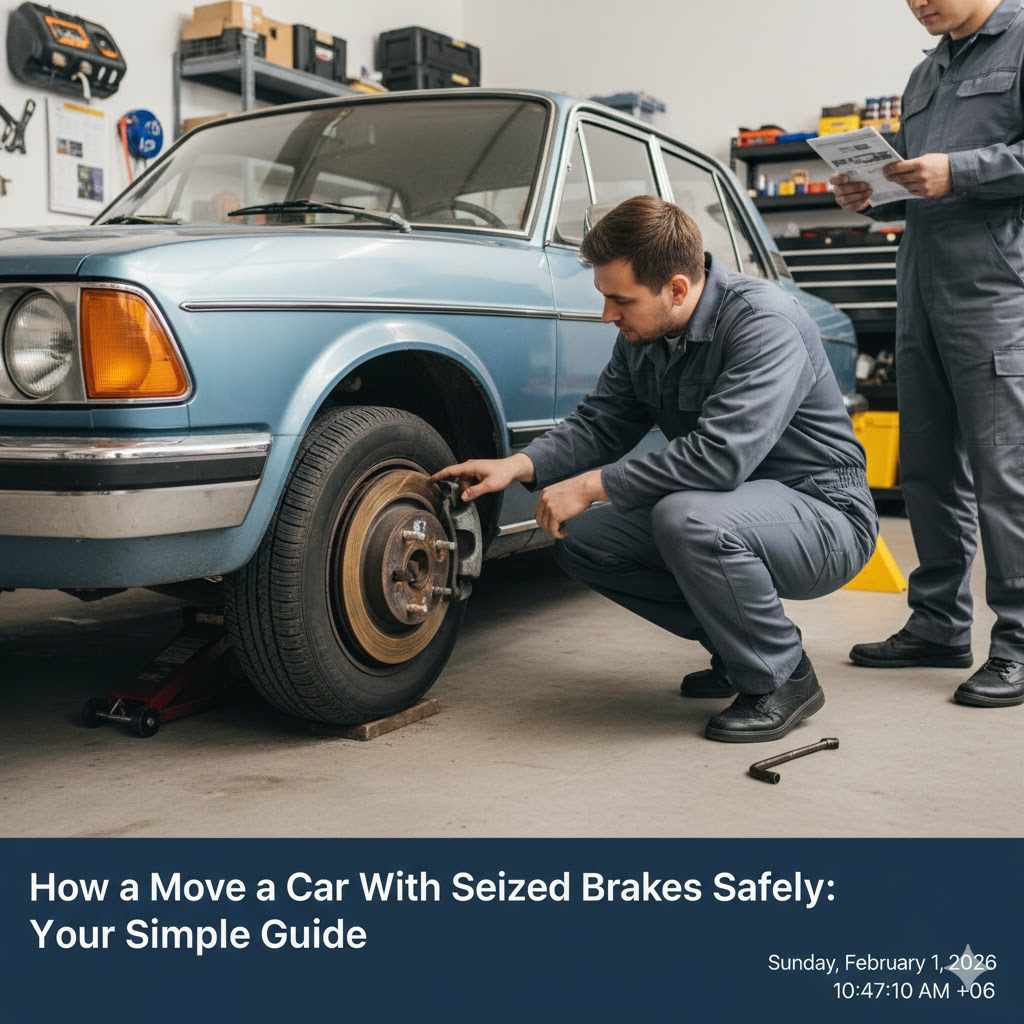
When the simple methods do not work, some mechanical work may be required. This might involve removing the wheels to inspect and work on the brakes. Jack up the car and place it safely on jack stands. Then, remove the wheels using a lug wrench. This allows you direct access to the brake calipers and rotors. Once the wheel is off, inspect the calipers and brake pads. If the caliper is stuck, you may need to compress the piston.
To do this, use a C-clamp and place it over the brake pad and caliper. If the piston is stuck, applying a bit more pressure may assist in moving it back. If the brakes still won’t release, the caliper may need to be removed. If you’re not comfortable with these procedures, consider seeking professional help.
- Removing the Wheel: Loosen the lug nuts. Raise the car with a jack and then secure with jack stands. Remove the wheel.
- Inspecting the Caliper: Check the caliper for rust or damage.
- Compressing the Piston: Use a C-clamp to carefully compress the caliper piston.
- Removing the Caliper: If the piston cannot be compressed, remove the caliper.
- Seeking Help: If you’re not comfortable, get a professional mechanic.
Post-Release Actions: After Your Brakes Are Free
Once you get your brakes unstuck, there’s some important follow-up work to do. First, inspect the brake system thoroughly for damage. Check the brake pads, rotors, and calipers. Pay attention to any leaks in the brake lines. After releasing the brakes, you’ll also need to test them to make sure they work correctly. This is important for safety.
Also, keep up with routine maintenance to prevent problems in the future. Brakes are a key part of your car, so pay attention to their performance. Regular checks and maintenance can prevent issues. If the brakes were severely stuck, consider having a professional inspect your vehicle to address underlying problems.
Inspecting and Addressing Potential Damage
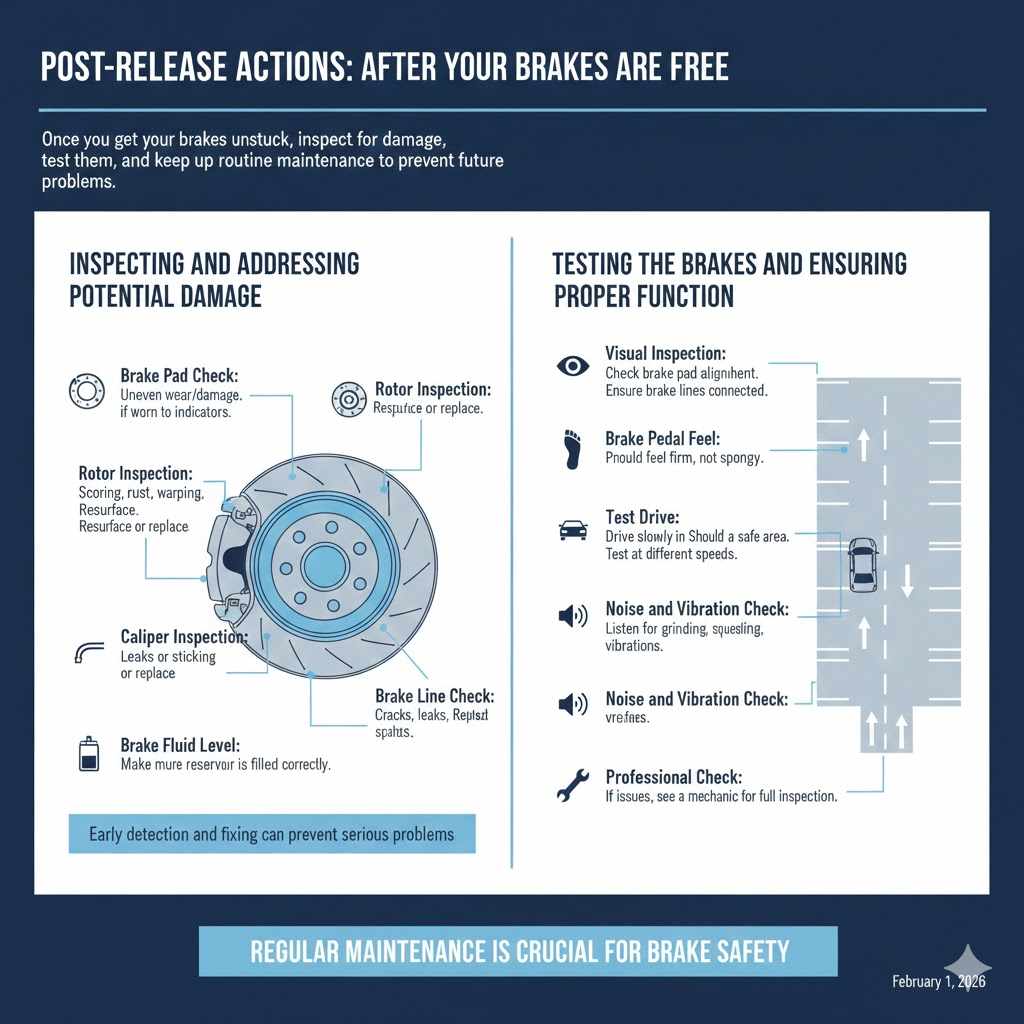
After you have freed the brakes, examine the brake system for any damage. The brake pads may be worn or damaged. Check the rotors for scoring or warping. Look at the calipers for leaks or corrosion. Inspect the brake lines for any cracks or bulges. If you see any signs of damage, address the issue promptly. Damaged brake components can affect your ability to stop the car. For example, scored rotors can cause vibrations when braking.
Leaking brake lines can lead to a loss of brake fluid and reduced braking power. If you are unsure, have a professional mechanic inspect the brakes. Early detection and fixing can prevent serious problems.
- Brake Pad Check: Look for uneven wear or damage. Replace pads if they are worn down to the wear indicators.
- Rotor Inspection: Check for scoring, rust, or warping. Rotors might need to be resurfaced or replaced.
- Caliper Inspection: Look for leaks or sticking pistons. Rebuild or replace calipers as needed.
- Brake Line Check: Inspect lines for cracks, leaks, or bulges. Replace damaged lines immediately.
- Brake Fluid Level: Make sure the brake fluid reservoir is filled to the correct level.
Testing the Brakes and Ensuring Proper Function
After you have addressed any damage, test the brakes to ensure they work. The first test is a visual check. Make sure the brake pads are aligned correctly with the rotors. Check that the brake pedal feels firm and doesn’t sink to the floor. Next, test-drive the car in a safe area, such as an empty parking lot. Drive slowly and test the brakes.
See if the car stops smoothly. Listen for any unusual noises or vibrations. Make sure the brakes respond properly at different speeds. The goal is to make sure the brakes are working correctly and stopping the car safely. If you feel any problems, take the car to a mechanic for further inspection. Safety first.
- Visual Inspection: Check brake pad alignment. Ensure brake lines are connected properly.
- Brake Pedal Feel: Press the brake pedal. It should feel firm, not spongy.
- Test Drive: Drive slowly in a safe area. Test the brakes at different speeds.
- Noise and Vibration Check: Listen for grinding, squealing, or vibrations when braking.
- Professional Check: If you find any issues, take the car to a mechanic for a complete inspection.
Frequently Asked Questions
Question: What if the car still won’t move after I try all these steps?
Answer: If your car remains stuck after trying the listed techniques, it’s best to seek professional assistance. The brake system might have more serious problems requiring a mechanic.
Question: Can I drive a car with seized brakes if they are partially released?
Answer: No, it’s not safe to drive a car with seized brakes, even if they’re partially released. The brakes might fail, leading to an accident.
Question: Will using penetrating oil damage my car’s brakes?
Answer: Penetrating oil is generally safe for brake components, but it’s important to clean it off before reassembling to avoid affecting brake pad performance. Always use brake cleaner.
Question: How often should I have my brakes inspected?
Answer: The recommendation is to have your brakes inspected every 12 months or 12,000 miles, but this can vary based on your driving habits and environment.
Question: Is it safe to work on my car’s brakes if I’m not a mechanic?
Answer: While some basic procedures are manageable, more complex brake work is best handled by a professional. If you aren’t comfortable, consult a mechanic.
Final Thoughts
Dealing with seized brakes can be a real headache, but knowing How to Move a Car With Seized Brakes Safely empowers you to tackle the issue. Remember to always prioritize safety by gathering the right tools, working in a secure place, and taking your time. Start with the simpler methods, such as rocking the car and using penetrating oil. When these do not work, consider more complex mechanical techniques.
After you have freed the brakes, make sure you inspect all the components and do a good test drive. Regular maintenance and paying attention to early signs of brake problems are great steps in preventing future issues. By following these steps, you can get your car back on the road safely and with confidence. Be patient and take things one step at a time, and you’ll do great!