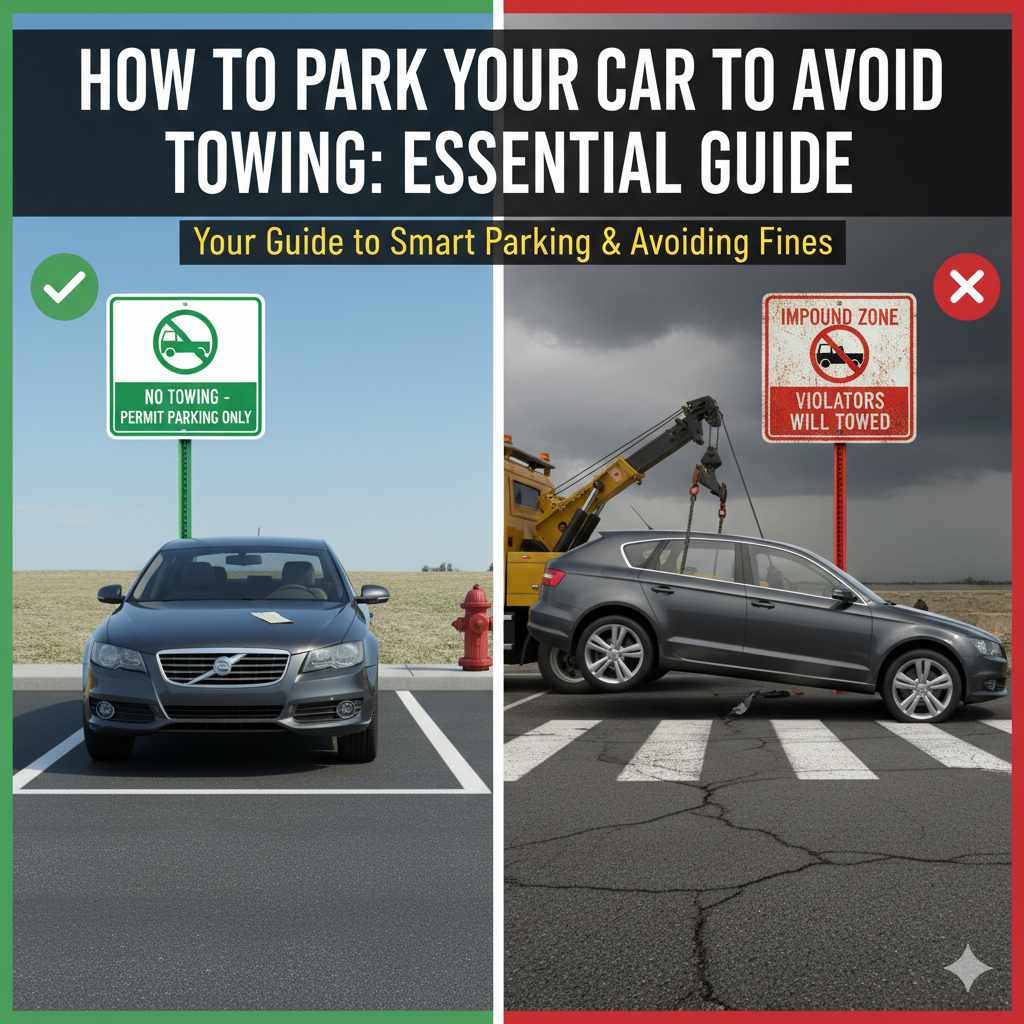
How To Park Your Car To Avoid Towing: Essential Guide
Avoid costly towing by understanding and following parking rules. Always check signs for restrictions on time, days, and permits, park within marked lines, and steer clear of fire hydrants, driveways, and no-parking zones. When in doubt, find another spot!
Parking your car can sometimes lead to a frustrating and expensive surprise: a tow truck arriving to take your vehicle away. It’s a stressful experience that no driver wants to go through. But don’t worry! With a little knowledge and some simple tips, you can park confidently and significantly reduce your chances of getting towed. This guide will break down exactly what you need to know in easy-to-understand terms, so you can feel more in control next time you park.
Why Do Cars Get Towed? Understanding the Basics
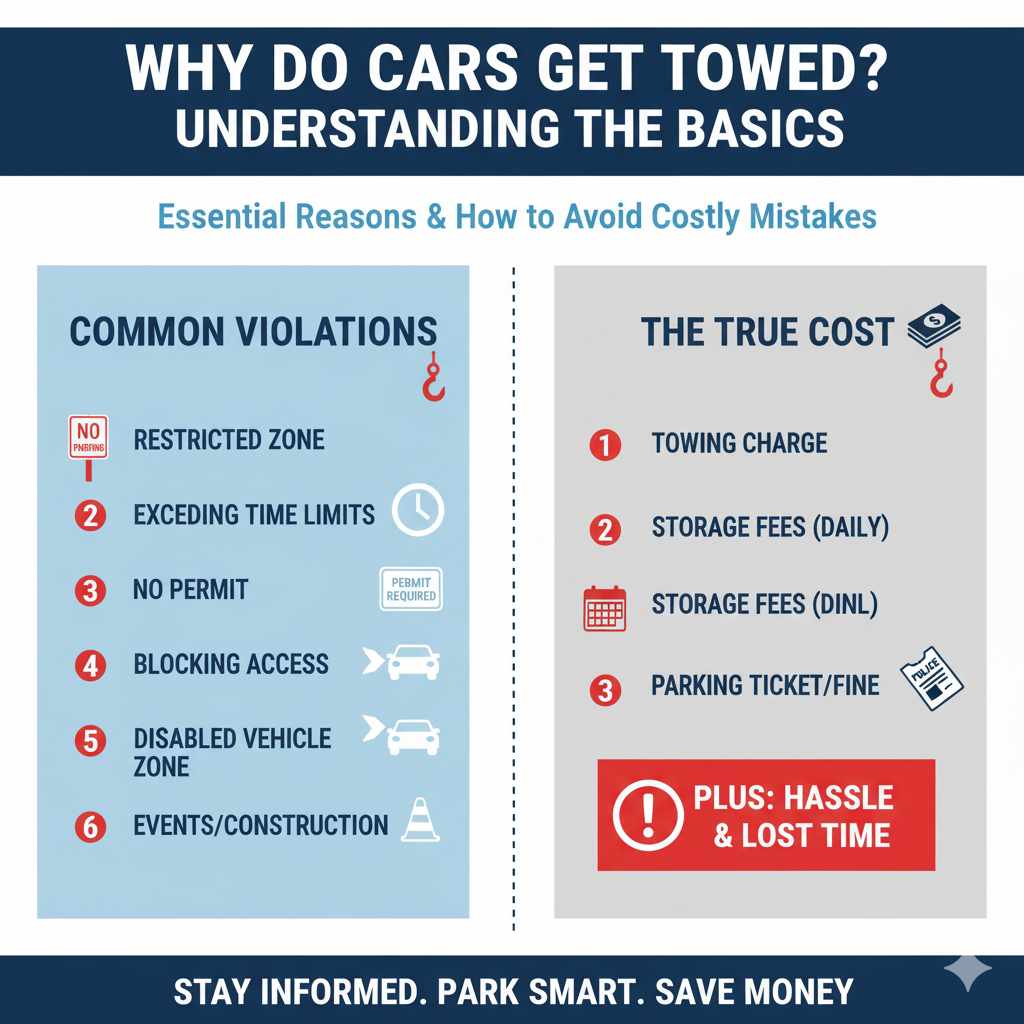
Cars usually get towed because they are parked illegally. This means there’s a specific rule or regulation about where and how you’re parking your vehicle, and you’ve accidentally (or sometimes on purpose) broken it. The goal of towing laws is to keep traffic flowing safely and to ensure emergency services have access.
Here are the most common reasons your car might be towed:
Parking in a restricted zone: This includes areas where parking is explicitly forbidden.
Exceeding time limits: If you park for longer than allowed, especially in busy areas.
Parking without a permit: Some areas, like residential zones or certain lots, require special permits.
Blocking access: Impeding driveways, fire hydrants, or crosswalks is a big no-no.
Being in a disabled vehicle zone: If your car breaks down, you generally can’t leave it unattended in certain areas for extended periods.
Parking violations related to construction or events: Temporary parking restrictions are often put in place.
Towing fees can add up quickly. You’ll typically have to pay a towing charge, a storage fee for each day your car is at the impound lot, and sometimes even a ticket for the original parking violation. Plus, you have the hassle of getting to the impound lot and retrieving your vehicle. Learning how to avoid towing is a smart way to protect both your wallet and your peace of mind.
Essential Tips for Parking Like a Pro and Avoiding the Tow Truck
Parking might seem simple, but there are many subtle rules to follow to ensure you’re parking legally. Let’s go through the key things to look for.
1. Read the Signs: Your First Line of Defense
This is the most crucial step. Before you even turn off your engine, take a moment to scan your surroundings for any parking signs. Don’t assume a spot is okay just because other cars are there. Signs are often small, and they can be surprisingly detailed.
What to look for on signs:
“No Parking” or “Tow Away Zone”: These are obvious warnings.
Time Restrictions: Signs might say “No Parking 7 AM – 6 PM” or “2-Hour Parking.” Pay close attention to the times and days mentioned. If a sign says “Except Sundays,” you know you’re in the clear on Sundays.
Permit Parking: Look for signs indicating that only residents with permits can park. If you don’t have a permit, don’t park there.
Street Cleaning/Snow Removal: These signs often have complex schedules, like “No Parking First Tuesday of the Month, 9 AM – 11 AM.” Missing these can lead to a tow.
Loading Zones/No Standing Zones: These areas have very strict rules. “No Stopping” means you can’t even pause. “No Standing” usually means you can stop briefly to load or unload passengers but not to park and leave your car.
Temporary Restrictions: Roadwork, special events, or parades can lead to temporary “No Parking” signs. Always check for these newcomers.
Pro Tip: Sometimes signs are partially obscured by tree branches or are faded. If you’re unsure, it’s always safer to find a different spot.
2. Park Within the Lines: The Foundation of Legal Parking
This sounds obvious, but it’s surprisingly common for people to park their cars across two spaces or too close to another vehicle. Parking outside of marked spaces can be considered illegal parking.
Standard Parking Spaces: Ensure your entire vehicle is within the white or colored lines that mark the parking spot. Don’t let your bumper stick out into the driving lane or a pedestrian walkway.
Angle Parking: When parking at an angle, make sure your car is fully within the boundaries of your designated spot.
Parallel Parking: This is where many people struggle. If you’re parallel parking, your car should be within 12 inches (about 30 cm) of the curb. Also, ensure you are not too close to the car in front of you or behind you, as this can impede their ability to leave safely.
3. Respect the Red Zones and Their Neighbors
Certain areas are universally restricted for safety reasons. Parking here is a guaranteed way to get towed, and it can create dangerous situations.
Fire Hydrants: The general rule is to park at least 15 feet away from a fire hydrant. This is crucial for emergency responders. In some places, the distance might be enforced more strictly, so err on the side of caution. The exact legal distance can vary by municipality, often found on local government websites, such as those for the National Fire Protection Association (NFPA) which provides safety standards influenced by local regulations.
Driveways: Never block a driveway, whether it’s for a private home or a business. This prevents people from entering or leaving their property.
Crosswalks and Intersections: Parking too close to a crosswalk or at an intersection obstructs visibility and traffic flow. Keep a safe distance, usually marked by signs or pavement markings.
Bus Stops and Taxi Stands: These areas are designated for public transportation and taxis. Parking here interferes with their operations.
Loading Docks and Service Entrances: These are vital for businesses. Blocking them can have significant consequences.
4. Understand Permit and Residential Parking
Many urban areas have implemented permit parking to manage limited street space, especially in residential neighborhoods.
Residential Permit Zones: If you see signs indicating “Permit Parking Only” or the display of a specific colored sticker, and you don’t have one, you shouldn’t park there, especially during the specified hours. These rules are often enforced around the clock or during peak times.
Guest Passes: Some permit systems offer limited guest passes for visitors. Check if this is an option and ensure your guests use them correctly.
5. Emergency Vehicles and Public Access Areas
Beyond fire hydrants, consider any area that needs to be kept clear for public safety or emergency services.
Clearly Marked Tow-Away Zones: These are self-explanatory. If a sign explicitly says “Tow-Away Zone,” do not park there under any circumstances.
Areas Near Emergency Exits: For businesses and public venues, roads leading to or from emergency exits must remain clear.
Alleyways: While not always posted, blocking an alleyway can be a serious parking offense as it can prevent access for maintenance, waste collection, or emergency services.
6. Parking When Your Car is Disabled
If your car breaks down, you need to move it as safely and quickly as possible to a legal parking spot or have it towed by a professional service.
Don’t Leave it Illegally: Leaving a disabled vehicle in a no-parking zone, on a sidewalk, or blocking traffic is still a violation and can lead to towing.
Notify Authorities if Necessary: If you have to leave your car temporarily in a questionable but legal spot while you arrange for repairs or a tow, it’s often a good idea to leave a note on your dashboard explaining the situation and providing contact information. However, this is not a guarantee against towing.
7. When in Doubt, Find Another Spot!
This is the golden rule. Parking is a privilege, not a right, and the consequences of misjudging the rules can be very costly. If:
You can’t find a clear, unambiguous parking sign.
The signs are confusing or contradictory.
You’re unsure if you’re within the legal distance of a fire hydrant or crosswalk.
You don’t have the required permit.
You feel you’re parked precariously close to a restricted area.
…then the best course of action is to drive on and find a different parking spot. It’s much better to spend a few extra minutes searching than to spend hours and hundreds of dollars dealing with a towed car.
Understanding Different Parking Regulations and Their Consequences
Parking rules and their enforcement can vary significantly from city to city and even within different neighborhoods of the same city. Understanding these differences can help you navigate parking legally.
Common Parking Violations and Their Typical Fines/Consequences
| Violation Type | Description | Potential Fine Range (USD) | Towing Risk |
|---|---|---|---|
| Expired Meter/Time | Parking longer than allowed or without paying the meter. | $10 – $100 | Low to Medium |
| No Parking Zone | Parking in an area clearly prohibitory (e.g., residential street w/o permit). | $50 – $250 | Medium to High |
| Blocking Fire Hydrant | Parking within 15 feet of a fire hydrant. | $75 – $300 | High |
| Blocking Driveway | Obstructing a driveway entrance. | $75 – $300 | High |
| Improper Angle | Not parking within marked lines or at the correct angle. | $30 – $75 | Low to Medium |
| Street Cleaning | Parking during scheduled street cleaning times. | $30 – $100 | Medium |
| Permit Parking | Parking in a restricted permit zone without a valid permit. | $50 – $200 | Medium to High |
| Handicap Spot (No Placard) | Parking in a disabled spot without a valid placard. | $250 – $1000+ | High |
Note: Fine amounts are estimates and can vary greatly by location. Towing fees are separate and can range from $100 to $500+ depending on the tow company and storage duration.
The Impact of Local Bylaws and Ordinances
Every city or town has its own set of parking regulations, often referred to as bylaws or ordinances. These are legally binding rules that govern how and where you can park.
Checking Local Regulations: If you’re unfamiliar with an area, especially when traveling, it’s a good idea to check the local government’s website for parking information. Many cities have dedicated pages explaining their parking rules, fines, and towing procedures. For example, the New York City Department of Finance provides extensive information on parking rules and violations.
Enforcement Varies: Some cities are more aggressive with parking enforcement than others. In areas with high traffic and limited parking, enforcement tends to be stricter.
Consequences Beyond Towing
While towing and potential tickets are the most direct consequences, there can be others:
Difficulty Retrieving Your Car: Impound lots often have specific hours for retrieval, and you may need to pay fees in cash, which can be inconvenient.
Insurance Impacts: In rare cases, repeated parking violations or having your car towed multiple times might indirectly affect your insurance premiums or risk assessment.
Damage During Towing: Though tow companies are generally professional, there’s always a small risk of minor damage to your vehicle during the towing process.
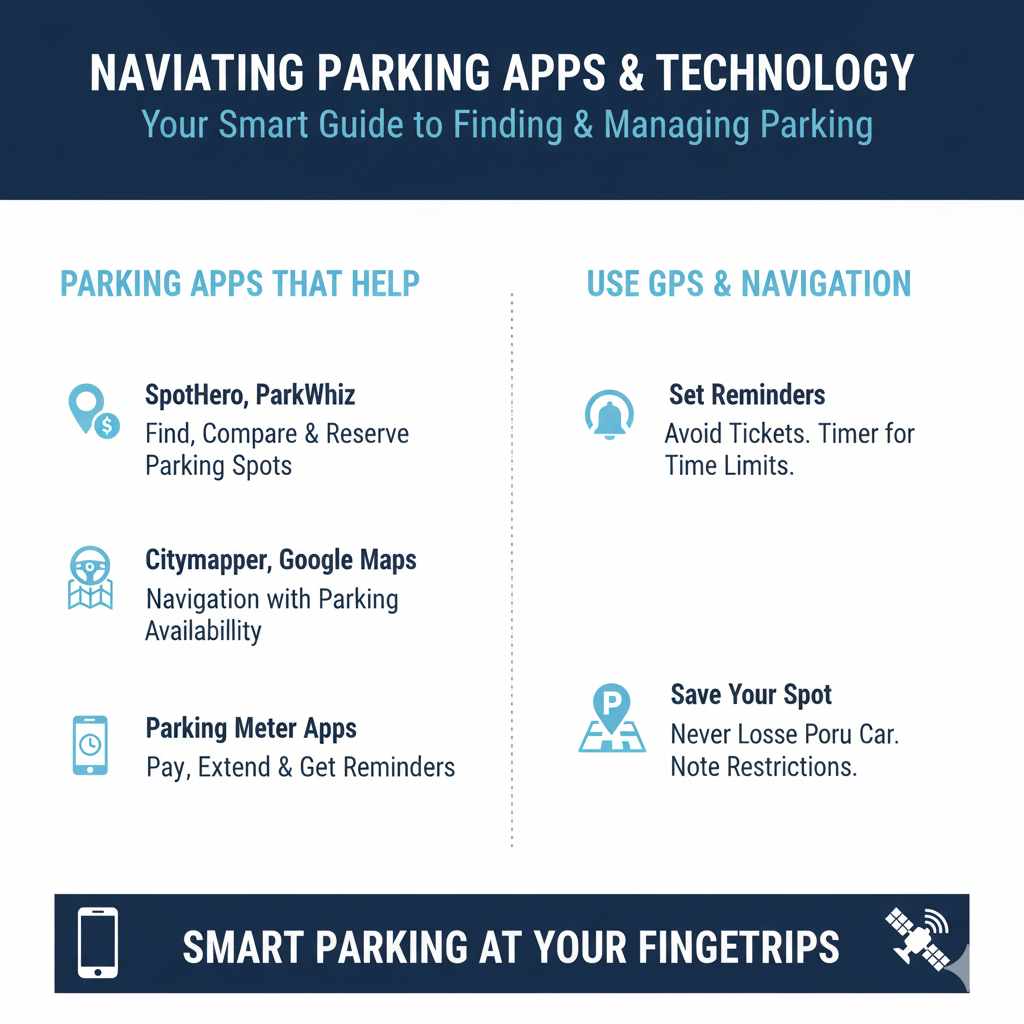
Navigating Parking Apps and Technology
In today’s world, technology can be a great ally in finding legal parking and avoiding tickets or towing.
Parking Apps That Help
Numerous smartphone apps can assist you with parking:
SpotHero, ParkWhiz, BestParking: These apps allow you to find available parking spots, compare prices, and sometimes even reserve them in advance. They can be particularly useful in busy downtown areas or at event venues.
Citymapper, Google Maps: While primarily navigation apps, they often show parking availability and nearby parking garages. They can also alert you to upcoming parking restrictions if you’re using them for navigation.
Parking Meter Apps: Many cities now have apps that allow you to pay for street parking meters or garages directly from your phone. This can remind you when your time is about to expire and allow you to extend it remotely, preventing overstaying.
Using GPS and Navigation for Parking Awareness
Set Reminders: When you park, make a habit of setting a timer on your phone for how long you can legally park. This is especially helpful if you’re in a metered spot or a time-limited zone.
Save Your Parking Spot: Most navigation apps allow you to save your parking location. This is incredibly useful for finding your car again, but it can also serve as a reminder of where you parked and what the surrounding rules (e.g., street cleaning signs you noted) might be.
FAQ: Your Parking Questions Answered
Here are answers to some common questions beginners have about parking to avoid towing.
Q1: What’s the most common reason for getting towed?
A1: The most frequent reasons are parking in a “No Parking” zone, blocking a driveway or fire hydrant, or parking in a restricted area like a loading zone or without a required permit.
Q2: How far do I need to park from a fire hydrant?
A2: Generally, you need to park at least 15 feet (about 4.5 meters) away from a fire hydrant. Always check local regulations as this distance can vary slightly, but 15 feet is a safe bet.
Q3: I parked in a spot with a sign that said “2-Hour Parking. Except Sundays.” Can I park there all day on Sunday?
A3: Yes! The “Except Sundays” qualifier means the 2-hour limit does not apply on Sundays. You can park there for longer than 2 hours on a Sunday, but still be mindful of other potential restrictions.
Q4: What should I do if I think I’ve parked illegally and can’t move my car right away?
A4: If possible, move your car immediately. If you absolutely cannot, and if the violation is minor (like an expired meter), leave a note on your dashboard explaining your situation and providing your contact information. However, this is not a guarantee against towing, especially for more serious violations like blocking a driveway.
Q5: Are parking rules the same everywhere?
A5: No, parking rules and enforcement vary significantly by city and even by neighborhood. It’s always best to read signs carefully and, if in doubt, check the local municipality’s official website for parking regulations.
Q6: What’s the difference between “No Parking” and “No Standing”?
A6: “No Parking” means you cannot stop your vehicle there at all, either to load/unload or to wait. “No Standing” usually means you can stop temporarily to load or unload passengers, but you cannot park and leave your vehicle unattended.
Q7: Can my car be towed for parking in a residential permit zone without a permit?
A7: Yes. Residential permit zones are strictly enforced. If you don’t have the required permit, you risk being ticketed and towed, especially during the hours the restrictions are in effect.
Creating a Parking Habit for Peace of Mind
Avoiding towing is more about developing good habits than knowing obscure rules. It’s about being mindful and taking those extra few seconds to check.
Be Observant: Always make it a habit to look for and read parking signs before you get out of your car. Don’t assume anything.
Park Centered: Whatever the spot, aim to park your car as centered within the lines as possible to avoid encroaching on other spaces or lanes.
Use Your Phone Wisely: Set parking reminders or timers. Use parking apps to find and pay for legal spots.
* When in Doubt, Don’t: This is the most important rule. If you have even a shred of doubt about whether your parking spot is legal, move your car.
By incorporating these simple checks and habits into your routine, you can significantly reduce the stress and expense associated with illegal parking and towing. It’s about being a responsible and aware driver.
Conclusion
Getting your car towed is a costly and inconvenient experience. The good news is that it’s almost always preventable. By making yourself aware of common parking restrictions, diligently reading signage, and always parking within marked lines and away from restricted areas like fire hydrants and driveways, you can confidently park your car without the fear of finding an empty spot where your vehicle used to be. Remember that local regulations can differ, so if you’re in an unfamiliar area, take a moment to research its specific parking rules. Prioritizing careful observation and adherence to posted signs is your best strategy for a stress-free parking experience. Safe parking leads to safe driving and a healthier bank account!