
How to Pick Car Battery: Proven Best Method
Easily pick the right car battery by matching your vehicle’s needs based on its size, terminal type, and group size. Check your owner’s manual or the old battery for exact specifications to ensure a perfect fit and reliable power for your car.
How to Pick the Perfect Car Battery: Your Simple, Proven Guide
Is your car battery giving you trouble? Does the thought of replacing it feel overwhelming? You’re not alone! Many car owners find choosing a new battery confusing with all the technical terms and options available. But don’t worry, it doesn’t have to be complicated. This guide will walk you through picking the perfect car battery, step-by-step, making sure you get the right power for your ride without any guesswork. Let’s get your car running smoothly again!
Why Choosing the Right Car Battery Matters
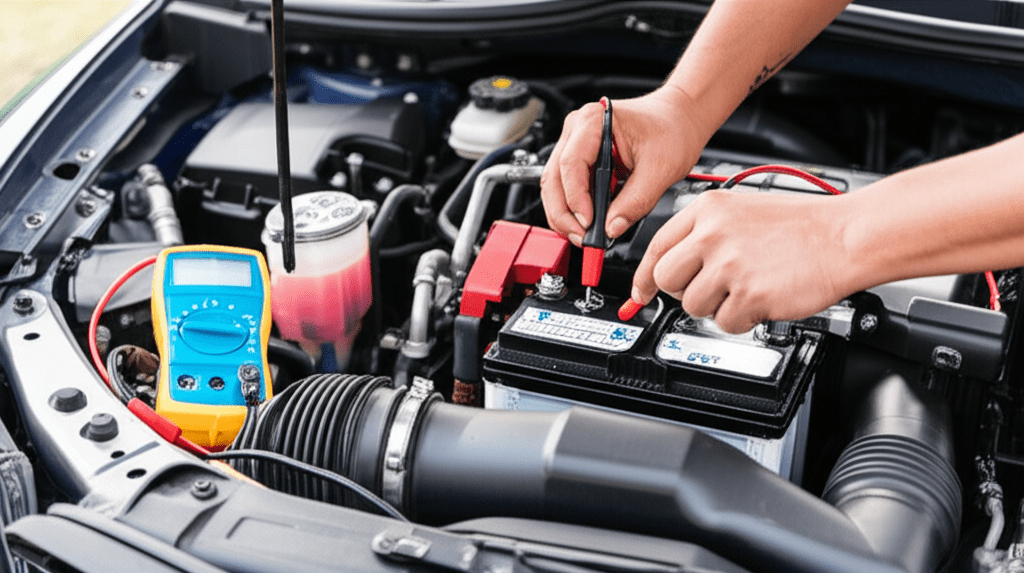
Your car battery is the heart of its electrical system. It’s responsible for starting your engine and powering all the electronics, from your headlights to your radio. Picking the correct battery isn’t just about fitting it into the battery tray; it’s about ensuring your car receives the right amount of power to operate efficiently and reliably. A battery that’s too small might struggle to start your car, especially in cold weather, while a battery with incompatible specs could damage your vehicle’s electrical components. Getting it right means peace of mind and optimal performance.
Understanding Your Car’s Battery Needs
Before you even look at batteries, it’s crucial to know what your car specifically requires. This information is usually readily available, and knowing it will save you time and prevent costly mistakes. Your car’s needs are determined by a few key factors:
1. Vehicle Manufacturer’s Specifications (The Owner’s Manual is Your Friend!)
The absolute best place to start is your car’s owner’s manual. Manufacturers specify the exact type of battery your vehicle is designed for, including its group size, terminal placement, and performance requirements. They’ve done the engineering work for you!
2. Group Size
This is one of the most critical specifications. The Group Size refers to the physical dimensions of the battery (length, width, height) and the position of its positive and negative terminals. Batteries are categorized into different group sizes (e.g., Group 24, Group 35, Group 51R). Using a battery with the wrong group size means it simply won’t fit in your car’s battery tray or the cables won’t reach the terminals correctly. Always match this number!
3. Terminal Type and Placement
Car batteries have terminals (where you connect the battery cables) that can be located in different positions. Most often, you’ll see top-post terminals, often with the positive terminal on the left or right. Some vehicles use side-post terminals. The configuration is vital – you need the positive and negative terminals to align with your existing car battery cables.
| Group Size | Typical Dimensions (Approx.) | Terminal Configuration | Common Vehicle Types |
|---|---|---|---|
| 151R | 6.8″ L x 5.1″ W x 7.2″ H | Reverse Terminal (positive on right) | Smaller Japanese vehicles (e.g., Honda Fit) |
| 24F | 10.2″ L x 6.7″ W x 8.2″ H | Standard Terminal (positive on left) | Mid-size sedans, SUVs (e.g., Toyota Camry, Ford Explorer) |
| 26 | 8.2″ L x 6.8″ W x 7.9″ H | Standard Terminal (positive on left) | Smaller to mid-size cars (e.g., older Honda Civic, Ford Focus) |
| 35 | 9.1″ L x 6.9″ W x 7.3″ H | Standard Terminal (positive on left) | Many Japanese and Asian vehicles (e.g., Toyota Camry/Corolla, Nissan Altima) |
| 51R | 9.4″ L x 5.1″ W x 7.3″ H | Reverse Terminal (positive on right) | Smaller import vehicles (e.g., Honda Civic, Acura RSX) |
| AGM (Absorbent Glass Mat) | Varies by specific group size (e.g. 34R-AGM, 48-AGM) | Varies by specific group size | Vehicles with start-stop technology, high-end electronics, or those requiring better vibration resistance. Often a premium upgrade. |
This table provides a general idea, but always confirm the exact group size for your vehicle.
4. Cold Cranking Amps (CCA)
CCA measures a battery’s ability to start an engine in cold temperatures. The higher the CCA rating, the better the battery is at delivering power for engine starting in freezing conditions. Your owner’s manual will recommend a minimum CCA. In colder climates, choosing a battery with a slightly higher CCA than the minimum can be beneficial. For instance, if your manual suggests 450 CCA, a battery with 500 CCA will perform even better in the cold.
5. Reserve Capacity (RC)
Reserve Capacity is the number of minutes a fully charged battery can deliver 25 amps at 80°F before its voltage drops below 10.5 volts. This indicates how long the battery can power your car’s accessories if the alternator fails or you’re running electronics without the engine on. A higher RC is generally better, especially if you use many electronic accessories.
The Proven Best Method: Step-by-Step
Now that you understand the key factors, let’s get to the actual process of picking your car battery. Follow these steps for a foolproof selection:
Step 1: Identify Your Current Battery’s Specifications
The easiest way to figure out what you need is to look at the battery already in your car. Most car batteries have a label on the top or side that clearly states:
- The Group Size (e.g., “Group 35”, “Group 24F”)
- Brand and Model
- Some performance ratings like CCA
Take a picture of the label with your phone, or write down the information. Pay close attention to the physical dimensions and how the terminals are oriented.
Step 2: Consult Your Owner’s Manual
If you can’t find information on your current battery, or if you suspect it might be a temporary or incorrect replacement, your owner’s manual is your best resource. Look for a section on “Vehicle Specifications” or “Battery.” It will list the recommended Group Size and other essential ratings.
Step 3: Use Online Battery Finders
Most battery manufacturers and auto parts retailers have user-friendly online tools. Simply enter your car’s Year, Make, and Model, and the tool will show you compatible batteries. These tools are usually very accurate and cross-reference their inventory with manufacturer specifications. You can often find these on sites like:
These tools are incredibly helpful for beginners, ensuring you don’t overlook vital details.
Step 4: Understand Battery Types
While most cars use standard flooded lead-acid batteries, newer vehicles might require specialized types:
- Flooded Lead-Acid (Conventional): The most common and affordable type. Requires occasional checking of water levels in some older designs. Great for most standard vehicles.
- Enhanced Flooded Battery (EFB): A step up from conventional, offering better performance for mild start-stop systems and higher electrical demands.
- Absorbent Glass Mat (AGM): These batteries use fiberglass mats to absorb the electrolyte. They are spill-proof, vibration-resistant, and handle deep discharge cycles better. Essential for vehicles with advanced start-stop technology, regenerative braking, and high-demand electronics. If your car came with an AGM battery, you MUST replace it with another AGM battery of the same size and rating. Using a conventional battery can lead to system failures or reduced lifespan of the new battery.
Step 5: Compare Performance Ratings (CCA & RC)
Once you’ve identified the correct group size and type, compare the batteries based on their CCA and RC ratings. As mentioned, aim for at least the manufacturer’s minimum CCA, and consider a slightly higher rating for better cold-weather performance. A higher Reserve Capacity is also a plus, especially if you often use accessories with the engine off. Most reputable brands will offer batteries with varying levels of performance within the same group size.
Step 6: Consider Warranty and Brand Reputation
Car batteries come with warranties, typically ranging from 1 to 5 years. A longer warranty often indicates greater confidence from the manufacturer in the battery’s durability and performance. Popular and reputable brands include Interstate, Optima, ACDelco, DieHard, Bosch, and Exide. While a premium brand might cost more upfront, a longer warranty and better reliability can make it more cost-effective in the long run.
Step 7: Purchase and Installation
You can buy batteries from auto parts stores, dealerships, or even some big-box retailers. Many auto parts stores offer free installation if you bring your old battery in. If you plan to install it yourself, ensure you have the necessary tools (usually a wrench for the terminal clamps and possibly a bracket bolt) and follow safety precautions.
Essential Tools for Battery Installation (DIY)
If you decide to change your battery yourself, here are the basic tools you’ll need:
- Socket Wrench Set: With common sizes like 10mm and 13mm.
- Battery Terminal Cleaner: A wire brush or a specialized terminal cleaner to ensure good contact.
- Gloves and Eye Protection: To protect yourself from battery acid.
- Anti-Corrosion Spray/Grease: To protect the terminals from future corrosion.
- Memory Saver (Optional but Recommended): A device that plugs into your OBD-II port to maintain vehicle memory (radio presets, clock, etc.) while the battery is disconnected. You can find these at most auto parts stores. Learn more about OBD-II here.
When to Consider an Upgrade (Beyond the Basics)
While matching your car’s specifications is paramount, there are times you might consider an upgrade:
- High-Performance Audio Systems: If you have a powerful aftermarket sound system, you might need a high-CCA battery and possibly an AGM battery to handle the extra power draw.
- Extreme Climates: Living in an area with very hot summers or extremely cold winters can put extra strain on a battery. Opting for a battery with higher CCA (for cold) or better heat tolerance (often indicated by higher RC or AGM technology) can improve longevity and performance.
- Heavy Accessory Use: If you frequently use winches, powerful lighting, or other high-draw accessories when the engine isn’t running, an AGM battery with a higher Reserve Capacity is a wise choice.
What to Do with Your Old Battery
Never throw an old car battery in the trash! Car batteries contain lead and acid, which are hazardous materials. Most retailers that sell car batteries will accept your old one for recycling, often offering a core charge refund when you return it. Recycling is the responsible and required way to dispose of them.
Frequently Asked Questions (FAQ)
Q1: How much should a car battery cost?
A: Car battery prices can range from $100 to $300 or more. Factors like brand, warranty length, CCA/RC ratings, and type (AGM batteries are typically more expensive) influence the cost. Basic, reliable batteries are usually in the $120-$180 range.
Q2: Can I put a bigger battery in my car?
A: It’s generally not recommended to use a battery with a different group size. While physically larger batteries might have more power, they won’t fit the tray or connect properly with your cables. Stick to the manufacturer-specified group size for compatibility and safety.
Q3: How do I know when my car battery needs replacing?
A: Signs include slow engine cranking, dim headlights, dashboard warning lights (battery symbol), clicking sounds when trying to start, and electrical issues. If your battery is more than 3–5 years old, it’s a good idea to have it tested regularly.
Q4: Is it okay to buy a cheap car battery?
A: While cheaper batteries might save money upfront, they often have shorter lifespans, lower performance ratings, and shorter warranties. For reliability and long-term value, it’s usually better to invest in a reputable brand with a decent warranty that meets or slightly exceeds your car’s specifications.
Q5: Do I need to disconnect the negative terminal first when replacing a battery?
A: Yes, for safety. Always disconnect the negative (-) terminal first when removing an old battery. This prevents accidental short circuits if your wrench touches the car’s chassis. When installing a new battery, connect the positive (+) terminal first, then the negative (-) terminal last.
Q6: What does the “R” in battery group sizes like 51R or 24R mean?
A: The “R” typically stands for “Reverse.” It indicates that the terminal posts are swapped compared to a battery without the “R” (e.g., 51 vs. 51R, 24 vs. 24R). Specifically, the positive terminal is on the opposite side. Always match this “R” designation if your car requires it.
Conclusion: Drive with Confidence
Picking the right car battery doesn’t have to be a daunting task. By focusing on your vehicle’s specific needs—matching the crucial Group Size, terminal configuration, and understanding basic performance metrics like CCA—you can confidently select a battery that will keep your car powered reliably. Always start with your owner’s manual or a trusted online battery finder. Remember, a quality battery is an investment in your car’s performance and your own peace of mind. Now you have the knowledge to make the best choice and get back on the road with confidence!