How Much Does an EV Battery Cost? 2026 Price Guide by Model
A full EV battery replacement typically costs $4,000 to $25,000 out of warranty, depending on pack size and vehicle. Small packs (20-30 kWh) run $4,000-$9,000; large packs (75-100 kWh) run $10,000-$18,000. Most drivers never pay this — only about 2.5% of EVs ever need one, and new packs carry an 8-year/100,000-mile minimum warranty.
Quick Answer
Out-of-warranty EV battery replacement costs $4,000 to $25,000+ in 2026, based on pack size: $4,000-$9,000 for small packs (Nissan Leaf), $7,000-$14,000 for mid-size packs (Chevy Bolt, VW ID.4), and $10,000-$18,000+ for large packs (Tesla Model 3/Y, Ioniq 5). If the pack fails within 8 years/100,000 miles, it’s covered by the federal minimum warranty and costs nothing.
EV Battery Replacement Cost by Pack Size (2026)
The single biggest factor in replacement cost is how big the battery pack is, measured in kilowatt-hours (kWh). A bigger pack means more cells, more raw material, and a bigger bill when it needs replacing out of warranty.
| Pack Size | Example Vehicles | Typical Out-of-Warranty Cost |
|---|---|---|
| Small (20-30 kWh) | Early Nissan Leaf, Chevy Volt | $4,000 – $9,000 |
| Mid (40-60 kWh) | Chevy Bolt, VW ID.4, newer Leaf | $7,000 – $14,000 |
| Large (75-100 kWh) | Tesla Model 3/Y, Hyundai Ioniq 5, Ford Mach-E | $10,000 – $18,000 |
| Flagship/Performance (100+ kWh) | F-150 Lightning, Silverado EV, Lucid Air | $15,000 – $25,000+ |
These figures cover full pack replacement — parts and labor — from an independent EV specialist or a dealership, based on 2026 pricing data compiled by MOTORWATT and Recurrent Auto’s ongoing EV battery research. Labor alone usually adds $1,000 to $3,000, since specialist technicians who work on high-voltage packs typically charge $150-$250 an hour.
EV Battery Replacement Cost by Model
Pack size sets the general range, but the specific model — and where you get the work done — moves the number quite a bit. Here’s how a few common EVs compare.
| Model | Pack Size | Typical Replacement Cost |
|---|---|---|
| Nissan Leaf (older) | 24-30 kWh | $4,000 – $6,500 |
| Nissan Leaf (newer) | 40-62 kWh | $6,500 – $9,500 |
| Chevy Bolt | 60 kWh | $14,000 – $16,250 |
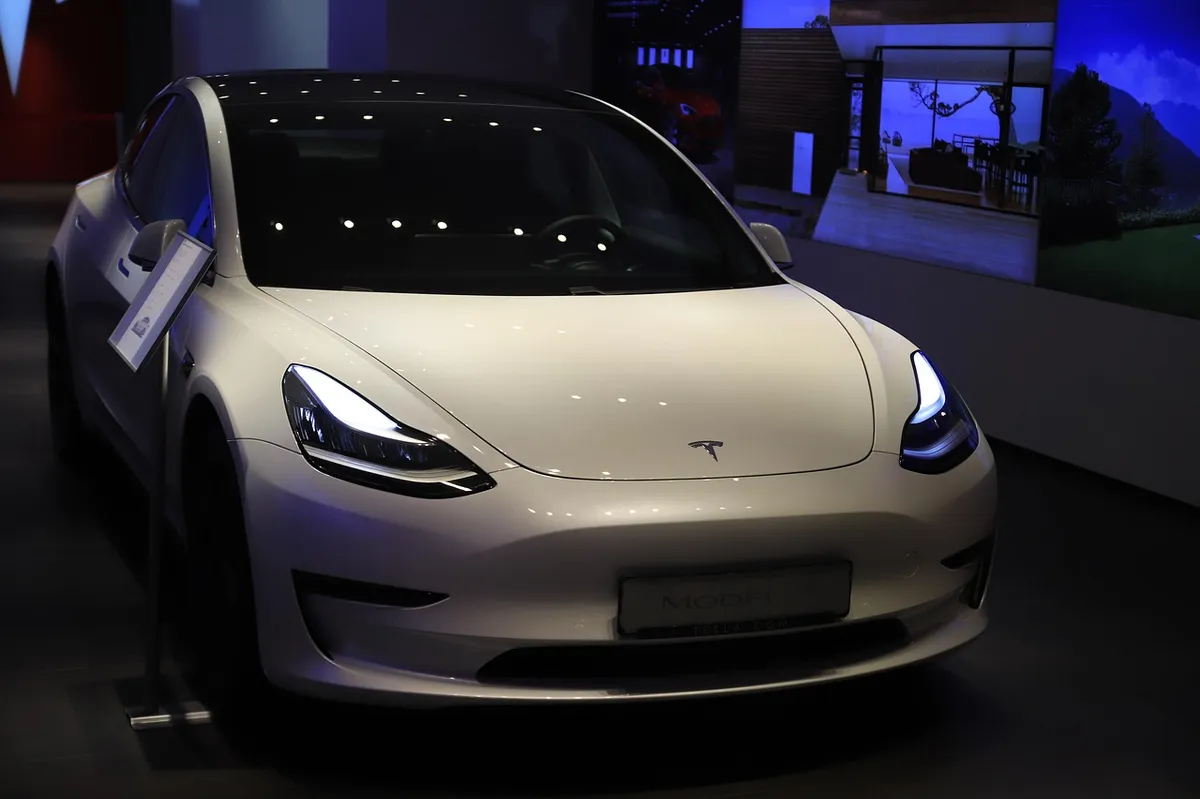
| Tesla Model 3 | ~75 kWh | $10,000 – $13,500 (up to $16,500 for OEM parts at a Tesla service center) |
| BMW i3 | 22 kWh | As low as $2,500 from an independent shop; isolated dealer quotes have run as high as $71,000 |
That BMW i3 range isn’t a typo. It’s the clearest example of why a second quote matters: a dealership may treat a battery fault as a whole-pack replacement priced near the car’s value, while an independent EV specialist can often repair or replace just the failed module for a fraction of that. For a Tesla Model 3 specifically, refurbished packs from independent specialists have run $6,500-$9,000 for Standard Range and $9,000-$14,500 for Long Range — well under the OEM price, according to pricing data from EV Cost Per Mile’s 2026 Tesla battery guide.
Why EV Battery Prices Have Dropped So Much
The cost of the raw battery pack itself — separate from labor — is measured in dollars per kilowatt-hour, and that number has been falling for over a decade.
Data point: Lithium-ion battery pack prices fell to $108 per kWh in 2025 and are forecast to dip further, to roughly $105 per kWh in 2026, according to BloombergNEF’s annual battery price survey. The decline is being driven by cheaper lithium-iron-phosphate (LFP) chemistry and a glut of manufacturing capacity in China, where average pack prices fell to $84/kWh in 2025 — versus prices roughly 44-56% higher in North America and Europe. That’s down from over $400/kWh in 2012, a drop of more than 70% in a little over a decade.
Falling raw pack costs don’t always show up immediately in what a shop quotes you for a full replacement, since labor, diagnostics, and dealer markup are a growing share of the bill. But the trend line is real, and it’s the main reason replacement quotes have been coming down even as EVs themselves get bigger, more powerful battery packs.
Is Your Battery Still Under Warranty?
Before you worry about any of the numbers above, check your warranty — it covers more than most owners realize.
- Federal minimum: Under federal emissions regulations, battery packs in new light-duty EVs and plug-in hybrids must retain at least 70% of certified usable energy through 8 years or 100,000 miles, per 40 CFR § 86.1815-27 — the regulatory basis for the 8-year/100,000-mile battery warranty most EVs carry.
- CARB states: California and the states that follow its emissions rules require 10 years/150,000 miles instead.
- What’s covered: Manufacturing defects and excessive capacity loss — typically a drop below 70% of the pack’s original capacity — within the coverage window.
- Some brands go further: Tesla, Hyundai, and Kia offer longer coverage on certain models than the federal minimum requires.
If your pack fails from a covered defect inside that window, the replacement is free. Always get a written diagnosis and check your specific warranty terms before assuming you’re facing a five-figure bill.
How Often Do EV Batteries Actually Need Replacing?
A full battery replacement is far rarer than the price tags above might suggest. Recurrent Auto, which tracks real-world data from more than 20,000 EVs, found that only about 2.5% have ever needed a full battery replacement — and most of those were first-generation EVs that are now over 14 years old. Modern battery management systems, better thermal management, and improved cell chemistry mean a 2022-or-newer EV’s pack may genuinely outlast the rest of the car.
Industry researchers are increasingly framing the numbers this way: InsideEVs summarized 2026 battery-cost data drawn from Recurrent, RMI, J.D. Power, and Goldman Sachs under the headline “Battery Replacement Costs Are Poised To Plunge: Cheaper Than Fixing An Engine” — a sign of how far out-of-warranty prices have come down from the sums early EV adopters feared.
Do Government Incentives Lower the Cost?
Not anymore, for a replacement — and not for a new purchase either, as of 2026. The federal $7,500 new-EV and $4,000 used-EV tax credits ended for any vehicle acquired after September 30, 2025, under the One Big Beautiful Bill Act, per IRS guidance. Those credits only ever applied to buying an eligible vehicle, too — they never subsidized an out-of-warranty battery replacement bill directly.
What’s still available in 2026: a federal tax credit covering 30% of home EV charger installation costs (up to $1,000) in eligible census tracts through June 30, 2026, plus a patchwork of state, utility, and dealer incentives that vary by location. If cost is a concern, check your state energy office rather than assuming a federal credit will help.
Ways to Lower a Battery Replacement Bill
- Confirm your warranty first. Many owners assume they’re out of coverage when they aren’t — get a written diagnosis before paying anything.
- Get more than one quote. Independent EV specialists frequently price the same job well below a dealership, especially on older or less common models.
- Ask about module-level repair. A growing number of EV-specialist shops can now replace just the failed section of a pack instead of the whole unit, often for a few thousand dollars.
- Ask about refurbished or remanufactured packs. These typically cost 30-40% less than a brand-new OEM pack and are a common option for older Nissan Leaf and Tesla Model 3 packs.
- Rule out a cheaper fix first. Some “dead battery” symptoms are actually a failed 12-volt auxiliary battery, a bad contactor, or a software issue — all far cheaper than a pack swap.
EV Battery Replacement vs. Gas Engine Replacement
EVs typically cost less to maintain day-to-day since they have far fewer moving parts and skip oil changes entirely. The trade-off is that their one major-component risk — the battery pack — carries a higher worst-case price tag than a comparable gas engine job, even though it happens far less often.
| Cost Type | Electric Vehicle | Gas Vehicle |
|---|---|---|
| Routine maintenance | Lower (no oil changes, fewer moving parts) | Higher (oil changes, filters, tune-ups) |
| Major component replacement | Battery pack: $4,000-$25,000+, needed by only ~2.5% of EVs | Engine/transmission: $3,000-$10,000+, more commonly needed |
| Typical major-component warranty | 8-10 years / 100,000-150,000 miles (battery) | 5-10 years / 60,000-100,000 miles (powertrain, varies by brand) |
Frequently Asked Questions
How much does an EV battery replacement cost in 2026?
Out-of-warranty replacement typically costs $4,000 to $25,000 or more, depending on pack size. Small packs (20-30 kWh) run $4,000-$9,000, mid packs (40-60 kWh) run $7,000-$14,000, and large packs (75-100 kWh) run $10,000-$18,000. Flagship trucks and performance EVs with 100+ kWh packs can exceed $25,000.
Is my EV battery still under warranty?
Almost certainly, if your EV is newer than 8 years old and under 100,000 miles. Federal law requires a minimum battery warranty of 8 years/100,000 miles, and California-rule states require 10 years/150,000 miles. Check your owner’s documentation for your specific manufacturer’s terms, since several brands offer longer coverage than the legal minimum.
How often do EV batteries actually need to be replaced?
Rarely. Recurrent Auto’s tracking of more than 20,000 real-world EVs found only about a 2.5% overall replacement rate, concentrated in first-generation EVs now over 14 years old. Most 2022-or-newer EVs are expected to outlast their original battery pack under normal use.
Are EV battery replacement costs going up or down?
Down, on a per-kWh basis. Lithium-ion battery pack prices fell to $108/kWh in 2025 and are forecast to fall further, to around $105/kWh in 2026, according to BloombergNEF — a steep drop from over $400/kWh in 2012. Labor and diagnostics costs have partly offset that decline, but overall replacement quotes have been trending down as cheaper LFP battery chemistry becomes more common.
Can I get a refurbished or used EV battery instead of a new one?
Yes, for many popular models. Independent specialists offer refurbished or remanufactured packs — commonly for the Nissan Leaf and Tesla Model 3 — typically priced 30-40% below a new OEM pack. Ask about the warranty on a refurbished pack before deciding, since coverage varies by shop.
Do government tax credits cover battery replacement costs?
No. The federal $7,500 new-EV and $4,000 used-EV purchase credits ended for vehicles acquired after September 30, 2025, and even when they existed, they applied only to buying a vehicle — never to an out-of-warranty battery repair or replacement bill.
Are electric car batteries recyclable?
Yes. Recycling recovers valuable materials like lithium, cobalt, and nickel from old packs, reducing the need for newly mined material and cutting the environmental footprint of new batteries. A growing number of manufacturers and dedicated recyclers now run large-scale EV battery recycling programs.
Bottom Line
Expect $4,000-$25,000 for a full, out-of-warranty EV battery replacement, with the exact number driven mostly by pack size. But that bill is the exception, not the rule — federal law guarantees at least 8 years/100,000 miles of warranty coverage, and real-world data shows fewer than 3% of EVs ever need a full replacement at all. If you’re worried about a specific vehicle, start by confirming your warranty status and getting a second quote before assuming the worst.
For more on how long these packs actually last day to day, see our guide to EV battery lifespan. Curious how EVs fit into the bigger picture of the industry’s shift away from gas? Read about whether Tesla makes gas cars and when gas cars will be banned.
Products related to this article
Sponsored / affiliate links. As an Amazon Associate I earn from qualifying purchases. I may earn additional commission from eligible campaigns.