How to Remove Tire Marks: Genius Essential Solution
Bolded Quick Summary: Easily remove unsightly tire marks from your car’s paint using a gentle, yet effective cleaning solution. This guide offers a simple step-by-step process that’s safe for your car’s finish, ensuring you can restore its pristine look without professional help.
How to Remove Tire Marks: Your Genius Essential Solution
Ever glance at your car and notice those frustrating black streaks left behind by tires? It’s a common sight, especially after a sudden stop or a playful skid on wet pavement. These marks can really mar the look of your otherwise beautiful vehicle. But don’t worry! As your friend in car care, I’m here to tell you that tackling these stubborn marks is simpler than you think. With a few common household items and this easy-to-follow guide, you’ll be able to get your car looking spotless again. Let’s dive in and reclaim that showroom shine!
What Are Tire Marks and Why Do They Appear?
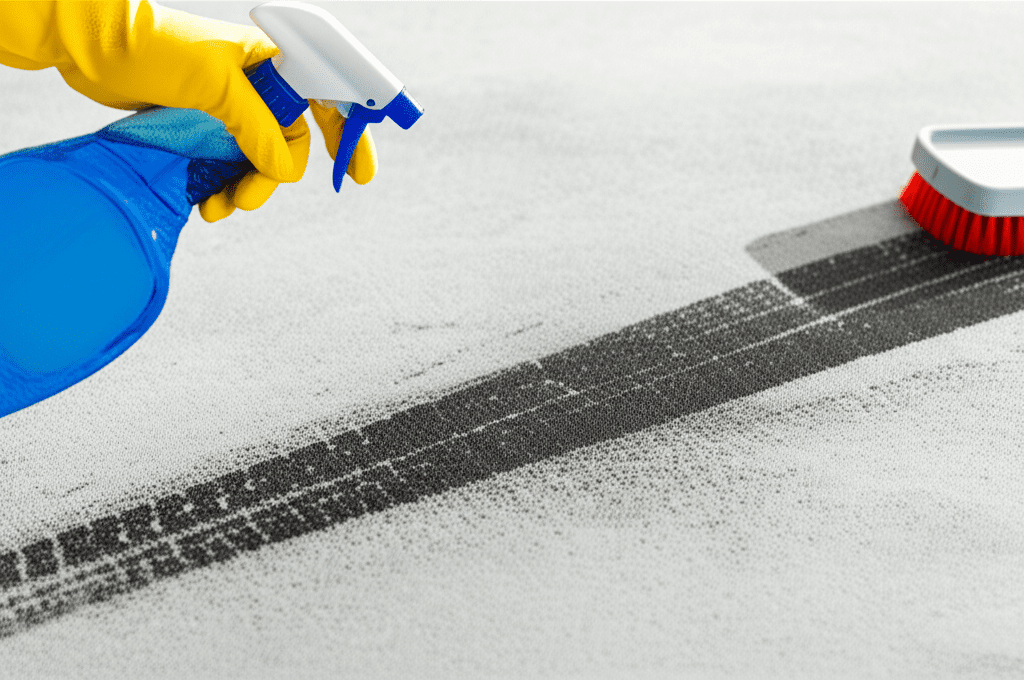
Tire marks, often called skid marks or scuff marks, are essentially rubber residue transferred from a tire onto a surface. On your car’s paint, they typically happen when a tire momentarily loses traction and then re-engages with the road, often picking up bits of rubber and depositing them. This can occur due to:
- Sudden braking or acceleration
- Spinning tires (like in snow or mud)
- Contact with another vehicle’s tires
- Parking too close to a curb or tire stops
While they look alarming, most tire marks on paint are surface-level and can be removed with the right approach. The key is to use cleaning methods that are effective against rubber but gentle on your car’s paintwork.
Gathering Your Essential Tools and Supplies
Before we start the cleaning process, let’s make sure you have everything you need. Having the right tools makes the job easier and ensures you don’t accidentally damage your car’s paint. You likely have most of these items already!
What You’ll Need:
- Two Buckets: One for your cleaning solution and one for rinsing your wash mitt. This is a crucial step to prevent spreading dirt and causing scratches.
- pH-Neutral Car Wash Soap: This is specifically designed to clean car paint without stripping away its protective layer (like wax or sealant). You can find this at any auto parts store.
- Microfiber Wash Mitt: These are soft and absorbent, great for lifting dirt without scratching.
- Clean Microfiber Towels: Several of them! These are essential for drying and buffing without scratching.
- Rubbing Alcohol (Isopropyl Alcohol) or Tar Remover: For those tougher marks, a specific cleaner might be needed. Always test in an inconspicuous area first.
- Clay Bar Kit (Optional, but recommended for stubborn residue): A clay bar is excellent for lifting embedded contaminants from paint. You can learn more about using a clay bar from resources like AutoGeek’s Detailing Clay Techniques.
- Spray Bottle: For diluting cleaning solutions if necessary.
- Gloves: To protect your hands from cleaning chemicals.
Step-by-Step Guide: How to Remove Tire Marks from Car Paint
Now for the main event! Follow these steps carefully for the best results. Remember, patience is key. We want to be thorough but also gentle!
Step 1: Preparation is Key – The Two-Bucket Wash
Start by washing the entire area around the tire marks. This removes loose dirt and debris, preventing it from being ground into the paint during the mark removal process.
- Fill one bucket with clean water and the other with your car wash soap mixed with water according to the product’s instructions.
- Dip your microfiber wash mitt into the soap bucket.
- Gently wash the car’s surface, working from top to bottom.
- Rinse the wash mitt thoroughly in the plain water bucket before dipping it back into the soap bucket. This is the “two-bucket wash” method and it’s vital for a scratch-free finish.
- Rinse the washed section of your car with clean water.
Step 2: Assess the Tire Marks
Once the car is clean, take a close look at the tire marks. Are they light scuffs, or are they deeply embedded rubber?
- Light Scuffs: These often come off with your regular car wash soap and a bit of gentle scrubbing.
- Moderate Marks: You might need a slightly stronger cleaner or a bit of elbow grease.
- Deep or Stubborn Marks: These may require specialized products like rubbing alcohol or a tar remover.
Step 3: Gentle Cleaning Methods First
Always start with the least aggressive method. This protects your paint.
- Car Wash Soap and Water: For light marks, try using your lathered wash mitt again on the marks. Gently rub in a circular motion. Rinse and dry to check the results.
-
Detailing Clay (Optional but Effective): If soap and water aren’t cutting it, a clay bar can be very effective.
- Ensure the area you’ll be working on is still wet (use a detail spray or a diluted car wash solution).
- Take a piece of the clay bar, about the size of a credit card, and flatten it slightly.
- Gently glide the clay over the tire mark in a back-and-forth motion. Don’t use excessive pressure.
- You’ll feel the clay grab and then release as it lifts the rubber residue.
- Wipe away any residue with a clean microfiber towel.
- Fold the clay regularly to expose a clean surface. If you drop the clay, discard it immediately as it will have picked up grit.
Step 4: Using Specific Cleaners for Tougher Marks
If the marks persist, it’s time for a slightly stronger approach. Always test these products in an inconspicuous area first to ensure they don’t damage your car’s paint or clear coat.
-
Rubbing Alcohol (Isopropyl Alcohol): Dilute rubbing alcohol with water (start with a 1:1 ratio).
- Dampen a clean microfiber towel with the diluted alcohol solution.
- Gently dab or rub the tire mark.
- Don’t let the alcohol sit on the paint for too long. Work in small sections.
- Rinse the area thoroughly with water immediately after cleaning.
- Dry the area with a clean microfiber towel.
Rubbing alcohol can sometimes remove wax or sealant, so you might need to reapply wax to the cleaned area afterward.
-
Automotive Tar and Bug Remover: These products are formulated to break down sticky residues like tar and, often, rubber.
- Spray a small amount directly onto the tire mark or onto a microfiber towel.
- Gently rub the mark.
- Allow the product to dwell for the time recommended on the product label, but don’t let it dry on the paint.
- Wipe away the residue with a clean towel.
- Rinse the area thoroughly with water.
- Dry the area immediately.
It’s always a good idea to check product compatibility with your car’s paint; reputable brands will have this information on their labels or websites. You can often find helpful product information from automotive detailing suppliers like Chemical Guys’ guide to tar and bug removal.
Step 5: Rinse and Dry
After using any cleaning product, it’s crucial to rinse the area thoroughly with clean water to remove any chemical residue.
- Use a hose or a damp microfiber towel to rinse the area.
- Gently dry the area with a clean, soft microfiber towel. Pat or blot the water rather than rubbing aggressively to avoid creating new swirl marks.
Step 6: Inspect and Protect
Look over the area. Are the marks gone? Great! If any faint traces remain, you might need a second application of your chosen method. Once you’re satisfied, it’s a good idea to protect the area.
- Apply Wax or Sealant: If you used a stronger cleaner like rubbing alcohol, it might have stripped away existing wax. Apply a coat of your favorite car wax or paint sealant to the cleaned area to restore protection and shine. This helps prevent future contaminants from sticking easily.
Comparing Cleaning Methods: A Quick Look
Here’s a simple comparison of the methods we discussed, highlighting their pros and cons for tackling tire marks.
| Method | Pros | Cons | Best For |
|---|---|---|---|
| Car Wash Soap & Mitt | Safest for paint, readily available, good for light marks. | May not remove tougher marks. | Light scuffs, general cleaning. |
| Detailing Clay | Highly effective at lifting embedded contaminants, relatively safe. | Requires lubrication (detail spray), can be time-consuming for small marks. | Moderate to heavy residue, embedded rubber. |
| Rubbing Alcohol (Diluted) | Breaks down rubber effectively, quick action. | Can strip wax/sealant, requires careful rinsing, test first. | Stubborn marks where other methods fail. |
| Tar & Bug Remover | Specifically designed for sticky residues, potent. | Can be aggressive, always test and rinse well, may strip wax. | Very stubborn rubber marks, heavy residue. |
Tips for Preventing Future Tire Marks
While it’s hard to avoid all tire marks, some driving habits can reduce their occurrence:
- Smooth Braking: Avoid slamming on your brakes unless it’s an emergency. Gentle, controlled braking helps prevent tire lock-up.
- Careful Steering: Avoid sharp turns while accelerating, especially on slippery surfaces.
- Mindful Parking: Be aware of tire stops and curbs when parking to avoid accidental scuffs.
- Proper Tire Maintenance: Ensure your tires are properly inflated and balanced. This can contribute to better traction and less residue transfer. Check out resources like the National Highway Traffic Safety Administration (NHTSA) for tire safety information.
Frequently Asked Questions (FAQ)
Here are some common questions new car owners might have about tire marks.
Q1: Can I use a magic eraser on tire marks?
A1: While a magic eraser (melamine foam) can remove some marks, it is abrasive and can potentially dull or scratch your car’s clear coat. It’s generally safer to stick to specialized automotive cleaners and microfiber towels.
Q2: How do I know if a tire mark has damaged the paint itself?
A2: If the tire mark is accompanied by a deep scratch or gouge in the paint, it may have gone through the clear coat and potentially into the color coat or primer. If you can feel a deep indentation with your fingernail after cleaning, it might require professional attention or a touch-up paint kit.
Q3: Is it safe to use household cleaners like Windex?
A3: No, it’s not recommended. Household cleaners are not formulated for automotive paint and can contain harsh chemicals that strip wax, damage the clear coat, or leave swirls.
Q4: Do I need to re-wax after removing tire marks?
A4: If you used any cleaning product stronger than car wash soap (like rubbing alcohol or tar remover), it’s a good idea to re-wax the cleaned area. This restores the protective layer and helps maintain the paint’s shine.
Q5: What if the marks are on a matte or satin finish?
A5: Matte and satin finishes are more delicate. Always use specialized cleaners designed for these finishes, and avoid abrasive scrubbing or strong chemicals. Start with the gentlest method (rinsing and carefully using car wash soap) and consult the manufacturer’s recommendations.
Q6: How long does it take to remove a tire mark?
A6: For most light marks, it might only take a few minutes. Stubborn marks, especially if they require claying or specialized cleaners, could take 15-30 minutes per mark, depending on the method and technique.
Conclusion
Seeing tire marks on your car can be disheartening, but as you’ve learned, they are typically manageable with the right approach and a bit of patience. By following these steps, starting with the gentlest methods and progressing only if necessary, you can effectively eliminate those unsightly rubber streaks and restore your car’s beautiful finish. Remember, regular washing and protecting your paint with wax or sealant are your best defenses against all sorts of contaminants. You’ve got this, and your car will thank you for it!