How to Sell Car on CarGurus: Proven Essential Guide
Selling your car on CarGurus is straightforward! This guide shows you how to list your vehicle effectively, attract buyers, and complete the sale smoothly. We’ll cover everything from preparing your car to finalizing the paperwork, making the process easy and successful for you.
Thinking about selling your car can feel like a big task, especially if you’re not sure where to begin. You want to get a fair price and a smooth transaction, but the whole process can seem a bit overwhelming. Don’t worry, Md Meraj is here to help! You’ve probably heard of CarGurus as a popular place to buy and sell cars, and for good reason. It’s designed to be user-friendly, even for first-time sellers. This guide will walk you through each step, breaking down exactly how to sell your car on CarGurus. We’ll make sure you feel confident and prepared, from getting your car ready to getting paid. Let’s get your car sold!
Why Choose CarGurus to Sell Your Car?
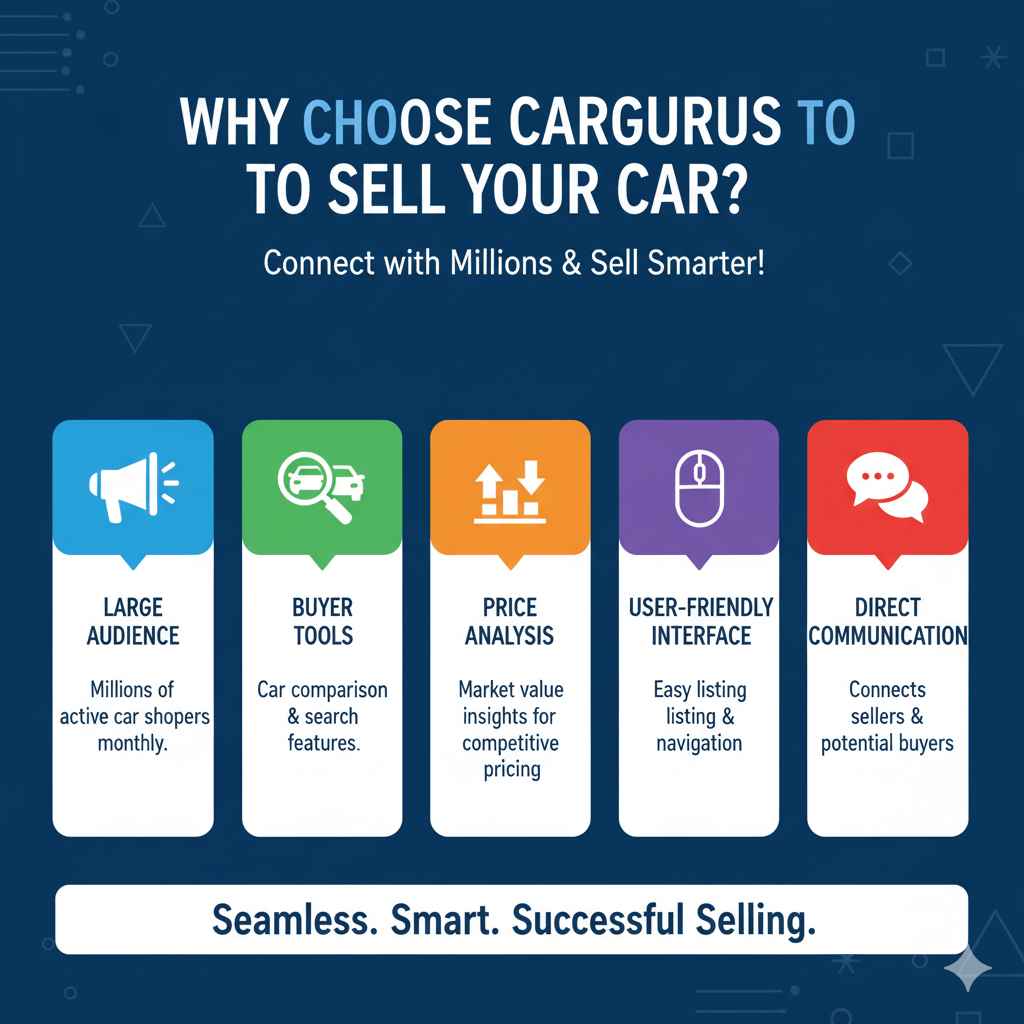
CarGurus has become a go-to platform for many car sellers, and there are several good reasons why. It’s known for its transparent pricing and its large audience of interested buyers. When you list your car on CarGurus, you’re connecting with people who are actively looking to buy, which can speed up the selling process. They also provide helpful tools and information to guide you.
Benefits of Selling on CarGurus:
- Large Audience: Millions of car shoppers visit CarGurus every month, increasing your chances of finding a buyer quickly.
- Buyer Tools: CarGurus offers tools that help buyers compare listings, making your car stand out if presented well.
- Price Analysis: They provide helpful insights into your car’s market value, helping you set a competitive price.
- User-Friendly Interface: The platform is designed to be easy to navigate, making listing your car simple.
- Direct Communication: CarGurus facilitates communication between you and potential buyers.
Getting Your Car Ready to Sell
Before you even think about listing your car, preparation is key. A well-prepared car not only looks better but also helps you get a higher price. Think of it as putting your best foot forward. This stage is all about making your car as appealing as possible to potential buyers.
1. Clean It Thoroughly (Inside and Out)
This is probably the most important step and super easy to do! A clean car signals that it’s been well-maintained. Spend time washing and waxing the exterior. Don’t forget the wheels, tires, and windows. Inside, vacuum the carpets and seats, clean the dashboard, and wipe down all surfaces. Remove any personal belongings and clutter. A fresh scent can also make a good impression.
2. Address Minor Repairs
Take a close look at your car. Are there any small, inexpensive fixes you can make? Things like replacing a burnt-out headlight bulb, touching up minor paint chips, or fixing a loose trim piece can make a big difference. These small improvements show a buyer that you’ve taken good care of the vehicle and can prevent them from nitpicking during negotiations. For more significant repairs, consider if the cost of the repair is worth the potential increase in your selling price.
3. Gather Your Paperwork
Having all your documents ready will make the selling process much smoother. Buyers will want to see proof of ownership and maintenance history. Gather:
- Title: This is essential for transferring ownership. Make sure it’s clear of any liens. If you have a loan, you’ll need to pay it off to get a clear title.
- Maintenance Records: A folder with receipts for oil changes, repairs, and other services shows buyers your car has been well cared for.
- Owner’s Manual: This is a helpful extra.
- Bill of Sale: You can often find templates online for this.
You can find information on obtaining a duplicate title from your state’s Department of Motor Vehicles (DMV) or equivalent agency if yours is lost. For example, the Pennsylvania Department of Motor Vehicles lists required forms for vehicle sales and title transfers.
How to Create Your CarGurus Listing
Now that your car is looking its best and you have your documents ready, it’s time to create your listing on CarGurus. This is where you’ll present your car to potential buyers. A good listing is detailed, honest, and attractive.
1. Sign Up or Log In to CarGurus
If you don’t already have an account, you’ll need to create one on the CarGurus website. Once logged in, look for an option like “Sell Your Car” or “List Your Vehicle.”
2. Enter Your Vehicle Information
CarGurus will ask for specific details about your car. Be as accurate and detailed as possible. This typically includes:
- Year, Make, and Model
- Trim Level (e.g., LX, Sport, Touring)
- Mileage
- VIN (Vehicle Identification Number)
- Color (Exterior and Interior)
- Engine and Drivetrain
- Transmission Type
Providing accurate information here is crucial for setting the right expectations for buyers.
3. Write a Compelling Description
This is your chance to sell the story of your car. Go beyond just the specs. Highlight the great features:
- Key Features: Mention desirable options like a sunroof, leather seats, premium sound system, navigation, or advanced safety features.
- Maintenance: Emphasize recent maintenance or repairs (e.g., “new tires installed last year,” “regularly serviced with records available”).
- Condition: Be honest about the condition, but focus on the positives. You can mention cosmetic flaws, but frame them in a balanced way.
- Reason for Selling: Briefly explaining why you’re selling can build trust (e.g., “upgrading to a larger vehicle,” “no longer need a second car”).
- Ownership: Mentioning if it’s a one-owner car or a non-smoker’s vehicle can be appealing.
Here’s an example of a good descriptive sentence: “This well-maintained, one-owner 2018 Honda CR-V EX-L comes equipped with a panoramic sunroof, heated leather seats, and a reliable all-wheel-drive system, perfect for all seasons.”
4. Upload High-Quality Photos
Photos are often the first thing a potential buyer looks at. You need clear, sharp images that showcase your car from all angles. Aim for at least 10-15 photos:
- Exterior: Front, back, both sides, front 3/4 view, rear 3/4 view.
- Interior: Dashboard, front seats, back seats, cargo area, steering wheel.
- Close-ups: Wheels, engine bay (if clean!), any notable features or any minor imperfections you want to disclose upfront (shows honesty).
Ensure good lighting (natural daylight is best) and a clean background. Avoid blurry photos or pictures taken at odd angles.
5. Set Your Price
CarGurus provides a market analysis to help you determine a competitive price. Consider their recommendations, but also factor in your car’s condition, mileage, and any unique features or upgrades. Research similar vehicles in your area to get a sense of what they’re selling for.
You can choose to set a fixed price or a negotiable price. If you’re flexible, indicate that to attract more interest. Remember that buyers may try to negotiate, so price accordingly.
Pricing Your Car: Tools and Strategies
Setting the right price is crucial for attracting buyers and getting the most money for your car. CarGurus offers valuable tools to help with this. Understanding how they work can give you an edge.
CarGurus Instant Market Value (IMV)
CarGurus analyzes millions of data points to provide an “Instant Market Value” (IMV) for your car. This estimate is based on:
- The specific make, model, year, mileage, and features of your car.
- Current market conditions and demand for that vehicle.
- Pricing of similar vehicles listed on CarGurus and elsewhere.
CarGurus often categorizes your car’s price compared to its market value, using terms like “Great Deal,” “Fair Deal,” or “Overpriced.” This rating is designed to attract buyers. You can aim for a “Great Deal” or “Fair Deal” to increase the chances of a quicker sale.
Factors Influencing Your Price
While the IMV is a great starting point, several other factors can influence how much you can realistically ask:
- Condition: A car in pristine condition with no mechanical issues and a flawless interior can command a higher price than one with wear and tear.
- Mileage: Lower mileage generally means a higher value.
- Location: Market demand can vary by region.
- Optional Features: Higher trim levels and desirable aftermarket additions (if done professionally) can increase value.
- Maintenance History: A documented service history can justify a higher price.
- Urgency: If you need to sell quickly, you might price it slightly lower.
Pricing Strategy Table
Here’s a simple way to think about your pricing strategy:
| Price Level | Description | Pros | Cons |
|---|---|---|---|
| Aggressive (Below IMV) | Priced significantly lower than market value. | Very fast sale likely; attracts many buyers. | May leave money on the table. |
| Competitive (At IMV) | Priced at or very close to market value. | Good balance of speed and profit; attracts serious buyers. | May require some negotiation. |
| Premium (Above IMV) | Priced higher than market value. | Potential for highest profit if buyer is found. | Slower sale; fewer interested buyers; may need price reduction. |
Managing Inquiries and Showings
Once your listing is live, the inquiries will start rolling in. This is an exciting part of the process! How you handle these interactions can significantly impact your sale.
Responding to Buyers
Be prompt and professional when responding to messages or calls. Buyers appreciate quick answers. If they ask questions that are already covered in your description, politely refer them back to the listing. Be honest about all aspects of the car. If a buyer wants to see the car, try to be flexible with scheduling.
Screening Potential Buyers
It’s wise to screen potential buyers. You can start by asking a few questions when they first contact you:
- What is your budget?
- Are you looking to pay cash or finance?
- When would you be available to see the car?
This helps you gauge their seriousness and avoid time-wasters. For security and peace of mind, it’s often best to meet in well-lit, public places during daylight hours for the initial viewing or test drive.
Preparing for Showings
Make sure the car is clean for every showing. Have your paperwork organized and ready to present. Be prepared to answer questions about the car’s history, maintenance, and features.
Test Drives
When a potential buyer wants to test drive your car:
- Accompany Them: Always go along for the test drive.
- Check ID: Ask to see their driver’s license before they drive.
- Stay Safe: Keep your phone handy.
- Define Route: You can suggest a familiar route that covers various road conditions (city streets, some faster roads).
Negotiating the Sale
Negotiation is a normal part of selling a used car. Being prepared can help you get the best possible price without feeling pressured.
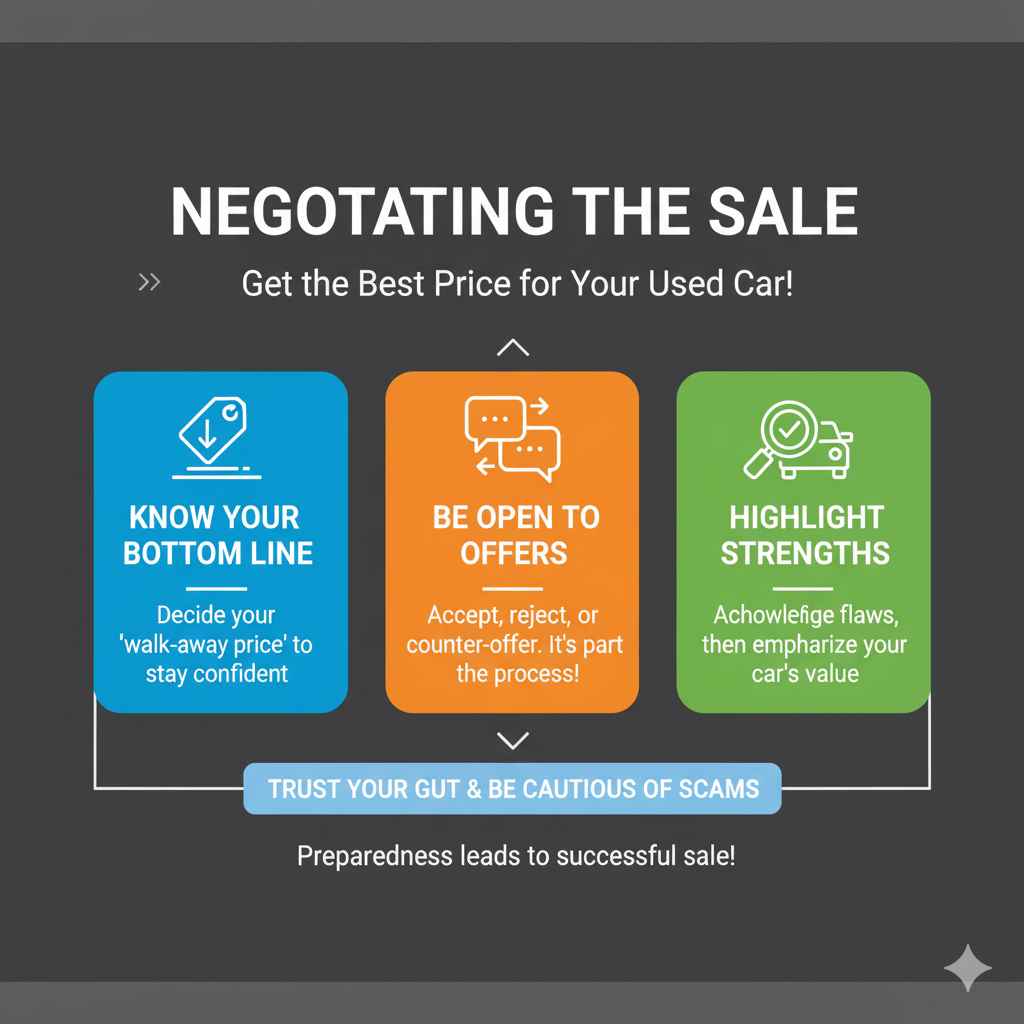
Know Your Bottom Line
Before you even start talking to buyers, decide on the lowest price you’re willing to accept. This is your “walk-away price.” Knowing this will give you confidence during negotiations.
Be Open to Offers
Buyers may make offers below your asking price, especially after a test drive or inspection. Don’t be offended! It’s part of the process. You can accept, reject, or make a counter-offer. When countering, you might meet in the middle or come down slightly from your asking or initial offer.
Highlight Your Car’s Strengths
If a buyer points out a flaw, acknowledge it and then steer the conversation back to your car’s positive attributes and its overall value.
A study by the National Highway Traffic Safety Administration (NHTSA) highlights the importance of safe selling practices, which includes being aware of common scams. Always be cautious and trust your gut feeling during negotiations.
Finalizing the Sale and Paperwork
Once you and the buyer agree on a price, it’s time to complete the transaction. This is where careful attention to paperwork is essential to ensure a smooth and legal transfer of ownership.
Choosing a Payment Method
The safest methods for payment involve methods that are guaranteed funds:
- Cash: Be cautious when accepting large amounts of cash. It’s best to meet at a bank where the money can be verified and deposited immediately.
- Cashier’s Check or Bank Draft: These are generally very safe, but it’s wise to verify the check with the issuing bank before handing over the car and title, especially if the meeting is not at a bank. Scammers can sometimes create convincing fake checks.
- Wire Transfer: This is a secure option, especially for larger amounts. Ensure the funds have cleared your bank account before transferring ownership.
Avoid personal checks, as they can bounce. For private sales, CarGurus facilitates the connection, but they do not handle the financial transaction itself. You and the buyer will need to arrange payment independently.
Completing the Title Transfer
This is a critical step. You’ll need to sign over the title to the new owner. The process varies by state, but generally involves:
- Signing the title in the designated “seller” section.
- The buyer signing in the “buyer” section.
- Filling in the date of sale and the agreed-upon sale price.
- Noting the odometer reading.
Often, a Bill of Sale is also required, which is a separate document detailing the transaction. Both parties should sign this. This document serves as proof of the sale. Some states require you to alert the DMV that you’ve sold the vehicle.
Your local DMV or equivalent agency’s website will have specific forms and instructions. For instance, the California DMV provides a comprehensive guide to selling a vehicle, including necessary forms and steps for title transfer.
Removing Your License Plates
In many states, it’s recommended or required to remove your license plates from the car before handing it over to the buyer. The plates typically belong to you, not the car. Check your local regulations regarding license plates after a sale.
What to do After the Sale
Once the transaction is complete and the paperwork is signed:
- Keep Copies: Make copies of the signed title, bill of sale, and any other transfer documents for your records.
- Notify DMV: If required in your state, notify your DMV that you have sold the vehicle. This helps protect you from liability if the buyer incurs parking tickets or is involved in an accident before the title is officially transferred.
- Cancel Insurance: Contact your insurance company to cancel the policy on the sold vehicle.
Frequently Asked Questions (FAQ)
Q1: How much does it cost to sell a car on CarGurus?
CarGurus itself does not charge sellers a fee to list a car or facilitate a sale directly between private parties. The platform is free for private sellers. However, if you opt to use a dealer or a service through CarGurus that involves them, there might be associated costs.