How to Tell What Fluid is Leaking from Car: Expert Tips
Have you ever noticed a mysterious puddle forming beneath your car and wondered what it might be? It can be frustrating and a bit concerning, especially if you’re not sure what fluid is leaking.
Understanding the source of these leaks can save you time, money, and a lot of stress. You might be dealing with anything from a minor inconvenience to a more serious issue. By learning to identify the different types of car fluids, you can take action before a small problem turns into a costly repair.
In this guide, we’ll walk you through the telltale signs of each fluid leak and give you the confidence to diagnose the issue like a pro. Stay with us to uncover what your car might be trying to tell you with these leaks.
Credit: gmb.net
Identifying Common Car Fluids
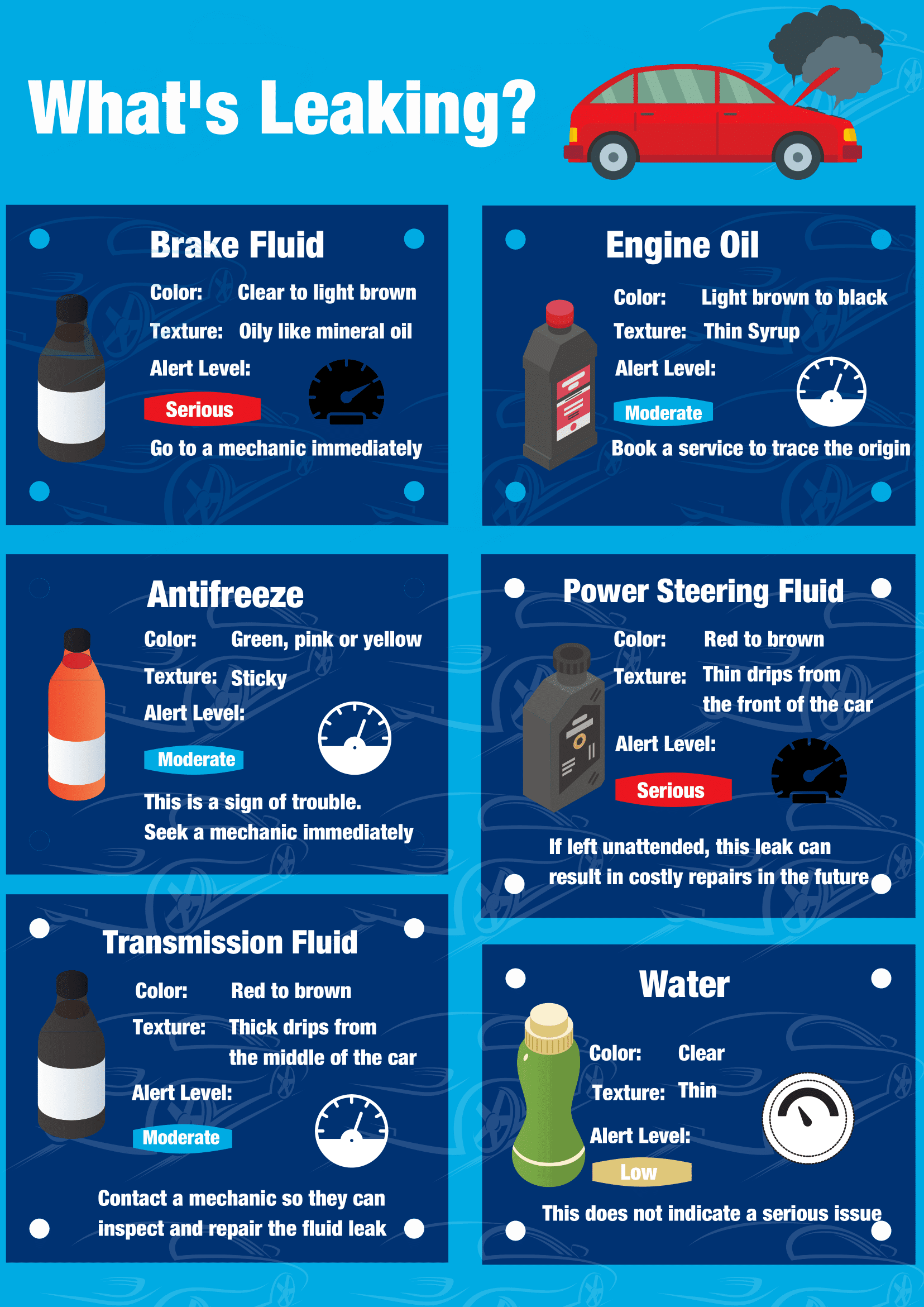
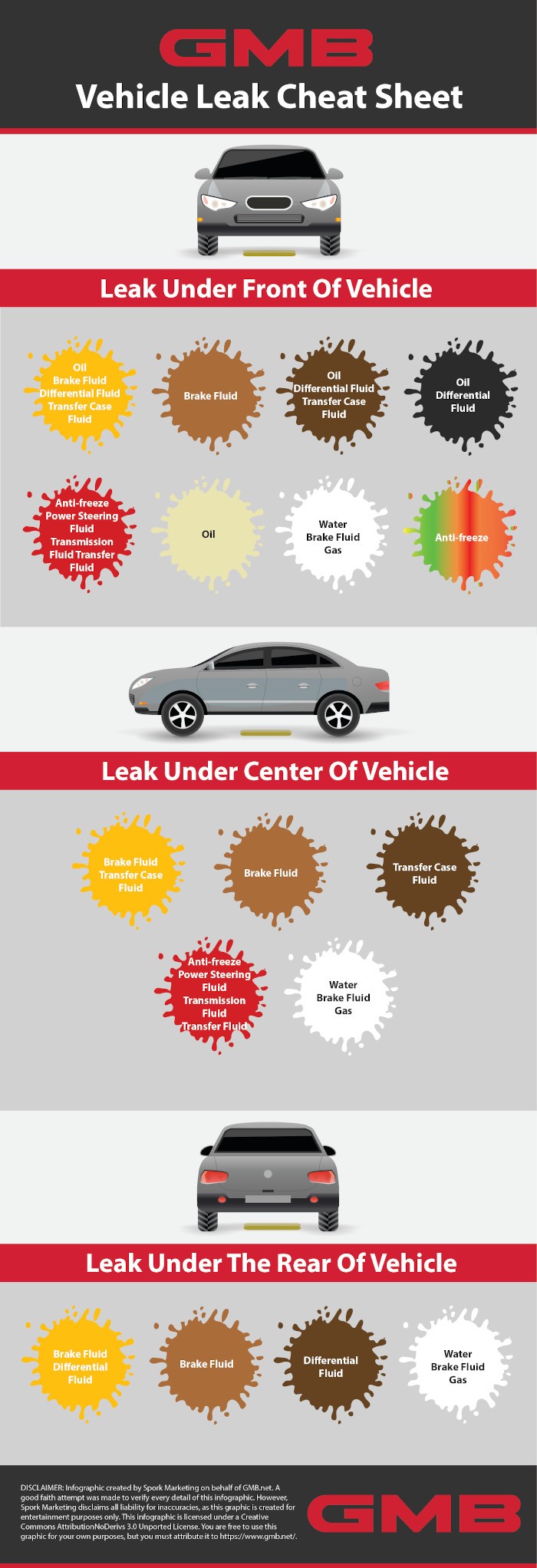
Engine oilis usually brown or black. It feels slippery. It has a strong smell. You might see it under the engine. Oil leaks can damage the engine. Check the oil level often.
Transmission fluidis red or pink. It smells sweet. It feels smooth. Leaks may be near the center of the car. Low fluid can cause shifting problems. Keep the transmission fluid full.
Brake fluidis clear or yellow. It feels oily. It has a strong smell. Leaks can be near the wheels. Low fluid can make brakes fail. Always check brake fluid levels.
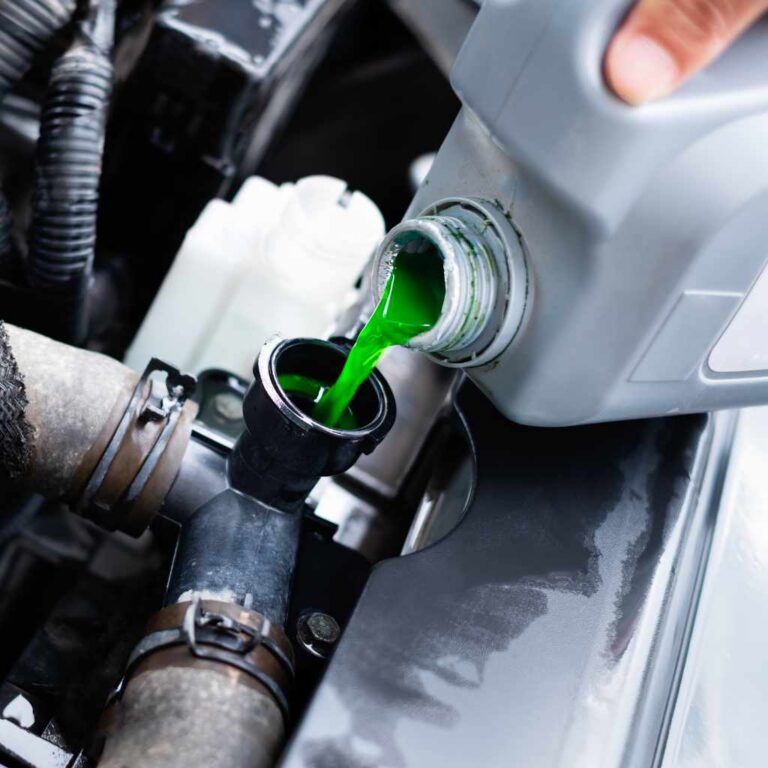
Coolantis green, pink, or orange. It smells sweet. It feels sticky. You might see it near the front of the car. Low coolant can cause overheating. Keep coolant levels checked.
Power steering fluidis red or brown. It feels slick. It smells like burning oil. Leaks might be near the front tires. Low fluid makes steering hard. Check it often.
Credit: www.1aauto.com
Visual Clues For Fluid Types
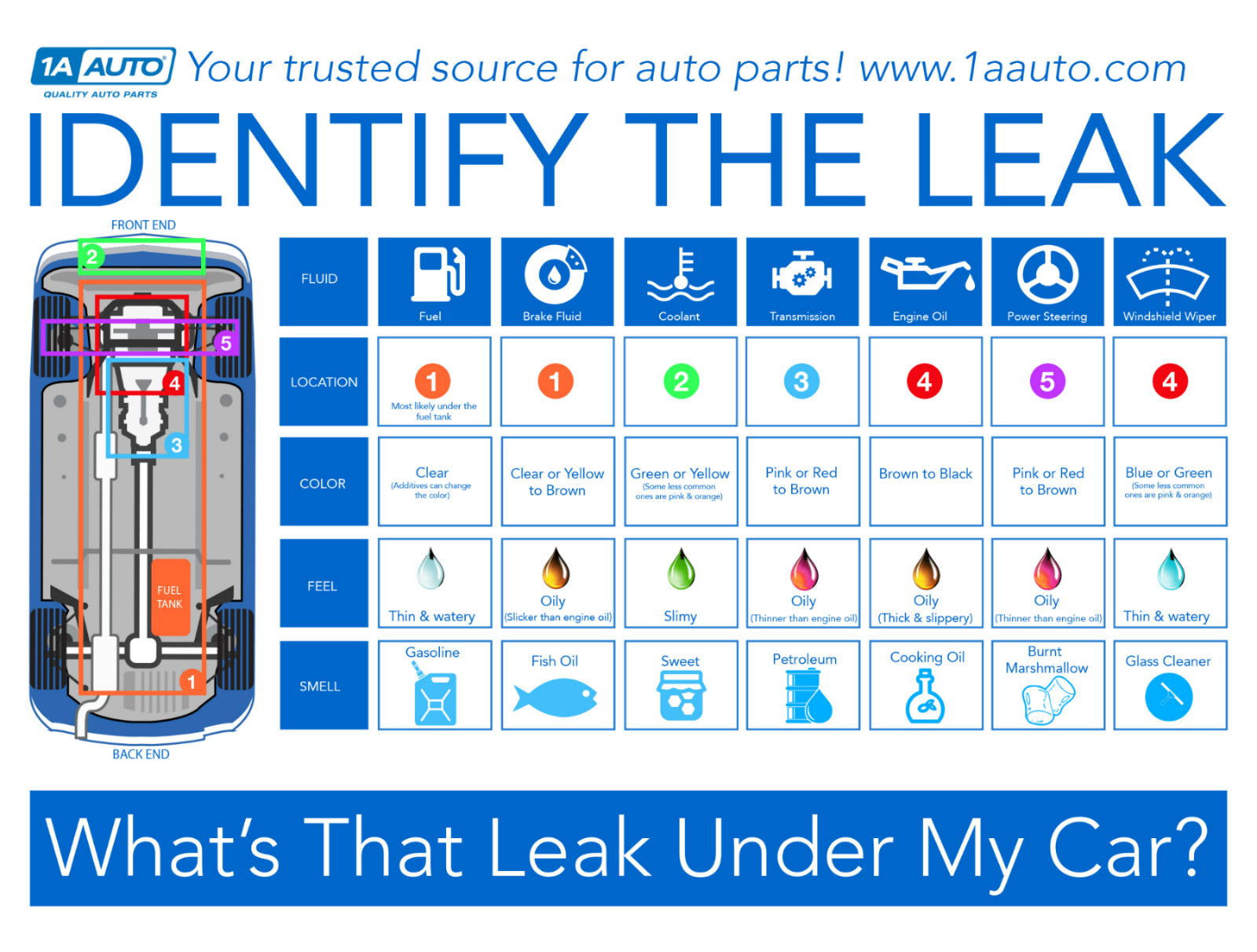
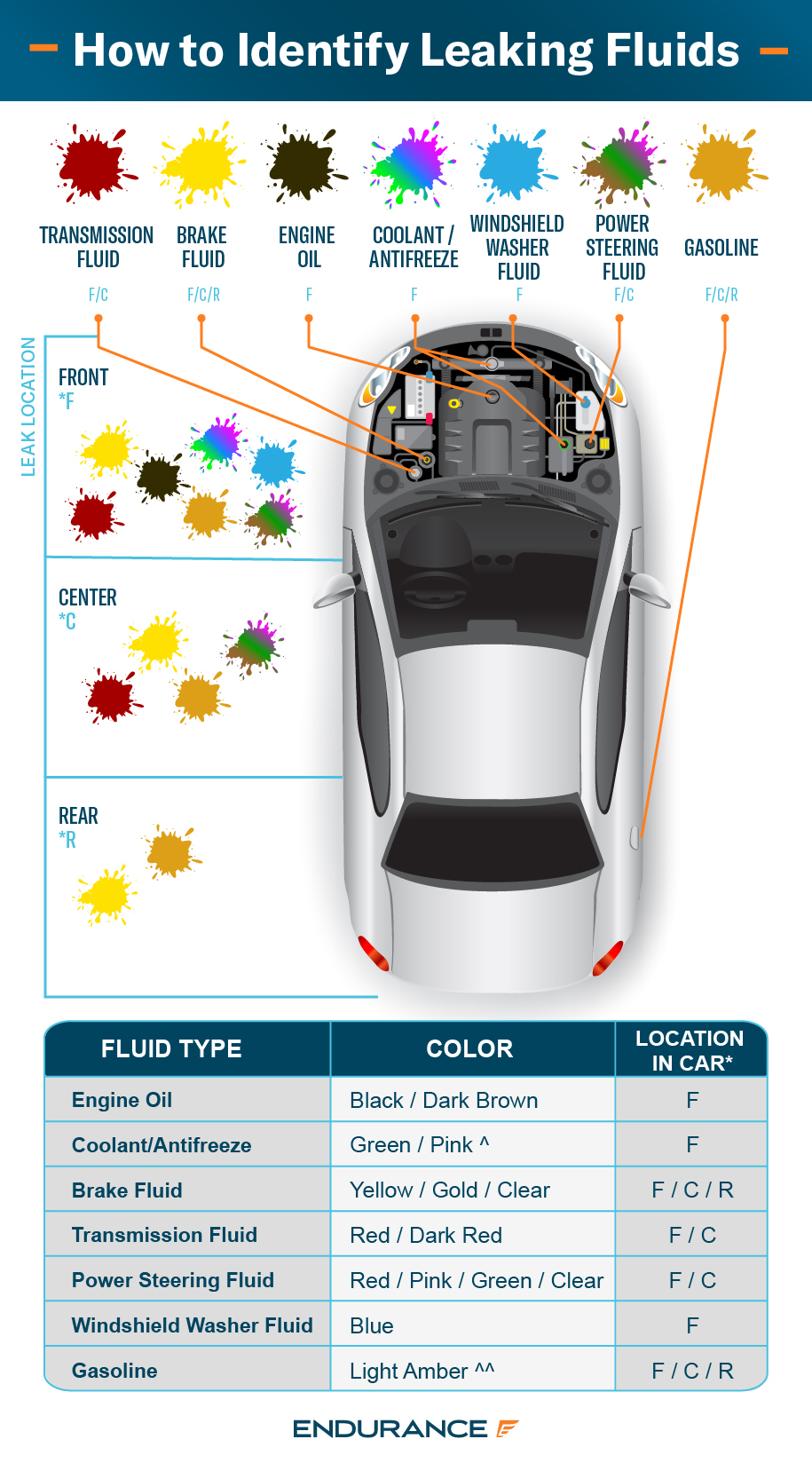
Each car fluid has a unique color and feel. Oil is usually brownor blackand feels slick. Coolant often looks green, orange, or pinkand is watery. Brake fluid is generally clearor yellowishand feels oily. Transmission fluid appears redand feels thick.
Fluid smells can help identify leaks. Oil smells burnt. Coolant has a sweetsmell. Brake fluid is usually odorless. Transmission fluid smells like cooked oil. Gasoline has a strong, pungentodor.
Where the fluid drips can provide clues. Oil leaks are often under the engine. Coolant leaks are usually near the radiator or hose. Brake fluid might pool near the wheels. Transmission fluid can leak under the transmission area. Gasoline leaks might be near the tank.
Using Tools For Fluid Detection
Check the dipstick to see the fluid level. A low level means a leak. Each fluid has its own dipstick, like oil or transmission. Look at the color and texture of the fluid. Oil is usually brown or black. Transmission fluid is red. This helps you know which fluid is leaking.
Use a UV light to find leaks. Special dyes glow under UV light. Add the dye to the fluid and shine the light. The leaking fluid will glow. This shows where the leak is coming from. It is a simple method to find leaks.
Place an absorbent pad under the car. Different fluids leave different colors and stains. Oil leaves a dark stain. Coolant is often green or orange. This helps you tell what fluid is leaking. Pads are easy to use and cheap. They help you find leaks quickly.
Preventing Fluid Leaks
Keep your car in good shape. Check it regularly. Change the oil on time. Replace old parts. Doing this helps avoid leaks. Clean your car often. Dirt can hide problems. Regular care keeps your car healthy.
Seals and gaskets stop leaks. They must be tight. Look for cracks. Cracks cause leaks. Replace damaged parts quickly. Good seals keep fluids inside. They save you from costly repairs. Always inspect seals during check-ups.
Check fluid levels weekly. Use a dipstick for engine oil. Look at the coolant tank. If levels drop fast, there might be a leak. Fill up fluids as needed. Low fluids hurt your car. Keeping them full is crucial.
Safety Measures For Handling Leaks
Wearing protective gear is very important. Always use gloves to protect your hands. Wear goggles to keep your eyes safe. Clothing should cover your skin fully. This keeps chemicals away from your skin. Boots can protect your feet from spills. Ensure all gear fits well for best protection.
Leaks can harm the environment. Fluids may hurt plants and animals. Clean spills quickly to avoid damage. Use materials that soak up liquids. Dispose of these materials safely. Do not wash spills into drains. This can pollute water sources.
Dispose of car fluids properly. Take fluids to a recycling center. Never pour them on the ground. Use sealed containers for transport. Label them clearly. Follow local rules for disposal. This helps keep the environment clean.
Credit: www.endurancewarranty.com
When To Seek Professional Help
Strange noises can mean big problems. Loud grinding or clicking sounds often mean danger. These sounds can hurt the car more. Smoke from the engine is a bad sign too. It might mean overheating or leaks. Don’t wait if you see smoke. Act fast to avoid damage.
Experts know cars well. They find problems fast. Their tools help spot hidden issues. Fixing things early saves money. It stops bigger problems later. Experts give clear answers. They explain repairs in simple words.
Good mechanics have lots of experience. Look for mechanics with happy customers. Check reviews online. Ask friends for tips on who to trust. A reliable mechanic gives honest advice. They care about your car’s health.
Frequently Asked Questions
How Can I Identify Car Fluid Leaks?
Identifying car fluid leaks involves checking color, smell, and location. Common leaks include oil, coolant, and transmission fluid. Oil is usually brown or black, coolant is green or orange, and transmission fluid is red. Observing where the fluid is dripping can help pinpoint the source.
What Does The Color Of Car Fluid Indicate?
Fluid color can indicate its type and condition. Fresh oil is amber; old oil turns brown or black. Coolant is often green or orange, while transmission fluid is red. Brake fluid is usually clear or light brown. Regular checking can prevent serious car issues.
Why Is My Car Leaking Oil?
Oil leaks can occur due to worn gaskets, seals, or oil pans. They may also result from loose or damaged oil filters. Regular maintenance and inspections can help prevent leaks. Identifying and fixing oil leaks early can prevent engine damage and costly repairs.
How Do I Fix A Coolant Leak?
Fixing a coolant leak involves identifying the source and replacing damaged parts. Common causes include a faulty radiator, hose, or water pump. Regularly check coolant levels and inspect hoses for wear. Promptly addressing leaks can prevent overheating and engine damage.
Conclusion
Identifying car fluid leaks is crucial for safety. Each fluid has unique signs. Oil leaves dark brown spots. Coolant creates colorful puddles. Transmission fluid appears reddish. Brake fluid feels slick. Power steering fluid is amber. Windshield washer fluid is blue or green.
Check for leaks regularly. Spotting them early prevents damage. Maintain your car’s health and performance. Save money on repairs. Protect the environment too. Use your senses to identify leaks. Smell, touch, and sight are key. Keep your car in top shape.
Drive with confidence knowing leaks are addressed. Regular checks make a big difference.