A Cool Way to Check Your Car’s AC Compressor
I’ll never forget the day my car’s AC blew hot air on a scorching summer drive. I was stuck sweating, wishing I knew how to test the AC compressor in my car! If your AC isn’t cooling, the compressor might be the culprit. This article will walk you through simple steps to test your car’s AC compressor, using tools like a multimeter and basic safety tips. Whether you’re a beginner or a car enthusiast, you’ll learn how to spot issues, save money, and stay cool. Let’s dive in!
What Is an AC Compressor and Why Test It?
The AC compressor is like the heart of your car’s air conditioning system. It pumps refrigerant to cool the air you feel from the vents.
How Does It Work?
The compressor, driven by your engine’s belt, squeezes refrigerant gas into a liquid. This liquid then cools the air inside your car. If the compressor fails, no cool air! Testing it helps you figure out if it’s broken or if something else is wrong, saving you from pricey repairs.
Why Testing Matters
A bad compressor can make your car hot and miserable. Testing it yourself can catch issues early, avoid a $1,000 repair bill, and keep your AC running smoothly. Plus, it’s empowering to fix your own car!
Tools You’ll Need to Test Your AC Compressor
Before you start, grab these simple tools. Most are cheap and easy to find at stores like AutoZone.
- Multimeter: Measures electrical stuff like voltage and resistance. A basic one costs about $15.
- Safety gloves and goggles: Protect your hands and eyes from shocks or debris.
- Wrench or screwdriver: To remove covers or battery cables.
- Pressure gauge set: Checks refrigerant levels (optional for pros).
Table 1: Tool Comparison for AC Compressor Testing
| Tool | Cost | Where to Buy | Why You Need It |
|---|---|---|---|
| Multimeter | $15–$50 | AutoZone, Amazon | Tests electrical connections |
| Safety Gloves | $5–$10 | Hardware stores | Keeps hands safe |
| Pressure Gauge | $50–$100 | Auto parts stores | Checks refrigerant pressure |
| Caption: Basic tools make testing your AC compressor a breeze. |
Step-by-Step Guide: How to Test AC Compressor in Car
Testing your car’s AC compressor is easier than it sounds. Follow these steps, and you’ll feel like a pro in no time!
Step 1: Stay Safe and Prep Your Car
Safety first! Turn off your engine and let it cool for 30 minutes. Disconnect the battery’s negative cable to avoid shocks. Pop the hood and find the compressor—it’s a metal cylinder near the front, with a belt and two hoses.
Schritt 2: Visual Inspection
Look at the compressor for obvious problems. Check for rust, leaks, or frayed wires.
- Rust or holes: Signs the compressor is damaged.
- Oily spots: Could mean a refrigerant leak.
- Loose belt: A worn belt might stop the compressor from working.
If you see these, fix them before testing further. A loose belt is an easy fix—tighten it with a wrench!
Step 3: Test the Compressor Clutch
The clutch is the part that turns the compressor on. Start the engine, turn the AC to max, and listen for a click. No click? The clutch might be bad.
Use a multimeter set to continuity:
- Disconnect the compressor’s wires (usually a white and black wire).
- Place multimeter probes on the compressor’s terminals.
- Check the reading: 3–5 ohms is good. Below 3 or above 5 means a bad clutch.
Pro Tip: If the clutch doesn’t engage, try jumping it with a wire to the battery’s positive terminal. If it clicks, the issue might be a fuse, not the compressor.
Step 4: Check Electrical Connections
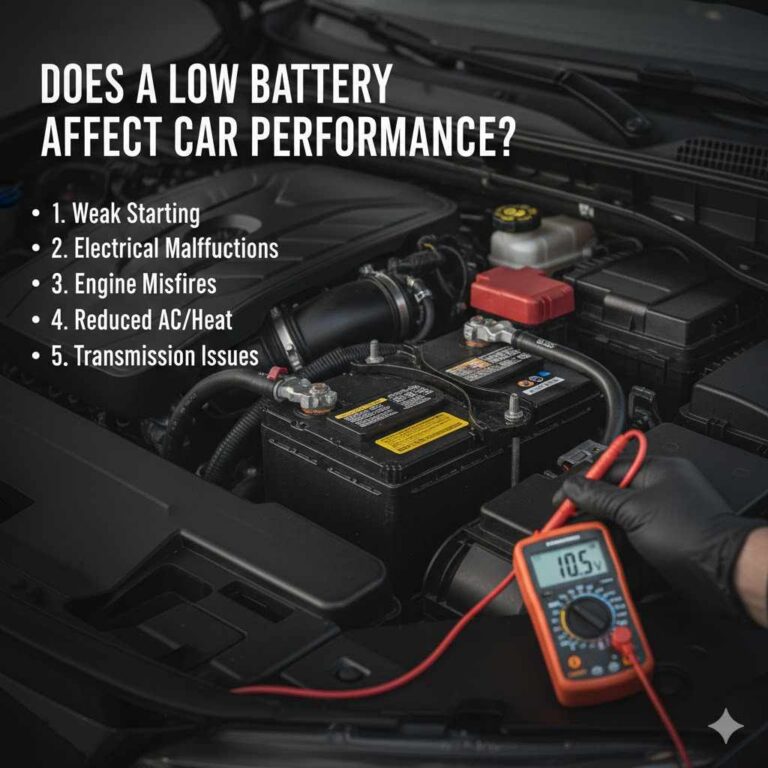
Set your multimeter to DC voltage. With the AC on, test the compressor’s connector for 12 volts. No voltage? Check fuses or relays in the fuse box. A blown fuse is a cheap fix—about $5 at NAPA.
Step 5: Test Refrigerant Pressure (Optional)
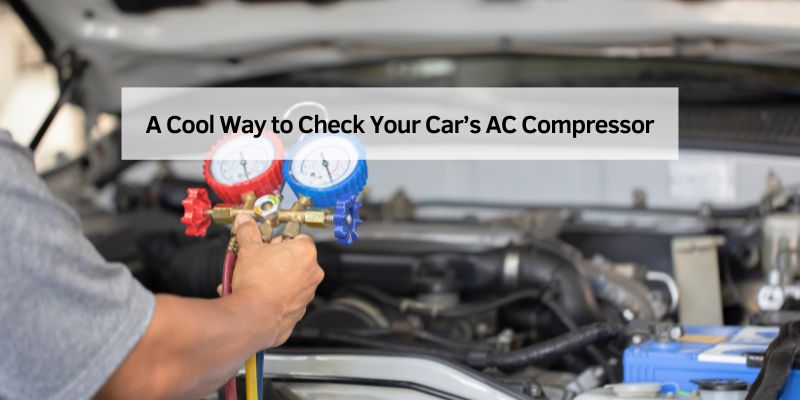
Low refrigerant can stop the compressor from working. Use a pressure gauge set to check the low- and high-pressure sides. Compare readings to your car’s manual. Low pressure might mean a leak, which needs a pro to fix.
Table 2: Common AC Compressor Issues and Fixes
| Issue | Sign | Fix | Cost |
|---|---|---|---|
| Bad Clutch | No click when AC is on | Replace clutch or compressor | $100–$500 |
| Low Refrigerant | Weak cooling | Recharge or fix leak | $50–$200 |
| Worn Belt | Squealing noise | Tighten or replace belt | $20–$50 |
| Caption: Spotting these issues early can save you big bucks. |

Benefits and Drawbacks of Testing Yourself
Testing your AC compressor at home is a game-changer, but it has pros and cons.
Benefits
- Save Money: Avoid a $100 diagnostic fee at a shop.
- Learn Skills: Feel like a car wizard by doing it yourself.
- Catch Issues Early: Fix small problems before they grow.
Drawbacks
- Time-Consuming: Testing takes 30–60 minutes.
- Needs Tools: You’ll spend $20–$100 on gear.
- Complex Fixes: Some issues, like leaks, need a pro.
Alternative Approach: If testing feels overwhelming, take your car to a trusted mechanic. Shops like AAA offer AC diagnostics for about $50–$100.
My Personal Tips for AC Compressor Testing
My first AC test was a total flop—I forgot to disconnect the battery and got a tiny shock! Here are my hard-earned tips:
- Double-check safety: Always disconnect the battery to avoid zaps.
- Keep a notebook: Write down multimeter readings to compare with your manual.
- Don’t rush: Take your time to avoid breaking wires or parts.
- Clean as you go: Wipe down the compressor to spot leaks easier.
Visual Ideas:
- A diagram of the AC compressor showing the clutch, belt, and hoses.
- A labeled photo of multimeter probes on compressor terminals.
- A flowchart of the testing steps for quick reference.
Common Mistakes to Avoid
Don’t make these rookie errors I learned the hard way:
- Skipping safety: Always wear gloves and disconnect the battery.
- Ignoring the manual: Your car’s manual has specific resistance ranges.
- Forcing parts: Be gentle with wires to avoid breaking them.
Frequently Asked Questions
What Is an AC Compressor in a Car?
The AC compressor pumps refrigerant to cool your car’s air. It’s a metal cylinder driven by a belt, usually near the engine’s front. If it fails, your AC blows hot air.
How Do I Know If My AC Compressor Is Bad?
Signs include no cold air, weird noises like grinding, or a clutch that doesn’t click when you turn on the AC. Testing with a multimeter can confirm the issue.
Can I Test an AC Compressor Without Tools?
You can do a visual check for leaks or damage and listen for a clutch click, but a multimeter is needed for accurate electrical testing.
How Much Does It Cost to Fix an AC Compressor?
Repairs range from $100 for a clutch to $1,000 for a full compressor replacement. Testing yourself can save on diagnostic fees.
Can I Drive With a Bad AC Compressor?
Yes, but it’s risky. A seized compressor can damage your engine or belt, leading to costly repairs. Fix it soon!
What If My Compressor Clutch Doesn’t Engage?
Check for voltage with a multimeter. No voltage means a bad fuse or relay. If voltage is present, the clutch might need replacing.
How Often Should I Test My AC Compressor?
Test it yearly or when you notice weak cooling. Regular checks catch issues early, saving you money.
Conclusion
Testing your car’s AC compressor is like giving your car a quick check-up. With a multimeter, some safety gear, and these easy steps, you can spot problems and keep your AC blowing cold. My first test saved me $200, and it felt awesome! Try it yourself, and share your results with friends. Got a car AC story? Drop it in the comments—I’d love to hear it! Stay cool out there!