Is a Dodge Charger a Good First Car?
Hey there! If you’re reading this, you’re probably a new driver or a parent helping someone pick their first car. Maybe you’ve got your eye on a Dodge Charger, with its bold look and muscle-car vibe. I totally get why—it’s a head-turner! But you’re wondering, “Is a Charger a good first car?” I’ve spent a lot of time exploring this question, driving cars, talking to owners, and digging into what makes a first car great. Let me walk you through everything you need to know about choosing a Dodge Charger as a first car, from its style to its safety, costs, and more. I’ll break it down so it’s easy to understand, and by the end, you’ll have a clear picture of whether this car fits your needs.
Why the Dodge Charger Stands Out
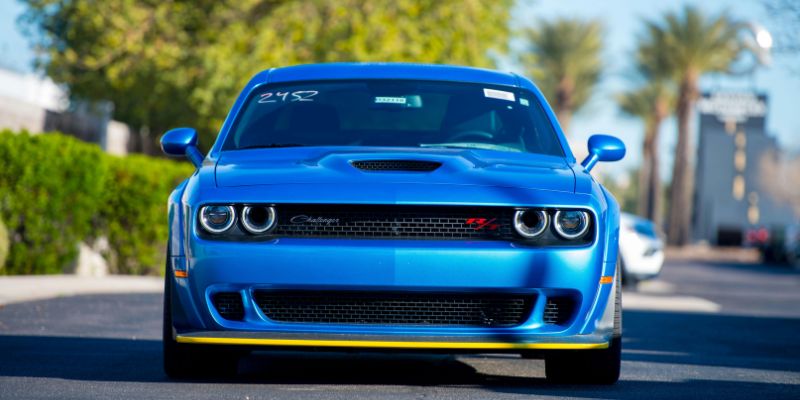
Let’s start with the obvious: the Dodge Charger is cool. It’s got that aggressive, muscular design that screams American automotive history. When I first saw one on the road, I couldn’t help but stare. Its wide stance, sleek lines, and iconic grille make it look like it’s ready to dominate. For a new driver, especially a teen, that kind of style can feel like a dream come true. Who doesn’t want to roll up to school in a car that looks like it belongs in a movie?
But it’s not just about looks. The Charger has a legacy. Since the 1960s, it’s been a symbol of power and performance. Today’s models come with a range of engines, from a practical V6 to a beastly V8 in higher trims like the SRT Hellcat. For a first car, you’re likely looking at the base models, like the SXT or GT, which still pack plenty of punch. I remember test-driving a Charger SXT, and even the V6 felt lively and fun. It’s a car that makes you excited to hit the road.
That said, a first car needs more than just style and power. It has to be practical, safe, and affordable. Let’s dive into the key factors to see if the Charger checks those boxes.
Performance: Fun but Manageable?
The Dodge Charger is known for performance. Even the base 3.6-liter V6 engine in the SXT or GT models pumps out around 292 to 300 horsepower. That’s a lot for a new driver. When I drove one, the acceleration was smooth but quick, which felt thrilling but also a little intimidating. For someone who’s just learning to drive, that power can be a double-edged sword. It’s fun, but it’s easy to get carried away.
Higher trims, like the R/T with its 5.7-liter V8, push out even more power—around 370 horsepower. I talked to a Charger owner who said their teen loved the R/T but admitted it was hard to resist speeding. For a first car, I’d lean toward the V6 models. They’re still peppy but less overwhelming for someone still mastering the basics of driving.
Another thing to consider is handling. The Charger is a big car—about 16.5 feet long and over 4,000 pounds. It’s not as nimble as a compact car like a Honda Civic. I found it took a bit of practice to park and maneuver in tight spaces. For new drivers, that size can feel like a lot to handle, especially in crowded parking lots or city streets.
Safety Features: Keeping New Drivers Protected
Safety is a huge deal for a first car. When I was helping my cousin pick her first car, we prioritized things like airbags, stability control, and driver-assist features. The Dodge Charger does pretty well here, but it’s not perfect.
Most modern Chargers (2015 and newer) come with standard safety features like:
- Multiple airbags (front, side, and curtain)
- Electronic stability control
- Anti-lock brakes
- A rearview camera
Higher trims or optional packages add things like blind-spot monitoring, lane departure warnings, and adaptive cruise control. I tested a 2019 Charger with blind-spot monitoring, and it was a lifesaver in heavy traffic. For a new driver, these features can make a big difference.
That said, the Charger’s safety ratings are solid but not top-tier. The Insurance Institute for Highway Safety (IIHS) gives recent models good marks for crashworthiness, but it’s not a Top Safety Pick like some smaller sedans. The National Highway Traffic Safety Administration (NHTSA) gives it a four-star overall rating. I’d say it’s safe enough, but if safety is your top priority, you might want to compare it to cars like the Toyota Camry, which often score higher.
One thing I noticed is the Charger’s size can be a safety plus. Its heavy frame feels sturdy, which can protect you in a crash. But that size also means a longer stopping distance, so new drivers need to be extra cautious.
Fuel Economy: Will It Break the Bank?
Let’s talk about gas. As a first-time driver or a parent footing the bill, fuel costs matter. The Charger’s V6 models get about 19 mpg in the city and 30 mpg on the highway, according to EPA estimates. I drove a 2020 SXT for a week and averaged around 23 mpg with mixed driving. That’s not terrible, but it’s not great either compared to something like a Honda Accord, which can hit 33 mpg on the highway.
If you go for a V8 model, fuel economy drops to around 15 mpg city and 25 mpg highway. I spoke to a friend who owns a Charger R/T, and they said gas station visits add up fast, especially with premium fuel recommended for V8s. For a new driver who might be on a tight budget, the V6 is the way to go.
Here’s a quick comparison of fuel economy for first-car options:
| Car Model | City MPG | Highway MPG | Approx. Annual Fuel Cost (15,000 miles) |
|---|---|---|---|
| Dodge Charger (V6) | 19 | 30 | $1,800 |
| Honda Civic | 30 | 38 | $1,200 |
| Toyota Corolla | 31 | 40 | $1,150 |
| Dodge Charger (V8) | 15 | 25 | $2,200 |
*Based on average U.S. gas prices and 15,000 miles per year.
For a teen driver, those extra dollars at the pump can sting. I’d recommend sticking to the V6 if you’re set on a Charger.
Cost of Ownership: Budget-Friendly or Not?
Buying a car is one thing, but owning it is another. I learned this the hard way with my first car—a cool-looking sedan that ended up costing me a fortune in repairs. The Dodge Charger’s cost of ownership includes purchase price, insurance, maintenance, and repairs.
Purchase Price
A new Charger SXT starts around $30,000, but that’s steep for a first car. Used models from 2015 to 2020 can go for $15,000 to $25,000, depending on mileage and condition. I checked local listings and found a 2018 SXT with 50,000 miles for about $20,000. That’s reasonable compared to new, but still pricier than a used Civic or Corolla, which can be under $15,000.
Insurance
Insurance for a Charger can be a shocker, especially for a teen driver. I got quotes for a 17-year-old driver, and full coverage on a 2019 Charger SXT was about $3,500 a year. Compare that to a Honda Civic at around $2,800. The Charger’s sporty reputation and higher repair costs drive up premiums. If you’re a parent, shop around for insurance and consider adding the car to your policy to save money.
Maintenance and Repairs
The Charger is fairly reliable, but it’s not a Toyota. I talked to a mechanic who said V6 models are generally low-maintenance, but parts like brakes and tires can be pricey because of the car’s size and performance. Annual maintenance might run $500-$800, and unexpected repairs (like suspension issues) can add up. My friend with the R/T spent $1,200 on new tires last year, which was a wake-up call.
Overall, the Charger’s ownership costs are higher than many compact cars. If your budget is tight, you might want to consider that.
Interior and Comfort: A Great Place to Be?
The Charger’s interior is another strong point. When I sat in one, I was impressed by how spacious it felt. The front seats are comfy, and there’s plenty of legroom in the back—great for carpooling friends. The trunk is huge, too, with 16.5 cubic feet of space. I easily fit a week’s worth of groceries and sports gear during my test drive.
The base models come with a 7-inch touchscreen, Apple CarPlay, Android Auto, and Bluetooth. Higher trims get an 8.4-inch screen and extras like heated seats. I loved how easy the infotainment system was to use—no fumbling around while driving. For a new driver, that’s a big plus, as distractions can be dangerous.
One downside? The interior materials in base models feel a bit cheap compared to rivals like the Mazda3. There’s a lot of hard plastic, which doesn’t scream luxury. Still, it’s functional and durable, which matters for a first car.
Reliability: Will It Keep Running?
Nobody wants a first car that’s always in the shop. The Dodge Charger has a decent reputation morire than some American cars, but it’s not bulletproof. J.D. Power gives recent models average reliability scores, and Consumer Reports ranks it below competitors like the Toyota Camry. I spoke to a Charger owner who’s had their 2017 model for five years with no major issues, just regular oil changes and a battery replacement. But online forums mention occasional electrical glitches or transmission issues, especially in older models.
For a first car, I’d recommend a used Charger from 2015 or newer with a clean maintenance history. Get it inspected by a mechanic before buying. That’s what I did with my last car purchase, and it saved me from a lemon.
Is It Practical for a New Driver?
A first car needs to be practical. The Charger is a full-size sedan, so it’s great for carrying passengers or gear. I took a road trip with friends in a Charger, and we had no trouble fitting luggage for four people. It’s also rear-wheel drive (all-wheel drive is optional on some models), which can be tricky in snow or rain. If you live in a place like Minnesota or New York, you’ll want all-wheel drive or good winter tires.
The Charger’s size can be a challenge, though. I remember my first time parallel parking a big sedan—it was stressful! New drivers might need extra practice to get comfortable. Plus, the car’s sporty nature might tempt you to drive faster than you should. I know I felt that urge during my test drive.
Comparing the Charger to Other First Cars
To see if the Charger is the right choice, let’s compare it to some popular first cars. Here’s a table to break it down:
| Feature | Dodge Charger (SXT) | Honda Civic | Toyota Corolla | Mazda3 |
|---|---|---|---|---|
| Starting Price (Used) | $15,000-$25,000 | $12,000-$18,000 | $12,000-$18,000 | $13,000-$20,000 |
| Horsepower | 292-300 hp | 158-180 hp | 139-169 hp | 155-191 hp |
| Fuel Economy (City/Hwy) | 19/30 mpg | 30/38 mpg | 31/40 mpg | 26/35 mpg |
| Safety Rating (NHTSA) | 4 stars | 5 stars | 5 stars | 5 stars |
| Cargo Space (cu. ft.) | 16.5 | 15.1 | 13.1 | 13.2 |
| Insurance (Teen, Annual) | ~$3,500 | ~$2,800 | ~$2,700 | ~$2,900 |
The Charger offers more power and space but lags in fuel economy, safety ratings, and insurance costs. If you want style and performance, it’s a contender. If affordability and safety are key, a Civic or Corolla might be better.

My Personal Take as a Driver
I’ve driven a lot of cars, and the Charger is one of the most fun. It’s got that raw, American muscle feel that makes every drive exciting. But as a first car, it’s not for everyone. If you’re a cautious driver who loves style and can handle a bigger car, it’s a great pick. If you’re on a tight budget or live in a snowy area, you might want something smaller and more efficient.
When I was a new driver, I would’ve loved a Charger for its looks, but I’m glad I started with a cheaper, easier-to-drive car. It helped me build confidence before tackling something with more power. That’s something to think about—driving skill and responsibility matter as much as the car itself.
Conclusion
So, is a Dodge Charger a good first car? It depends on what you value. If you want a car that’s stylish, powerful, and spacious, the Charger is a fantastic choice. Its bold design and fun driving experience make it stand out from the crowd. But it comes with higher costs—fuel, insurance, and maintenance—that can strain a new driver’s budget. Plus, its size and power might be a lot for someone still learning the ropes.
I’d say the Charger is best for a mature new driver who’s ready to handle its performance responsibly and has the budget for its upkeep. If that’s you or your teen, go for a used V6 model like the SXT or GT for the best balance of fun and practicality. If you’re looking for something cheaper, safer, or easier to drive, consider a compact sedan like the Honda Civic or Toyota Corolla.
Ultimately, the right first car is one that fits your needs, budget, and driving skills. The Charger is a thrilling option, but it’s not a one-size-fits-all. Take it for a test drive, crunch the numbers, and talk it over with your family. Whatever you choose, enjoy the ride—it’s the start of an exciting journey!
FAQs
Is the Dodge Charger safe for a teen driver?
The Dodge Charger has decent safety features, like airbags, stability control, and a rearview camera. Some models offer blind-spot monitoring and other assists. It gets a four-star NHTSA rating, which is good but not the best. For a teen, it’s safe enough, but smaller cars like the Honda Civic often score higher.
How much does it cost to maintain a Dodge Charger?
Maintenance for a Charger runs about $500-$800 a year for things like oil changes and tire rotations. Repairs can be pricier due to its size and performance parts. V6 models are cheaper to maintain than V8s. Always get a used Charger inspected to avoid surprises.
Is the Dodge Charger good for winter driving?
The Charger’s standard rear-wheel drive can be tricky in snow or rain. All-wheel drive is available on some V6 models, which helps a lot. If you live in a snowy area, get all-wheel drive or invest in good winter tires to stay safe.
Can a new driver handle the Dodge Charger’s power?
The Charger’s V6 models have 292-300 horsepower, which is a lot for a new driver. It’s manageable with caution, but the V8 models (370+ hp) might be too much. I’d recommend starting with a V6 and practicing in open areas to get comfortable.
How does the Charger compare to other first cars?
The Charger offers more style and power than cars like the Honda Civic or Toyota Corolla. But it’s pricier to buy, insure, and fuel. It’s also bigger, which can be harder to handle. If you want fun over practicality, the Charger’s a great pick. If you need affordability, look at compacts.