Does Your Car Need a Catalytic Converter? Yes, by Federal Law
Yes. Every gas-powered car sold in the U.S. since 1975 is legally required to have a working catalytic converter under the Clean Air Act, and removing or disabling one is a federal offense, not just a maintenance choice. Electric cars are the only common exception, since they have no exhaust to clean up in the first place.
This guide covers which vehicles actually need one, what happens if you remove it anyway, how much a replacement costs, and the warning signs that yours is failing.
What Is a Catalytic Converter?
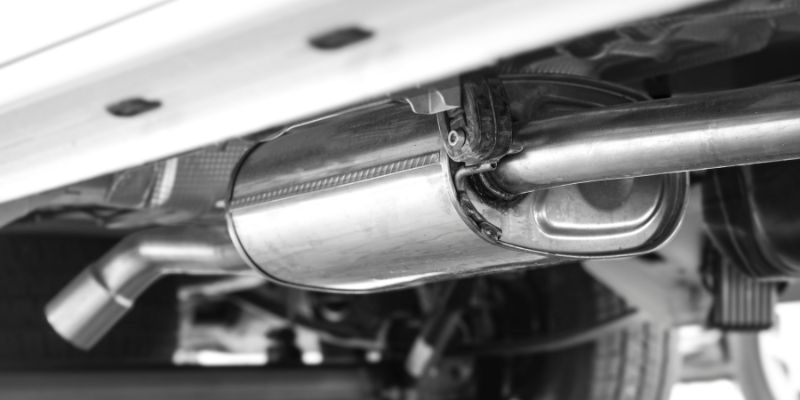
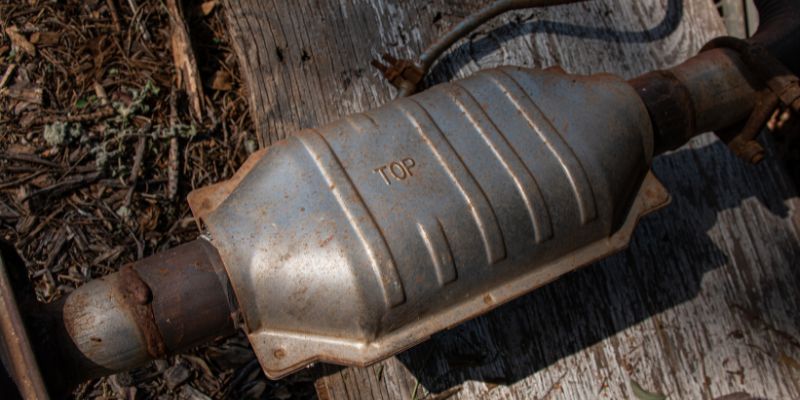
A catalytic converter is a metal canister mounted in the exhaust system between the engine and the muffler. Inside, a honeycomb-shaped ceramic core is coated with a thin layer of precious metals, usually platinum, palladium, and rhodium, that act as a catalyst for a chemical reaction as hot exhaust gas passes through.
When an engine burns gasoline, it produces carbon monoxide, unburned hydrocarbons, and nitrogen oxides. The catalytic converter converts most of that into carbon dioxide, nitrogen, and water vapor. A properly functioning converter removes roughly 90 percent of the harmful pollutants that would otherwise leave the tailpipe.
Why Do Cars Have Catalytic Converters?
Catalytic converters exist because of air pollution regulation, not engine performance. Smog from vehicle exhaust was a serious public health problem in cities like Los Angeles by the late 1960s, and the Clean Air Act of 1970 gave the newly formed EPA authority to set vehicle emissions limits. Automakers could not meet the tighter 1975 standards with engine tuning alone, so catalytic converters became standard equipment on nearly every new gas-powered car sold in the U.S. starting with the 1975 model year.
They have stayed mandatory ever since because they measurably reduce smog-forming pollutants, acid rain precursors, and carbon monoxide, which is dangerous in enclosed spaces like garages. A converter that is missing, damaged, or clogged is also one of the most common reasons a vehicle fails a state emissions inspection.
Does Every Car Need a Catalytic Converter?
In most cases, yes, but the answer depends on the type of powertrain and the age of the vehicle. Here is how it breaks down by category.
Gas-Powered Cars
If you drive a gasoline-powered car or truck built in 1975 or later, it almost certainly has a catalytic converter bolted into the exhaust system between the engine and the muffler, and it is required to stay there. Without it, tailpipe emissions rise sharply and the vehicle will fail an emissions test in any state that requires one, including California and New York.
Diesel Vehicles
Diesel emission control works a bit differently than on gasoline engines. Older diesels, especially pre-1990s trucks, often had no catalytic aftertreatment at all because diesel combustion produces very little carbon monoxide. Most diesels built since the early 2000s use a diesel oxidation catalyst (DOC) and a diesel particulate filter (DPF), and many newer diesel trucks add selective catalytic reduction (SCR), which injects diesel exhaust fluid (DEF) to neutralize nitrogen oxides. These are not identical to a gasoline car’s three-way catalytic converter, but they serve the same legal purpose, and tampering with any of them is covered by the same federal tampering rules.
Electric and Hybrid Cars
Fully electric vehicles have no combustion engine and no exhaust, so there is nothing for a catalytic converter to treat. Hybrids are a different story: because most hybrids still run a gasoline engine part of the time, they need a catalytic converter just like a conventional gas car does, sized for the smaller engine typically used in a hybrid powertrain.
Classic Cars
Vehicles built before the 1975 model year were never required to have a catalytic converter and typically do not have one from the factory. Many states exempt older vehicles from periodic emissions testing based on model year, but the exemption threshold varies by state, and a handful of states apply emissions rules to any vehicle registered for street use regardless of age. Check your state’s DMV or environmental agency rules before assuming a classic is exempt.
Legal Requirements for Catalytic Converters
BEST UNIVERSAL EPA-COMPLIANT REPLACEMENT
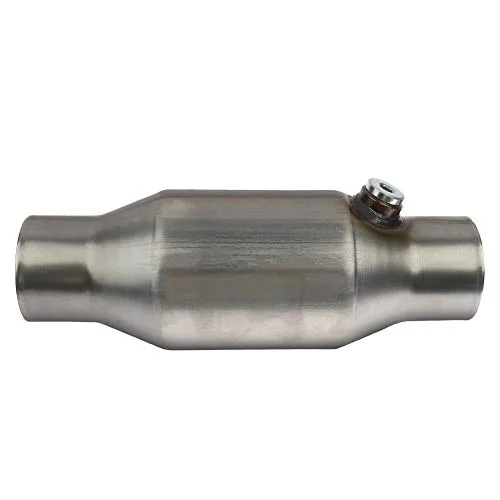 |
MAYASAF Universal Catalytic Converter (2.5" O2 Port) – $34.99 A direct-fit way to legally replace a failed or missing converter without a trip to the dealer, built with a factory-style O2 sensor port so your check engine light readings stay accurate.
|
In the U.S., the Environmental Protection Agency sets the federal floor for emissions equipment, and individual states can add stricter rules on top of it. Many states require an annual or biennial emissions test, and a missing, disconnected, or tampered-with catalytic converter is an automatic failure.
California, through the California Air Resources Board (CARB), has the strictest standards in the country, and several other states have adopted CARB rules as well. Vehicles registered in those states generally need a CARB-certified converter, which typically costs more than a standard EPA-compliant unit. States without a periodic emissions testing program still enforce the underlying federal law: removing a catalytic converter is illegal nationwide under the Clean Air Act, even where there is no annual test to catch it.
What Happens If You Remove a Catalytic Converter?
Removing a catalytic converter reduces backpressure in the exhaust, which can produce a small increase in horsepower and a noticeably louder exhaust note. In practice, that minor gain comes with several real downsides.
Tailpipe emissions rise substantially, the vehicle will fail any required emissions test, and the check engine light typically comes on because the oxygen sensors downstream of the converter can no longer read normal exhaust chemistry. Many vehicles will also throw a P0420 or P0430 catalyst-efficiency code even though the removal, not a failing part, is the actual cause.
It is also illegal. Section 203(a)(3)(A) of the Clean Air Act prohibits removing or disabling emissions control equipment on a registered vehicle, and the EPA’s civil penalty for tampering is adjusted for inflation each year, currently running into the thousands of dollars per violation for an individual and far more for a repair shop or dealer caught doing it for customers. On top of the legal risk, a car without a catalytic converter is louder, smells stronger of unburned fuel, and can draw attention from law enforcement even in states with no emissions testing program.
Signs Your Catalytic Converter Needs Attention
A failing catalytic converter usually gives off a handful of recognizable warning signs before it fails completely.
Check Engine Light
A glowing check engine light paired with a P0420 or P0430 code is the most common indicator that a converter is not converting exhaust gases efficiently enough to meet emissions standards. A code reader at most auto parts stores can pull the code for free.
Poor Performance
A converter clogged with carbon or debris restricts exhaust flow, which chokes the engine and makes the car feel sluggish under acceleration, similar to driving with the parking brake partially engaged.
Rattling Noises
A rattling sound from underneath the car, especially at idle, often means the ceramic honeycomb inside the converter has cracked or broken apart. Loose material can rattle around inside the shell and eventually clog the exhaust entirely.
Rotten Egg Smell
A sulfur-like, rotten-egg smell from the exhaust means the converter is not fully processing hydrogen sulfide compounds in the exhaust stream. It is a reliable sign the converter needs inspection, and it should not be ignored.
How to Maintain Your Catalytic Converter
A catalytic converter can easily last the life of the vehicle with basic care. A few habits make the biggest difference:
- Use Top Tier gasoline: Fuel that meets the Top Tier detergency standard, sold by brands like Shell and Chevron, produces less carbon deposit buildup that can foul the converter over time.
- Fix engine problems fast: A misfire, a failing spark plug, or a bad oxygen sensor sends unburned fuel into the converter, which can overheat and destroy it. A cheap fix caught early avoids an expensive converter replacement later.
- Avoid physical damage: Converters are mounted low in the exhaust and can crack or dent from potholes, speed bumps, and curbs. Driving carefully over rough surfaces protects the housing.
- Consider a catalytic converter cleaner: Fuel-additive cleaners such as Cataclean are poured into the gas tank and are marketed to help clear light carbon fouling. They will not fix a physically broken converter, but they are a low-cost first step for a mild P0420 code.
Replacing a Catalytic Converter
If a converter is clogged, physically damaged, or repeatedly triggering a catalyst-efficiency code, replacement is usually the only fix.
When to Replace
A converter that is severely clogged will noticeably cut fuel economy and power, and a mechanic can confirm the diagnosis with a backpressure test. A rattling converter with loose internal debris should be replaced before the broken material works its way further into the exhaust system.
Cost of Replacement
A new converter typically costs $200 to $2,000 for parts depending on the vehicle, with labor adding another $100 to $300 on top. An aftermarket unit for a common compact car often lands around $400, while a converter for a luxury vehicle can run $1,500 or more. CARB-compliant converters, required in California and several other states, generally cost more than a standard EPA-compliant unit.
Choosing a Converter
Aftermarket converters cost less than OEM replacements and are a reasonable choice for most drivers, though OEM units generally last longer. Confirm whether your state requires a CARB-compliant converter before ordering one, and stick to established brands such as MagnaFlow or Walker to avoid a unit that fails prematurely or was never actually EPA-certified.
DIY vs. Professional Installation
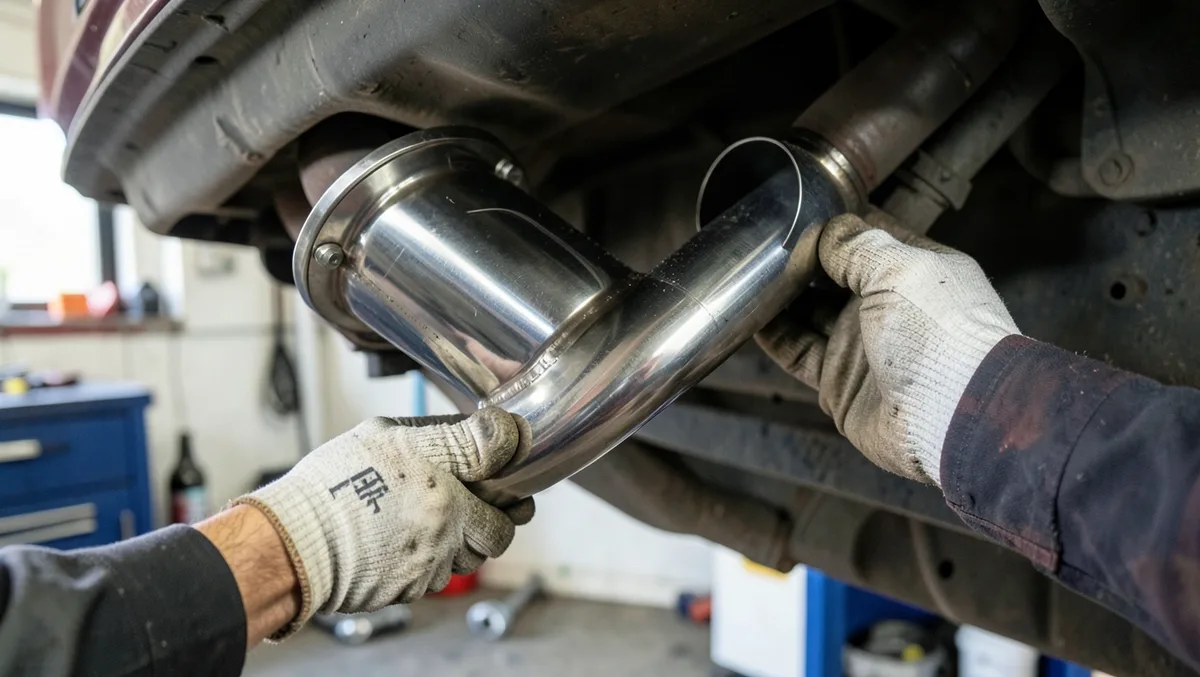
Converter replacement usually involves cutting out the old unit and welding or clamping in the new one, which requires a welder, a lift or jack stands, and some exhaust experience. It is a doable weekend project for an experienced DIYer with the right tools, but many drivers have a shop handle it, with labor typically running $100 to $300.
Can You Drive Without a Catalytic Converter?
A car will physically run without a catalytic converter, but it is not legal for street use, and it will be noticeably louder and smellier. In any state with mandatory emissions testing, the vehicle will fail inspection and cannot be registered until the converter is reinstalled. Even in states without periodic testing, driving without one violates federal law, and a car that is visibly loud or polluting can still draw a traffic stop.
Catalytic Converter Theft: A Growing Problem
Catalytic converter theft has become one of the most common vehicle-related property crimes in the U.S. in recent years. Thieves target converters because the platinum, palladium, and rhodium inside can be sold to scrap buyers, and an experienced thief can cut one free from underneath a parked car in a matter of minutes with a battery-powered saw. Trucks and SUVs with more ground clearance, along with hybrids that use smaller, metal-rich converters, are especially common targets.
Parking in a garage or a well-lit area, installing an aftermarket anti-theft shield that bolts over the converter, and etching the vehicle’s VIN onto the converter to make it harder to resell are all common ways to reduce the risk. If a converter is stolen, expect a replacement, including parts and labor, to run anywhere from $500 to $2,000 depending on the vehicle, and a broader vehicle theft-deterrent setup can help protect against related break-ins at the same time.
Alternatives to Catalytic Converters
For a gasoline-powered car, there is no legal alternative to a catalytic converter. High-performance vehicles use converters engineered to flow better at high RPM, but they still have to meet the same emissions standard as any other converter sold for street use. Diesel vehicles rely on a different combination of hardware, including diesel particulate filters and selective catalytic reduction systems, but those are additions to, not replacements for, catalytic aftertreatment.
The only vehicles that genuinely avoid the issue are electric vehicles, which have no combustion exhaust and therefore no catalytic converter to maintain, replace, or worry about having stolen.
Federal Emissions Warranty: Is Your Catalytic Converter Covered?
Many drivers do not realize the catalytic converter carries its own federally mandated warranty, separate from the manufacturer’s regular new-car warranty. Under 40 CFR Part 85, automakers must cover the catalytic converter, along with the onboard emissions computer and OBD system, for eight years or 80,000 miles, whichever comes first.
This emissions performance warranty applies even if the failure is due to normal wear rather than a manufacturing defect, and it obligates the manufacturer to diagnose and repair any emissions-related failure that causes the vehicle to exceed federal limits or fail a state inspection. It is worth checking your vehicle’s age and mileage against this window before paying out of pocket for a converter that may still be covered.
Once a vehicle passes eight years or 80,000 miles, the converter itself is no longer covered under this federal warranty, and replacement becomes the owner’s responsibility unless a separate extended warranty applies.
Environmental and Health Benefits
Catalytic converters exist to protect public health, not just to help a car pass inspection. Carbon monoxide is toxic in high concentrations, and nitrogen oxides contribute to smog and acid rain, both of which are linked to respiratory problems, including worsened asthma symptoms in children and older adults. A functioning converter cuts the amount of these pollutants that ever leave the tailpipe, which is the entire reason the technology has remained a legal requirement for half a century.
Troubleshooting Catalytic Converter Issues
If a converter problem is suspected, start with a code scan. A P0420 or P0430 code points toward the catalyst, but it is worth ruling out a failing oxygen sensor first, since a bad sensor can produce the exact same code as a genuinely failed converter, and a sensor is a far cheaper fix.
If the car is sluggish or the exhaust smells off, a shop can test the converter’s actual efficiency with a backpressure gauge rather than replacing it on a guess. A bad converter that is ignored for too long can eventually damage the engine by restricting exhaust flow, so it is not a repair worth putting off once it is confirmed.
Conclusion
So, does your car need a catalytic converter? For nearly every gas-powered car on the road in the U.S., yes, and it is not optional. It is a legal requirement under the Clean Air Act, it keeps a vehicle passing inspection, and it meaningfully reduces harmful emissions. Using quality fuel, fixing engine problems quickly, and taking basic theft-deterrent precautions will keep a converter working for the life of the vehicle in most cases.
Replacing a failed converter is a real expense, but it is a far better outcome than a failed emissions test, a federal tampering fine, or an engine damaged by a clogged exhaust. Check yours if the check engine light is on or something smells off, and keep it in good shape from there.
FAQs
Does every car need a catalytic converter?
Most gas-powered cars built in 1975 or later need one to meet U.S. emission laws. Fully electric cars do not, and some pre-1975 classics or older diesels may not have one either, but local rules can still apply.
What happens if I remove my catalytic converter?
Emissions rise, the car will fail an emissions test, the check engine light typically comes on, and it is illegal under the Clean Air Act. Removed converters also make a vehicle noticeably louder and stronger-smelling.
How do I know if my catalytic converter is bad?
Common warning signs include a check engine light with a P0420 or P0430 code, sluggish acceleration, a rattling sound underneath the car, and a rotten-egg smell from the exhaust.
Can I drive without a catalytic converter?
The car will run, but it is illegal on public roads under federal law, it will fail any required emissions test, and it can draw attention from law enforcement even where testing is not required.
How much does it cost to replace a catalytic converter?
Parts typically run $200 to $2,000 depending on the vehicle, plus $100 to $300 for labor. Luxury vehicles and CARB-compliant units generally cost more than a standard aftermarket converter for a common compact car.
How can I prevent catalytic converter theft?
Park in a garage or well-lit area when possible, install a bolt-on anti-theft shield over the converter, and consider having the VIN etched onto it to make it harder for a thief to resell.
Products related to this article
Sponsored / affiliate links. As an Amazon Associate I earn from qualifying purchases. I may earn additional commission from eligible campaigns.
 2PCS Catalytic Converter Cleaner Kit,Auto Parts Engine Cleaner,Fuel System Cleaner Pipe Carbon Removal Cleaner Treatment for Gas and Diesel Car
 Catalytic Converter Cleaner Auto Parts Engine, Exhaust System Pipe Carbon Removal Cleaner Treatment Additive Oil, Fuel System Treatment Oil Additive for Gas and Diesel Car(120 ml) (2pcs)