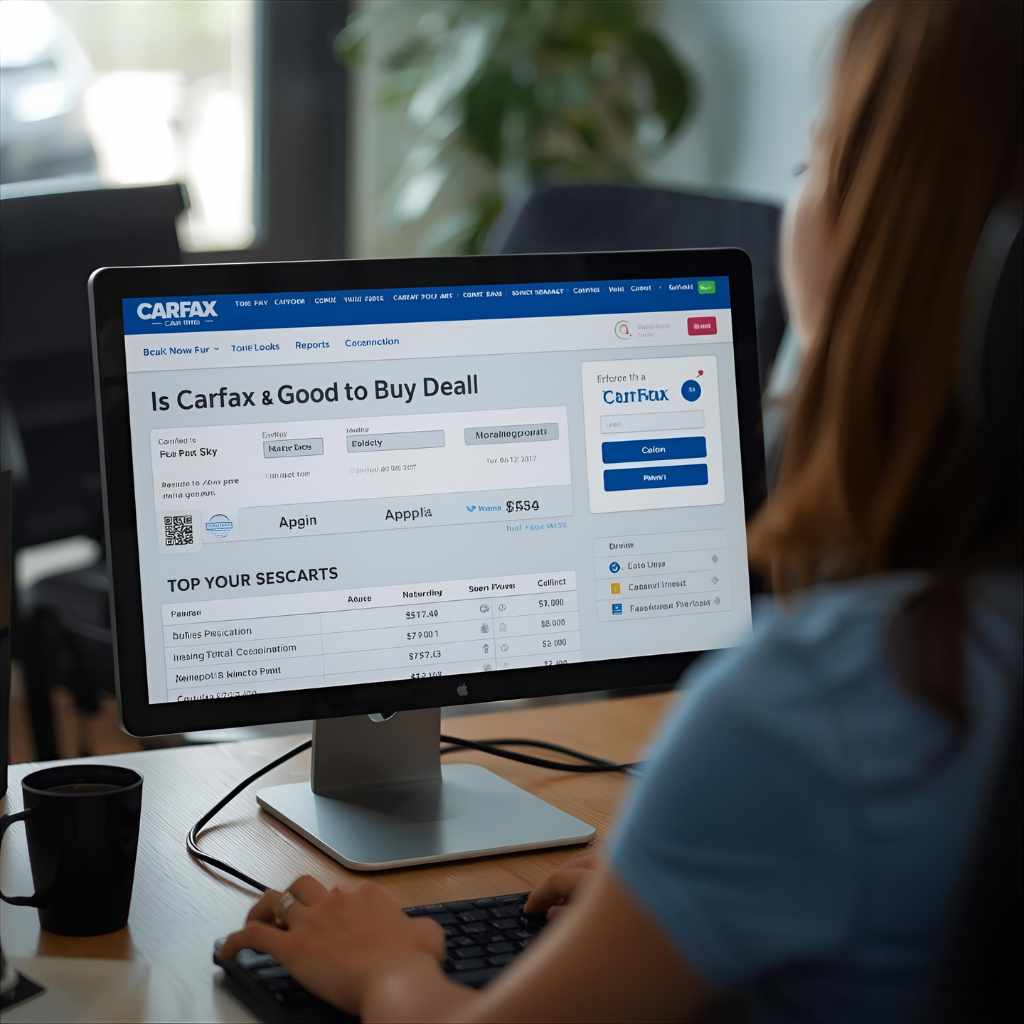
Is Carfax Good To Buy From? Proven Essential Guide
Yes, buying a vehicle with a Carfax report is generally good because it provides a history report, helping you avoid hidden issues like flood damage or title problems. However, a clean report doesn’t guarantee perfection; always have an independent pre-purchase inspection.
Buying a used car can feel like stepping into the dark. You worry about what the previous owner hid. Will the engine fail next week? Is the mileage real? This worry is common, and finding clear information can be frustrating. We all want peace of mind when making a big purchase like a car.
You’ve heard of Carfax—that famous vehicle history report. But is getting one enough? Can you truly trust it when deciding if a car is worth your hard-earned money? Absolutely. This guide will clear up exactly what Carfax is, how to read it like an expert, and when you still need a second opinion to make the smartest choice for your driveway.
Why Vehicle History Reports Matter When Buying Used
When you buy a new car, you have the manufacturer’s warranty and a clean slate. A used car has a past. That past, if undocumented, can hide expensive problems. A vehicle history report (VHR) like Carfax is your X-ray vision for the car’s lifecycle.
These reports pull data from thousands of sources. This data includes mechanics, insurance companies, police departments, and DMVs nationwide. It stitches together a timeline of events that happened to the car while it was on the road.
Think of it this way: A car history report helps you answer crucial questions:
- Has this car ever been declared a total loss by an insurance company?
- Are there any open recalls that need immediate fixing? (You can check official recalls on the NHTSA website.)
- Is the odometer reading accurate, or has someone tampered with it?
- Has the car spent time as a fleet vehicle, like a rental or taxi?

Decoding the Carfax Report: What You Are Actually Buying
When someone asks, “Is Carfax good to buy from?” they are really asking, “Is the information in the Carfax report reliable enough to base my purchase on?” The answer hinges on understanding what the report shows and, just as importantly, what it doesn’t show.
The Good News: Key Elements a Carfax Report Confirms
A good Carfax report offers solid proof regarding the vehicle’s major life events. These elements are crucial for ensuring you don’t buy a lemon.
1. Title History Check
This is where you look for red flags related to the car’s legal standing. A clean title means the car has never been severely damaged in a way that the local Department of Motor Vehicles (DMV) flagged it for salvage or total loss.
- Salvage Title: The car sustained damage (often severe) exceeding a certain percentage of its value. Avoid these.
- Flood Damage: Water intrusion can silently destroy electronics and cause hidden rust. Carfax tracks reports for this.
- Lemon Law Buyback: The manufacturer bought the car back because it had repeated, unfixable issues.
2. Accident History
Carfax tracks reported accidents. Even minor fender-benders are usually reported by the police or insurance claim. A history of accidents isn’t an automatic deal-breaker, but it requires deeper investigation (see section on inspections below).
3. Service and Maintenance Records
This is one of the best parts of a paid report. If the previous owner took the car to dealerships or certified repair shops that report to Carfax, you see oil changes, tire rotations, and major part replacements. Seeing consistent, professional maintenance offers huge reassurance.
4. Odometer Verification
The report verifies mileage reported at different transactions (sales, services). If a service center reported 80,000 miles, and the odometer now shows 60,000 miles, that’s a massive warning sign for rollback fraud.
The Limitation: What Carfax Often Misses
This is the most critical part of knowing if Carfax is “good” for your purchase. A vehicle history report is not a mechanic’s inspection. Its data relies heavily on records being reported.
If an accident was never reported to the police, or if the owner paid for private repairs out of pocket without filing an insurance claim, Carfax simply won’t know about it. Cars can look great on paper but have hidden mechanical flaws.
| Coverage Area | Typically Covered (Yes/No) | Limitation |
|---|---|---|
| Title Status (Salvage, Lemon) | Yes | Only if reported to the DMV. |
| Reported Accidents | Yes | Does not show unreported private repairs. |
| Service History Data | Sometimes | Relies on shops reporting data digitally. |
| Mechanical Condition | No | Cannot detect ticking sounds or worn brakes. |
| Airbag Deployment | Usually Yes | Only if the resulting damage was claimed. |
Step-by-Step: How to Use Carfax to Make a Smart Offer
You have the report in hand. Now what? Follow these simple steps to turn the data into an informed buying decision. This process helps you negotiate confidently.
Step 1: Verify the Basics Match
First, ensure the Vehicle Identification Number (VIN) on the report matches the VIN stamped on the driver’s side dashboard of the car you physically see. They must align perfectly.
- Note the mileage listed on the report.
- Compare it to the odometer reading in person. A difference of more than a few hundred miles is normal; a difference of five digits is a major red flag.
- Check the reported “Ownership Count.” A car that has had four owners in five years might suggest underlying issues that keep chasing people away.
Step 2: Analyze the Accident and Title History
Look for catastrophic terms first. If the report shows “Salvage,” “Rebuilt,” or “Flood Damage,” you should usually walk away unless you are an expert mechanic looking specifically for a project.
If minor accidents appear (e.g., “Rear Damage Reported”), use this information to ask the seller pointed questions. A good seller will be ready to explain what happened and provide receipts for the repair work.
Step 3: Review Maintenance Gaps
Look for consistency. If a 10-year-old car has 100,000 miles and only two oil changes registered, that’s a problem. That car was likely poorly maintained.
Conversely, if you see regular service records that match the recommended schedule from the manufacturer (like a timing belt replacement due at 90,000 miles and a record showing it was done), this significantly boosts the car’s reliability score in your eyes.
Step 4: Cross-Reference with Official Data
While Carfax draws national data, it’s wise to verify major items yourself. For example, many used car buyers check the official recall status. You can often find detailed information about open safety recalls affecting the specific vehicle identification number (VIN) directly through official government channels, ensuring you have the most current federal data alongside the commercial report.
Step 5: Factor the Report into Negotiation
A clean report gives the seller negotiating leverage. A car with a lengthy, well-documented service history can command a slightly higher price.
If the report shows one minor accident or missing maintenance records, use that as a negotiation tool. You can say, “The report shows no record of the transmission fluid flush, which is recommended at 75,000 miles. I am factoring in the risk of that potential cost, so I’d like to adjust the price down by $500.”
The Absolute Essential Next Step: The Pre-Purchase Inspection (PPI)
Here is the fundamental truth of buying used cars: No Carfax report makes a Pre-Purchase Inspection (PPI) unnecessary.
A PPI is when you pay an independent, trusted mechanic—not one affiliated with the seller—to thoroughly put the car on a lift and check every major system. This is your physical verification that the vehicle’s history matches its current reality.
Why You Must Get a PPI After Reviewing Carfax
If Carfax is the “paperwork check,” the PPI is the “physical health check.”
- Detect Invisible Damage: A mechanic can spot poor body panel alignment, signs of frame damage that wasn’t reported, or check for engine compression issues. These things never make it to a history report.
- Evaluate Wear and Tear: They can physically check brake pad thickness, tire tread depth, and look for leaks that indicate future expensive repairs.
- Confirm Functionality: A Carfax report cannot tell you if the air conditioning blows cold or if the sunroof leaks. The PPI confirms all features work as they should.
If a seller refuses to allow you to take the vehicle for a PPI (usually costing between $100 and $200), walk away immediately. A seller hiding nothing will always welcome an inspection.
Common Myths About Carfax and Used Car Buying
Many buyers get confused about the scope of these reports. Let’s clear up some common misunderstandings so you can navigate the used car market effectively.
Myth 1: A Clean Carfax Means the Car is Perfect.
As we discussed, this is false. A clean report means no reported incidents. It does not mean the car has zero problems. It just means the car has a clean paper trail.
Myth 2: If it’s a Dealer-Sold Car, I Don’t Need a PPI.
Dealers often provide a free Carfax report because they know it builds trust. However, even dealership-certified pre-owned (CPO) vehicles require inspection regarding your specific peace of mind. CPO programs are great, but the PPI is your final layer of personal protection.
Myth 3: Carfax Only Works in the US.
Carfax has expanded its database significantly. While its historical data strength is strongest within North America, it does aggregate records from various international sources, especially for vehicles that cross borders or were imported. However, if a car spent its entire early life in a country with poor record-keeping, the report will be sparse, regardless of quality.
Myth 4: Private Sellers Can’t Get Carfax Reports.
Anyone can buy a Carfax report using the VIN. If a private seller doesn’t offer one, ask for the VIN and purchase the report yourself before meeting them. It costs very little compared to the vehicle price and it is an essential step in determining, “Is Carfax good to buy from?”—by seeing what data actually exists for that specific car.
To illustrate the benefit of combining reports and inspections, consider the case of a car totaled in a small jurisdiction where police reports were rarely filed digitally. A Carfax report might look fine, showing only a few minor services. A thorough PPI, however, might find evidence of frame welding or uneven door gaps invisible to a casual eye, revealing a major, unreported accident.
Carfax vs. Competition: Should You Check Other Reports?
While Carfax is the most recognized name, it is not the only source. Many buyers wonder if they should pay for multiple reports. Generally, Carfax and the other major competitor provide very similar data drawn from the same primary sources (DMV, police records).
However, checking a competitor (like AutoCheck, often favored by auction houses) can sometimes reveal a discrepancy or fill a small gap—especially if a repair facility reported only to the competing database.
Recommended Due Diligence Checklist
To be certain, perform this three-part check before finalizing any deal:
- Carfax Report: Check for title issues and major accident history.
- Competitor Report (Optional but Recommended): Run a second report (like AutoCheck) just to ensure no data was missed by the first provider.
- Independent Mechanic (Mandatory): A certified mechanic performs the Pre-Purchase Inspection (PPI).
Paying for two reports might cost you $60–$80 total, which is a small insurance premium against buying a $20,000 vehicle with hidden structural issues. The key takeaway for beginners is this: These reports check history; the PPI checks current health.
When a Carfax Report Shows Red Flags: How to Proceed
If your goal is maximum safety and reliability, certain issues on a Carfax report should cause you to pause or walk away entirely. As your guide, I advise extreme caution in these scenarios:
The Deal Breakers (Proceed with Extreme Caution or Avoid)
- Branded Title: If the title is Salvage, Rebuilt, Flood, Fire, Odometer Rollback, or Lemon Law Buyback. These titles drastically lower the car’s resale value, and often, the underlying damage affects long-term reliability.
- Missing Title History in Key Area: If the car spent five years registered in a state known for poor record-keeping, and the report shows almost no activity, you have to assume the worst for that missing period and rely heavily on the PPI.
- Multiple Owners in a Short Time: Three or more owners in under four years often signals that previous owners found the car too expensive to fix or maintain, or that it was a constantly cycled rental car.
Negotiation Points (Use to Lower the Price)
- Minor, Single Accident: A clear accident that resulted in, say, $2,000 in body damage, promptly paid for and documented. Use this to negotiate a small discount as compensation for the diminished value.
- Missing Service Gaps:** If the Carfax shows the car missed one oil change 30,000 miles ago, but the rest of the history is excellent, you can simply commit to resuming the maintenance schedule immediately.
Remember, negotiation is about risk transfer. The seller wants to transfer the risk of unknown problems to you. The Carfax report helps you quantify that risk, allowing you to pay a fair price for the known issues.

Frequently Asked Questions (FAQ) About Carfax
Q: How much does a Carfax report usually cost?
A: A single Carfax report typically costs between $35 and $45 when purchased directly from Carfax. Many private sellers or dealers will provide this report for free to serious buyers.
Q: Can Carfax show if the seller has properly maintained the airbags?
A: Carfax usually tracks reports of airbag deployment related to an accident. However, it cannot confirm that the airbags were professionally replaced or if the sensors are functioning correctly after deployment. This physical verification requires the PPI.
Q: If a car has a clean Carfax, is it safe to buy from a private seller?
A: A clean Carfax is a fantastic starting point with a private seller, but it is never the final step. You must still conduct a thorough test drive and, critically, pay for an independent Pre-Purchase Inspection (PPI).
Q: Does Carfax show minor cosmetic damage, like a dented bumper?
A: Generally, no. Carfax primarily tracks events reported to insurance companies or police, or services logged by reporting repair shops. Small dents, scratches, or interior wear are usually not reported unless a major claim was filed for that area.
Q: What should I do with a Carfax report that shows an accident from five years ago?
A: If the accident was minor and repaired well (which you confirm via PPI), you can treat it as a normal used car. Be aware that the car’s resale value might be slightly lower because of the accident history listed on the report.