Is It Better to Pay Cash for a Car? Pros, Cons & Negotiating
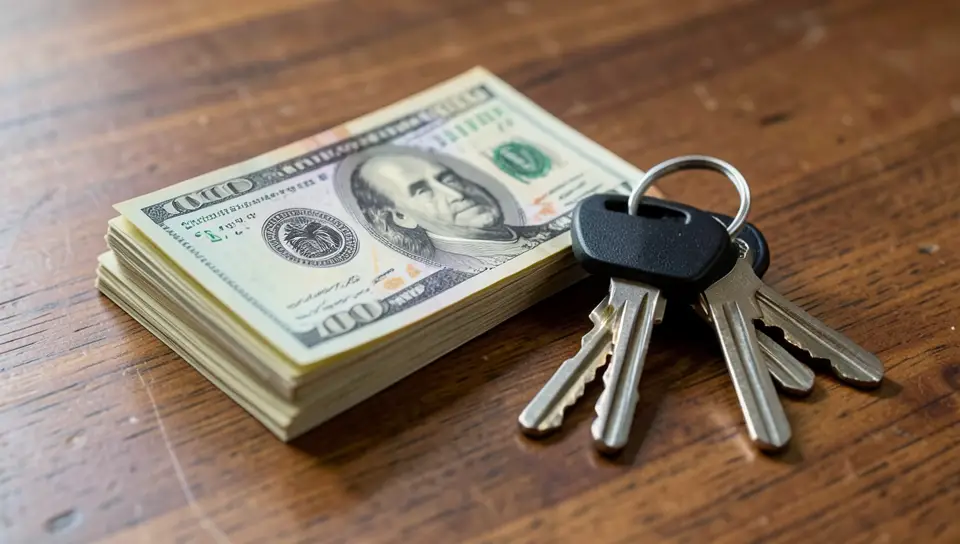
Paying cash for a car saves you from interest charges and monthly payments, but it’s only the better choice if it doesn’t drain your emergency savings or cost you a stronger negotiating position. Cash buyers skip interest entirely and own the car outright from day one, but they also give up the chance to build credit through the loan and can lose leverage at the dealership if they mention it too early. Here’s how to weigh both sides for your actual situation.
The Real Benefits of Paying Cash
Paying cash eliminates interest charges entirely – on a typical auto loan, interest can add hundreds or thousands of dollars to the total cost depending on the rate and term, so skipping it is a genuine, immediate savings. You also own the car outright from the moment you drive off the lot, with no monthly payment eating into your budget and no risk of owing more than the car is worth if its value drops faster than a loan balance.
The Real Drawbacks
The biggest risk with paying cash is depleting your savings for a depreciating asset. A car loses value the moment you drive it off the lot, unlike money kept in savings or invested, so tying up a large lump sum in a car means giving up the flexibility that cash provides for emergencies or better investment opportunities. Financing, by contrast, preserves your cash position and can help build a positive payment history on your credit report, provided you make payments on time.

Are You Actually Financially Ready to Pay Cash?
Before paying cash, make sure the purchase doesn’t touch your emergency fund – most financial advisors recommend keeping 3-6 months of expenses set aside for genuine emergencies like medical bills or job loss, separate from car-purchase savings. If buying the car in cash would leave you without that cushion, financing part or all of the purchase is usually the more financially stable choice, even if it costs some interest.
Building Up Cash for a Car Purchase
If you’re saving toward a cash purchase, setting aside a fixed amount every month toward a specific target makes the goal concrete and trackable, and keeping that money in a separate account makes it harder to accidentally spend on something else. Knowing your current car’s actual value also matters if you’re planning to sell or trade it in as part of the funding.
Does Paying Cash Actually Get You a Better Price?
Not necessarily – and this is where a lot of cash-buying advice gets it backwards. Dealers often make more profit from arranging financing (through interest rate markups and lender kickbacks) than from the sale price itself, which means telling a salesperson upfront that you’re paying cash can actually remove their incentive to compete hard on price. The better approach is to negotiate the vehicle’s price as if you might finance, get that number locked in, and only reveal you’re paying cash once the price is settled – that way you keep full negotiating leverage without losing anything.

Alternatives Worth Comparing
Bank loans offer predictable fixed rates and straightforward budgeting, though approval can take a few days and usually requires decent credit. Credit unions frequently offer lower rates than banks since they’re member-owned, though you’ll typically need to join as a member first – worth checking both before deciding financing is off the table entirely.
Frequently Asked Questions
What Are the Disadvantages of Paying Cash for a Car?
Paying cash ties up a large sum in a depreciating asset, can drain your savings or emergency fund, and doesn’t help build a credit payment history the way an on-time loan does. It can also cost you negotiating leverage if you reveal it too early in the buying process.
Do Dealerships Charge More If You Pay Cash?
Not directly, but dealers generally profit more from arranging financing than from a cash sale, so a salesperson may be less motivated to negotiate hard on price once they know financing isn’t on the table. Negotiate the price before disclosing your payment method.
Is It Better to Finance or Pay Cash for a Car?
It depends on your situation. Cash avoids interest and debt entirely; financing preserves your savings and cash flow while helping build credit. If paying cash would leave you without an emergency fund, financing is usually the more stable choice even with the added interest cost.
Is It Better to Tell the Dealer You Are Paying Cash?
Not upfront. Telling the dealer you’re paying cash before negotiating the price can reduce your leverage, since dealers often profit more from financing deals and lose that incentive to offer a competitive price once cash is on the table. Negotiate the price first, then mention your payment method.
Conclusion
Paying cash for a car genuinely saves you interest and gives you immediate full ownership, but only if it doesn’t drain your emergency fund and only if you negotiate the price before mentioning it. If either of those conditions doesn’t hold for your situation, financing part or all of the purchase is often the smarter move, even though it costs something in interest.
Products related to this article
Sponsored / affiliate links. As an Amazon Associate I earn from qualifying purchases. I may earn additional commission from eligible campaigns.
 Scosche Wireless Car Charger, Auto Clamping Car Vent Phone Mount, Cell Phone Holder Charger with Twist-to-Secure Hook, 360° Rotation, Compatible with iPhone, Samsung, Qi-Enabled Android Phones
 DEWALT Buffer Polisher, 7-in-9-in, 12 amp, Variable Speed Dial 0-3,500 RPM’s, Soft Start Corded Car Buffer (DWP849X)