How To Determine The Actual Cash Value Of Your Car
The actual cash value (ACV) of your car is what it was worth just before it was damaged or stolen. It’s the market value, not necessarily what you paid for it or what it would cost to buy a brand-new replacement. Factors like age, mileage, condition, and demand play a big role in determining ACV. Overall market conditions matter too – see our current used car market pricing and trend guide for context.
What is Actual Cash Value (ACV)?
Think of actual cash value, or ACV, as the price your car would fetch on the open market today. It’s what it’s worth in its current state. This is a key term, especially with insurance companies.
They often use ACV to figure out payouts after a total loss. It’s different from the “retail value” you might see in a dealer’s window. It’s also not the “trade-in value,” which is usually lower.
The ACV takes into account the wear and tear your car has gone through. This means its age and how much you’ve driven it are super important. The condition it’s in, like any dents or scratches, also matters — see our related guide, How Much Depreciation Per Year for a Car?.
Even the color can sometimes play a small part. Basically, it’s the sum of all these things that make up your car’s real worth right now.
Understanding ACV helps you know what to expect. If your car is totaled in an accident, your insurance company will offer you its ACV. If you’re selling your car privately, knowing its ACV gives you a strong baseline for your asking price.
It sets realistic expectations for everyone involved. It’s the number that reflects its current reality.

Why Does ACV Matter So Much?
The reason ACV is so important is its direct link to financial outcomes. For car insurance, if your vehicle is declared a total loss, the insurance company will pay you the ACV. This amount is what they believe your car was worth right before the incident.
It is often a point of negotiation because people might feel their car is worth more.
If you are selling your car privately, the ACV acts as a fair market price. It helps you set a reasonable asking price. It also helps you avoid overpricing and waiting forever to sell, or underpricing and losing money.
Knowing the ACV gives you power in those discussions. You have data to back up your price.
Even for taxes or in legal disputes, ACV can be a crucial figure. It represents the car’s real economic worth at a specific point in time. It’s a number that grounds the situation in financial reality.
So, whether you’re dealing with an insurer, a buyer, or just want to know your asset’s value, ACV is the figure to focus on.
My Own ACV Story: The Great Sedan Mishap
I remember one time, about five years ago, I was driving home late. It was raining really hard. Visibility was terrible.
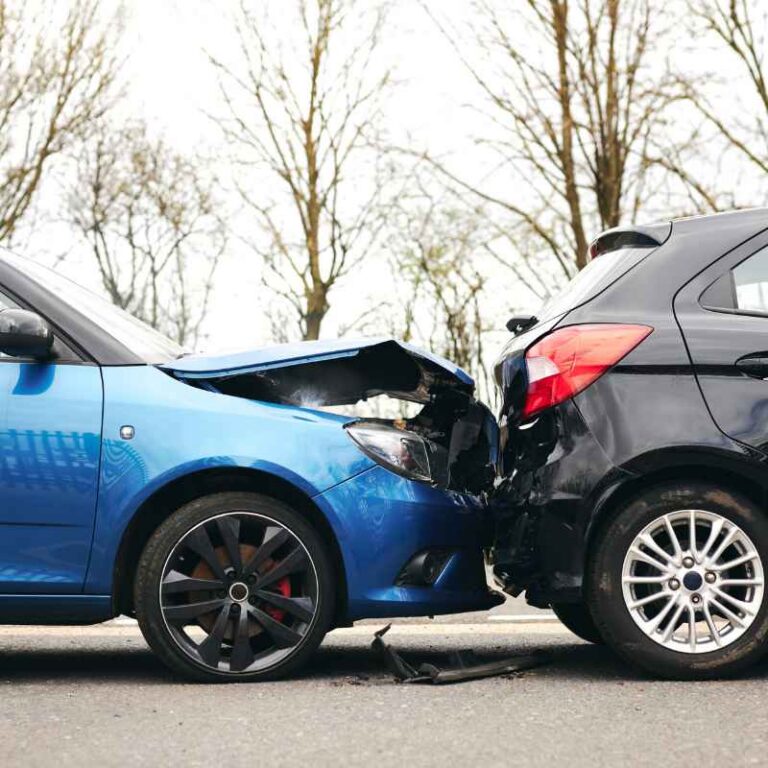
I rounded a corner a little too fast and skidded. My beloved old sedan ended up with a rather significant dent in the passenger door and a bent rim. Thankfully, I was okay, but the car looked pretty sad.
The insurance adjuster came out the next day. He looked at the damage and then at the car. He said, “Looks like a total loss, unfortunately.” My heart sank.
I loved that car. He explained they would pay me the actual cash value of your car. I immediately thought, “But I just put new tires on it!” I felt a surge of panic, imagining they’d offer me next to nothing.
That feeling of dread was intense.
He showed me a printout from a valuation service. It listed my car’s make, model, year, mileage, and then a dollar amount. It was less than I had hoped, but after he walked me through the condition notes, deductibles, and market adjustments, I understood.
It wasn’t an insult; it was just the number. That day taught me a lot about ACV and how it’s calculated, even when it hurts a little.
Key Factors That Determine a Car’s ACV
Several things go into figuring out what your car is worth. They all add up to that final ACV number. It’s like putting together a puzzle, with each piece adding detail and color to the overall picture.
The more you understand these factors, the better you can assess your car’s value.
Age is a big one. Cars lose value as they get older. Think about it: a car from 2023 is worth more than the same car from 2010.
This is because newer cars often have better technology, safety features, and are less likely to have wear and tear issues. Depreciation is a natural process for vehicles.
Mileage is another major player. The more miles a car has on it, the more its parts have been used. This often means more potential for future repairs.
A car with 30,000 miles is generally worth more than an identical car with 150,000 miles. It shows less wear and tear on the engine, transmission, and other vital components.
Condition is huge. This includes both the mechanical condition and the cosmetic appearance. A car that runs smoothly, has no strange noises, and has a clean interior will be worth more.
Likewise, a car with no rust, dents, scratches, or faded paint will fetch a higher price. Regular maintenance and care really show here.
Features and Options also make a difference. Higher trim levels, premium sound systems, sunroofs, navigation, heated seats, or advanced safety features can all increase a car’s value. If your car has desirable extras, its ACV will likely be higher than a base model.
These are the things that make a car stand out.
Location can even play a part. In areas where a certain type of vehicle is in high demand, its ACV might be higher. For example, a 4×4 truck might be worth more in a snowy, mountainous region than in a flat, urban area.
Local market demand and supply are always at play.
Accident History is critical. If a car has been in major accidents, especially those that required significant structural repairs, its value will be lower. Even minor accidents can affect the ACV.
Buyers and insurers look closely at this history to gauge the car’s overall integrity and reliability.
How to Find Your Car’s Actual Cash Value
There are several ways to get a good idea of your car’s ACV. You don’t need to be a car expert to do this. Using a few different resources can give you a well-rounded estimate.
It’s all about gathering information from reliable sources.
Online Valuation Tools are a great starting point. Websites like Kelley Blue Book (KBB), Edmunds, and NADA Guides are very popular. You enter your car’s year, make, model, mileage, options, and ZIP code.
They then provide an estimated value. These tools consider market data and industry standards. They often give a range for private party sale and trade-in value.
Insurance Company Estimates are what you’ll likely get if your car is totaled. They use their own databases and adjusters to determine ACV. While this is their official number, it’s wise to do your own research beforehand.
You can compare their offer to other sources to ensure fairness. Sometimes, their initial offer is just a starting point.
Local Market Research is also very useful. Look at listings for similar cars in your area. Check local dealerships and online classifieds like Craigslist, Facebook Marketplace, or dedicated auto sales sites.
See what people are asking for cars that match yours in year, make, model, mileage, and condition. This gives you a real-world view of the current market.
Professional Appraisers can provide a very detailed and official valuation. If you need a precise ACV for legal reasons, estate settlements, or disputes, a certified appraiser is the way to go. They conduct a thorough inspection and provide a formal report.
This is usually more detailed than online tools but also costs money.
Quick ACV Check: Using Online Tools
Step 1: Gather Your Car’s Info
Have your car’s year, make, model, trim level, VIN (Vehicle Identification Number), mileage, and features ready. Note any damage or significant recent repairs.
Step 2: Visit Valuation Websites
Go to sites like KBB.com, Edmunds.com, or NADaguides.com. You’ll find sections for “What’s My Car Worth?” or similar.
Step 3: Enter Details Accurately
Be honest about your car’s condition and mileage. Small inaccuracies can lead to big differences in value.
Step 4: Review the Results
Look at the different values provided (e.g., trade-in, private party sale, retail). Understand what each means. Note the average ACV range.
Step 5: Compare and Contrast
Use at least two different tools. This helps you see if the values are consistent or if there are significant variations. Averages can be more reliable.
Understanding ACV vs. Other Car Values
It’s easy to get confused between ACV and other terms people use for car value. They sound similar but mean different things. Knowing the difference helps you understand offers and price your car correctly.
Retail Value is what a dealer would sell a car for. This price includes dealer overhead, profit margins, reconditioning costs, and a warranty. It is typically the highest value you’ll see.
Your car’s ACV will almost always be lower than its retail value because it doesn’t include these dealer-specific additions.
Trade-In Value is what a dealer offers you when you trade your old car in for a new one. Dealerships will often still take a car with cosmetic or mechanical damage, though a damaged car’s trade-in value is calculated differently. Dealers offer this lower price because they plan to resell the car and need to make a profit after fixing it up. It is usually lower than ACV and significantly lower than retail value.
The ACV is what the car is worth on the open market, while trade-in is a wholesale price for a dealer.
Private Party Value is what an individual would typically pay another individual for a car. This is often the closest to the actual cash value of your car. It assumes the buyer is doing their own inspection and handling paperwork.
There’s no dealer profit included, but it also means the buyer takes on more risk. Online tools often provide a private party value estimate.
Stated Value is different. This is a value you and your insurance company agree upon when you buy a policy, often for classic or collector cars. The insurance company agrees to pay up to this amount in case of a total loss.
It’s not necessarily the car’s market ACV but a pre-determined figure. This is for special situations, not standard vehicles.
The Role of Condition in ACV
When we talk about car condition, it’s not just about a few scratches. It’s a deep dive into how well the car has been kept and how much life it has left in it. This is where your own experience with the car really comes into play when determining its actual cash value.
Mechanical Condition is paramount. Does the engine start without hesitation? Does it run smoothly?
Are there any strange noises from the transmission or brakes? Are the fluids clean? A car that has been regularly serviced, with oil changes done on time and major services (like timing belt
Exterior Condition includes the paint, body panels, and tires. Is the paint faded, chipped, or peeling? Are there deep scratches, dents, or rust spots?
Rust, especially on the frame or body panels, is a major red flag and can make a car unsafe and irreparable. New tires add value, especially if they are a good brand and have plenty of tread left. Worn-out tires mean an immediate expense for the next owner.
A car that looks well-maintained on the outside suggests the owner cared for it.
Interior Condition matters too. A clean, odor-free interior with no rips, stains, or cracks in the dashboard is desirable. Are the seats in good shape?
Does the air conditioning and heating work correctly? Do all the power accessories (windows, locks, mirrors) function as they should? A well-kept interior shows pride of ownership and indicates that the car has been treated with care.
A smoke smell or heavily stained carpets can significantly decrease value.
Maintenance Records are incredibly powerful. Having a folder full of receipts for oil changes, tire rotations, brake jobs, and any other repairs provides proof of good maintenance. This documentation builds trust and confirms that the car hasn’t been neglected.
It’s a tangible way to show the car’s condition and justifies a higher ACV. If you’ve kept up with it, make sure to show it off!
Condition Checklist for ACV
Mechanical
- Engine performance (smoothness, power)
- Transmission (shifting, noises)
- Brakes (feel, stopping power)
- Suspension (ride quality, noises)
- Fluid levels and condition
- Exhaust system (leaks, rust)
- Battery health
Exterior
- Paint quality (shine, chips, fading)
- Body panels (dents, misalignment)
- Rust (panels, frame, undercarriage)
- Glass (chips, cracks)
- Tires (tread depth, brand, wear pattern)
- Lights (headlights, taillights, signals)
Interior
- Upholstery (rips, stains, wear)
- Dashboard (cracks, condition)
- Electronics (radio, GPS, AC/heat, power features)
- Odor (smoke, mold, pets)
- Headliner (sagging, stains)
Documentation
- Maintenance records
- Repair receipts
- Original window sticker (if available)
How Insurers Determine ACV
When your car is involved in an accident and deemed a total loss, your insurance company will go through a process to determine its ACV. This process is designed to be objective, but it’s always good to understand it so you can advocate for yourself if you think the offer is too low.
Insurance companies typically use specialized appraisal software or databases. These systems pull data from various sources. They look at national and local sales data for comparable vehicles.
They also consider factors like mileage, options, and condition. The goal is to find vehicles that are as similar as possible to yours.
They will adjust the value based on your car’s specific details. This includes its age, mileage, and features. They also factor in the vehicle’s condition right before the loss.
This can include deducting for pre-existing damage that was not related to the accident. They will also add value for desirable options or upgrades.
Adjusters play a key role. An adjuster will inspect the damaged vehicle. They assess its overall condition, identify any pre-existing damage, and document its features.
They use this information to refine the valuation provided by the software. Their expertise helps ensure the ACV reflects the car’s real-world market value.
Comparable Vehicles (Comps) are crucial. The insurer will look for at least two or three other vehicles that are very similar to yours. These “comps” are typically sold within a certain radius of your location and around the same time frame.
They will note the prices these similar vehicles sold for. These sales figures heavily influence the final ACV determination.
Depreciation is a significant factor. The valuation software and adjusters heavily account for how much a car depreciates over time. This is why older cars with higher mileage generally have a lower ACV.
The insurer is trying to reflect what the car would have sold for as a used vehicle, not what you paid for it new.
Insurance ACV Process Flow
1. Claim Filed: You report the accident or theft.
2. Vehicle Inspection: An adjuster assesses the damage and overall condition.
3. Valuation Report Generated: Software pulls data on similar vehicles and applies adjustments for your car’s specifics.
4. Comparable Vehicles Identified: Insurer finds recent sales of similar cars in your area.
5. ACV Determined: Based on comps, adjuster notes, and software data, a final ACV is calculated.
6. Offer Made: The insurance company presents you with their ACV offer.
7. Negotiation (Optional): You can dispute the offer if you have evidence it’s too low.
When is Your Car’s ACV Low?
Sometimes, the actual cash value of your car might be lower than you expect or hope for. This can be due to several common factors. Recognizing these can help you prepare yourself and understand the insurer’s perspective, or understand why a private buyer offers less.
High Mileage is a major reason for a lower ACV. Cars that have traveled hundreds of thousands of miles have experienced significant wear and tear. This means components like the engine, transmission, and suspension are closer to the end of their lifespan.
Potential buyers or insurers will factor in the likelihood of upcoming, costly repairs.
Poor Condition also drastically reduces ACV. This includes significant cosmetic issues like extensive rust, large dents, peeling paint, or a heavily stained and damaged interior. Mechanically, a car with known engine problems, transmission slips, or failing brakes will be valued much lower.
These issues suggest the car has not been well-maintained.
Older Models naturally depreciate over time. A car that is 10-15 years old will almost always have a lower ACV than a newer model, even with similar mileage. Technology, safety features, and design evolve rapidly in the automotive industry.
Older cars might lack modern comforts or safety standards, making them less desirable.
Salvage or Rebuilt Titles are a huge red flag. If a car has been declared a total loss by a previous insurer and then rebuilt, its title is often branded as “salvage” or “rebuilt.” These cars are worth significantly less than cars with clean titles, regardless of their current appearance. Insurers and buyers view them with caution due to potential hidden structural issues.
Lack of Desirable Features can also impact ACV. If your car is a base model with few options, it might be less appealing than a similarly aged car with a sunroof, leather seats, navigation, or advanced driver-assistance systems. These extras add to the marketability and therefore the value.
Geographic Location and Market Demand play a role. In areas where a specific type of vehicle is not popular or is oversupplied, its ACV will be lower. For example, a two-door sports car might not command a high price in a family-oriented suburban area compared to a city known for its car culture.
The ACV reflects what the car will actually sell for in its local market.
Signs Your Car’s ACV Might Be Low
High Mileage Indicators:
- Odometer reading well over 100,000 miles (varies by vehicle type)
- Evidence of heavy use (e.g., commercial use)
Poor Condition Indicators:
- Significant rust or corrosion
- Large dents, dings, or warped body panels
- Faded, peeling, or severely scratched paint
- Torn, stained, or heavily worn interior upholstery
- Unpleasant odors (smoke, pets, mold)
- Known mechanical problems (engine, transmission, etc.)
Older Model Indicators:
- Vehicle is 10+ years old and lacks modern features
- Outdated design or technology compared to current standards
Title Issues:
- Salvage, rebuilt, flood, or lemon titles
Market Factors:
- Lack of popular features or options
- Low demand for your specific make/model in your area
What to Do If You Disagree With the ACV Offer
It’s not uncommon to feel that an insurance company’s ACV offer for your totaled car is too low. This is where your research and understanding of ACV come into play. You have the right to dispute the offer and negotiate.
Gather Your Own Evidence is the first step. Use the online valuation tools (KBB, Edmunds, NADA) and local market research we’ve discussed. Print out results for similar vehicles being sold in your area.
Focus on cars with the same year, make, model, trim, mileage, and condition as yours. The more comparable your evidence, the stronger your case.
Document Everything. If your car had recent, significant repairs or upgrades (like a new engine, transmission, or tires), gather those receipts. These demonstrate that your car was in better condition than the insurer might have initially assessed.
Special features or rare options not captured by standard valuation tools should also be noted and evidenced.
Contact the Adjuster and explain your concerns calmly and clearly. Present your evidence. Point out any discrepancies between their valuation and your research.
Ask them to explain how they arrived at their figure and how they accounted for specific features or recent work on your vehicle. They may have missed something.
Request a Second Opinion or an appraisal from the insurance company if their initial offer doesn’t change. They might have a different adjuster review the case. If the dispute continues, you can consider hiring an independent appraiser.
Their professional report can carry significant weight in negotiations or even legal proceedings.
Understand Your Policy. Read your auto insurance policy carefully. It will outline the process for claims and valuations.
Some policies may offer options like replacement cost coverage, which differs from ACV, but this is less common for standard vehicles and usually requires a specific endorsement.
Know When to Escalate. If negotiations stall and you feel the offer is unfair, you can file a formal complaint with your state’s Department of Insurance. They can investigate your claim and mediate the dispute.
For significant amounts, consulting with an attorney specializing in insurance claims might be necessary.
Negotiation Checklist for ACV Offers
1. Research: Use KBB, Edmunds, NADA. Find local listings for similar cars.
2. Document: Collect receipts for recent repairs, upgrades, new parts.
3. Identify Discrepancies: Note where the insurer’s offer differs from your research.
4. Communicate Clearly: Present your evidence to the adjuster politely.
5. Ask Questions: Understand their valuation process and assumptions.
6. Be Prepared to Compromise: Aim for a fair settlement, not just the highest number.
7. Consider Your Next Steps: Independent appraisal, state DOI, or legal advice if needed.
Preventative Measures: Protecting Your Car’s Value
While depreciation is inevitable, there are many things you can do to maintain your car’s value and ensure its actual cash value is as high as possible for as long as possible. These are habits that pay off.
Regular Maintenance is Key. Follow the manufacturer’s recommended maintenance schedule. This includes oil changes, tire rotations, filter replacements, and fluid checks.
Keep all service records. A well-maintained car is more reliable and less likely to develop costly problems, keeping its ACV higher.
Keep it Clean, Inside and Out. Wash and wax your car regularly to protect the paint from the elements. Clean the interior to prevent stains and odors.
Address minor scratches or chips promptly before they can worsen or lead to rust. A clean car simply looks more valuable.
Address Damage Promptly. Small dents, scratches, or rust spots can spread and become much bigger, more expensive problems. Fix minor damage as soon as you notice it.
This prevents further deterioration and preserves the car’s appearance, directly impacting its ACV.
Drive Smoothly. Avoid aggressive acceleration, hard braking, and taking corners too sharply. Smooth driving habits reduce wear and tear on the engine, transmission, brakes, and tires.
This helps the car last longer and maintain better mechanical condition.
Use Quality Parts and Fluids. When you need repairs or maintenance, use good quality parts and fluids recommended by the manufacturer. This ensures optimal performance and longevity of your car’s components, contributing to a higher ACV.
Consider Protective Accessories. Floor mats, seat covers, and paint protection films can help shield your car from wear and tear. These accessories can significantly reduce interior and exterior damage, helping to maintain a higher ACV.
Frequently Asked Questions About Car ACV
What is the main difference between ACV and retail value?
ACV (Actual Cash Value) is what your car is worth on the market right before it was damaged or stolen. Retail value is what a dealer would sell a similar car for, which includes their profit, reconditioning costs, and overhead. ACV is always lower than retail value.
Does flood damage affect a car’s ACV?
Yes, significantly. Cars with flood damage often receive a “salvage” or “flood” title, which drastically reduces their market value. Insurers will heavily discount a car’s ACV if it has flood damage, and many buyers will avoid them altogether due to potential long-term electrical and mechanical issues.
How much does mileage typically affect ACV?
Mileage is one of the biggest factors. For every 1,000 miles driven, a car loses value. The exact amount varies by car model and age, but generally, higher mileage means significantly lower ACV. For example, a car with 150,000 miles will be worth much less than an identical one with 50,000 miles.
Can I sell my car privately for its ACV?
Yes, you absolutely can! The private party value, which is often close to the ACV, is typically what individuals aim for when selling their car directly to another person. Online tools like KBB often provide this estimate, and it’s a good benchmark for your asking price in a private sale.
What if my car is a classic or collector’s item?
Classic and collector cars are different. Their value is often based on rarity, condition, historical significance, and demand within the collector community, rather than standard depreciation. For these vehicles, a “stated value” policy is often recommended, where you and the insurer agree on a specific value beforehand.
How often should I check my car’s ACV?
You don’t need to check it constantly. It’s most important to know your car’s ACV when you’re planning to sell it, if it’s nearing the end of its life, or if you’re involved in an insurance claim. For everyday purposes, knowing it once a year or so is generally sufficient.
Understanding Your Car’s True Worth
Knowing the actual cash value of your car is more than just a number. It’s about understanding the reality of your vehicle’s worth in today’s market. Whether dealing with an insurance claim or preparing for a sale, this knowledge empowers you.
It helps you navigate these situations with confidence and fairness. Remember, ACV reflects wear, age, and market demand.
By using valuation tools, researching local markets, and considering all the factors we’ve discussed, you can arrive at a realistic ACV. Keep your car in the best possible condition. This practice not only helps maintain its value but also ensures your driving experience remains safe and enjoyable.
Your car is a significant asset, and understanding its worth is a smart part of managing it.
Products related to this article
Sponsored / affiliate links. As an Amazon Associate I earn from qualifying purchases. I may earn additional commission from eligible campaigns.