Is It Ok to Put Unleaded 88 in My Car: Expert Advice Revealed
Choosing the right fuel can feel confusing, especially with so many options at the pump. What if using Unleaded 88 could save you money without harming your engine? Or could it actually cause problems down the road? Keep reading to find out exactly what Unleaded 88 is, whether it’s the right choice for your vehicle, and how it might affect your car’s performance and fuel efficiency.
This simple guide will help you make the best decision every time you fill up.
What Is Unleaded 88
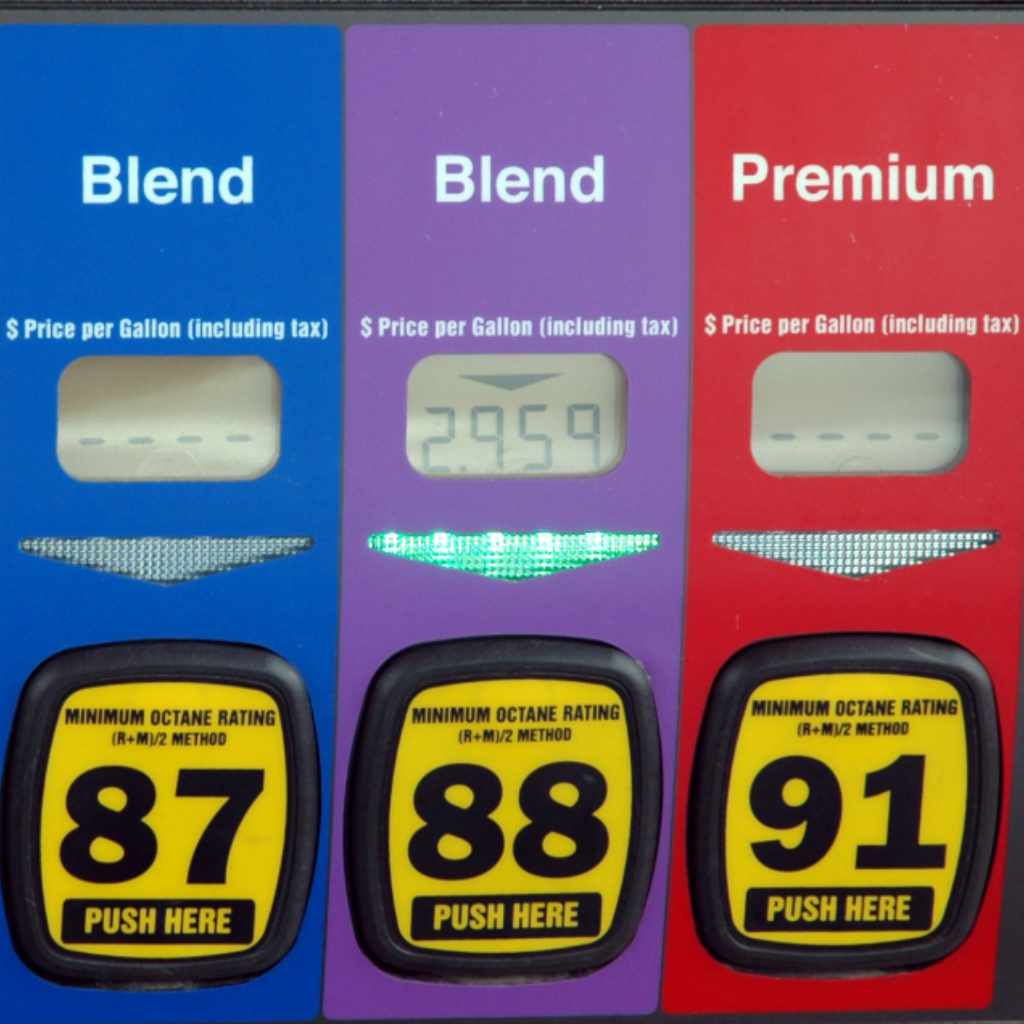
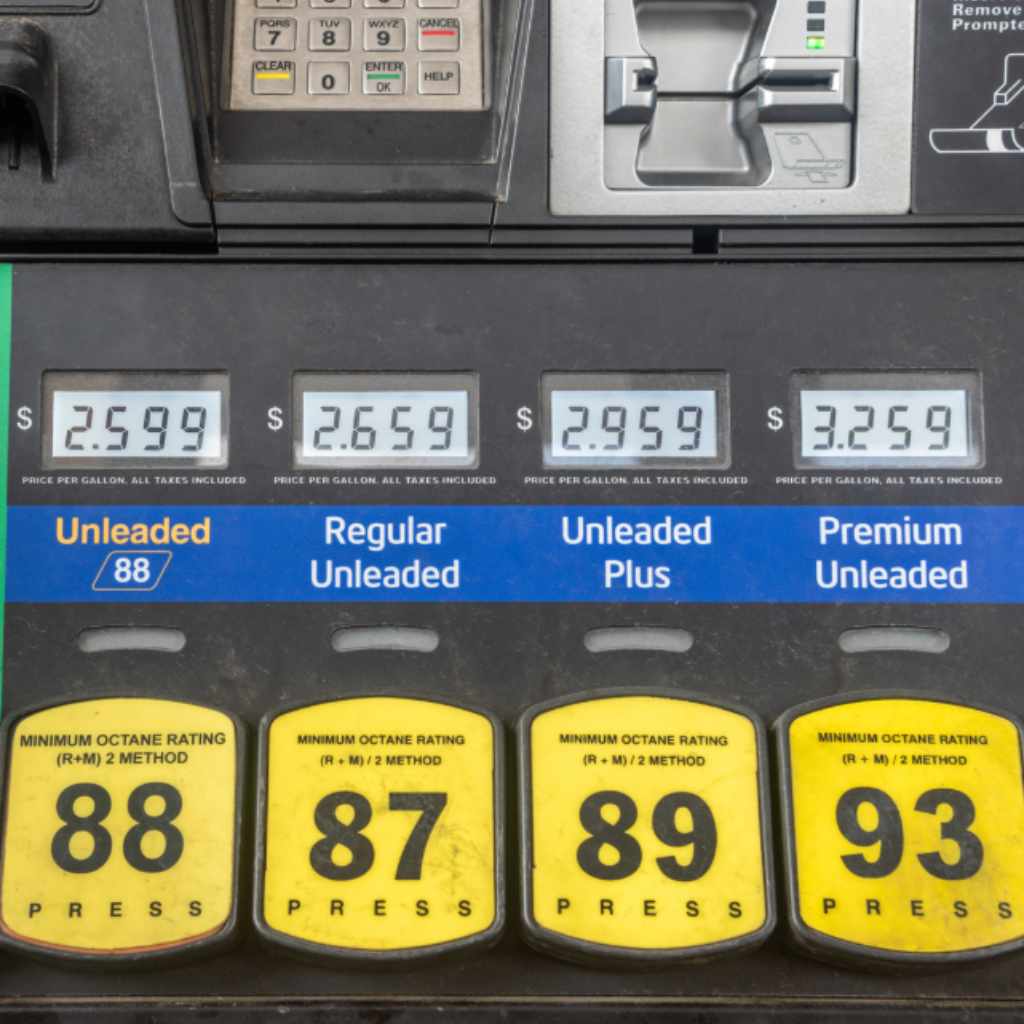
Unleaded 88 is a type of gasoline that many drivers see at the pump. It is designed to offer a balance between fuel efficiency and engine protection. This fuel is becoming more common in gas stations across the country. Understanding what Unleaded 88 is can help you decide if it suits your car’s needs.
Composition And Octane Rating
Unleaded 88 contains a mixture of regular gasoline and ethanol. The ethanol content is usually around 15%. This blend helps reduce harmful emissions. The octane rating of Unleaded 88 is 88, which is slightly higher than regular gasoline. Octane rating measures how well fuel resists knocking in engines. A higher rating means better performance in some vehicles.
How It Differs From Regular Gasoline
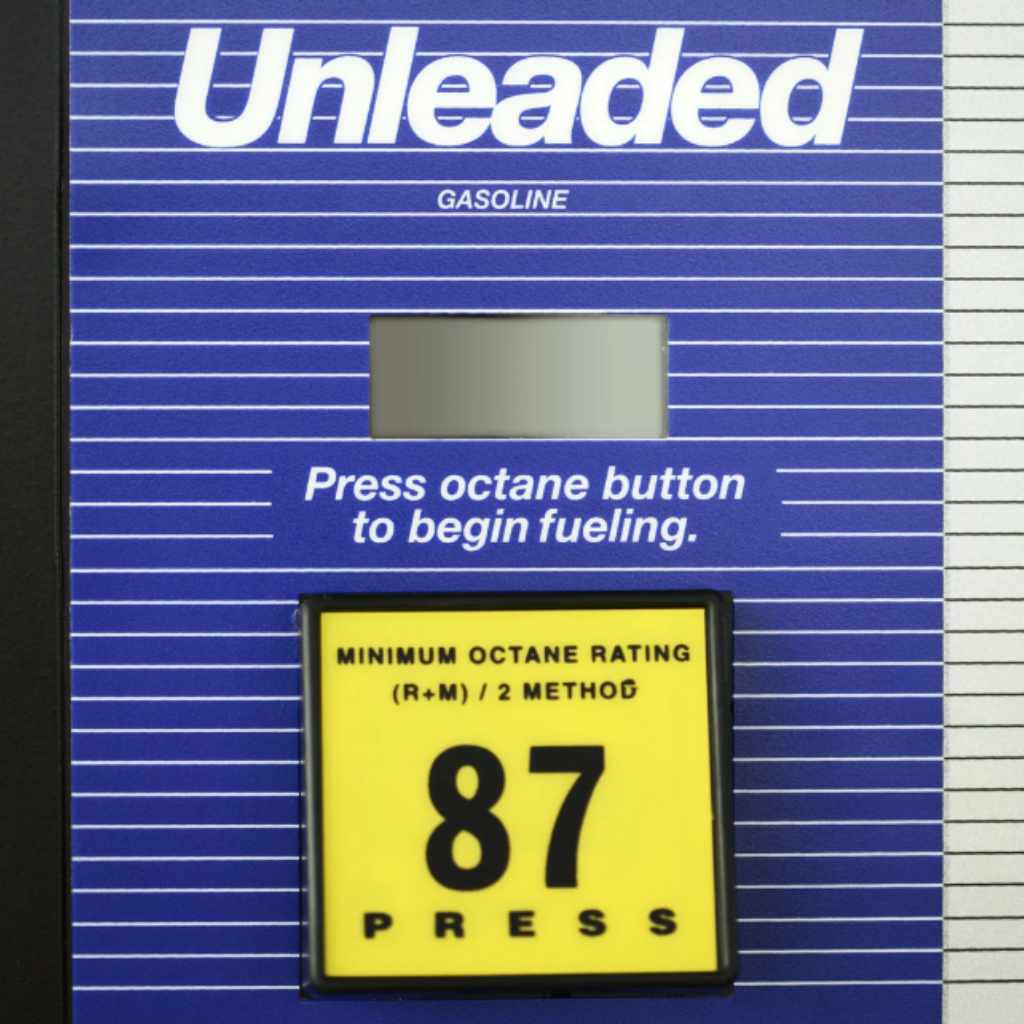
Regular gasoline typically has an octane rating of 87. Unleaded 88 has a higher octane level, which can protect engines from knocking. The ethanol in Unleaded 88 is also higher than in most regular fuels. This makes it more eco-friendly but may affect fuel economy slightly. Not all cars are designed to run on Unleaded 88, so check your owner’s manual first.
Vehicle Compatibility
Understanding vehicle compatibility with Unleaded 88 is important. This fuel type blends regular gasoline with ethanol. It offers a different octane level than regular fuel. Using the correct fuel helps your car run smoothly. It also protects the engine from damage. Checking if your car can use Unleaded 88 safely saves money and hassle.
Recommended Fuel Types By Manufacturers
Car makers list fuel types in the owner’s manual. Most recommend unleaded gasoline with octane 87 or higher. Some suggest premium fuel with higher octane for best performance. Few manufacturers mention Unleaded 88 specifically. Ethanol blends like Unleaded 88 are usually safe for modern engines. Older cars may not handle high ethanol content well.
Cars That Can Use Unleaded 88 Safely
Many newer vehicles can use Unleaded 88 without problems. Flexible fuel vehicles (FFVs) are built for ethanol blends. These cars adjust engine settings to match the fuel. Non-FFV cars may still use Unleaded 88 if the manual allows it. Always check the manual or ask a dealer first. Using Unleaded 88 in the right car helps reduce emissions. It can also lower fuel costs slightly.
Performance And Efficiency
Choosing the right fuel affects how your car runs. Unleaded 88 is a common option at many gas stations. Understanding its impact on performance and efficiency helps you decide if it suits your vehicle.
Impact On Engine Performance
Unleaded 88 has a lower octane rating than premium fuel. Some engines may run smoothly on it. Others might experience knocking or pinging sounds. This happens when fuel burns unevenly inside the engine.
Cars designed for higher octane fuels may lose power. The engine control system may reduce timing to prevent damage. This can lead to slower acceleration and less responsiveness.
For cars made to use regular fuel, Unleaded 88 usually works fine. It cleans the engine and reduces harmful emissions. Your car’s manual is the best guide for fuel choice.
Fuel Economy Considerations
Fuel economy may change when using Unleaded 88. Some drivers notice a slight drop in miles per gallon. This happens because the engine may not run as efficiently.
Other drivers see no difference at all. It depends on the car model and driving habits. Using the recommended fuel helps keep fuel economy steady.
Choosing cheaper fuel might save money upfront. But lower efficiency can mean more stops at the pump. Balance cost with how your car performs and uses fuel.
Cost Benefits And Drawbacks
Choosing the right fuel affects your wallet and car’s performance. Unleaded 88 offers some cost benefits but also has drawbacks. Understanding these can help you decide if it suits your needs.
Price Comparison With Other Fuels
Unleaded 88 usually costs less than premium fuels. It is often cheaper than regular gasoline with higher octane. This lower price can save money at the pump each time.
Prices vary by location and gas station. Sometimes, the price difference is small. Still, using Unleaded 88 can add up to savings over many fill-ups.
Long-term Savings Or Expenses
Using Unleaded 88 may extend engine life if your car supports it. Cars designed for mid-grade fuel can run well on Unleaded 88. This means fewer repairs and maintenance costs.
Cars needing higher octane might lose power or fuel efficiency. This could increase fuel expenses over time. Engine knocking or damage might also cause costly repairs.
Check your car’s manual before switching. The right fuel helps avoid extra expenses and keeps your car running smoothly.
Environmental Impact
Choosing the right fuel affects more than just your car’s performance. It also impacts the environment. Unleaded 88, a type of gasoline, has specific effects on air quality and pollution levels. Understanding these effects helps you make smarter choices for the planet.
Emission Levels
Unleaded 88 contains a blend of ethanol and gasoline. This mix burns cleaner than regular gasoline alone. It produces fewer harmful emissions like carbon monoxide and nitrogen oxides. Lower emissions help reduce smog and air pollution in cities. Using Unleaded 88 can contribute to better air quality.
Eco-friendly Benefits
Unleaded 88 uses ethanol made from plants. These plants absorb carbon dioxide while growing. This process can lower the overall carbon footprint of the fuel. It also reduces dependence on pure fossil fuels. Using Unleaded 88 supports renewable energy sources and can help protect the environment.
Expert Recommendations
Experts give clear advice about using Unleaded 88 fuel in cars. This fuel is a blend of gasoline and ethanol. It has different effects depending on your vehicle type. Knowing when to use it or avoid it saves your engine from damage. It also helps you get the best performance and fuel economy.
When To Use Unleaded 88
Unleaded 88 suits cars made for regular gasoline and ethanol blends. Many newer cars handle up to 15% ethanol without issues. Use it if your owner’s manual lists E15 or Unleaded 88 as acceptable. It can lower emissions and reduce fuel costs. Choose Unleaded 88 for daily driving in compatible cars. It works well in mild climates and normal driving conditions.
When To Avoid It
Avoid Unleaded 88 in older cars made before 2001. These cars might not tolerate higher ethanol levels. Also, skip it in motorcycles, boats, or small engines. Ethanol can damage fuel systems in these machines. If your car’s manual says only use regular unleaded, do not try Unleaded 88. High-performance or luxury cars may need premium fuel instead. Using the wrong fuel can cause poor engine performance or damage.
Common Myths And Facts
Unleaded 88 fuel often causes confusion among drivers. Many hear different opinions about its use and effects. Separating myths from facts helps you make the right choice for your car. Understanding the truth about Unleaded 88 ensures better vehicle care and performance.
Misconceptions About Unleaded 88
Some believe Unleaded 88 damages engines. This is not true for most cars designed for regular unleaded fuel. Others think it lowers fuel efficiency. Studies show its efficiency is close to regular unleaded gasoline. Another myth is that Unleaded 88 is only for special cars. Actually, many vehicles can use it safely and effectively.
Clarifying Key Facts
Unleaded 88 is a blend with 15% ethanol. This makes it cleaner and reduces harmful emissions. It has a lower octane rating than premium fuels. Most cars requiring regular gas can use Unleaded 88 without issues. Always check your owner’s manual for fuel recommendations. Using the right fuel keeps your engine healthy and running well.
Frequently Asked Questions
Can I Use Unleaded 88 In Any Car Engine?
Unleaded 88 is safe for most modern engines. Always check your owner’s manual to confirm compatibility. Using the right fuel ensures optimal performance and avoids damage.
What Is Unleaded 88 Fuel Type?
Unleaded 88 is E15 gasoline, containing 15% ethanol and 85% gasoline. It offers a cleaner burn and can reduce emissions compared to regular gasoline.
Will Unleaded 88 Improve My Car’s Mileage?
Unleaded 88 may slightly affect mileage due to ethanol content. Some cars run efficiently on it, but others might see a minor decrease in fuel economy.
Are There Risks Using Unleaded 88 In Older Cars?
Older vehicles may not be designed for E15 fuel. Using Unleaded 88 in such cars can cause engine issues or void warranties. Always consult your vehicle’s manual.
Conclusion
Choosing Unleaded 88 depends on your car’s needs. Many cars run fine on it, but check your owner’s manual first. It can save money and reduce emissions. Using the right fuel helps your engine last longer. Avoid using Unleaded 88 if your car needs higher octane fuel.
Staying informed keeps your car running smoothly. Fuel choice matters for performance and safety. Always pick fuel that matches your vehicle’s requirements. Simple steps protect your car and your wallet.