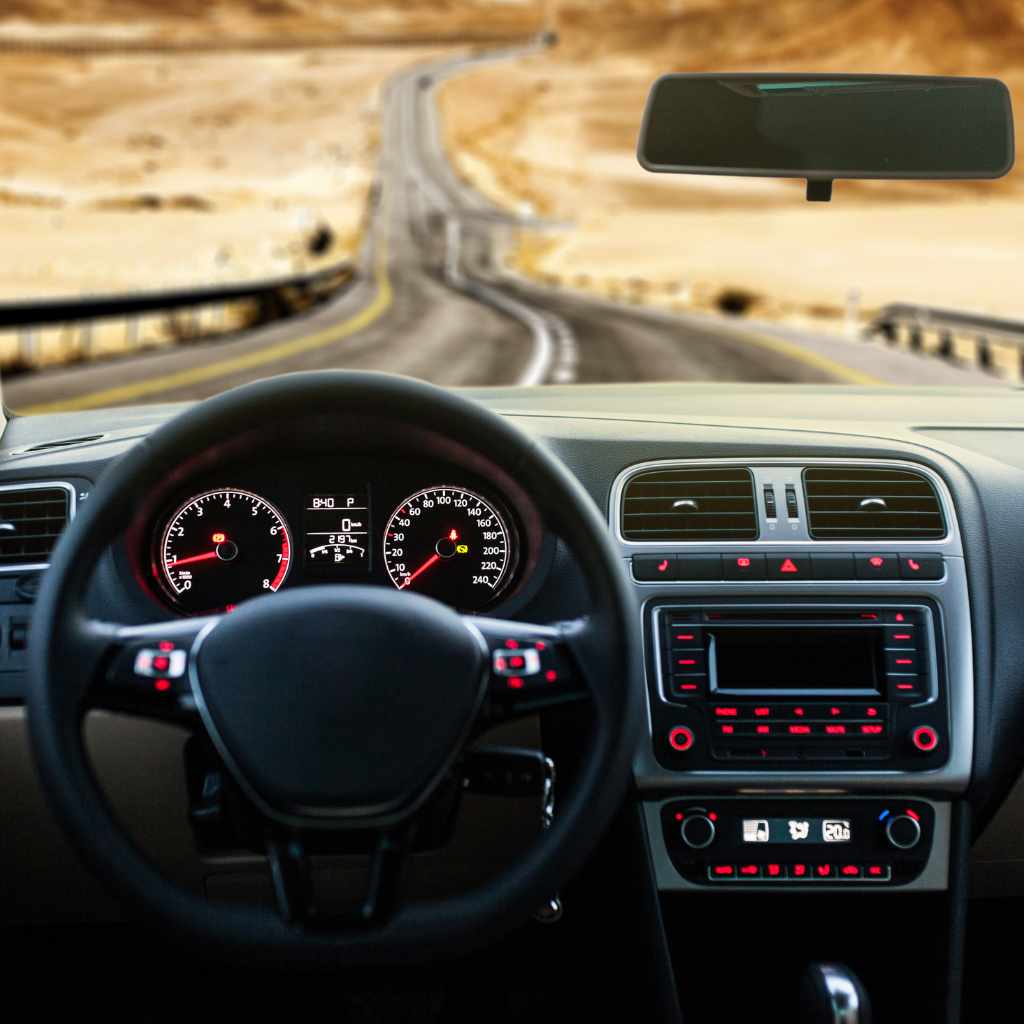
Is Revving Your Car in Park Harmful to the Engine?
If you’re new to driving, you might be curious about things like Is It Bad to Rev Your Car in Park? It’s a common question! Sometimes, you might hear a cool engine sound and think, “I wonder if I can do that?” You might also think, “Is this going to hurt something?” Don’t worry, everyone starts somewhere. We’ll explore what revving your engine in park does and how it affects your car. We’ll break it down step-by-step so you’ll be in the know about the engine.
The Basics of Engines and Idle Speeds
Your car’s engine is like a heart. It needs to work at the right speed to keep everything running smoothly. When your car is in park, the engine is set to idle. This means it’s running but not doing any work to move the car. The idle speed is usually pretty low, like 600 to 1000 revolutions per minute (RPM). Revving the engine means pushing the gas pedal to make the engine spin faster than its idle speed. When you rev it, you’re making the engine work harder, and it’s not always in a way that’s good for it. A lot happens under the hood when you rev your car in park, so it’s useful to learn more.
What Happens When You Rev Your Engine?
When you press the gas pedal, you’re telling the engine to burn more fuel. This fuel mixes with air and explodes inside the cylinders. These explosions push the pistons up and down, which turns the crankshaft, and that’s what makes the wheels turn when you drive. But when the car is in park, the wheels aren’t turning. The engine is just working harder without actually doing anything useful to move the car forward. The computer in your car controls the engine’s RPM, so it’s a good idea to let the car do its job correctly when parked.
-
- Increased Fuel Consumption: The engine uses more fuel when revved. This is because it needs more fuel to create the bigger explosions required for higher RPMs.
If you’re just sitting there, revving your engine is definitely wasting fuel.
-
- Heat Buildup: When the engine works harder, it generates more heat. The cooling system is designed to handle this, but excessive revving can put extra strain on it.
Your engine has a cooling system for a reason, and a good cooling system is a must-have.
-
- Wear and Tear: Constant revving can cause extra wear and tear on engine parts like the pistons, crankshaft, and valves.
Over time, this extra wear could lead to issues.
-
- Potential for Engine Damage: In extreme cases, revving can cause serious engine damage, especially if the engine isn’t properly warmed up.
Warm-up is something you want to pay attention to.
Idle Speed Explained
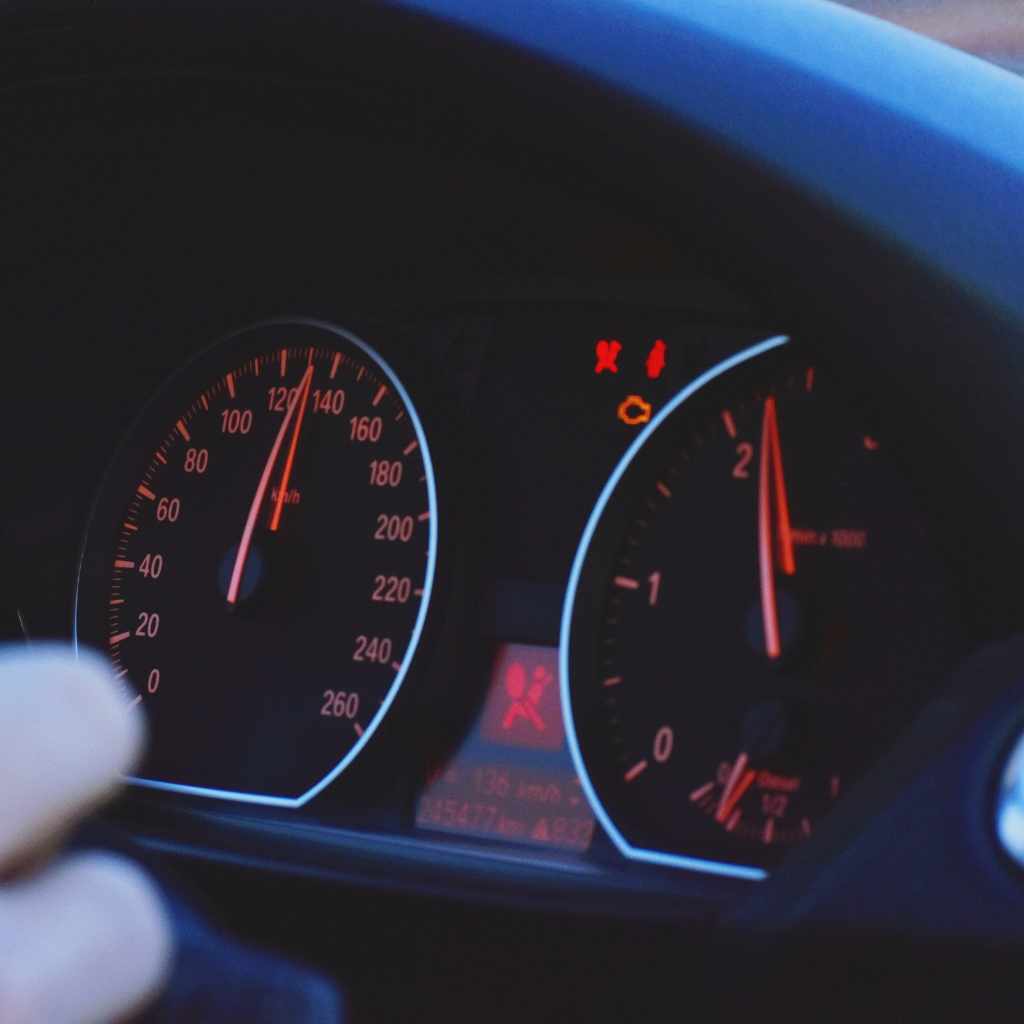
The idle speed of your engine is the speed at which it runs when the car isn’t moving. It’s the point where the engine is just ticking over, ready to go. Modern cars have computers that control the idle speed, so the engine runs smoothly and doesn’t stall. The engine is burning fuel at a slower rate than when it’s revving, and it produces less heat and wear. Knowing the basics of idle speed is helpful when discussing Is It Bad to Rev Your Car in Park?, because it’s the contrast to revving.
-
- Smooth Running: Idle speed is set to keep the engine running smoothly.
The engine won’t shake or stall at idle speed.
-
- Fuel Efficiency: The engine uses the least amount of fuel at idle speed.
You save fuel when the car is idling correctly.
-
- Reduced Wear: Less wear and tear on engine components happen at idle.
The engine parts have an easier time at idle speed.
-
- Controlled by Computer: The car’s computer manages the idle speed.
The car’s brain keeps everything in check.
Why People Rev Engines in Park
There are a few reasons why someone might rev their engine while parked. Sometimes, people do it because they like the sound the engine makes. Others might be trying to impress someone. Some believe it helps warm up the engine faster. Knowing the reasons will help you understand Is It Bad to Rev Your Car in Park? and also the context. Whatever the reason, it’s worth knowing the potential downsides before hitting the gas.
The Sound Factor
One of the most common reasons people rev their engines is because they like the noise. Some cars, particularly those with modified exhaust systems, make a satisfying roar when revved. Many consider the sound of a revving engine to be a sign of power or sportiness. If you’re into the sounds, you’re not alone. Many drivers enjoy the sound their car makes.
-
- Aesthetic Appeal: The sound is often considered cool or attractive.
Some people simply like the sound the engine makes.
-
- Sense of Power: Revving can give a feeling of strength and speed.
It can make a car feel more exciting.
-
- Attention-Grabbing: Revving can be a way to get noticed.
Some people do it to stand out.
-
- Personal Enjoyment: For many, revving is just a fun thing to do.
It can be a simple pleasure.
Warming Up the Engine (or Not)
Some people believe that revving the engine helps it warm up faster, especially in cold weather. However, this isn’t necessarily true and could be harmful. Modern engines are designed to warm up quickly and efficiently. Revving a cold engine can actually cause extra wear and tear. It can also cause a higher degree of wear and tear in the engine, which can lead to problems later on. So, it’s best to let the engine warm up naturally at idle speed.
-
- Ineffective Warm-Up: Revving might not speed up the warm-up process much.
It won’t make the engine warm up faster.
-
- Potential for Damage: Revving a cold engine can cause extra wear.
Cold oil is not as effective as warm oil.
-
- Modern Engine Design: Modern engines warm up efficiently on their own.
They are made to warm up efficiently.
-
- Idle Warm-Up Recommended: It’s better to let the engine idle to warm up.
Allowing the car to idle is better for the engine.
Dangers and Potential Issues of Revving in Park
While revving your car in park might seem harmless, it can cause problems over time. Pushing the engine too hard when it’s not moving can lead to unnecessary wear and tear. It might not seem like much at first, but these things add up. This is a very important part of understanding Is It Bad to Rev Your Car in Park?. Knowing what could happen helps you know what to avoid.
Excessive Wear on Components
The engine is made up of many moving parts. Revving it creates more friction and heat, and this can wear down those parts faster. Components like the pistons, crankshaft, and valves are put under additional stress when the engine is revved. Over time, this extra stress can lead to the need for repairs. Things like oil quality and engine temperature can make this wear worse.
-
- Piston Wear: The pistons move up and down in the cylinders, and revving can increase wear on them.
The constant back-and-forth movement increases wear.
-
- Crankshaft Damage: The crankshaft turns the engine’s power into motion, and revving puts extra stress on it.
The crankshaft is a key component.
-
- Valve Issues: Valves control the flow of gases in and out of the cylinders, and they also get worn down.
Good valves help the engine perform well.
-
- Bearing Problems: Bearings support the moving parts of the engine, and they can wear out more quickly with revving.
Bearings need to be well-lubricated.
Strain on the Cooling and Lubrication Systems
When you rev the engine, it generates more heat. The cooling system works to remove this heat. If the cooling system can’t keep up, the engine can overheat. Similarly, the lubrication system helps to keep the engine parts from wearing. When the engine is revved, the oil has to work harder. If the oil is old or the engine isn’t properly lubricated, revving can cause serious issues.
-
- Overheating: Excessive revving can cause the engine to overheat if the cooling system isn’t up to the task.
Overheating can lead to major damage.
-
- Oil Degradation: Revving the engine makes the oil break down faster, reducing its ability to protect the engine.
Good oil helps everything run right.
-
- Reduced Lubrication: If the oil can’t circulate effectively, certain engine parts won’t get enough lubrication.
Poor lubrication increases wear.
-
- Cooling System Strain: The cooling system might not be able to handle the extra heat from excessive revving.
The cooling system is key for preventing damage.
Scenarios and Comparisons
Let’s look at some example situations to further explore the topic and answer the question: Is It Bad to Rev Your Car in Park?. These situations will give you some context so you can understand what to avoid.
-
- Scenario 1: The Cold Start. Imagine you’re starting your car on a cold morning. The engine oil is thick, and the engine parts haven’t fully warmed up. If you start revving the engine immediately, you’re putting a lot of stress on the engine components. The thick oil isn’t lubricating everything as well, and the engine’s parts are more susceptible to damage.
Instead, it’s best to let the car idle for a few minutes to let the oil circulate and warm the engine.
-
- Scenario 2: The Show-Off. You’re at a car meet, and you want to show off your car. You decide to rev the engine to impress your friends or other drivers. This seems fun at the moment, but it’s actually not a great idea. Constant revving can cause wear on engine parts and lead to problems down the road.
It’s better to just show off the car itself.
-
- Scenario 3: The Engine Check. You think something might be wrong with your engine, and you start revving it to see if you can hear anything. This is a bad idea because it can make a small problem bigger. Instead, consult with a trusted mechanic so they can properly diagnose and address the issue.
It is important to have the engine checked correctly.
Let’s compare the effects of revving in park to other common activities, to demonstrate why revving in park can be more harmful than you might think.
| Activity | Engine Stress | Potential Damage | Severity |
|---|---|---|---|
| Driving at highway speeds | Normal | Minimal | Low |
| Revving in Park | High | Increased wear, overheating | Medium |
| Racing without proper maintenance | Very High | Severe Engine Damage | High |
Alternatives to Revving in Park
If you enjoy the sound of your engine or want to show off, there are ways to do it without potentially damaging your car. You can also explore how your car works. The more you know, the better you’ll be at taking care of it. These steps will help you.
Safe Ways to Enjoy Your Engine
Instead of revving your engine in park, you can focus on things like taking care of your car and enjoying your car in more appropriate ways. This includes making sure the car’s engine is healthy, so you can enjoy it for years to come. You can explore how your car works. There are many fun things you can do with your car, all without risking damage.
-
- Driving: The most obvious alternative is to drive your car. This is what it’s designed for, and it’s the best way to experience your car’s power.
Enjoy your car on the road.
-
- Car Shows: If you want to show off your car, car shows are the perfect place.
You can admire other cars and talk about your car.
-
- Engine Modifications: If you want to improve your car’s engine sound, consider adding an exhaust system.
There are many options for adding a unique sound.
-
- Regular Maintenance: Keeping up with regular maintenance is very important.
Good maintenance can prevent many problems.
Focusing on Car Care
Proper car care goes a long way in ensuring your car runs well for years. By following these steps, you can help to keep your car in top condition. This is far better than revving the engine. By making sure your car runs well, you can enjoy it for years to come. You want to avoid any damage, so your car always runs smoothly.
-
- Regular Oil Changes: Change your oil and oil filter as recommended by your car’s maker.
Fresh oil keeps everything working well.
-
- Coolant Checks: Check your coolant level regularly to make sure the engine doesn’t overheat.
Prevent overheating with good maintenance.
-
- Proper Warm-Up: Let the engine warm up at idle speed before driving, especially in cold weather.
It’s always better to let it warm up gently.
-
- Listen to Your Car: Pay attention to any unusual noises or performance issues.
Take care of any problems right away.
Frequently Asked Questions
Question: Is revving in park really that bad?
Answer: It’s not the best thing for your engine because it can cause extra wear and tear over time, but it won’t instantly destroy your car.
Question: Can revving in park damage my engine immediately?
Answer: Probably not. However, repeatedly revving a cold engine is more likely to cause problems.
Question: Is it okay to rev my engine to warm it up?
Answer: No, it’s better to let the engine warm up at idle speed. Revving a cold engine can cause extra wear.
Question: What’s the best way to enjoy my engine’s sound?
Answer: Consider getting a new exhaust system or driving your car in a way that respects your engine.
Question: How often should I get my car serviced?
Answer: Follow the service schedule in your owner’s manual. This usually involves regular oil changes, filter replacements, and other maintenance.
Final Thoughts
So, Is It Bad to Rev Your Car in Park? Well, in short, it’s not a great idea. While revving your engine might seem harmless or even cool at the moment, it can lead to problems down the road. It puts extra stress on engine parts. It can cause them to wear out faster. It’s better to skip the revving in park. It’s better to focus on enjoying your car in ways that won’t risk damage. You can still enjoy the sounds and power of your car. Drive it! Take good care of it. Regular maintenance is key. Be good to your car, and it will be good to you!