Best Wireless Car Phone Holders (2026): We Compared
The best wireless charging phone holders for car use are 15W Qi2 or Qi mounts with a secure clamp or strong magnet, plus a mount type that fits your dash, vent, or CD slot. Cheap mounts slip, overheat, or stop charging when heat, road shake, and thick cases pile up. This guide compares top picks by charging speed, mounting security, and vehicle fit so you can choose the right one.
Quick comparison
| Product | Badge | Best for | Price | ||
|---|---|---|---|---|---|
 |
Belkin Qi2 15W Magnetic Wireless Vent Mount, Fast ChargingBelkin | Our pick | 15W · Qi2 · MagSafe | $39.99
Price as of 22 Oct 2026
|
View |
 |
iOttie Velox Qi2 Mini Wireless Charging Car Mount – MagSafeiOttie | Also great | 15W · Qi2 · MagSafe | $54.95
Price as of 22 Oct 2026
|
View |
This comparison keeps the focus on fit, heat, and daily use, not marketing claims alone. The same mount can work well in one vehicle and fail in another.
How we chose
The ranking leans on four things: charging output and whether a proper power adapter is needed for full speed; mount stability on rough roads; heat resistance and common failure modes; and fit for daily use in real vehicles.
Qi support matters first. Qi works with supported iPhone and Android phones, while Qi2 matters for 2026 buying because it improves magnetic alignment for newer magnetic mounts.
15W is commonly cited as the top-output spec for these mounts, though full speed depends on the right adapter and enough airflow. A mount that runs hot, sits in direct sun, or sits over a thick case can charge far more slowly than the spec suggests.
For convenience, one-hand loading matters. Auto-clamping mechanisms and strong magnets reduce the fumbling that makes in-car charging annoying. For safety, foreign object detection matters because metal coins, keys, and incompatible accessories can trigger heat or charging faults.
iOttie Easy One Touch Wireless 2: best overall
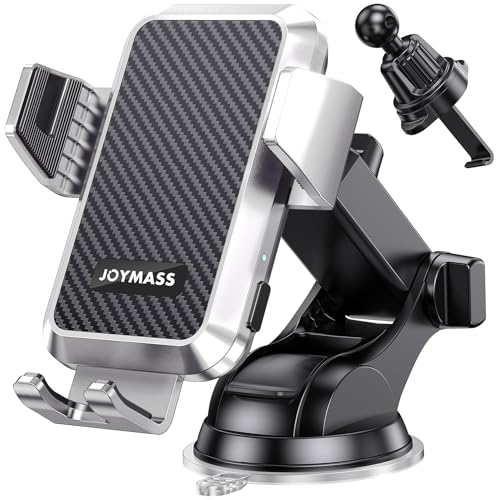
Based on Wirecutter’s top-pick status, the iOttie Easy One Touch Wireless 2 is the safest all-around choice for drivers who want stable mounting and straightforward use. Wirecutter says it offers fast charging and serious stability, and that it comes in dash/windshield and vent/CD-slot versions.
That flexibility is the point. If your windshield placement is legal in your area and your dashboard is textured, the dash/windshield version can still work well with suction cup and/or adhesive attachment. If you have an older car with an unused CD player, the CD-slot version can be a better fit than a vent clip.
The drawback is that the best-case experience depends on setup. The dash version can be among the quickest in charging tests, but it still needs the right power adapter for full speed. In hot weather, suction loss, adhesive wear, or direct sun can become the failure point before the charging hardware does.
Wirecutter also says the mount made attaching or removing phones very simple and held phones steady while driving. That combination matters for rideshare use, where repeated in-and-out phone placement can wear down a fiddly cradle fast.
Are MagSafe car mounts worth it?
Yes, for iPhone users who want fast, repeatable one-hand placement. MagSafe is the easiest path to stable magnetic mounting for iPhone-specific setups, especially when you want the phone to snap into position without lining up clamps every trip. For Android, the answer is usually no unless you add a magnetic ring accessory.
Magnetic alignment helps most when the car is moving constantly, the driver is swapping between navigation and calls, or the phone case is thin enough to keep the connection strong. Qi2 also matters here, because it supports magnetic alignment use cases and is a better 2026 buying target than older generic magnet mounts.
The tradeoff is compatibility. MagSafe is not true cross-platform convenience on its own. It is best viewed as an Apple magnetic ecosystem, often paired with 15W charging, while Android users usually need a compatible magnetic ring or a different mount type.
If you use a thick case, a wallet case, or a case with metal plates, magnetic hold can weaken or charging can stop. A common first-timer mistake is assuming “MagSafe-compatible” means every case will charge at full speed. It does not.
Vent mounts: best for quick installs
Vent mounts are the fastest to install and remove, and they suit drivers who change cars often or want a no-drill setup. The same source says vent mounts slip onto a slat of the car’s vents, which makes them simple, but also introduces fit problems that dash mounts avoid.
Choose vent mounts if your vents are sturdy, your climate control layout leaves room for a clip, and you want a mount that can move from car to car. Avoid them if your vents are thin, springy, or angled sharply, because weak blades and rough-road shake can make the phone wobble or sag.
Vent mounts can also block airflow or controls. In hot weather, that matters twice: the mount may reduce cooling around the cabin, and the phone may heat up faster right where it is clipped. Some drivers will feel that tradeoff immediately during summer commutes.
Say your sedan has narrow vertical vents and a thick phone case. A vent mount may hold at first, then tilt on bumps and let the phone slip lower over a week of daily use. A dash mount avoids the vent issue but adds suction and line-of-sight concerns.
Wireless charging buyer matrix
This matrix compares mount archetypes by fit, compatibility, adapter need, heat risk, and the most likely failure mode. Use it to match the mount to your vehicle before you compare brand names.
| Mount archetype | Vehicle fit | Phone compatibility | Adapter need | Heat risk | One-hand use | Common failure mode | Best driver profile |
|---|---|---|---|---|---|---|---|
| Dash suction mount | Best on flat or lightly textured dashboards | Qi, Qi2, MagSafe with proper match | A QC 3.0 car charger adapter is often needed to reach full speed. | Medium to high in direct sun | Good | Suction loss, adhesive wear, windshield-law issues | Daily commuters who want the cleanest sightline placement |
| Windshield suction mount | Best where dash shape is awkward | Qi, Qi2, MagSafe with proper match | Often needs QC 3.0 car charger adapter for full speed | High in hot weather and sun load | Good | Heat-softened suction, blocked vision, legality concerns | Drivers who need adjustable positioning and do not mind a visible mount |
| Vent clip mount | Best on sturdy center vents | Qi, Qi2, MagSafe with proper match | Usually yes for max speed | Medium; can worsen if airflow is blocked | Very good | Weak vent blades, sagging, blocked controls | Rideshare drivers and anyone who swaps mounts quickly |
| CD-slot mount | Best in older cars with unused CD players | Qi, Qi2, MagSafe with proper match | Usually yes for max speed | Medium | Good | Loose slot fit, vibration in worn mechanisms | Owners of older vehicles that still have a usable CD slot |
| Magnetic vent mount | Best with firm vent slats and light phones | MagSafe or ring-equipped Android phones | Often yes | Medium | Excellent | Magnet slip with thick cases or heavy phones | iPhone drivers who value the quickest dock-and-go placement |
| Auto-clamping cradle | Works in dash, vent, or cup holder setups | Qi, Qi2, MagSafe-compatible variants | Usually yes | Medium | Excellent | Sensor lag, motor fatigue, charging cutout from bad alignment | Commuters who want one-handed placement without magnets |
| Dash adhesive mount | Best on textured but stable dashboards | Qi, Qi2, MagSafe with proper match | Usually yes | Medium to high | Good | Pad failure from heat, dust, or poor prep | Fleet cars and long-term installs where suction is weak |
| Cup holder mount | Best in vehicles with deep, unused cup holders | Qi, Qi2, MagSafe with proper match | Usually yes | Lower than sun-exposed mounts | Fair to good | Low placement, bulky base, cable clutter | Drivers who want stability more than perfect sightline height |
| Friction-based clamp mount | Best as a temporary or backup option | Qi, Qi2, MagSafe with proper match | Usually yes | Medium | Good | Slow to secure, can loosen on bumps | Occasional drivers and rental-car use |
| Magnet ring retrofit mount | Best if you want to convert an Android phone | Qi and Qi2 with added magnetic ring | Usually yes | Medium | Excellent | Ring placement error, weaker wireless efficiency | Android users who want MagSafe-like convenience without changing phones |
Which mount style should you buy?
Start with the vehicle, then the phone. If your dashboard is flat and your state allows the mounting position, a dash mount is usually the most balanced choice. If you want the fastest setup and can live with airflow tradeoffs, a vent mount is easier day to day.
For budget-first buyers, a simple vent clip or a basic dash suction mount is the lowest-commitment path, but check whether it needs a QC 3.0 car charger adapter to reach full speed. Hidden costs matter here: replacement adhesive pads, spare vent clips, and the adapter can push the real price higher than the sticker price.
For rideshare and fleet cars, prioritize one-hand use, easy removal, and a mount that will not be ruined by repeated swapping. An auto-clamping cradle or a strong magnetic setup is usually better than a fiddly clamp that slows every pickup.
For older vehicles with an unused CD player, a CD-slot mount can be the cleanest fit. It avoids relying on weak vent blades and usually stays out of the way of the windshield, though the slot itself can rattle if the mechanism is worn.
For thick cases and magnetic setups, check two things: whether the case supports Qi or Qi2 charging through its thickness, and whether magnetic alignment is strong enough to stay centered. If the case is too thick or has a metal plate in the wrong place, the phone may connect but charge slowly or not at all.
What is the best wireless charging phone holder for a car?
The best all-around pick is the iOttie Easy One Touch Wireless 2 because it combines fast charging, serious stability, and multiple mounting styles. That makes it a better general choice than a one-trick magnet mount for drivers who care about fit, not only speed.
If your priority is iPhone magnetic convenience, a Qi2 or MagSafe mount can be a better everyday match. If your priority is broader compatibility across iPhone and Android, a Qi mount with a secure clamp is usually the safer bet.
Which car phone holder charges the fastest?
The fastest setup is usually the one that pairs 15W charging with the correct power adapter and low heat. A mount can advertise top output, but if the car adapter is weak or the phone overheats on the dash, real charging speed drops fast.
That is why placement matters as much as the spec sheet. A cooler vent location or a mount out of direct sunlight can keep the phone closer to peak charging speed for longer.
Do wireless car chargers work with thick phone cases?
Sometimes, but not always at full speed. Thick cases can weaken magnetic hold, push the phone too far from the charging coil, or trap heat that leads to throttling. Cases with metal plates or wallet inserts are the most likely trouble spots.
If a thick case is non-negotiable, choose a mount with strong alignment, a generous cradle, and real foreign object detection. Then verify that the case is listed as Qi- or Qi2-compatible, not merely “wireless charging friendly.”
Should I get a vent mount or windshield mount?
Get a vent mount if you want quick installation, easy removal, and you trust your vent blades. Get a windshield mount if your dashboard shape is difficult and you need a more adjustable position, but check local windshield-placement rules and make sure the view is not blocked.
Vent mounts usually win on convenience. Windshield mounts usually win on placement flexibility. The wrong choice is the one that looks fine in the product photo but blocks controls, heats up in sun, or interferes with your driving position.
Why is my wireless car charger overheating or disconnecting?
Heat and misalignment are the most common reasons. Direct sun, poor airflow, a loose vent clip, or a phone that sits slightly off-center can cause the charger to reduce power or stop briefly. Incompatible metal accessories can also trigger faults.
If disconnecting happens on bumps, check the mount, not just the charger. If it happens after a few minutes in sunlight, heat is likely the culprit. Move the phone lower on the dash, away from glass, or into a better-ventilated spot.
What adapter do I need for a 15W wireless car charger?
Use a QC 3.0 car charger adapter if the mount’s instructions call for one. Many 15W mounts need that kind of adapter to reach maximum speed, and the adapter is often sold separately, which surprises buyers who expected the bundle to be complete.
That hidden cost matters. A mount, adapter, and replacement clip or adhesive pad can add up quickly. If you are comparing prices, compare the full setup, not the box price alone.
Are wireless charging car mounts safe to use while driving?
Yes, when they keep the phone secure, visible, and easy to tap without long reach. A stable mount reduces the temptation to hold the phone in one hand or fumble for a cable, which is the real safety gain most drivers want.
They are not automatically safe in every placement. A mount that blocks the windshield, sits too low, or forces repeated adjustment can become a distraction. Choose the mount that keeps the screen visible without changing your driving posture.
Products related to this article
Sponsored / affiliate links. As an Amazon Associate I earn from qualifying purchases. I may earn additional commission from eligible campaigns.