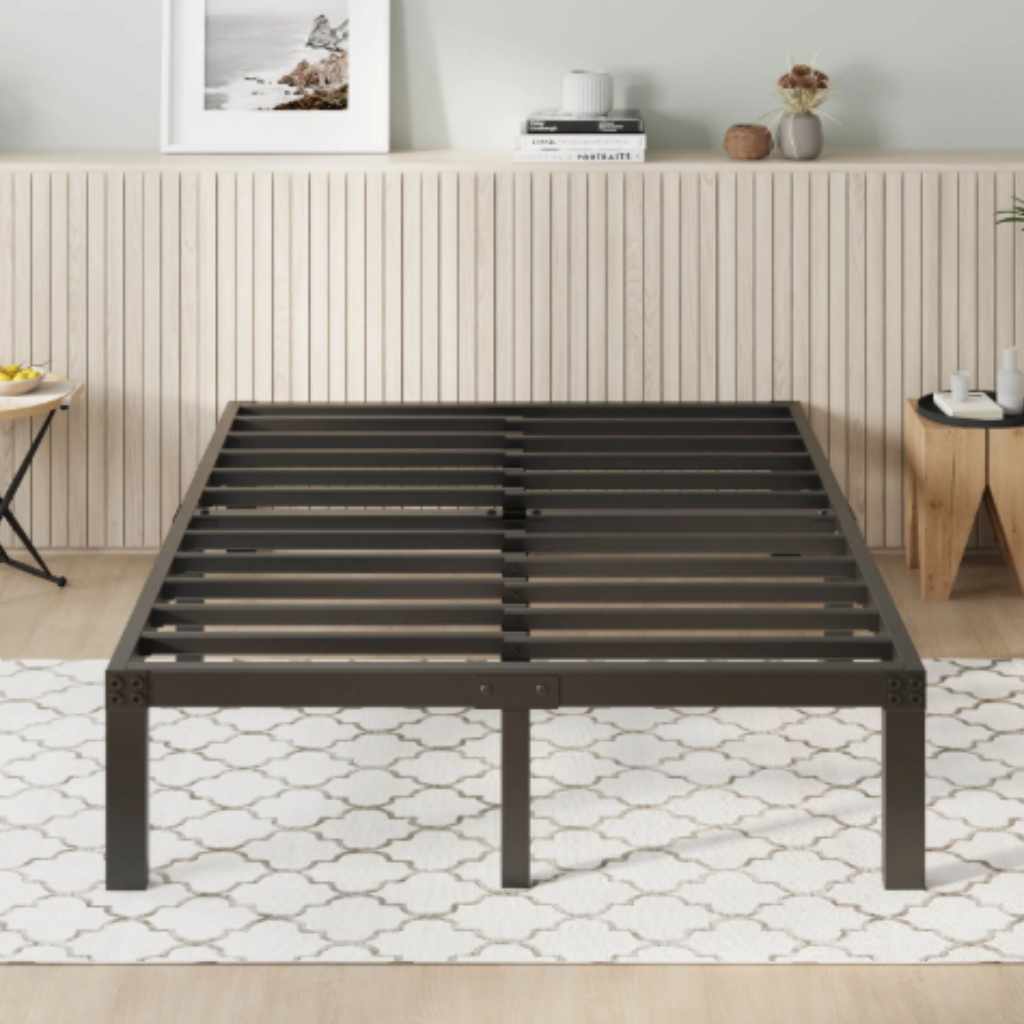
Metal vs Wood Box Spring Which Supports Better
Choosing the right box spring can feel like a big decision, especially when you’re trying to get the best support for your mattress. Many people wonder about the difference between metal and wood box springs and which one is actually better. It might seem a little confusing at first, but don’t worry! We’re going to break it down in a really simple way, step by step. Soon you’ll know exactly what you need. Let’s explore what makes each type stand out.
Getting a good night’s sleep starts with a solid foundation for your mattress. The box spring is that foundation. It’s not just a decorative piece; it plays a vital role in how your mattress feels and how long it lasts. When you’re looking to buy a new mattress, you’ll often see options for a box spring, and you might be wondering if it matters whether it’s made of metal or wood. This choice can impact your comfort, the life of your mattress, and even your back health. Understanding the differences helps you make the best choice for your specific needs.
What Is a Box Spring
Before we compare metal and wood, it’s helpful to know what a box spring actually does. A box spring is essentially a bed base that supports your mattress. It’s designed to absorb shock, distribute weight evenly, and elevate your mattress to a comfortable sleeping height. It can also help with airflow, keeping your mattress cooler. Think of it like the suspension system in a car; it smooths out the ride and protects the main component. Different types of box springs offer varying levels of support and durability, which is where the metal versus wood debate comes into play.
Metal Box Springs Explained
Metal box springs are often seen as a more modern option. They are typically constructed from steel or other metals, forming a strong frame. This metal frame can be designed in various ways, often with a series of slats or a mesh-like surface to support the mattress.
Benefits of Metal Box Springs
- Durability Metal is known for its strength and resilience. A well-made metal box spring can last a very long time without bending or breaking. This makes it a good investment for the long haul.
- Support The rigid structure of metal can offer excellent, consistent support. This is especially beneficial for heavier mattresses or individuals who need a firmer base.
- Pest Resistance Unlike wood, metal is not susceptible to pests like termites or other wood-boring insects. This can be a significant advantage in certain climates or if you’ve had issues in the past.
- Lightweight Options While some metal frames are heavy, many are designed to be relatively lightweight, making them easier to move and set up.
- Breathability Some metal designs feature open slats or mesh patterns, which can improve airflow under the mattress. This helps to prevent moisture buildup and keep your sleeping surface cooler.
Drawbacks of Metal Box Springs
- Noise Metal can sometimes creak or squeak, especially as it ages or if components become loose. This can be disruptive for light sleepers.
- Less Cushioning Metal structures may offer less natural cushioning compared to wood, which can sometimes lead to a firmer feel for the mattress.
- Potential for Sagging While durable, lower-quality metal frames can eventually sag in the middle if not designed properly or if overloaded.
- Cost Some high-quality metal box springs can be more expensive upfront than basic wood models.
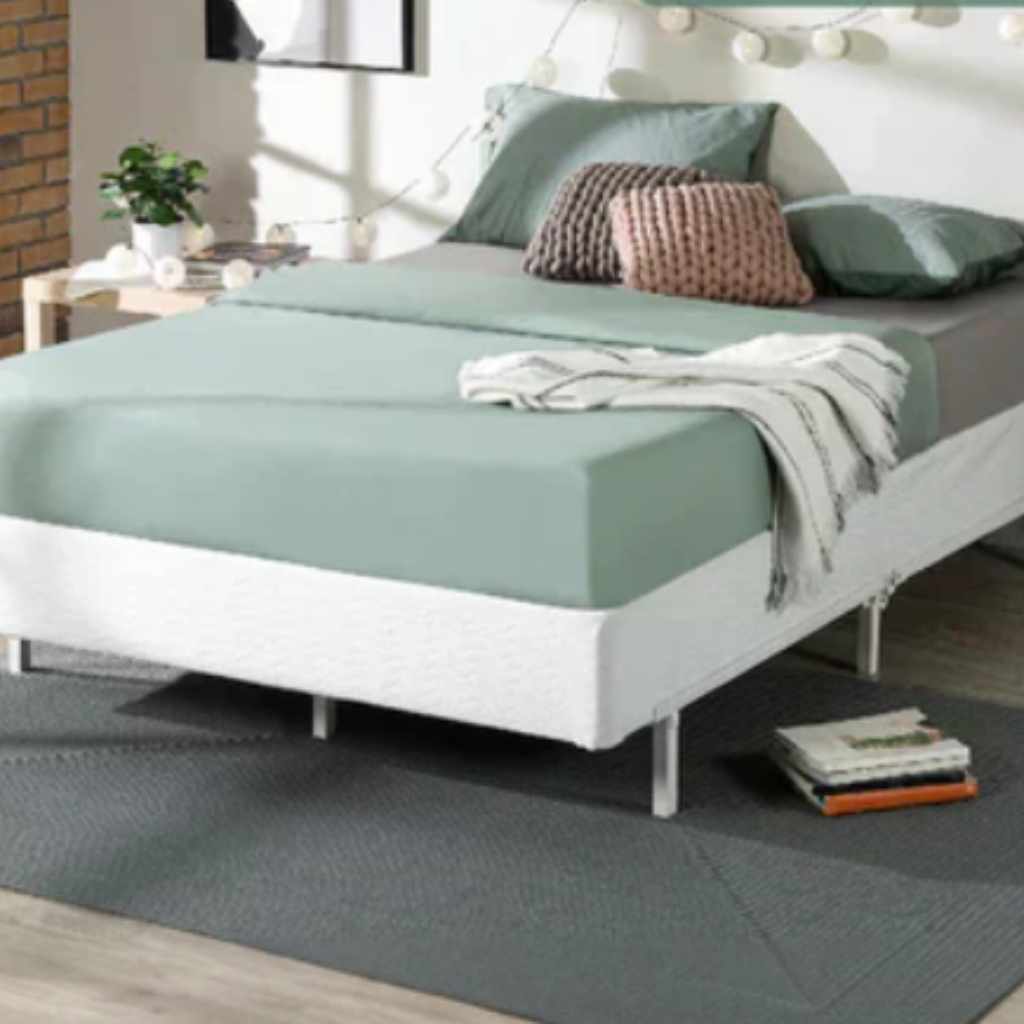
Wood Box Springs Explained
Wood box springs have been around for a long time and are the traditional choice for many. They are typically built using a wooden frame, often made from pine or fir, with wooden slats placed across the top. Some wood box springs are also covered in fabric to provide a smoother surface and a more finished look.
Benefits of Wood Box Springs
- Quieter Operation Wood generally produces less noise than metal. A well-constructed wood box spring is less likely to creak or squeak, contributing to a more peaceful sleep.
- Natural Cushioning The slight give in wood can provide a bit more natural cushioning, which some people find enhances mattress comfort.
- Cost-Effective Basic wood box springs are often more affordable than their metal counterparts, making them a budget-friendly option.
- Traditional Feel For those accustomed to traditional bed frames, a wood box spring offers a familiar and comfortable base.
Drawbacks of Wood Box Springs
- Durability Concerns Wood can be prone to breaking, warping, or sagging over time, especially if it’s not made from high-quality materials or if the mattress is very heavy.
- Susceptibility to Pests Wood can be a target for insects like termites or other wood-boring pests, which can compromise its structural integrity.
- Moisture Absorption Wood can absorb moisture, which might lead to mold or mildew issues in humid environments.
- Less Consistent Support The support offered by wood slats can sometimes be less consistent than a solid metal frame, particularly if the slats are spaced too far apart.
Comparing Metal and Wood Box Springs
When you’re deciding between metal and wood, it helps to compare them directly based on what matters most for your sleep. Both have their pros and cons, and the “better” option really depends on your personal preferences and your mattress.
Support and Durability
For sheer strength and long-term durability, metal often has an edge. A good metal box spring is less likely to sag or break over time, providing consistent support for years. Wood can be very strong, but it is more susceptible to wear and tear, especially with heavy use or heavier mattresses. If you have a very heavy mattress, like a thick memory foam or hybrid, a metal frame might be a better choice to ensure it doesn’t bow in the middle.
Comfort and Feel
The comfort aspect is a bit more subjective. Some people find metal frames a bit too rigid, while others appreciate the firm, unwavering support. Wood, with its natural give, can sometimes feel a little softer and might contribute to a slightly more plush mattress feel. If you prefer a very firm sleeping surface, metal might be ideal. If you like a little bit of give, wood could be your preference.
Noise and Longevity
Noise is a key factor for many. Metal is more prone to creaking and squeaking as it ages, which can be a real bother. Wood is generally quieter, offering a more peaceful sleeping environment. In terms of longevity, both can last a long time, but the material’s inherent properties mean metal might win out in terms of resistance to physical degradation, while wood’s longevity is more dependent on the quality of the wood and construction.
Maintenance and Environment
If you live in a humid climate or are concerned about pests, metal offers a significant advantage. It’s resistant to termites and doesn’t absorb moisture. Wood requires more care in humid conditions to prevent mold and mildew, and it needs protection against pests.
Cost
Generally, basic wood box springs are more affordable than comparable metal ones. However, high-end metal frames can also be quite expensive, and very well-made wood frames can also come at a higher price point. Your budget will play a role in your decision.
Mattress Type Compatibility
Most modern mattresses, especially memory foam, latex, and hybrid mattresses, benefit from good, consistent support. Manufacturers often have specific requirements for the type of foundation their mattresses should rest on to maintain their warranty and performance. Always check your mattress manufacturer’s recommendations.
- Memory Foam Mattresses: These often require solid or very closely slatted bases to prevent sagging and ensure even weight distribution. Both metal and wood can work, but the slat spacing or solid surface is key. Metal mesh or very close wood slats are often preferred.
- Innerspring Mattresses: Traditional innerspring mattresses are more forgiving and can often work with a wider variety of box springs, including older, more widely slatted wood designs.
- Hybrid Mattresses: These combine foam and coils and generally need a strong, supportive base. A metal box spring or a wood one with closely spaced slats is a good choice.
When to Choose Metal
You might lean towards a metal box spring if:
- You prioritize maximum durability and longevity.
- You have a heavy mattress that needs very firm and consistent support.
- You are concerned about pests or humidity in your sleeping area.
- You don’t mind a firmer feel or are looking for a modern aesthetic.
When to Choose Wood
You might prefer a wood box spring if:
- You are on a tighter budget and looking for a more cost-effective option.
- You prefer a slightly softer feel or more natural cushioning.
- You are sensitive to noise and want a quieter sleep experience.
- You have a traditional innerspring mattress and a standard frame.
Alternatives to Traditional Box Springs
It’s also worth noting that the landscape of bed bases has evolved. Many people are now opting for platform beds, which don’t require a box spring at all. These beds have built-in support systems, often with closely spaced slats or a solid surface, that work directly with most mattresses. If you’re considering a new bed frame, a platform bed might simplify your decision by eliminating the box spring entirely. Other options include bunkie boards, which are thin, solid bases that can be placed on top of a traditional frame to provide a more solid surface for mattresses that require it.
Frequently Asked Questions
Question: Can a metal box spring be too noisy
Answer: While metal can be more prone to noise than wood, many modern metal box springs are designed with features to minimize creaking, such as sturdy construction and tight fittings.
Question: Will a wood box spring support a heavy memory foam mattress
Answer: A well-constructed wood box spring with closely spaced slats can support a memory foam mattress. However, for very heavy mattresses, a metal frame or a specialized heavy-duty wood base might offer more consistent long-term support.
Question: Do I really need a box spring
Answer: Many modern mattresses, especially foam and hybrid types, benefit from a supportive base like a box spring or platform bed to maintain their integrity and warranty. Some mattresses do not require a box spring, so always check your mattress’s specific recommendations.
Question: How often should I replace my box spring
Answer: A good box spring can last many years, typically 7-10 years, depending on its quality, your mattress weight, and usage. Signs it needs replacement include sagging, creaking, or visible damage.
Question: Can I put a metal box spring on a wooden bed frame
Answer: Yes, you can often place a metal box spring on a wooden bed frame. Ensure that the dimensions match and that the frame provides adequate support for the box spring and mattress.
Final Thoughts
When you’re trying to figure out the best support for your mattress, the choice between a metal and wood box spring comes down to what you value most. Metal frames often win for pure strength and longevity, offering a rigid base that’s great for heavier mattresses and resistant to environmental factors. Wood frames, on the other hand, tend to be quieter and can offer a bit more natural cushioning, often at a more accessible price point. Think about the specific needs of your mattress, your body, and your bedroom environment. If you’re aiming for ultimate durability and firm support, metal is likely your best bet. If a quieter, slightly softer feel and a budget-friendly option are higher on your list, wood could be the way to go. Don’t forget to also consider newer alternatives like platform beds if you’re setting up a new sleep system. Whichever you choose, a good foundation is key to a comfortable and restful night’s sleep, helping your mattress perform its best for years to come.