Metal vs Wood Casket: Choosing the Right Option
When someone is going through a difficult time, making decisions about funeral arrangements can feel overwhelming. One of the first choices many people face is selecting a casket. The question of Metal vs Wood Casket: Choosing the Right Option often comes up, and it’s perfectly normal to find this a bit challenging at first.
There are many factors to consider, from appearance to durability to cost. But don’t worry, we’re going to break it down in a simple, easy-to-follow way. We’ll explore what makes each material special and help you feel confident in your choice.
Metal vs Wood Casket Choosing The Right Option Explained
Choosing a casket is a deeply personal decision, and it’s natural to want to make the best choice for your loved one. The most common options boil down to two main categories: metal and wood. Each offers a distinct look, feel, and set of characteristics that can influence how you feel about the final resting place.
Understanding the differences between metal and wood caskets is key to making a choice that feels right for you and honors your loved one.
Understanding Metal Caskets
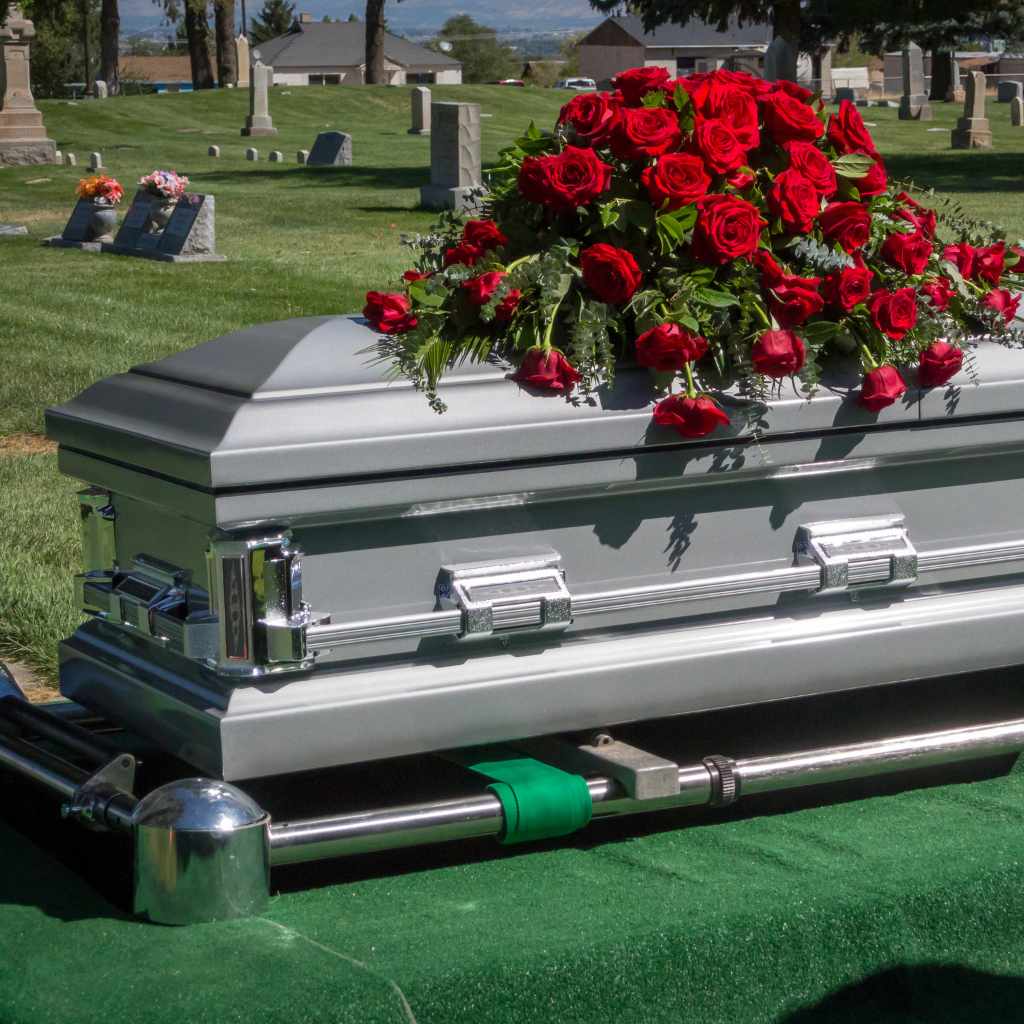
Metal caskets are a popular choice for several reasons, primarily their durability and protective qualities. They are often seen as offering a strong barrier. The most common metals used are steel, stainless steel, bronze, and copper.
Steel Caskets
Steel is the most frequently used metal for caskets. It’s strong and can be manufactured to have a polished, attractive finish. Steel caskets come in various gauges, which refers to the thickness of the metal.
A lower gauge number means thicker, stronger steel. Common gauges are 16, 18, and 20. A 16-gauge steel casket is generally considered more robust than a 20-gauge.
Steel caskets are often finished with a protective coating and paint, available in a wide range of colors. They can also be designed with various interior linings, such as velvet or crepe, to offer comfort and elegance.
Stainless Steel Caskets
Stainless steel caskets are known for their resistance to rust and corrosion, making them a durable and long-lasting option. The material itself contains chromium, which forms a protective layer against the elements. This inherent resistance means they can maintain their appearance for a long time.
Stainless steel caskets are often chosen for their superior quality and longevity. They tend to be priced higher than standard steel caskets due to these advanced properties.
Bronze and Copper Caskets
Bronze and copper caskets are considered premium options. These non-ferrous metals are naturally resistant to rust and corrosion, offering exceptional durability. Bronze is an alloy of copper and tin, known for its strength and rich, warm tone.
Copper is a naturally beautiful metal with a distinctive reddish hue. Both bronze and copper caskets are often chosen for their elegant appearance and longevity, representing a significant investment. They are typically more expensive than steel or stainless steel options.
Understanding Wood Caskets
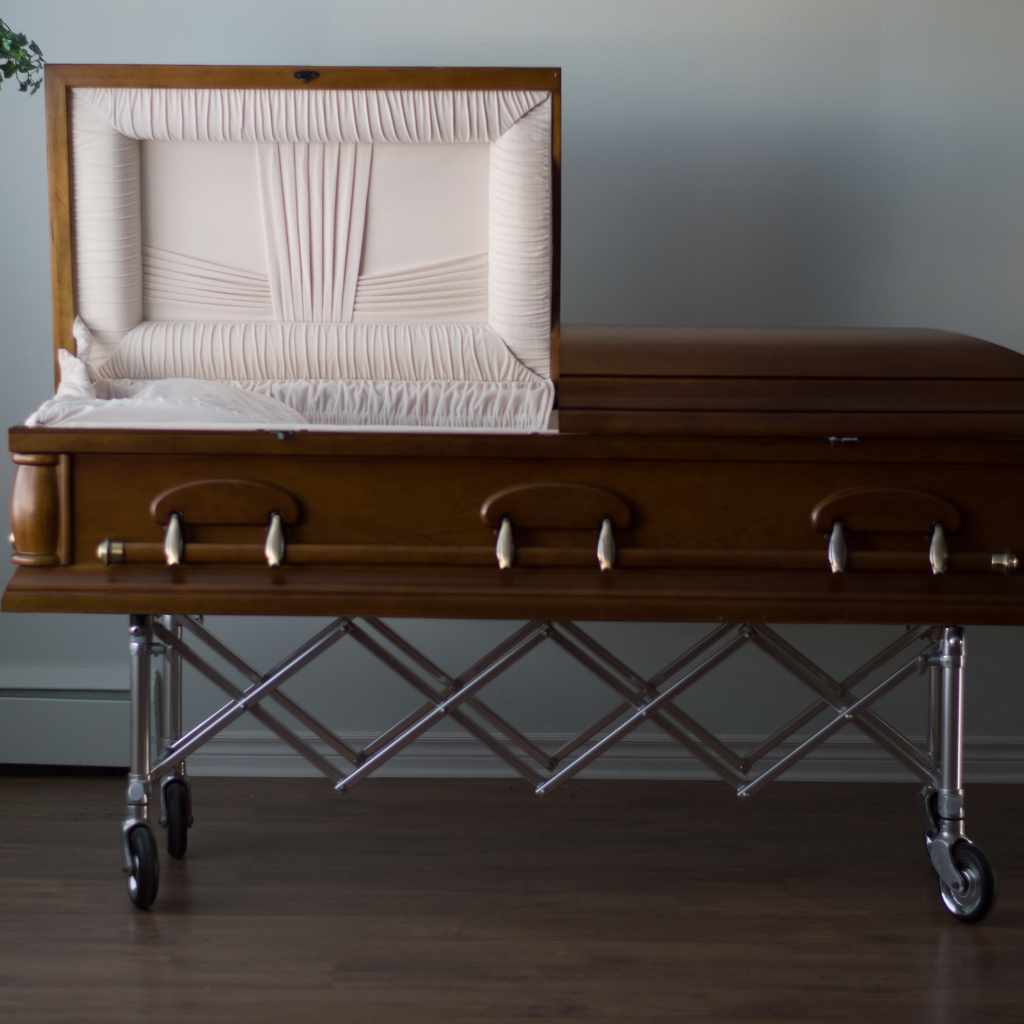
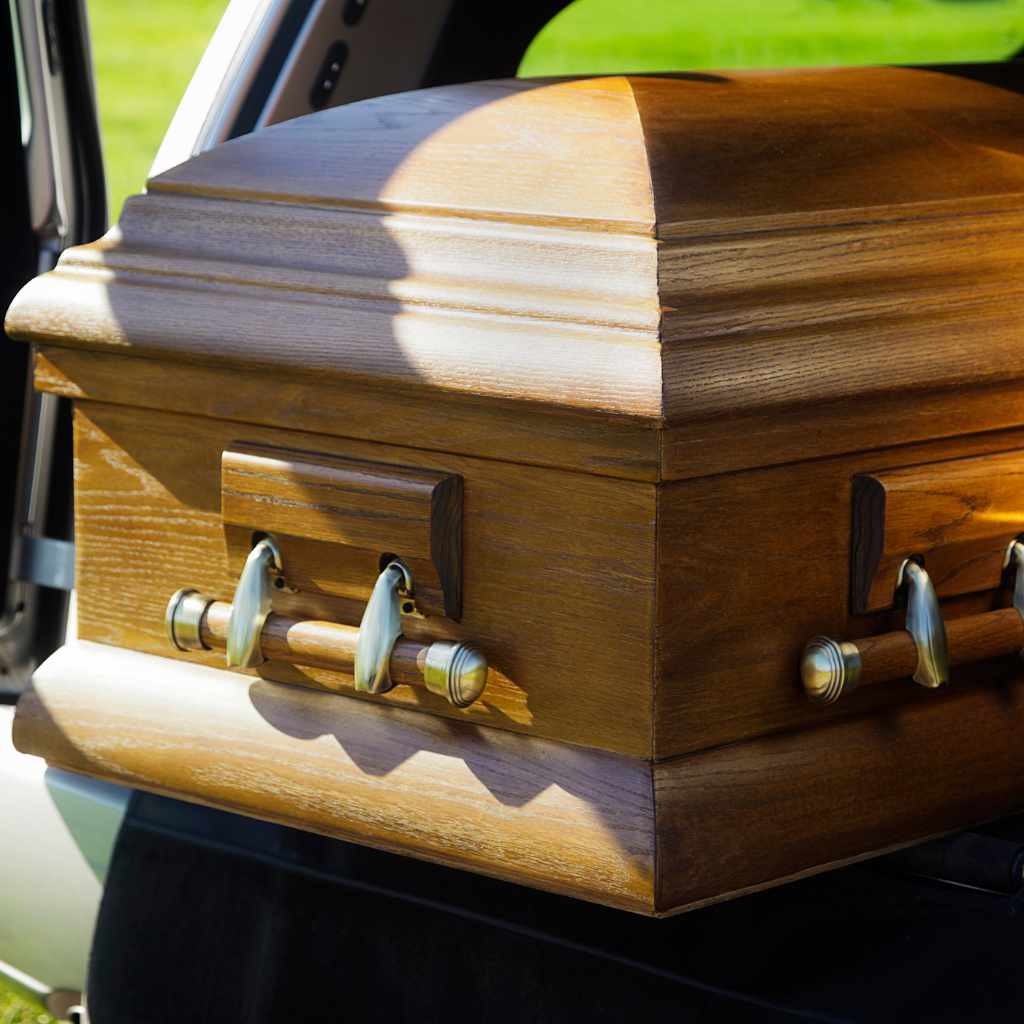
Wood caskets offer a more traditional and natural aesthetic. The type of wood used greatly influences the casket’s appearance, durability, and price. Common woods include pine, poplar, oak, maple, cherry, and mahogany.
Softwood Caskets
Softwoods like pine and poplar are generally more affordable options. Pine is known for its knotty, rustic appearance, while poplar can be painted or stained to achieve a variety of looks. Softwood caskets are lighter in weight and may not offer the same level of long-term protection as hardwoods or metal caskets.
They are a good choice for those seeking a natural look at a more accessible price point.
Hardwood Caskets
Hardwood caskets are a popular choice for their natural beauty and strength. Woods like oak, maple, cherry, and mahogany are denser and more durable than softwoods.
- Oak: Known for its prominent grain patterns and strength, oak caskets exude a classic and dignified presence.
- Maple: Maple offers a smoother, lighter-colored wood with a fine grain, providing a more subtle yet elegant appearance.
- Cherry: Cherry wood is prized for its rich reddish-brown color and smooth finish, often developing a deeper hue over time.
- Mahogany: Mahogany is considered one of the most luxurious and durable hardwoods, featuring a deep, lustrous reddish-brown color and a fine grain. It’s often associated with high-end caskets.
Hardwood caskets can be finished in various ways to enhance their natural grain and color. They are often selected for their aesthetic appeal and the comforting natural feel they provide.
Comparing Metal and Wood Caskets
When considering Metal vs Wood Casket: Choosing the Right Option, several key differences stand out. These can help guide your decision-making process.
| Feature | Metal Caskets | Wood Caskets |
|---|---|---|
| Durability | Generally high, especially stainless steel, bronze, and copper. Steel offers good protection. | Varies by wood type. Hardwoods are more durable than softwoods. |
| Protection | Often perceived as offering greater protection from the elements and for long-term preservation. | Natural material; can be affected by moisture and temperature over very long periods. |
| Appearance | Sleek, polished, modern. Wide range of colors and finishes. | Natural, warm, traditional. Emphasizes wood grain and texture. |
| Cost | Generally starts at a mid-range price point and goes up significantly for premium metals. | Can range from more affordable for softwoods to very high for premium hardwoods. |
| Weight | Can be heavy depending on the metal and gauge. | Varies; hardwoods are heavier than softwoods. |
| Environmental Impact | Manufactured materials; recycling is possible. | Natural, biodegradable material. Sourcing and finishing processes vary. |
Aesthetic Preferences
Your personal preference plays a significant role. Do you or your loved one prefer the clean, sophisticated look of polished metal, or the warm, natural beauty of wood grain? Metal caskets often have a more contemporary feel, with smooth, often brightly colored exteriors.
Wood caskets, on the other hand, showcase the unique patterns and textures of the wood itself, offering a classic and timeless appeal.
Budget Considerations
The cost of caskets can vary widely. Generally, basic steel caskets are among the more affordable options. As you move to higher gauges of steel, stainless steel, bronze, and copper, the price increases.
For wood caskets, softwoods like pine are often less expensive than hardwoods like oak, cherry, or mahogany. It’s important to discuss your budget with the funeral director to find options that fit your financial plan.
Durability and Protection Needs
If long-term preservation and protection are primary concerns, metal caskets, especially those made from stainless steel, bronze, or copper, are often favored. These materials are resistant to rust and corrosion, offering a robust barrier. Wood caskets, while beautiful, are natural materials that can be more susceptible to environmental factors over extended periods.
However, for standard burial times, most quality wood caskets provide adequate protection.
Customization Options
Both metal and wood caskets offer varying degrees of customization. Metal caskets can be found in a vast array of colors, finishes, and often come with decorative handles and corner pieces. Interior options, like linings and pillows, also provide personalization.
Wood caskets allow for customization through different wood types, stains, finishes, and interior fabrics. Some wood caskets can also feature carved details or unique designs, adding a personal touch.
Burial vs. Cremation Caskets
It’s important to note that the casket chosen for burial is different from what might be used for cremation. For cremation, an alternative container is typically used, which is simpler and less expensive. The discussion of Metal vs Wood Casket: Choosing the Right Option primarily applies to traditional burial services.
Making Your Choice
The decision between a metal and a wood casket is a personal one, influenced by many factors. There is no single “right” answer. The best choice is the one that feels most appropriate for your loved one’s wishes and your family’s needs.
Consider these points when making your selection:
- Reflect on any known preferences your loved one may have expressed regarding materials or styles.
- Discuss the available options and their features with the funeral director. They can provide detailed information about each casket’s construction, materials, and pricing.
- Think about your budget and what feels comfortable and appropriate for your family.
- Imagine the final resting place. Does the appearance of a metal or wood casket resonate more with the memory you wish to honor?
Ultimately, the casket is a vessel that serves a purpose in honoring a life. The most important aspect is that the choice brings comfort and peace to those making it.
Frequently Asked Questions
Question: What is the main difference between metal and wood caskets
Answer: Metal caskets are made from metals like steel, stainless steel, bronze, or copper, offering durability and a sleek finish. Wood caskets are made from various types of wood, providing a natural, traditional look and feel.
Question: Are metal caskets more durable than wood caskets
Answer: Generally, metal caskets, especially those made from stainless steel, bronze, and copper, are considered more durable and resistant to corrosion than most wood caskets. However, hardwoods are also very strong.
Question: Which type of casket is usually more expensive
Answer: The cost varies greatly by material quality and type. Premium metal caskets like bronze and copper, and high-end hardwoods like mahogany, are typically the most expensive. Basic steel and softwood caskets are generally more affordable.
Question: Can I choose a specific color for a metal casket
Answer: Yes, metal caskets come in a wide variety of colors and finishes, allowing for a great deal of personalization in terms of appearance.
Question: Is a casket for cremation the same as one for burial
Answer: No, for cremation, a simpler and less expensive cremation container is typically used, rather than a full casket intended for burial.
Final Thoughts
Deciding between a metal and wood casket is a significant step in funeral planning. You’ve learned about the distinct characteristics of each, from the protective strength of metal options like steel and stainless steel to the natural warmth of wood varieties like oak and cherry. We’ve seen how appearance, budget, and personal preference all play a part in this choice.
Whether you lean towards the sleek, enduring qualities of metal or the organic beauty of wood, the goal is to find a casket that honors your loved one. Take the time to consider what feels most fitting, and remember that your funeral director is there to help guide you through the selections available. The most important thing is making a choice that brings peace and remembrance.