Should I Buy a Stick Shift Car? My Journey and Tips for You
I still remember my first time driving a stick shift car. My dad’s old pickup truck stalled three times before I got it moving, but the thrill of shifting gears was worth it! If you’re wondering, should I buy a stick shift car, this article will help. I’ll share what stick shift cars are, their pros and cons, and easy tips to decide if one’s right for you. Whether you’re a beginner or a car lover, I’ll keep it simple and fun, like chatting with a friend.
What Is a Stick Shift Car?
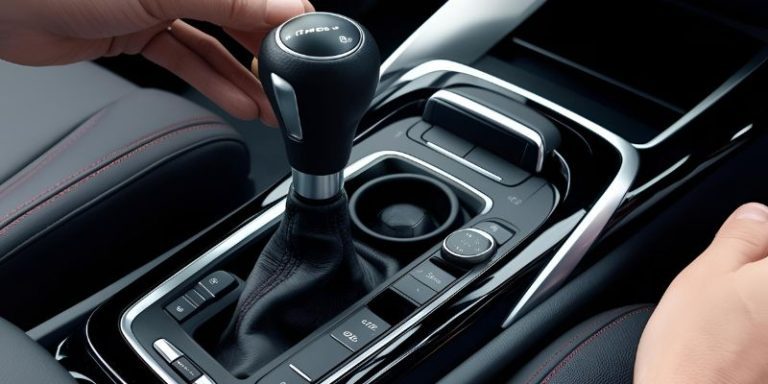
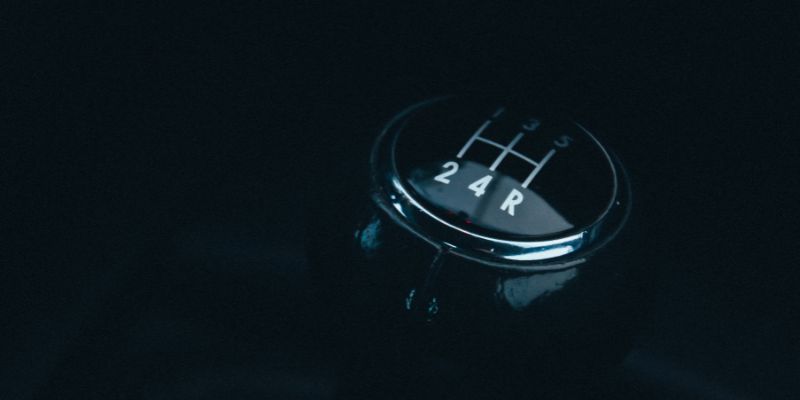
A stick shift car, also called a manual car, lets you control the gears. You use a clutch pedal and a gear stick to shift gears while driving. Unlike automatic cars, which shift gears for you, manuals need you to decide when to change gears. This makes driving more hands-on and exciting.
Stick shift cars have been around for ages. They’re common in sports cars, trucks, and older models. You’ll find them in brands like Honda, Toyota, and Ford. They’re fun but take practice to master.
Why Choose a Stick Shift Car?
Driving a manual car feels like a dance. You press the clutch, shift gears, and feel the car respond. Here’s why people love them:
- More control: You decide when to shift, giving you power over speed and performance.
- Fun to drive: Shifting gears feels sporty, especially on curvy roads.
- Saves money: Manuals often cost less to buy and fix than automatics.
But there are downsides. They’re harder to learn, and stop-and-go traffic can tire your leg. I once drove a manual in city traffic and my left leg ached from clutching!
Benefits of Driving a Stick Shift
Manual cars have unique perks. They connect you to the car in a special way. Here are some benefits:
- Better fuel economy: Manuals often use less gas than automatics. For example, a manual Honda Civic can get 36 MPG highway, per the EPA.
- Lower costs: Manual cars are usually $1,000-$2,000 cheaper than automatics, says Car and Driver.
- Engaging drive: You feel every gear change, making drives exciting.
- Theft deterrent: Thieves often don’t know how to drive stick shifts!
I love the control I get with a manual. On a road trip, shifting gears made winding roads a blast.
Drawbacks to Consider
Manuals aren’t perfect. They have challenges, especially for beginners. Here are some drawbacks:
- Learning curve: It takes time to master the clutch and gears. I stalled my car a lot at first!
- Traffic fatigue: Constant clutching in traffic can be exhausting.
- Fewer options: Only about 1% of new cars in the USA are manuals, says AAA.
- Resale value: Some buyers prefer automatics, so selling might be harder.
Once, I got stuck in a traffic jam with my manual car. My leg was sore, and I wished for an automatic!
How to Drive a Stick Shift Car
Learning to drive a manual is like riding a bike—it’s tricky but rewarding. Here’s a simple guide to get started:
- Find a quiet spot: Use an empty parking lot to practice.
- Press the clutch: Push the clutch pedal (leftmost pedal) all the way down.
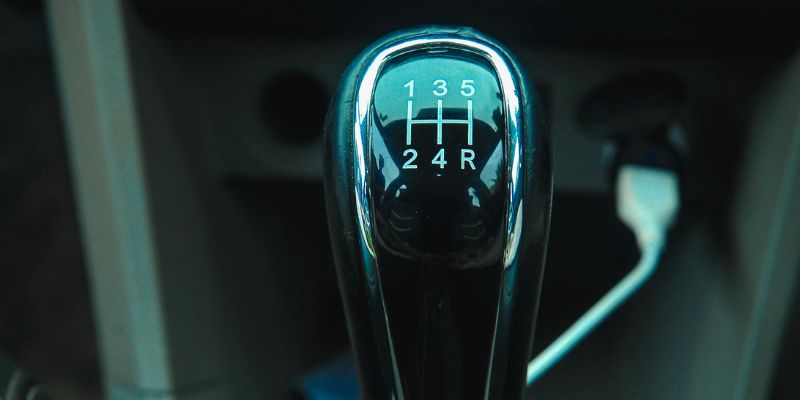
- Shift to first gear: Move the gear stick to the “1” position.
- Ease off the clutch: Slowly lift your foot while pressing the gas lightly.
- Shift gears: When the engine sounds loud (around 2,500 RPM), press the clutch, shift to the next gear, and release.
I practiced in a school lot on weekends. It took a week to feel confident. Visual idea: A diagram of a clutch pedal and gear stick layout would help here.
Comparing Stick Shift and Automatic Cars
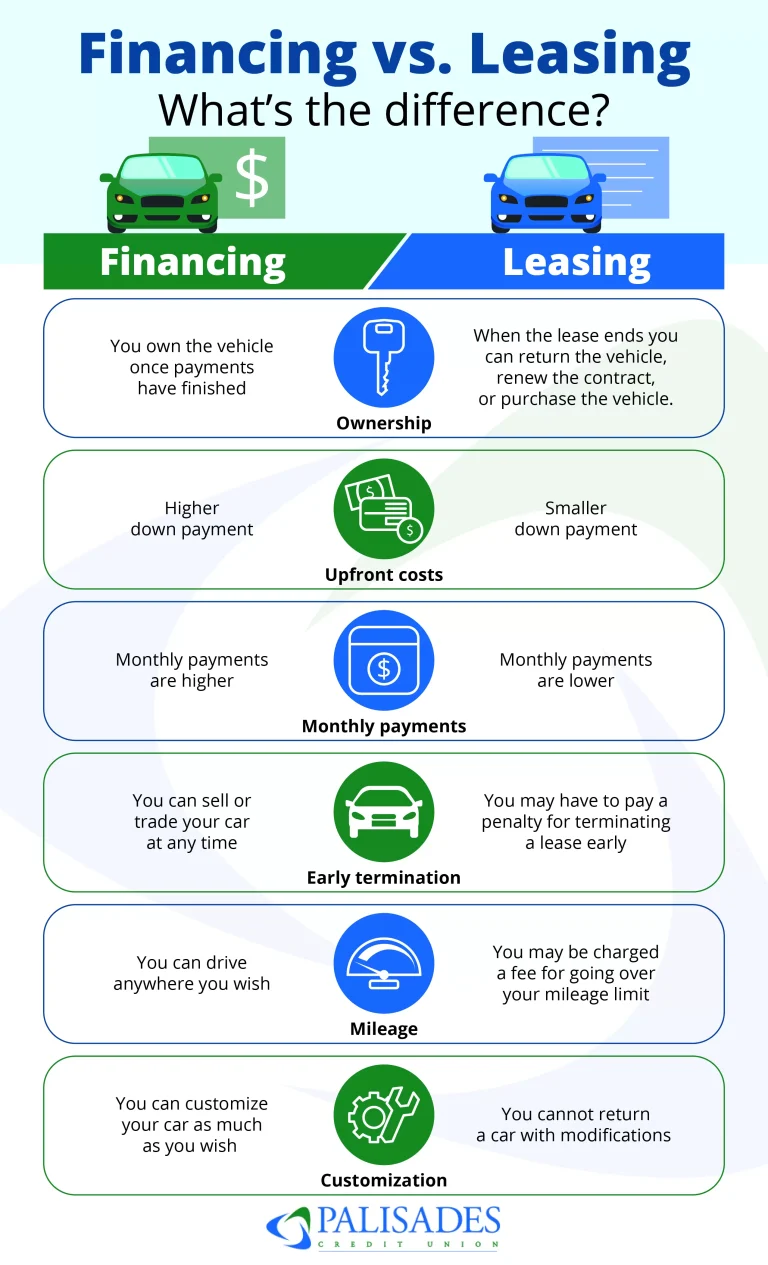
Choosing between a manual and automatic car depends on your needs. Here’s a table to compare them:
| Feature | Stick Shift | Automatic |
|---|---|---|
| Cost | Cheaper to buy ($1,000-$2,000 less) | More expensive |
| Fuel Economy | Often better (e.g., 36 MPG) | Slightly lower (e.g., 33 MPG) |
| Ease of Use | Harder to learn | Easy for beginners |
| Driving Fun | Very engaging | Less interactive |
| Maintenance | Lower repair costs | Higher repair costs |
Caption: Comparing stick shift and automatic cars for new drivers.
This table shows manuals save money but need more skill. Automatics are easier but cost more.
Costs of Owning a Stick Shift Car
Owning a manual car can save money, but there are costs to know. Here’s a breakdown:
| Item | Cost | Notes |
|---|---|---|
| Purchase Price | $20,000-$30,000 | Manuals are cheaper than automatics. |
| Clutch Replacement | $500-$1,500 | Needed every 50,000-100,000 miles. |
| Fuel | $1,500/year (avg.) | Better MPG saves money. |
| Insurance | $1,000-$2,000/year | Similar to automatics. |
Caption: Typical costs for owning a stick shift car in the USA.
I saved about $1,200 when I bought my manual Mazda3 compared to the automatic version. Visual idea: A chart showing cost savings over five years would be clear.
Tips for Buying a Stick Shift Car
Here are my top tips for choosing a manual car:
- Test drive first: Try shifting gears to see if it feels right.
- Check availability: Look for brands like Honda, Toyota, or Subaru, as manuals are rare.
- Learn maintenance: Clutches wear out, so budget for repairs every few years.
- Practice patience: It takes time to get smooth at shifting.
I test-drove a manual Subaru before buying. It helped me feel confident. A trusted site like Kelley Blue Book can show you available models.
Common Mistakes to Avoid
New drivers make mistakes with manuals. Here’s what to watch for:
- Releasing the clutch too fast: This causes stalling. Go slow!
- Wrong gear choice: Shifting to third instead of first is common. Double-check.
- Ignoring the clutch: Don’t rest your foot on the pedal—it wears it out.
I once shifted to fifth instead of third and the car jerked. Practice fixed it!
Alternatives to Stick Shift Cars
If manuals sound tough, consider these options:
- Automatic cars: Easier to drive, great for city traffic.
- CVT transmissions: Smooth but less engaging, found in many Nissans.
- Dual-clutch automatics: Sporty like manuals but shift automatically, common in VW models.
I tried a dual-clutch VW GTI, and it felt sporty without the clutch work. Visual idea: A diagram comparing manual, automatic, and CVT gear systems would clarify differences.
Safety Tips for Driving a Manual
Driving a stick shift is safe if you follow these tips:
- Focus on the road: Shifting takes attention, so avoid distractions.
- Practice hill starts: Use the handbrake to avoid rolling back.
- Check your mirrors: Be aware of traffic while shifting.
I learned hill starts in a parking garage. It saved me from rolling into cars behind me. AAA has great safety tips for new drivers.
Why I Love My Stick Shift Car
My manual car makes every drive fun. I feel like a race car driver on open roads. It’s cheaper to maintain, and I’ve saved on gas. But it’s not for everyone. If you love control and don’t mind practicing, a stick shift might be your dream car. If traffic stresses you out, an automatic could be better.
Conclusion
Stick shift cars are fun, affordable, and give you control. They’re harder to learn but rewarding. You’ll save money on gas and repairs, but traffic can be tiring. Try a test drive to see if it’s for you. I hope my story and tips help you decide. Share your thoughts or test-drive stories in the comments! Let’s keep the manual love alive!
Frequently Asked Questions
Should I Buy a Stick Shift Car?
It depends on your needs. Stick shifts are fun, save money, and give control. They’re great for car lovers but tough in traffic. If you enjoy driving and can practice, a manual is a great choice. Test drive one to decide.
Is It Hard to Learn a Stick Shift?
Yes, it takes practice. You’ll stall a few times, but most people learn in a week or two. Start in a parking lot and go slow. I stalled a lot but got smooth with practice.
Are Stick Shift Cars Cheaper?
Yes, manuals cost $1,000-$2,000 less than automatics. They also save on gas and repairs. For example, a manual Toyota Corolla is cheaper than its automatic version, per Car and Driver.
Do Stick Shift Cars Get Better Gas Mileage?
Often, yes. Manuals can get 2-5 MPG more than automatics. The EPA says a manual Honda Civic gets 36 MPG highway, compared to 33 MPG for an automatic.
Are Stick Shift Cars Safe?
Yes, if you drive carefully. Shifting takes focus, so avoid distractions. Practice hill starts to prevent rolling back. AAA suggests keeping your eyes on the road while shifting.
Can I Drive a Stick Shift in Traffic?
Yes, but it’s tiring. Constant clutching in stop-and-go traffic can strain your leg. I found city driving tough at first. If you’re in a busy area, an automatic might be easier.
Where Can I Find Stick Shift Cars?
Check brands like Honda, Toyota, Subaru, or Mazda. Dealerships and sites like Kelley Blue Book list manuals. Only 1% of new cars are manuals, so call ahead to confirm.