What Size Wiper Blades Do I Need for My Car? (Sizes by Model)
Most cars use a longer driver-side wiper blade (roughly 20 to 28 inches) and a shorter passenger-side blade (2 to 6 inches shorter), plus a separate 10 to 16-inch blade if there’s a rear wiper. The exact sizes for your car are printed in your owner’s manual, stamped on the back of your current blades, or available through a free lookup tool at any auto parts retailer.
Getting the size wrong isn’t a small mistake. A blade that’s too short leaves gaps in your wipe pattern. One that’s too long can overhang the windshield frame or bang into the opposite wiper mid-stroke. Below is exactly how to find your car’s real sizes, how to measure them yourself in under five minutes, and sizes for a few of the most common vehicles on the road.
Why the Right Wiper Blade Size Matters
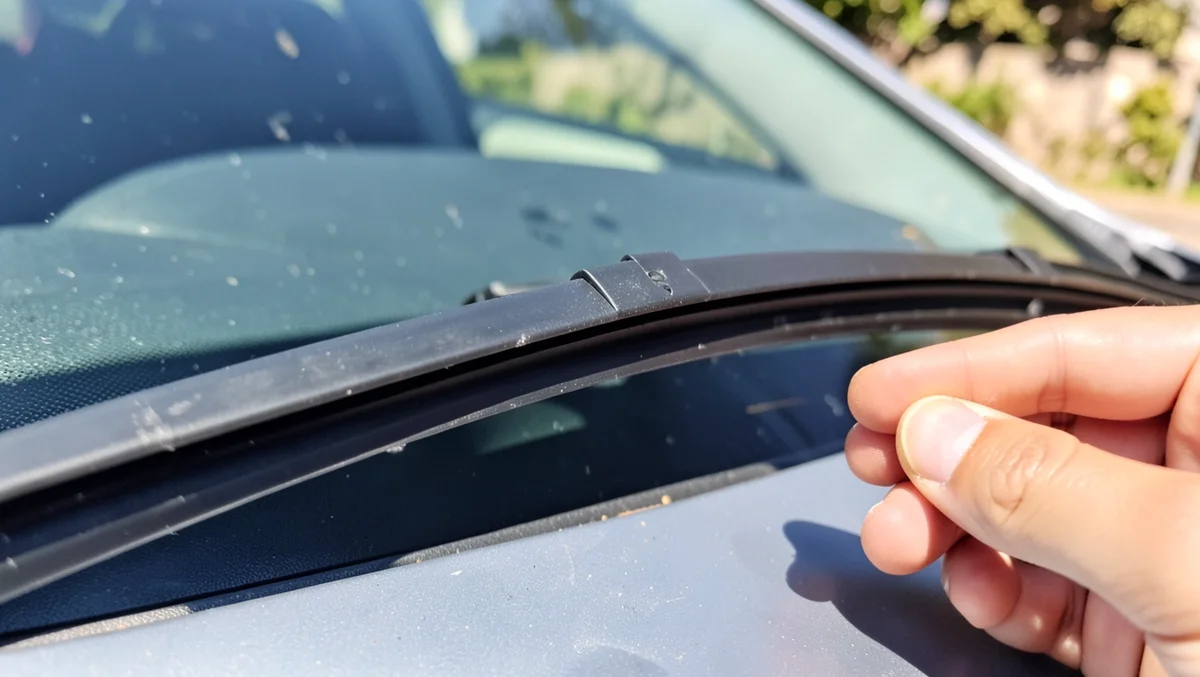
Wiper blades are sized to match the curve and width of your specific windshield, not just “long enough to cover it.” A blade that’s too small misses the outer edges of the glass, leaving triangular blind spots exactly where you need to see cross-traffic or a merging car. A blade that’s too large can overhang the edge of the windshield, catch wind at highway speed, or collide with the other wiper arm partway through its stroke.
Most vehicles actually need three different measurements: driver side, passenger side, and — on hatchbacks, SUVs, and many sedans — a separate rear wiper. The driver-side blade is almost always the longest of the three, since it has to clear the largest section of glass directly in the driver’s line of sight.
BEST BEAM-STYLE UPGRADE (22-INCH)
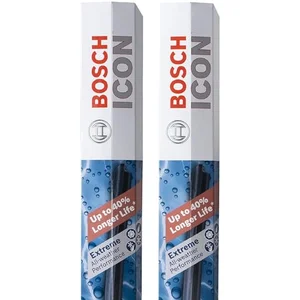 |
Bosch ICON 22A22B Beam Wiper Blades (Set of 2, 22″) – $52.99 Once you’ve confirmed your exact size, a beam-style blade like this one holds a tighter, more even seal across curved glass than an older framed design.
|
How to Find Your Car’s Exact Wiper Blade Size
There are three reliable ways to get the correct size, and you don’t need to guess between them — just use whichever is fastest for you.
- Check your owner’s manual. Look in the index under “windshield wipers” or “maintenance.” Most manuals list the exact driver, passenger, and (if equipped) rear blade sizes in inches.
- Read your current blade. Flip your existing wiper blade over and look along the plastic backbone or the connector near the arm — the length is usually printed there as a number like “22” or “24.”
- Use a retailer’s lookup tool. Sites like AutoZone, O’Reilly, and Advance Auto Parts let you enter your car’s year, make, and model and instantly return the correct sizes for both blades and any rear wiper.
If your current blades are too worn or damaged to read, or you’d rather not rely on an online tool, measuring them yourself with a tape measure takes less than five minutes — here’s exactly how.
How to Measure Your Wiper Blades Yourself
- Turn off your car and make sure the wipers are in the resting (down) position.
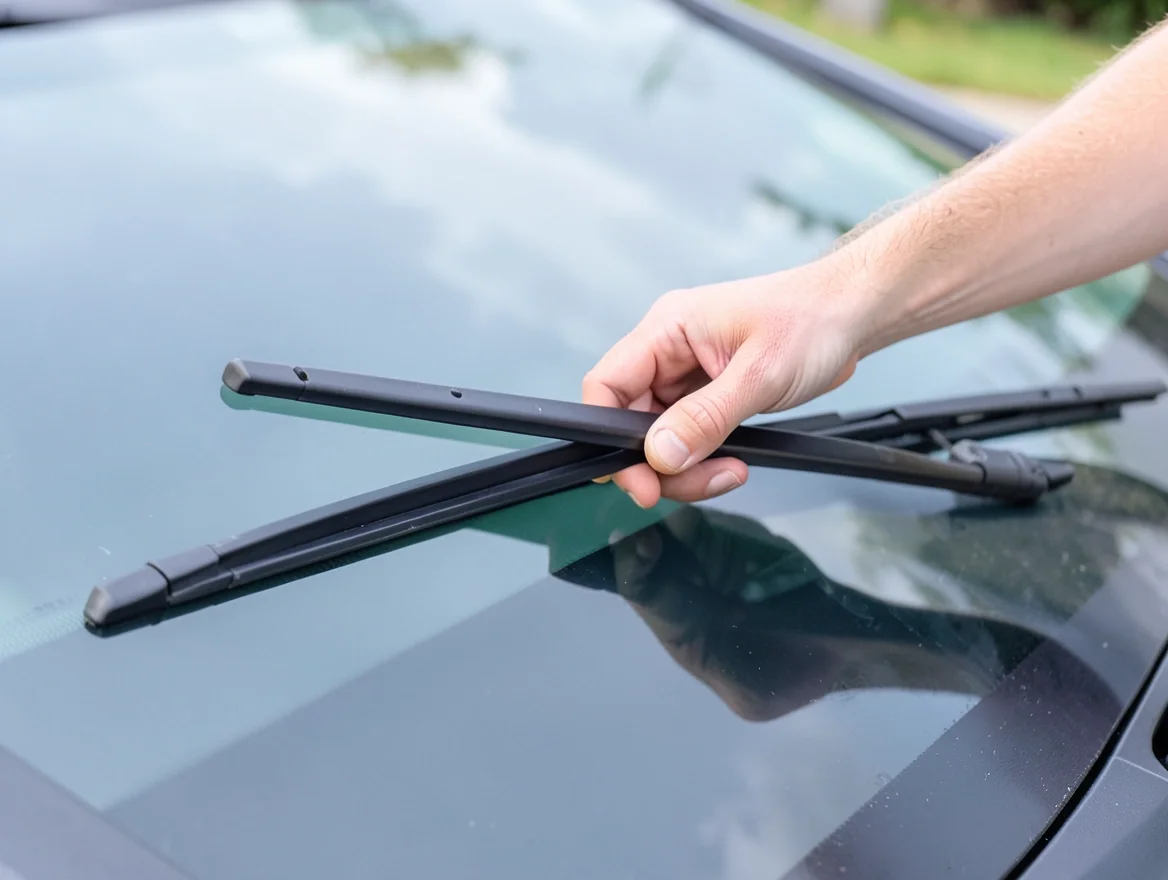
- Gently lift the wiper arm away from the windshield until it locks upright, then lift the blade itself away from the arm slightly so you can see its full length.
- Lay a tape measure or ruler flat along the rubber strip, from tip to tip, not including the plastic connector that attaches to the arm.
- Round to the nearest whole inch — wiper blades are sold in standard 1-inch increments (18″, 20″, 22″, 24″, 26″, 28″, etc.), so a blade that measures 21.5 inches is a 22-inch size.
- Repeat on the other side, since the passenger blade is almost always a different size. If your car has a rear wiper, measure that one separately too.
Wiper Blade Sizes for Popular Vehicles
These are the sizes most commonly listed for recent model years of a few high-volume vehicles, as a starting point. Wiper sizes can change between model-year redesigns, so always confirm your exact year against your manual or a retailer’s lookup tool before buying.
| Vehicle | Driver Side | Passenger Side |
|---|---|---|
| Toyota Camry (2018–2024) | 26″ | 20″ |
| Toyota RAV4 (recent) | 26″ | 16″ |
| Honda Accord (2018–2022) | 26″ | 16″ |
| Honda CR-V (recent) | 24″ | 19″ |
| Ford F-150 | 22″ | 22″ |
| Chevrolet Silverado | 22″ | 21″ |
Notice how much these vary even among popular models — the F-150 uses matching 22-inch blades on both sides, while the RAV4 pairs a 26-inch driver blade with a much shorter 16-inch passenger blade. That’s exactly why “close enough” sizing causes problems: there’s no universal size that fits most cars well.
Conventional, Beam, and Hybrid Wiper Blades
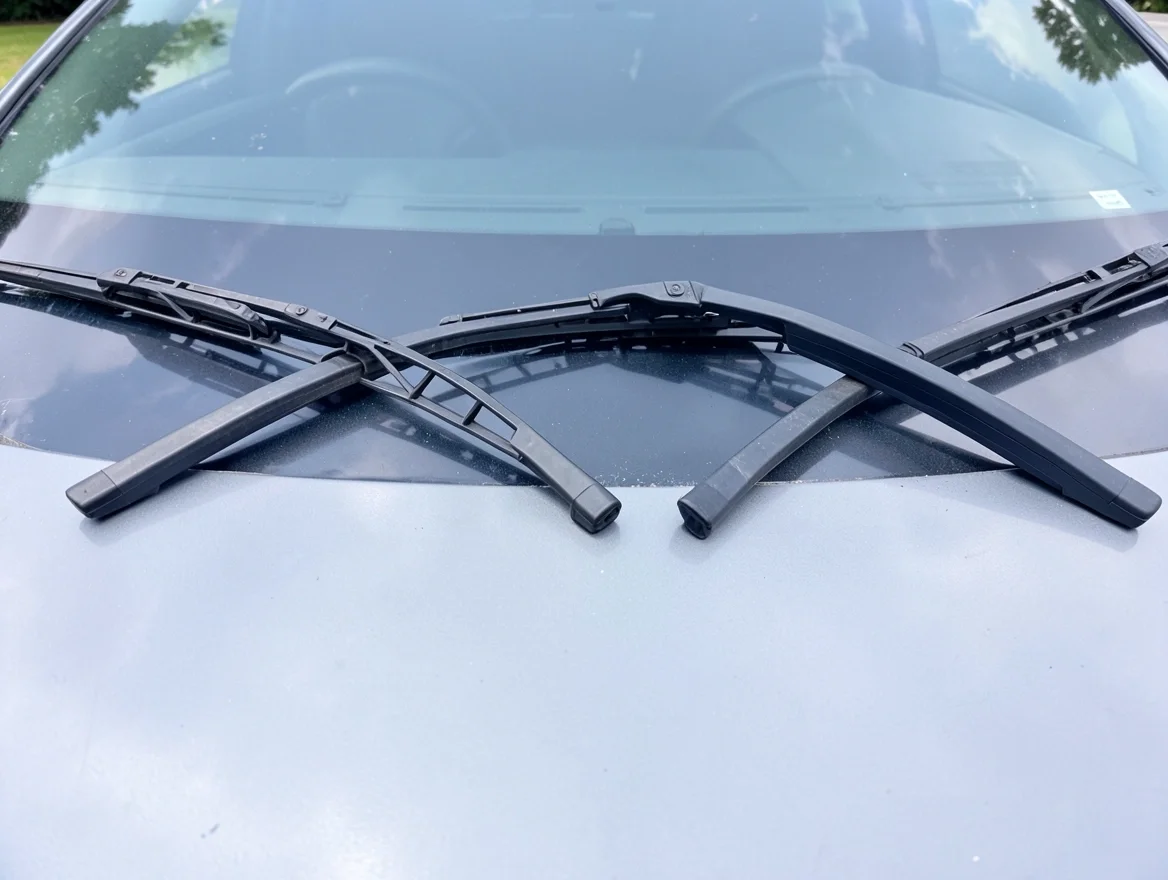
Size isn’t the only thing that varies — the design does too, and it affects both fit and how the blade performs.
- Conventional blades use a jointed metal frame with several pressure points holding a rubber strip. They’re the cheapest and most widely available option, and they work fine for most cars, but the frame can ice up in winter and tends to wear faster than newer designs.
- Beam blades are a single curved piece of rubber with no exposed metal frame. A built-in spring keeps even pressure across the whole blade, which hugs curved windshields more closely and sheds ice better. They typically cost more but last longer.
- Hybrid blades combine a conventional frame on the inside with an aerodynamic beam-style cover on the outside. They aim for beam-like wind resistance and a cleaner look while keeping the lower cost of a framed design — a middle ground worth checking if your car came with one from the factory.
All three styles come in the same standard length increments, so the design you choose doesn’t change which size you need — only how that size fits and performs.
Signs Your Wiper Blades Need Replacing
Even the correct size will wear out eventually. Watch for these signs regardless of how long it’s been since your last replacement:
- Streaking or smearing instead of a clean wipe
- Skipping, chattering, or squeaking across the glass
- Visible cracks, splits, or chunks missing from the rubber edge
- A bent or warped metal frame (on conventional blades)
- Areas of the windshield the blade leaves untouched
Most manufacturers recommend replacing wiper blades every 6 to 12 months, but that’s a general guideline, not a hard rule. Hot, sunny climates and road salt both accelerate rubber breakdown, so a blade that lasts a year in a mild climate might only last four to six months somewhere with harsh winters or intense UV exposure. If you’re noticing wear before six months, replace it — don’t wait out the calendar.
How to Install New Wiper Blades
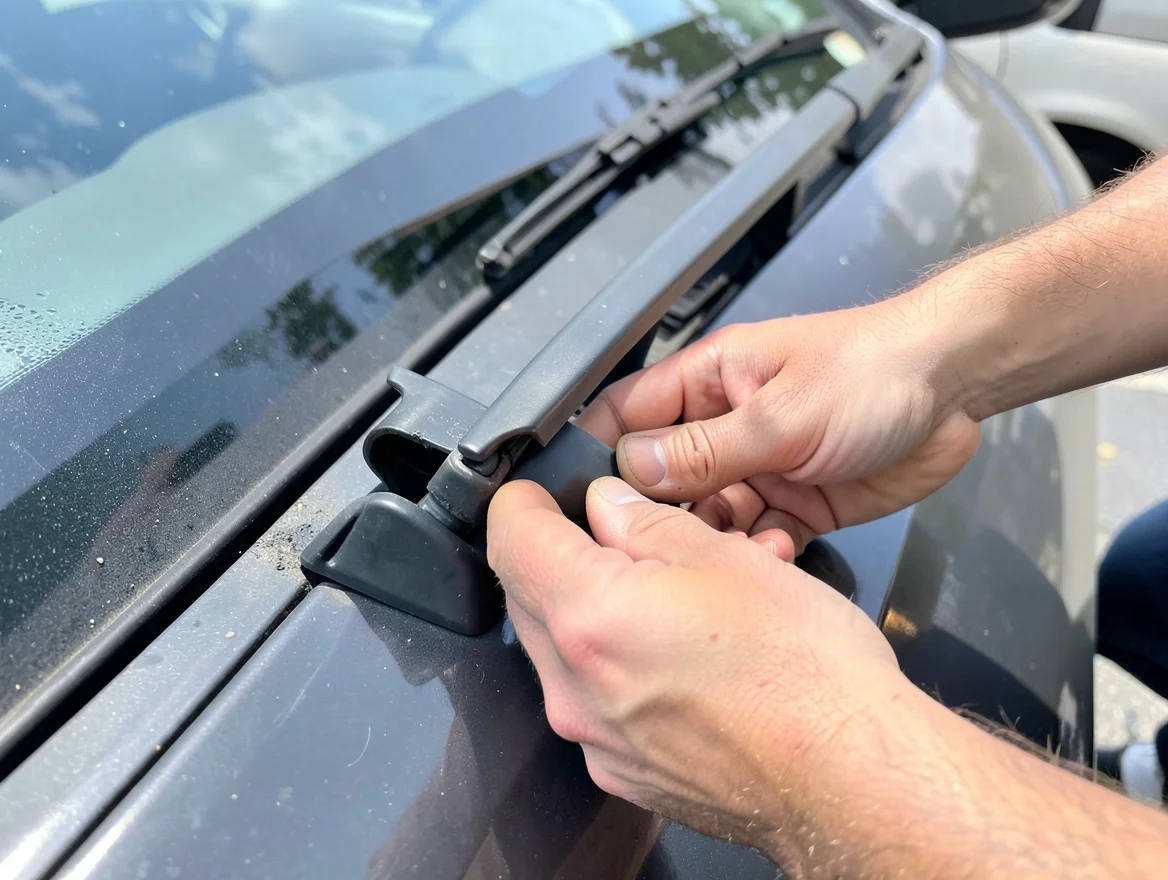
- Confirm the new blades match the sizes you found or measured — don’t open the packaging until you’ve double-checked driver, passenger, and rear (if applicable).
- Lift the wiper arm away from the windshield until it locks upright. Never let it snap back against bare glass.
- Press the small release tab where the old blade meets the arm, then slide the blade off.
- Align the new blade’s connector with the arm’s hook and slide it on until you hear or feel it click into place.
- Gently lower the arm back down, then repeat on the other side.
- Turn on the wipers with washer fluid running to confirm a full, even wipe with no streaking or skipped spots.
Caring for Your Wiper Blades
Wiping the rubber edge with a damp cloth or a little glass cleaner every few weeks removes the dirt and road grime that cause streaking, and it’s the single easiest way to stretch a blade’s life. Avoid harsh solvents, which can dry out and crack the rubber faster. In freezing weather, lift your blades away from the glass before a hard freeze or ice storm so they don’t get frozen to the windshield — running frozen wipers can tear the rubber or strain the wiper motor.
Frequently Asked Questions
How Do I Know What Size Wiper Blades I Need?
Check your owner’s manual, read the size printed on your current blade, or use a free online wiper-finder tool from an auto parts retailer by entering your car’s year, make, and model. If you can’t access any of those, measuring your current blades with a tape measure works just as well.
Are the Driver and Passenger Side Wiper Blades the Same Size?
Usually not. On most vehicles the driver-side blade is 2 to 6 inches longer than the passenger-side blade, since it has to clear a larger area of glass directly in the driver’s sightline. A small number of models, mostly trucks, use matching sizes on both sides — always check both rather than assuming.
Can I Use a 24-Inch Wiper Blade Instead of a 26-Inch?
It’s not recommended. A shorter blade leaves part of the windshield’s wipe arc uncovered, which creates a blind strip right where you need visibility. It may also not clip onto the arm securely if the connector is designed for a specific length range. Always use the size your manual or measurement calls for.
What Is a Hybrid Wiper Blade?
A hybrid wiper blade combines a conventional metal frame on the inside with an aerodynamic beam-style plastic cover on the outside. It’s designed to give some of the wind resistance and clean profile of a beam blade while keeping the lower manufacturing cost of a framed design. Many newer cars come with hybrid blades from the factory.
Do I Need a Different Size for My Rear Wiper?
Yes, if your car has one. Rear wipers are almost always shorter than either front blade, typically 10 to 16 inches, since they only need to clear the smaller rear window. Measure or look it up separately — it’s not the same size as your passenger-side front blade.
How Often Should I Replace My Wiper Blades?
Most manufacturers suggest every 6 to 12 months, but climate matters more than the calendar. Intense sun and heat or road salt and ice can wear blades out in as little as four to six months. Replace them as soon as you notice streaking, skipping, or cracked rubber, regardless of how long it’s been.
Conclusion
Finding the right wiper blade size takes a few minutes: check your manual, read the old blade, or measure it yourself, and remember that most cars need three different sizes across the driver, passenger, and rear positions. If you’re also dealing with other visibility issues like a fogged-up rear camera, it’s worth checking those at the same time you replace your wipers. For a broader rundown on picking the right wipers for your specific vehicle, our guide to finding wipers that fit your car covers additional lookup methods.
Products related to this article
Sponsored / affiliate links. As an Amazon Associate I earn from qualifying purchases. I may earn additional commission from eligible campaigns.