What Car Colors Do Young Buyers Prefer Most
Figuring out what car colors young people like best can be tricky. Many people wonder about this when buying a car or even thinking about car trends. It seems like a simple question, but the answer isn’t always obvious for folks just starting out.
Don’t worry, though! We’ll walk through this step by step in a way that’s super easy to follow. Get ready to learn about the colors that catch the eyes of younger car shoppers.
Popular Car Colors For Young Drivers
This section looks at the most liked car colors among younger car buyers. We will explore why these colors are winners and what makes them stand out in a crowded market. Understanding these choices helps paint a picture of current automotive preferences.
The Reign of Neutral Tones
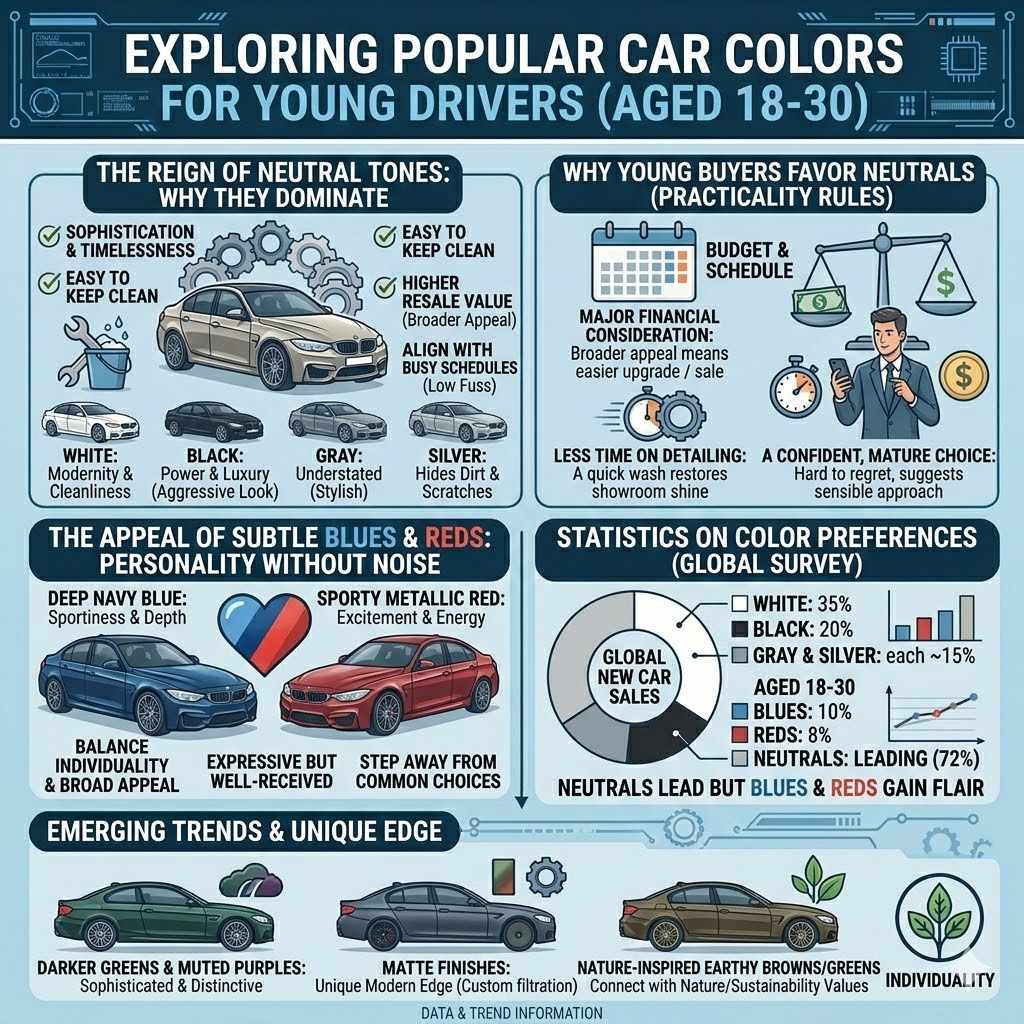
Neutral colors like white, black, gray, and silver are consistently popular choices for cars across all age groups. For young buyers, these colors offer a sense of sophistication and timelessness. They are easy to keep clean and tend to hold their value better than more vibrant shades.
This practicality appeals to those who want a car that looks good with minimal fuss. White, in particular, is often seen as a symbol of cleanliness and modernity.
Black cars exude a sense of power and luxury. They can make a car look sleeker and more aggressive. Gray offers a modern, understated look that’s less common than black or white but still very stylish.
Silver cars are known for their ability to hide minor scratches and dirt, making them a practical choice for daily driving.
These neutral options provide a solid foundation for personal expression through other means, such as accessories or custom interior touches. They also tend to be more readily available from dealerships, which can be a big plus for buyers eager to get behind the wheel.
Why Young Buyers Favor Neutrals
Young buyers often consider resale value. Neutral colors typically have a broader appeal, making them easier to sell when it’s time for an upgrade. This financial consideration plays a significant role in their decision-making process.
Beyond practicality, these colors can also be seen as more mature and less flashy, aligning with a desire to make a good impression.
The ease of maintenance is another huge draw. Young drivers might have busy schedules, and spending less time worrying about keeping their car pristine is appealing. A quick wash can often bring a neutral-colored car back to its showroom shine.
This saves time and money on detailing services.
There’s also a certain confidence that comes with owning a car in a classic, understated color. It suggests a sensible approach to purchasing a major asset. It’s a choice that’s often hard to regret, unlike a bolder color that might fade from favor over time.
The Appeal of Subtle Blues and Reds
While neutrals dominate, certain shades of blue and red also capture the attention of young car enthusiasts. These colors offer a bit more personality without being overly loud. They strike a balance between individuality and broad appeal.
A deep navy blue can convey a sense of sportiness and depth, while a metallic blue might catch the light in an attractive way.
Red, especially a sportier shade, is often associated with excitement and energy. It’s a color that can make a car stand out from the crowd, signaling a bolder personality. However, young buyers often opt for more muted or metallic versions of these colors, which can appear more sophisticated and less garish than bright, primary shades.
These colors allow young buyers to express their style while still making a purchase that is likely to be well-received by a wider audience. They represent a step away from the most common choices, offering a touch of uniqueness.
Statistics on Color Preferences
According to a recent survey, white remains the top car color globally, accounting for about 35% of all new car sales. Black follows at around 20%, with gray and silver each taking about 15%. This trend holds true for younger demographics as well, though with a slightly higher interest in blues and reds.
Specifically for buyers aged 18-30, studies show that while neutrals still lead, shades of blue make up about 10% of their preferred choices. Reds come in at around 8%. These figures highlight that while classic colors are safe bets, a growing segment of young buyers is seeking colors that offer a bit more flair.
Emerging Trends in Young Buyer Color Choices
Beyond the established favorites, there are some interesting trends emerging among younger car buyers. We are seeing a growing appreciation for darker greens and even some muted purples. These colors offer a sophisticated and distinctive look that stands out from the usual white and black cars on the road.
Matte finishes are also gaining traction. While not a color in itself, a matte version of a popular color can give a car a unique, modern edge. This trend is particularly popular in the custom car scene, but it is slowly filtering into mainstream choices.
It suggests a desire for individuality and a departure from the standard glossy finish.
Furthermore, some buyers are looking at colors that are environmentally friendly or associated with nature. This could include earthy browns or soft, nature-inspired greens. This reflects a broader shift in consumer values, where sustainability and connection to the natural world are becoming more important.
Factors Influencing Young Buyers’ Color Decisions
What car colors do young buyers prefer most? The answer isn’t just about looks. Several other important factors come into play when a young person chooses the color of their next car.
These elements shape their preferences and guide their final decision.
Resale Value and Investment
For many young buyers, a car is a significant investment. They are often more budget-conscious and think about the long-term value of their purchase. This means that colors that are popular and in demand tend to be favored because they are expected to have a better resale value when it’s time to sell or trade in the vehicle.
A car in a neutral color like white, black, or silver is generally easier to sell. This is because these colors appeal to a wider range of potential buyers. If a young person plans to upgrade their car in a few years, choosing a color with strong resale potential makes good financial sense.
It’s a practical consideration that outweighs personal preference for some.
Conversely, very unique or trendy colors might be highly desirable to a small group but could be a deterrent to a larger market. This makes them riskier from an investment perspective. Therefore, young buyers often play it safe with colors that are known to hold their value well over time.
This strategy ensures they get the most back when they eventually part with their car.
Influence of Social Media and Trends
Social media plays a huge role in shaping trends for young people, and car colors are no exception. Platforms like Instagram, TikTok, and YouTube showcase the latest car designs, celebrity rides, and popular custom jobs. This constant visual exposure can significantly influence what colors young buyers consider fashionable and desirable.
Seeing popular influencers or celebrities driving cars in certain colors can create a desire for those same shades. This is especially true for bolder colors or unique finishes that are featured prominently in online content. The desire to emulate admired figures or to be seen as trendy can drive color choices.
Moreover, online car communities and forums often discuss car colors and their perceived appeal. Young buyers actively participate in these discussions, sharing their opinions and learning from others. This collective influence helps to establish certain colors as ‘cool’ or ‘in demand’ within their peer groups.
The rapid pace of online trends means that color preferences can shift quickly. What is popular today might be considered outdated tomorrow. This makes young buyers more adaptable and open to new color ideas, but also means they are heavily influenced by what is currently trending online.
Practicality and Maintenance
When asked, “What car colors do young buyers prefer most?”, practicality often surfaces as a key factor. For many young people, maintaining a car can be a challenge due to time constraints or budget. Colors that hide dirt and minor imperfections are therefore highly sought after.
Light-colored cars, such as silver or light gray, are excellent at camouflaging dust and light road grime. This means they can look clean for longer periods between washes, reducing the need for frequent detailing. White cars also tend to show dirt less than darker colors, especially in dusty environments.
Darker colors, particularly black, can look stunning when perfectly clean. However, they are notorious for showing every speck of dust, swirl mark, and scratch. This requires a significant amount of upkeep to maintain their pristine appearance.
For a busy young car owner, this can be a daunting task.
Beyond dirt, some colors are more prone to showing minor damage like stone chips or scuffs. Metallic finishes can sometimes help to mask these imperfections better than solid colors. Ultimately, the ease of keeping a car looking good is a major practical consideration for many young buyers.
Personal Expression and Individuality
While practicality and resale value are important, young buyers also want their car to reflect their personality. They see their vehicle as an extension of themselves and a way to express their individuality. This desire for personal expression can lead them to consider colors beyond the most common neutrals.
A unique color choice can make a car stand out in a parking lot and can be a conversation starter. It’s a way for a young person to signal their taste, their mood, or their interests. For example, a bright, energetic color might appeal to someone with a vibrant personality, while a more subdued, sophisticated color might suit someone who prefers to make a quieter statement.
This doesn’t always mean choosing the most outlandish color. It can be as simple as opting for a deep, rich blue instead of black, or a cool, modern gray instead of silver. It’s about selecting a color that feels right to them and sets their car apart from the sea of identical vehicles on the road.
This personal touch adds a layer of enjoyment to car ownership.
Understanding the Psychology Behind Color Choices
The colors we choose for our cars are not random. They are often influenced by deep-seated psychological associations and cultural meanings. When considering “What car colors do young buyers prefer most?”, it’s helpful to understand the emotions and perceptions linked to different shades.
Color Associations and Perceptions
Different colors evoke distinct feelings and ideas. White is often associated with purity, simplicity, and modernity. It can make a car appear clean and sophisticated, which is why it’s a perennial favorite across all demographics.
Black, on the other hand, is linked to power, elegance, and authority. A black car can project an image of success and luxury. It’s a classic choice that conveys a sense of timeless style and seriousness.
Gray and silver are perceived as practical, balanced, and neutral. They offer a sense of stability and modernity without being overly attention-grabbing. These colors are often seen as sleek and contemporary.
Blue colors can represent calmness, trust, and reliability. Deeper blues often convey a sense of sophistication, while lighter blues might suggest a more relaxed or sporty vibe. Red is widely associated with passion, energy, and excitement.
It’s a bold color that often signals a driver who is confident and perhaps a bit daring.
Cultural Influences on Color Preference
Cultural backgrounds can also play a significant role in color preferences. In some cultures, certain colors are considered lucky or unlucky, which can influence purchasing decisions. For instance, red is a very auspicious color in many East Asian cultures, often used in celebrations and significant events.
The perception of colors can also be shaped by fashion trends and mainstream media within a particular region. What is considered stylish in one country might be less popular in another. This is why car manufacturers often offer different color palettes in different markets to cater to local tastes and preferences.
For young buyers, who are increasingly connected globally through the internet, influences can come from anywhere. They might be inspired by car styles seen in K-dramas, Japanese car culture, or American car shows. This global exposure can lead to a more diverse range of color preferences, blending traditional associations with modern, international trends.
The Role of Emotional Connection
Choosing a car color can also be a very emotional decision. People often gravitate towards colors that make them feel good, energized, or confident. The color of a car can affect the driver’s mood and how they perceive themselves and their vehicle.
For example, someone who feels adventurous might choose a sportier color like red or a vibrant blue to match their energetic personality. Someone who desires a sense of calm and control might opt for a deep, tranquil blue or a sophisticated gray. This emotional connection is a powerful driver of color choice, even if it’s not always consciously recognized.
A car is a significant purchase, and the color contributes to the overall ownership experience. A color that resonates emotionally can make the car feel more like a personal possession, enhancing pride and satisfaction. It’s about finding a shade that not only looks good but also feels right on a deeper level.
The Future of Car Color Preferences
Looking ahead, several factors suggest that the landscape of car color preferences might continue to shift. As technology advances and societal values evolve, so too will the choices made by consumers, including young buyers.
Technological Advancements in Paint
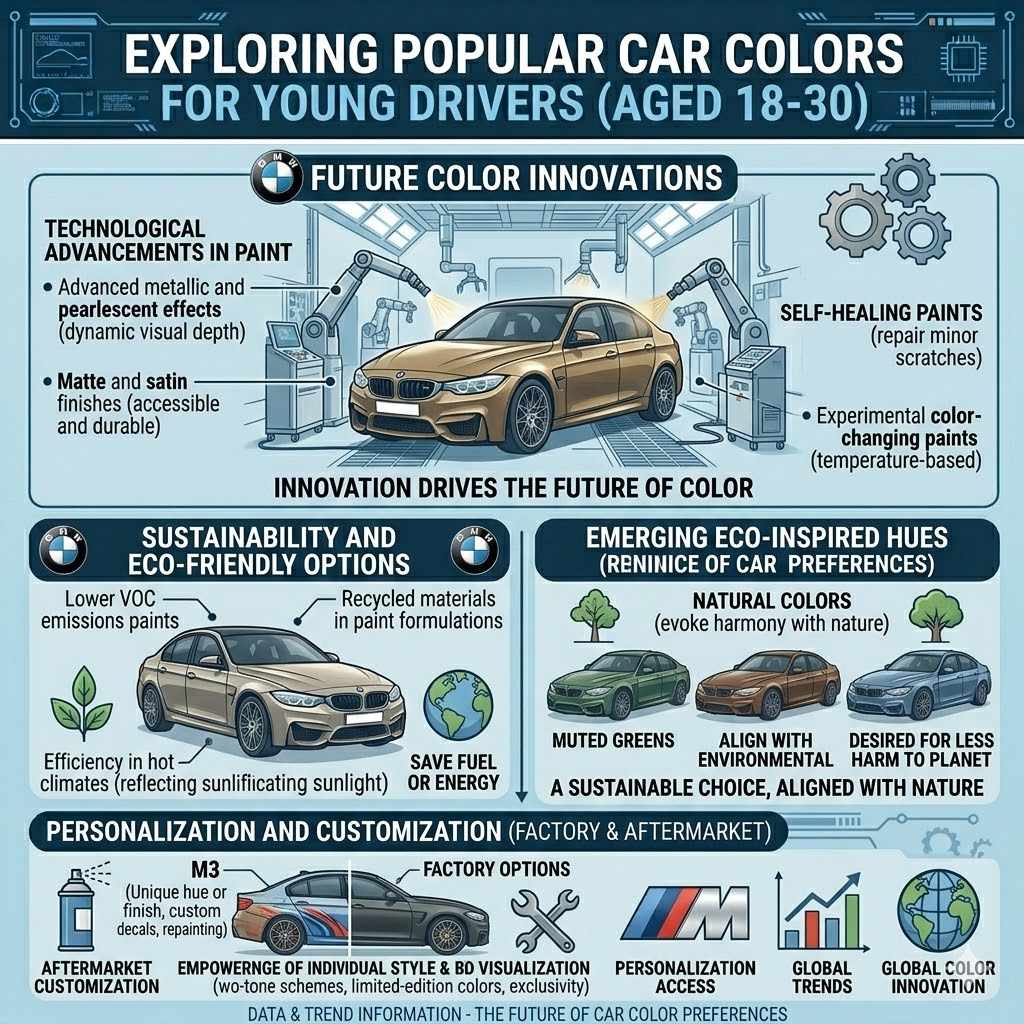
Car paint technology is constantly improving, offering new possibilities for color and finish. We are seeing more advanced metallic and pearlescent effects that create stunning visual depth and shimmer. These paints can change appearance depending on the light, offering a dynamic look.
Matte and satin finishes are becoming more accessible and durable, moving beyond niche custom applications. These finishes provide a sophisticated, modern aesthetic that appeals to buyers looking for something different from the standard glossy look. They offer a distinct visual texture that sets vehicles apart.
Furthermore, advancements in self-healing paints could make traditionally delicate finishes more practical. Imagine a matte finish that can repair minor scratches on its own. This would lower the maintenance barrier for less common color choices, encouraging more experimentation.
There is also research into paints that can change color based on temperature or light conditions, though these are still largely in the experimental phase for automotive applications. Such innovations could lead to truly personalized and dynamic vehicle exteriors in the future.
Sustainability and Eco-Friendly Options
As environmental consciousness grows, so does the interest in sustainable and eco-friendly options across all consumer goods, including cars. This trend is particularly strong among younger generations, who are more aware of climate change and its impacts.
This could translate into a preference for car colors made with more sustainable materials or processes. For instance, paints with lower VOC (volatile organic compound) emissions are becoming more desirable. Manufacturers are also exploring recycled materials in paint formulations.
Furthermore, the concept of “natural” colors, inspired by the earth and environment, might see a surge in popularity. Think of muted greens, earthy browns, and soft, muted blues that evoke a sense of harmony with nature. These colors align with a growing desire for products that are perceived as less harmful to the planet.
The efficiency of certain colors in hot climates might also become a factor. Lighter-colored cars reflect more sunlight, keeping the interior cooler and potentially reducing the need for air conditioning, thereby saving fuel or energy. This practical eco-benefit could influence color choices for environmentally-minded buyers.
Personalization and Customization
The trend towards personalization and customization is a significant one for young consumers. They want their possessions to be unique and reflect their individual style. This applies strongly to their choice of car color.
While factory options are important, there’s also a growing interest in aftermarket customization. This can range from adding racing stripes or custom decals to repainting the entire car in a unique hue or finish. The ability to make a car truly their own is highly valued.
Manufacturers are recognizing this demand by offering a wider range of factory color options and two-tone paint schemes. Some brands are even introducing limited-edition colors that are only available for a short period, creating a sense of exclusivity and urgency. This allows young buyers to express their individuality without necessarily going through complex aftermarket modifications.
The rise of online car configurators also plays a role, allowing potential buyers to visualize their chosen color on different models. This interactive experience empowers them to explore a vast array of options and make a choice that feels personal and well-considered. This increased choice fuels the desire for customization.
Frequently Asked Questions
Question: What is the most popular car color for young buyers?
Answer: Neutral colors like white, black, gray, and silver remain the most popular choices for young buyers due to their practicality and resale value. White is often the top choice.
Question: Are bold car colors popular with young people?
Answer: While neutrals dominate, some young buyers do opt for bolder colors like certain blues and reds for personal expression, but these are generally less common than neutral choices.
Question: Does social media influence car color choices for young people?
Answer: Yes, social media significantly influences young buyers’ color preferences by showcasing trends, celebrity cars, and popular custom designs.
Question: Why is resale value important when choosing a car color for young buyers?
Answer: Young buyers often consider resale value as a practical financial aspect. Colors with broad appeal, like neutrals, tend to be easier to sell later, thus offering a better return on investment.
Question: Are environmentally friendly car colors a growing trend among young buyers?
Answer: Yes, there is a growing interest in sustainable options, which can include preferences for car colors made with eco-friendly materials or processes, and natural, earth-inspired shades.
Summary
Young car buyers generally prefer neutral colors like white, black, and gray for their practicality and resale value. However, subtle blues and reds are also gaining traction, alongside emerging trends like matte finishes and nature-inspired hues. Social media and the desire for personal expression also play key roles in shaping these choices, pointing towards a future with even more diverse and personalized automotive color options.