What Car Is Made In Mexico: Essential Guide
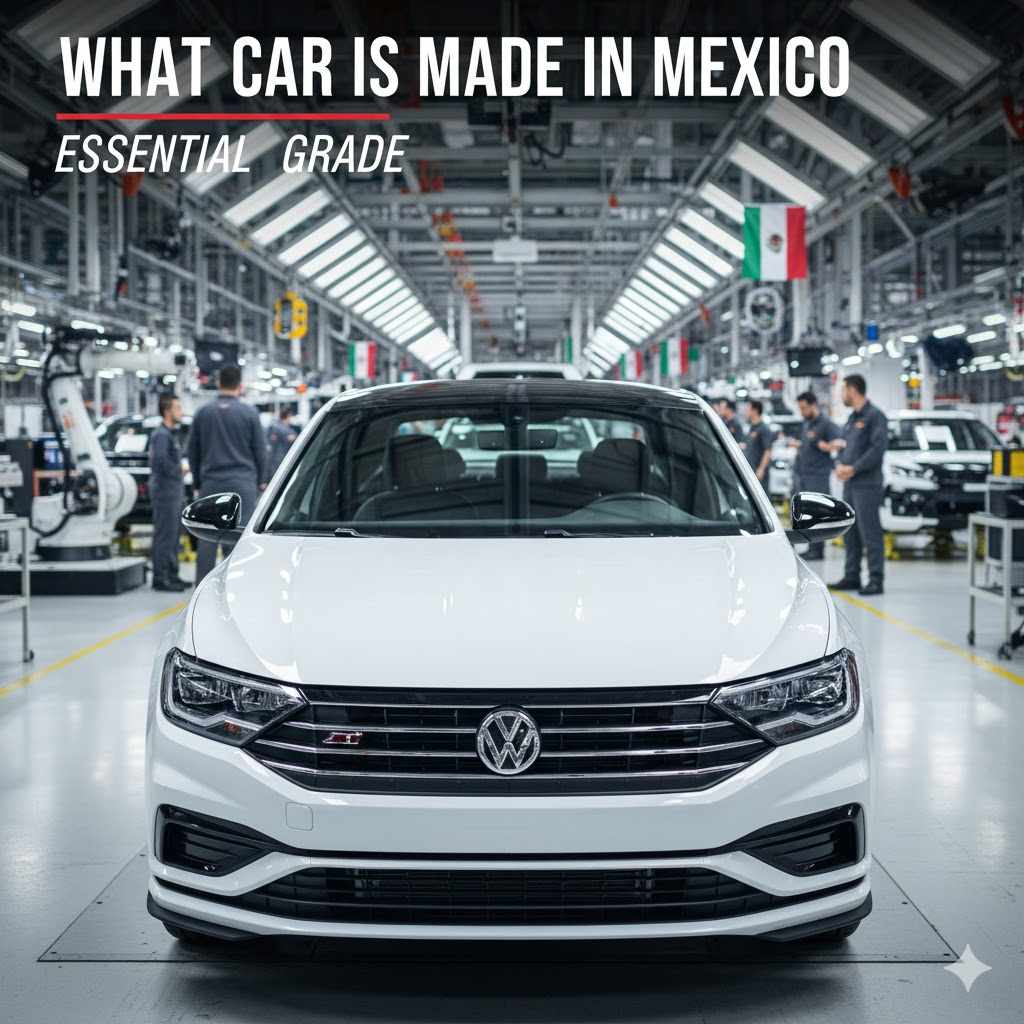
The quick answer to “what car is made in Mexico” is that many popular brands, including GM, Ford, Nissan, Volkswagen, and Stellantis, manufacture a huge variety of vehicles there, from sedans to powerful trucks. Mexico is a massive hub for global auto production.
Ever wonder where your car was actually built? It’s a common question when you see that “Made in Mexico” sticker. You might think of big factories in the U.S. or Japan, but Mexico plays a massive role in building the cars we drive every day. Knowing this isn’t just trivia; it can help you understand vehicle reliability and where certain models originate. Sometimes, finding clear information about global manufacturing can feel confusing, like trying to read a blurry instruction manual.
Don’t worry! We are going to break down exactly which vehicles roll off Mexican assembly lines. We’ll keep it simple, clear, and totally beginner-friendly. Let’s explore the bustling world of Mexican auto manufacturing together!
Why Mexico is a Giant in Global Car Manufacturing
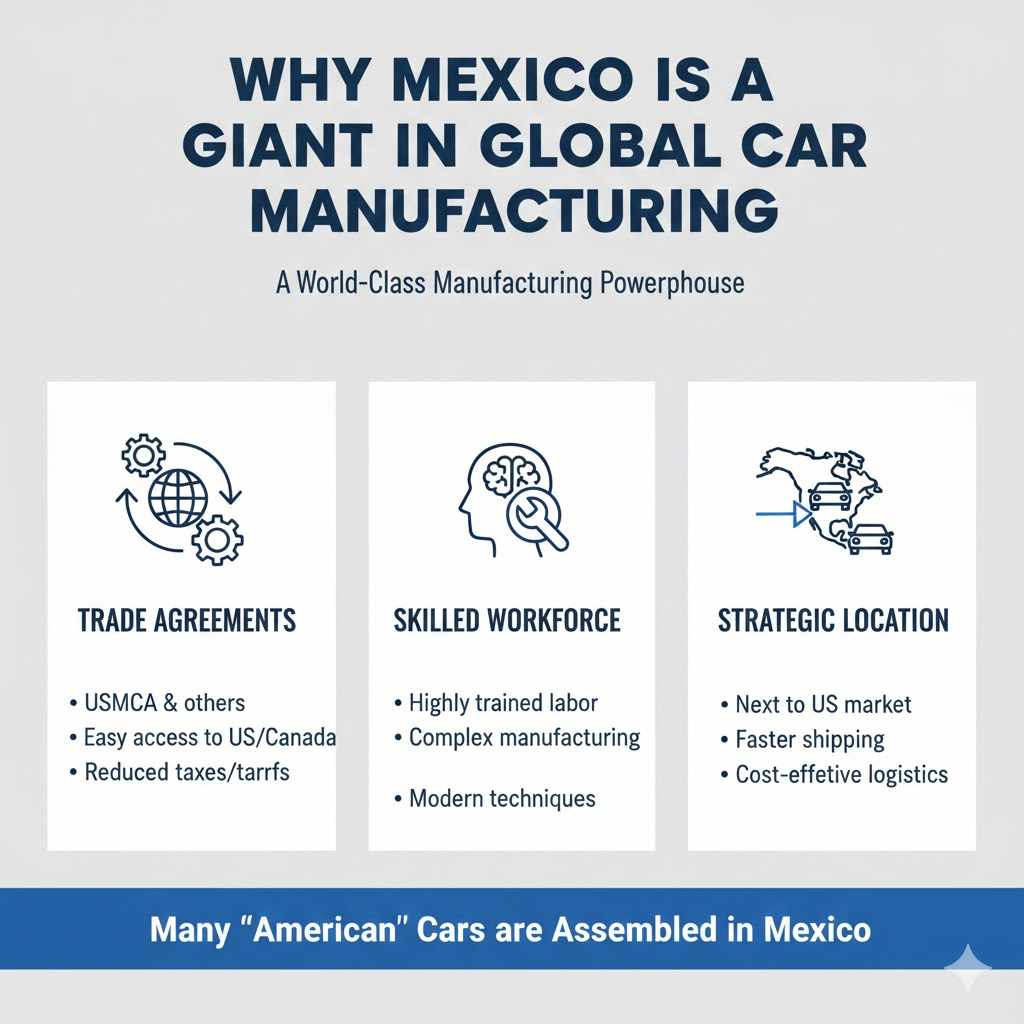
Mexico isn’t just assembling parts; it’s a world-class manufacturing powerhouse. This country has become essential to the supply chains of major global automakers. Understanding why they chose Mexico helps explain why so many different car models come from there.
The Benefits That Draw Automakers South
Car companies look for a few key things when choosing where to build a factory: cost, skilled labor, and easy access to shipping routes. Mexico checks all these boxes perfectly.
- Trade Agreements: Mexico has strong trade deals, like the USMCA (the updated North American Free Trade Agreement). This means cars built there can often move easily into the US and Canada without high taxes. This is a huge cost saver!
- Skilled Workforce: Over the last few decades, Mexico has developed a highly skilled workforce trained in modern, complex automotive manufacturing techniques. They are experts at building high-tech vehicles.
- Strategic Location: Being right next door to the massive US market saves time and money on shipping compared to building cars halfway across the world.
Because of these advantages, many models that you see on American roads—even ones sold as “American-made”—are often produced right across the border.
The Big Players: Who Owns the Factories in Mexico?
You’ll recognize most of the names. Almost every major global automaker has a significant footprint in Mexico. These companies operate massive, sophisticated assembly plants that produce vehicles for the entire world, not just for the local market.
General Motors (GM)
GM has been a long-time investor in Mexico. They produce a wide range of vehicles, focusing heavily on profitable trucks and SUVs. If you own a popular Chevrolet or GMC, there’s a good chance it saw the assembly line in cities like Ramos Arizpe or Silao.
Ford Motor Company
Ford also has deep roots here, often focusing on models designed for the North American market. Their plants are crucial for supplying popular models to dealerships nationwide. They focus on efficiency and high-volume production.
Stellantis (Chrysler, Dodge, Jeep, Ram)
Stellantis, the company formed by merging Fiat Chrysler Automobiles (FCA) and PSA Group, uses its Mexican plants extensively. They are famous for building highly popular and reliable vehicles right here.
Nissan
Nissan was one of the early pioneers in large-scale manufacturing in Mexico, establishing a huge complex in Aguascalientes. They produce many of their best-selling sedans and small SUVs there for export.
Volkswagen (VW)
The German giant, Volkswagen, operates a significant manufacturing base, especially in Puebla. This facility has a long history and is known for producing some of the brand’s most iconic models.
Other Key Manufacturers
The list doesn’t stop there! Companies like Honda, Mazda, BMW, and Toyota also maintain important production facilities within Mexico, catering to different segments of the global auto market.
Which Specific Car Models Are Made In Mexico? (The Essential List)
This is what most people want to know! While the exact lineup can change yearly based on market demand, certain high-volume, popular models are consistently manufactured in Mexico. These vehicles are engineered to meet stringent quality standards, just like those built in the US or Germany.
Here is a look at some of the most common vehicles you might drive or see on the road today that have Mexican assembly lines:
| Automaker | Model(s) Known to be Assembled in Mexico | Key Vehicle Type |
|---|---|---|
| General Motors (GM) | Chevrolet Silverado, GMC Sierra, Chevrolet Equinox | Full-Size Trucks & SUVs |
| Ford Motor Company | Ford Bronco Sport, Ford Maverick, Ford Ranger | Crossovers & Small Trucks |
| Stellantis | Ram 1500 Classic, Jeep Compass, Dodge Grand Caravan (historically) | Trucks & Compact SUVs |
| Nissan | Nissan Sentra, Nissan Versa, Nissan Kicks | Sedans & Subcompact SUVs |
| Volkswagen (VW) | VW Taos, Jetta (depending on the model year/trim) | Sedans & Compact SUVs |
| BMW | BMW 3 Series Sedan (certain export markets) | Luxury Sedan |
As you can see, Mexico is responsible for building some of the most workhorse vehicles in North America—especially trucks and rugged SUVs. These vehicles rely on robust, efficient manufacturing processes.
Understanding the “Where Was It Built?” Sticker: VIN Codes
If you want to know for sure where your specific vehicle was assembled, you don’t have to guess. The Vehicle Identification Number (VIN) holds the secret code. This 17-digit number is stamped on your dashboard (visible through the windshield) and on the driver’s side door jamb sticker.
Decoding the First Character
The very first character of the VIN tells you the region where the vehicle was assembled:
- 1, 4, or 5: United States
- 2: Canada
- 3: Mexico
- J: Japan
- W: Germany
If the first digit of your VIN is a 3, congratulations! Your car was assembled in Mexico. This simple check is the most reliable way to confirm the origin of assembly for any specific car you own or are looking to buy. Knowing this helps you look up model-specific reviews and reliability data relevant to that manufacturing plant.
The Quality Factor: Are Cars Made in Mexico Reliable?
This is a major concern for many buyers. Does “Made in Mexico” mean lower quality? The short answer is a resounding no. In the modern automotive industry, quality control is standardized across all global facilities for the same brand.
Standardized Manufacturing Processes
Think of it like baking cookies. Whether you use the same recipe in a kitchen in California or one in Querétaro, if you use the same ingredients and follow the same exact steps, the cookies should turn out the same. Automakers mandate strict, identical procedures worldwide.
For example, a Ford Maverick built in Hermosillo, Mexico, uses the exact same machinery, paint process, and quality checkpoints as one built in a Ford plant in Louisville, Kentucky. These Mexican plants often house the newest technology because they are key to the company’s future volume.
Industry Recognition
Many manufacturers have been recognized for excellence in their Mexican operations. For instance, J.D. Power studies often show high levels of initial quality across models produced in these facilities, showing that location does not dictate inherent reliability.
For reliable data on specific model years, you can always check independent reliability reports published by organizations that track consumer satisfaction and long-term repairs. A great resource for this type of objective data is the National Highway Traffic Safety Administration (NHTSA) website, which tracks safety recalls across all vehicles sold in the US, regardless of their build origin (Visit NHTSA for official vehicle safety data).
Exploring the Pros and Cons of Mexican-Built Vehicles
Like any manufacturing decision, building cars in Mexico comes with upsides and a few things to keep in mind.
Pros (Why It’s Good for You)
- Better Pricing: Lower manufacturing costs often translate into more competitive pricing for you at the dealership, making certain models more affordable.
- Model Availability: Because Mexico focuses on high-volume, high-demand models (like mid-size trucks and popular SUVs), you often have a better chance of finding the exact configuration you want available quickly.
- North American Engineering: Since these cars are primarily designed for the US and Canadian markets, they come standard with features and calibrations (like suspension tuning) that fit our roads and driving styles perfectly.
Cons (Things to Note)
- Shipping Delays: Although the USMCA helps, political issues or border slowdowns can occasionally impact the final shipping timeline to your local dealer.
- Varying Specifications: Occasionally, a model built for the European or Asian market might have a different version built in Mexico, but for high-volume North American models, this difference is usually minimal (like different engine tuning or minor trim levels).
A Closer Look: Key Manufacturing Hubs in Mexico
When we talk about cars being “made in Mexico,” we are talking about highly advanced industrial parks, often located near major shipping ports or US borders. These cities are specialized centers for automotive excellence.
1. Puebla (Volkswagen’s Historic Home)
Puebla is legendary in the Mexican auto industry. It’s where Volkswagen built its Beetle for decades. Today, it focuses on newer, high-tech models like the VW Taos. This city has deep institutional knowledge of car manufacturing.
2. Hermosillo, Sonora (Ford and Mazda Collaboration)
The Hermosillo Stamping & Assembly (HSA) plant is a fantastic example of international teamwork. Ford and Mazda used to share this facility to build models like the Ford Focus and Mazda2, maximizing efficiency. Today, it’s focused on models like the Bronco Sport.
3. Silao, Guanajuato (GM and Engine Power)
Guanajuato is a rapidly growing automotive region. GM’s Silao complex is massive, known for producing high-volume trucks like the Chevrolet Silverado and GMC Sierra, along with manufacturing powerful engines used across GM’s global lineup.
4. Toluca, State of Mexico (Stellantis Focus)
This area is crucial for Stellantis, handling assembly for popular Jeep and Ram models destined for the region. It shows commitment from the brands that rely heavily on the North American truck market.
How to Verify the Country of Origin When Buying Used
If you are shopping for a pre-owned vehicle and want to confirm its origin, the VIN code (starting with ‘3’) is your best tool. However, here are a few extra tips to give you total confidence:
- Check the Door Sticker: Open the driver’s side door. There will be a certification label. Look for the line that says “Manufactured In.” It will explicitly state the city and country.
- Review the Title/Registration: The official documents used to register the vehicle often list the “Country of Origin.”
- Service Records: While less direct, older service records or warranty documents might occasionally reference the assembly plant location if the vehicle was purchased brand new from the original dealership.
Remember, buying a car built in Mexico is essentially buying a North American-market car. The expectations for safety, performance, and longevity should be identical to a comparable model built in the US.
The Future Outlook for Automotive Production in Mexico
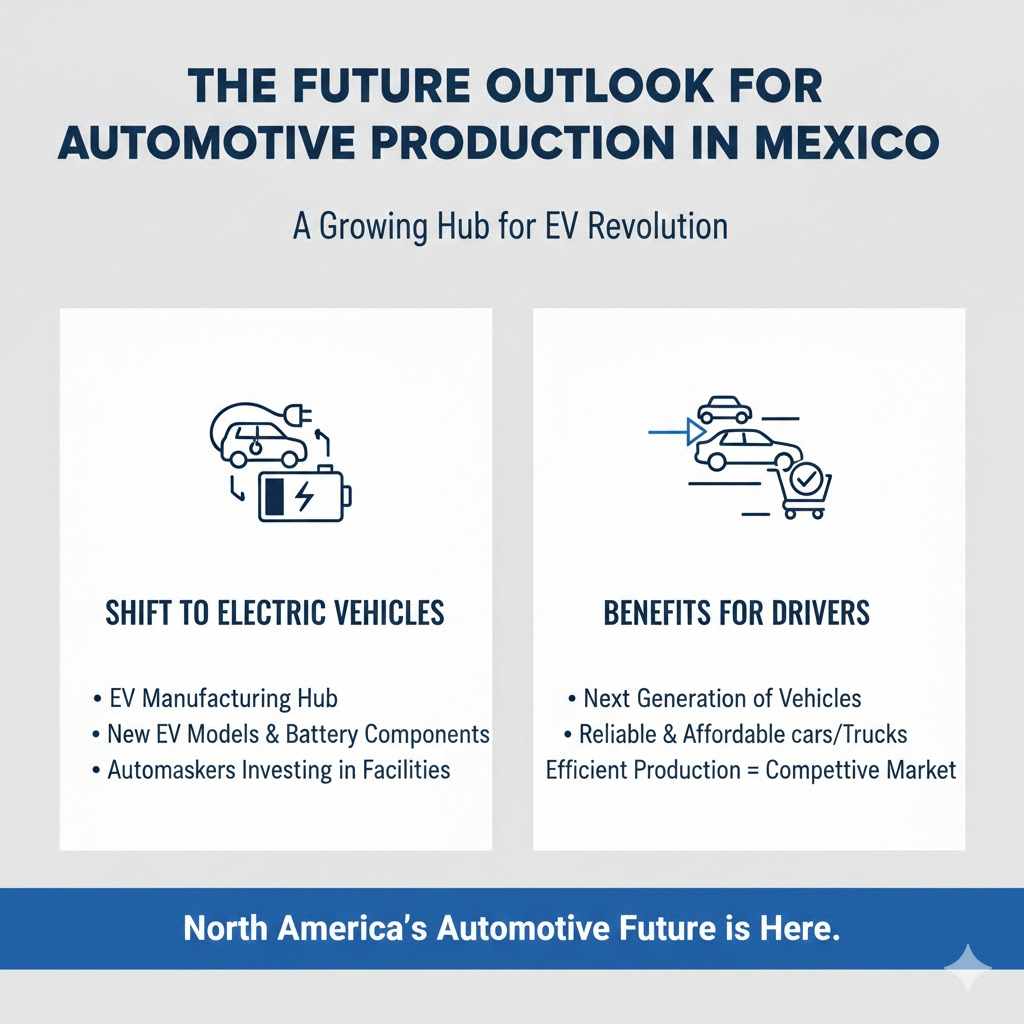
The role of Mexico in the automotive world is only getting stronger, especially with the shift toward electric vehicles (EVs). Many automakers are choosing their established Mexican facilities to begin building new EV models and battery components.
For the everyday driver, this means that the next generation of reliable, affordable cars and trucks will very likely continue to be assembled right here in North America. Mexico’s strong industrial base ensures that manufacturers can meet consumer demand efficiently, keeping the auto market fresh and competitive.
Frequently Asked Questions (FAQ)
Q1: If my car is made in Mexico, does it mean it is a lower quality vehicle?
A: Not at all! Quality standards are set by the parent company (like Ford or GM) and are the same everywhere. Mexican plants use the same modern equipment and rigorous testing as plants in the US or Europe.
Q2: How can I quickly check if my car was built in Mexico?
A: Look at the first character of your Vehicle Identification Number (VIN). If the first digit is a “3,” the vehicle was assembled in Mexico.
Q3: Are the engines used in Mexican-built cars different from US-built ones?
A: Generally, no, not for the same specific model sold in the US market. The vehicles are configured to meet US regulations, using the engines and transmissions specified for that trim level.
Q4: Which type of vehicles are most often produced in Mexico?
A: Mexico is a powerhouse for building mid-size trucks, SUVs, and high-volume, reliable sedans that are sold across the entire North American continent.
Q5: Does USMCA (trade agreement) affect why cars are built in Mexico?
A: Yes, significantly. The USMCA trade rules favor production within North America, making it financially smart for manufacturers to assemble vehicles in Mexico for sale in the US and Canada.
Q6: Can I get service or parts easily for a car made in Mexico?
A: Absolutely. Because these models are sold here, all dealerships and independent repair shops stock the necessary parts. There is no difference in parts availability compared to a US-built version of the same car.
Conclusion: Your Confidence in Mexican-Made Cars
Navigating the world of car manufacturing origins doesn’t have to be complicated. We’ve seen that Mexico is not just a secondary assembly location; it is a world-class hub producing millions of reliable vehicles—from rugged Ram trucks to efficient Nissan sedans—for drivers just like you. If you find a car you love and see that “3” in the VIN, you can drive away with total confidence.
The focus today is on shared global standards. Whether the final bolts were tightened in Detroit, South Carolina, or Silao, Guanajuato, the engineering, safety testing, and quality checks are consistent. You are getting a dependable North American-market vehicle. Keep using that VIN check to stay informed, and feel great about the smart, high-quality car you choose, no matter where its journey began!