3 Best Car Buffing Cloths for Waxing (2026): We Compared
Start with the towel that fits the job. Black paint and soft clear coat work best with an edgeless finisher, daily-driver upkeep fits a general-purpose 16 x 16 towel, and budget buyers should check pack value before chasing the highest GSM number.
The best car buffing cloths are a plush microfiber towel for wax removal, a medium-pile towel for residue leveling, and an edgeless finishing towel for delicate clear coat. Use the wrong cloth, and you can leave haze, streaks, or fine marring that forces correction work. This guide ranks the top 3 picks by paint safety and task fit, so you can choose the right towel for waxing and final buffing.
Quick comparison
| Product | Badge | Best for | Price | ||
|---|---|---|---|---|---|
 |
Veco 1600 GSM Car Drying Towel, 36×24 70/30 Microfiber,Veco | Our pick | 36×24 in · 1600 GSM · Black | $32.99
Price as of 21 Oct 2026
|
View |
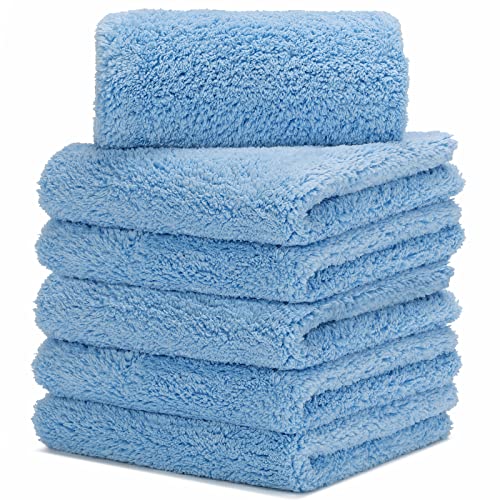 |
CARCAREZ Microfiber Towels for Cars, Car Drying WashCARCAREZ | Budget pick | 16×16 in · 450 GSM · Light Blue | $14.99
Price as of 21 Oct 2026
|
View |
 |
Edgeless Microfiber Car Towels – 6pk(12”x12”) – Soft &Mighty Cleaner | Also great | 12×12 in · 540 GSM · 6-Pack | $14.99
Price as of 21 Oct 2026
|
View |
The three picks below separate wax removal, residue leveling, and finish work instead of treating every microfiber towel as the same tool.
How we chose
Paint safety came first. That means low-lint microfiber, fewer exposed seams, and edge designs that cut the chance of dragging grit across the panel.
Task fit came next. Plush weave helps pull off wax and detail spray residue, while shorter pile or medium pile usually gives better control when you are leveling the last film on paint.
GSM and thickness mattered, but not in isolation. Higher GSM usually means a thicker, plusher towel, yet the right pick still depends on whether you want pickup, control, or a safer finishing edge.
Wash durability and pack value also mattered. A towel that holds up through repeated laundering is a better buy than a fragile premium cloth that loses performance after a few cycles.
What makes a good buffing cloth?
A good buffing cloth should move residue without dragging grit or shedding lint. Microfiber is the safer default for paint because its split fibers trap product and loose contamination better than a regular household towel, especially when you are working on clear coat.
Microfiber construction and why it matters for paint
Buffing towels are not all built for the same job. A short- to medium-pile microfiber towel is usually better for wiping away wax haze and leveling residue, while a plush high-pile towel gives more grab for thicker residue and quick detail spray.
Edgeless or seam-free construction matters because edges are the first place a towel can catch, drag, or leave a trail on soft paint. That does not make any towel scratch-proof; it simply lowers risk when you use clean technique.
When plush weave helps, and when shorter pile works better
Plush, high-pile microfiber is a strong choice when you need more absorbency. It suits wax removal, quick detail spray, glass, chrome, and interior trim, where pickup matters more than razor-sharp control.
Shorter pile or medium pile is easier to steer on paint during final buffing. It tends to feel less grabby, which helps when you are leveling a thin layer of wax on black paint or other delicate finishes.
What GSM tells you about thickness and residue pickup
GSM is a useful quality signal, not a score by itself. In general, higher GSM means a thicker, plusher towel with more material to hold residue, while lower GSM usually means a slimmer cloth that can feel more controlled for finishing.
For car buffing cloths, a practical comparison range is roughly 300 GSM to the mid-400s for general use, with edgeless finishing towels often pushing higher when the goal is safer paint contact and more plushness.
Why size and edge design affect control on delicate clear coat
Most all-purpose buffing towels land around 12.5 x 12.5 inches to 16 x 16 inches. Smaller towels can be easier to fold and control on tight panels, while 16 x 16 inches gives more usable surface area for broad panels and repeated flips.
Edge design matters just as much as size. Sonic-cut, borderless, or otherwise edgeless towels are preferred for final buffing on soft paint because they remove one more hard contact point from the process.
CARCAREZ Premium Microfiber Detailing Towels: best for finish work
This 6-pack is the best fit when finish quality matters more than raw absorbency. At 16 x 16 inches and 340 GSM, it gives enough cloth area for panel work while the edgeless sonic-cut edges help reduce swirl risk on paint that marks easily.
Its stated use cases are broad: car wash, window cleaning, drying, polishing, and waterless washing. That makes it a practical choice for drivers who want one towel family that can move between finish work and lighter cleanup.
The drawback is that it is not the plushest towel in this group, so it is not the first pick when you want the most grab for thick wax residue. On very dirty work, the edgeless edge still depends on you folding, flipping, and replacing the towel before it gets loaded up.
USANOOKS Microfiber Cleaning Cloth Grey: best for budget buyers
Budget buyers should look at this style of towel when pack value and repeat use matter more than a premium finish feel. The 12-pack format, 12.5 x 12.5 inch size, 300 GSM microfiber, and 2.5 mm thickness suggest a compact, reusable option for routine wipe-downs and lighter buffing work.
The stated durability claim of over 1200 washes is the main value angle. If that claim holds in normal use, the replacement cycle should be driven more by visible shedding, dragging, or contamination than by simple age.
The drawback is size. At 12.5 x 12.5 inches, it gives you less working surface than a 16 x 16 towel, so it is better for controlled hand work than for broad panels or thick residue removal.
Chemical guys workhorse plush microfiber towels: best for wax removal
This 3-pack is the strongest match for residue pickup. The 16 x 16 inch format gives more usable coverage, and the plush high-quality microfiber blend is aimed at tasks where absorbency matters, especially wax removal and detail spray cleanup.
It is also stamped for washing, drying, and detailing use, which makes it easier to assign to a specific role in a garage rotation. That matters because towels used for heavy residue should not be mixed with your final finish towels.
The drawback is the smaller pack size. Three towels can disappear quickly if you detail more than one vehicle or want separate cloths for wax, trim, and final wipe-downs in the same session.
Buffing cloth matrix
| Towel | Paint safety | Wax removal speed | Lint risk | Edge design | Wash durability | Best-use scenario |
|---|---|---|---|---|---|---|
| CARCAREZ Premium Microfiber Detailing Towels | High | Medium | Low | Edgeless sonic cut | High | Final buffing on delicate paint |
| USANOOKS Microfiber Cleaning Cloth Grey | High | Medium | Low | Standard cloth edge | Very high | Budget wipe-downs and routine buffing |
| Chemical Guys Workhorse Plush Microfiber Towels | High | High | Low to medium | Plush towel construction | High | Wax removal and residue pickup |
Black paint: CARCAREZ Premium Microfiber Detailing Towels. Daily drivers: USANOOKS Microfiber Cleaning Cloth Grey. Budget buyers: USANOOKS Microfiber Cleaning Cloth Grey for quantity, or CARCAREZ if you want the better finishing edge.
Which one should you buy?
Choose by paint condition first. If the car has soft clear coat, dark paint, or a history of towel marks, start with the edgeless CARCAREZ towel for final buffing and keep the plush towel for residue removal.
Choose by how often you detail. Frequent detailers need more than one towel type, because wax removal, final buffing, and glass work should not share the same cloth once residue starts loading into the fibers.
How many towels you need for one detail session
A practical starting point is about three to five towels for one normal detail: one for wax or sealant removal, one for final buffing, one for glass or trim, and one spare. If the vehicle is larger, dirtier, or coated with fresh product, add another towel so you can swap before the cloth starts dragging.
When to buy a larger pack instead of a premium towel
Buy a larger pack when you care more about rotation and task separation than about a single premium finish towel. If you want one cloth for wax, another for paint, and a backup for glass, a 6-pack or 12-pack often gives better cost per use than a small premium bundle.
Say your sedan has black paint and a fresh wax layer. An edgeless finishing towel is the safer last step, but a plush towel should do the first wipe so the finish towel does not get loaded with heavy residue.
Suppose your daily driver has light dust and a spray wax topper. A medium-pile or general-purpose 16 x 16 microfiber towel is usually enough, as long as you fold it often and stop using it the moment it starts to feel grabby.
Scratches are usually prevented by process, not by promise. Use clean microfiber, keep the towel folded to give yourself multiple clean sides, and stop as soon as a towel picks up grit, loses glide, or starts shedding.
Wash towels separately from household laundry, skip fabric softener, and use low heat. Softener coats microfiber and reduces its grab, while high heat can damage the fibers and shorten the towel’s useful life.
- Shake debris from the towel before each use.
- Fold the towel into quarters so you have several clean faces.
- Use light pressure and let the microfiber do the work.
- Switch towels when you move from wax removal to final buffing.
- Retire any towel that starts shedding, dragging, or leaving lint trails.
A common first-timer mistake is using one towel for every step on a black hood. That can turn a light haze into visible marring, because the same fibers that pick up residue also keep carrying contamination until you swap them out.
Can you use a buffing cloth?
Yes, if the cloth is actually a microfiber buffing towel and not a random bath towel or shop rag. The safer choice for paint is a low-lint microfiber towel with enough pile and edge control for the task, because it is built to pick up wax residue and reduce surface drag.
For paint, use the towel that matches the step. Plush towels suit residue pickup, medium-pile towels suit general wiping, and edgeless finish towels suit the last pass on delicate clear coat. A regular towel is a poor substitute because it can shed, drag, and leave streaks.
What is the best cloth for buffing car wax?
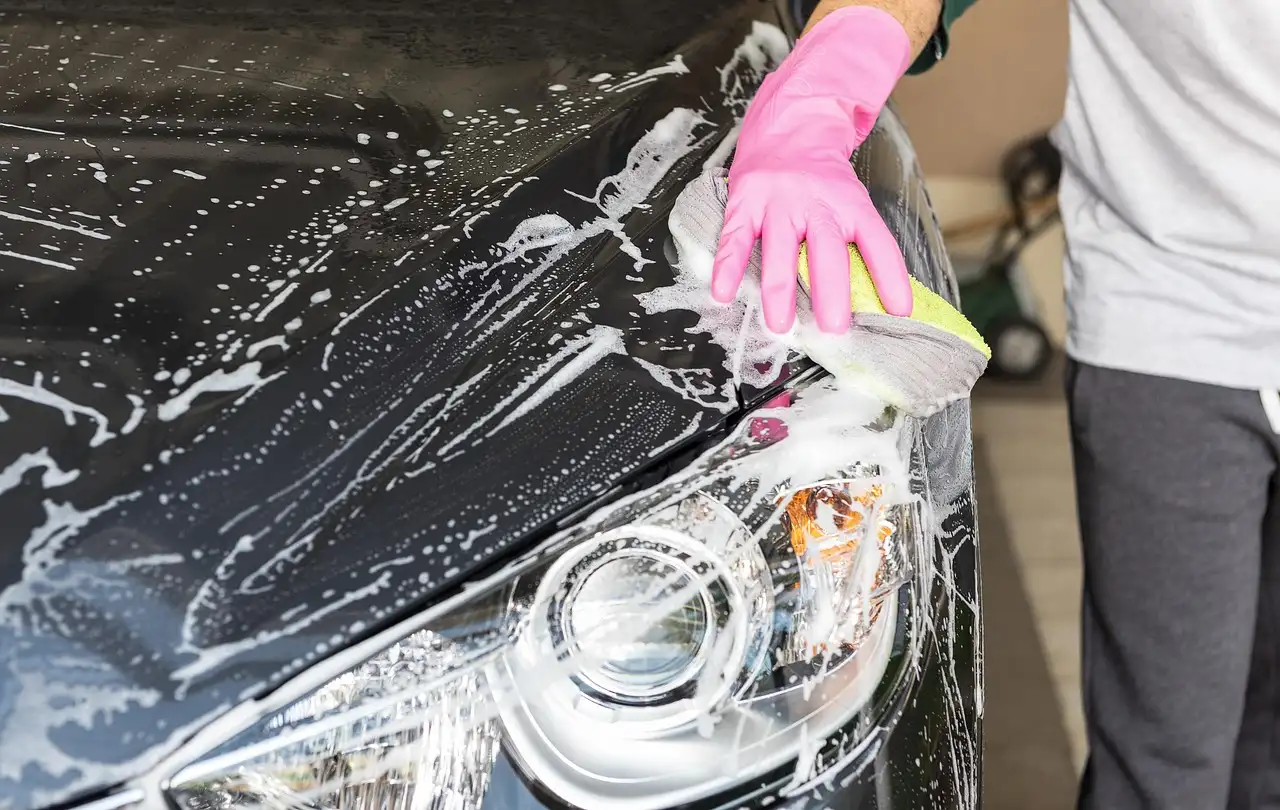
The best cloth for buffing car wax is usually a plush microfiber towel for the first wipe and an edgeless finishing towel for the last pass. That split lets you remove the bulk of the wax with a more absorbent towel, then reduce the risk of marks during the final polish.
If the paint is soft or black, prioritize the finishing towel’s edge design over raw thickness. If the residue is heavier, pick the plush towel first so the finish towel stays cleaner and keeps its glide longer.
What GSM is best for car buffing cloths
A practical GSM target for car buffing cloths is usually about 300 to 450, with the lower end favoring control and the higher end favoring plushness and absorption. Edgeless towels sometimes list higher GSM because they are built for gentler finishing and more material density.
Use GSM as a comparison tool, not the whole decision. A 340 GSM edgeless towel can be a better finishing cloth than a thicker towel with a rough edge, while a plush 450 GSM towel can be better for wax removal than a slimmer towel that feels too dry.
Are edgeless microfiber towels better for buffing paint?
Edgeless microfiber towels are usually better for final buffing on paint, especially soft or black clear coat, because the borderless edge removes one more risk point. They are not magically safer in every situation, but they are a smart choice when the last pass matters most.
Use them for finishing, not for every job. If the towel will see thick residue, dirtier trim, or heavier product loading, a plush towel can be the better first-step tool, with the edgeless cloth reserved for the cleanest pass.
Can you use a regular towel to buff car wax?
A regular towel is not the right tool for buffing car wax on paint. Household cotton and bath towels are more likely to shed, drag, or leave visible streaks, especially on dark paint or fresh clear coat where even small defects stand out.
Microfiber is the safer choice because it is designed for paint contact, product pickup, and repeated washing. If you only have a regular towel, it is better to wait than to risk leaving haze or fine marring that takes more work to correct later.
Frequently asked questions
How do you avoid scratches when buffing a car?
Use clean microfiber, fold the towel often, apply light pressure, and separate towels by task. Wash them without fabric softener and dry on low heat. If a towel starts shedding, dragging, or grabbing the paint, stop using it on finish surfaces.
How many buffing cloths do I need for one detail?
Three to five towels is a practical starting point for one detail session. That usually gives you one for wax removal, one for final buffing, one for glass or trim, and one spare. Bigger vehicles or dirtier jobs need more rotation so a loaded towel never touches the finish again.
What size microfiber cloth is best for car buffing?
Most all-purpose car buffing cloths work well at 16 x 16 inches. Smaller towels around 12.5 x 12.5 inches can be easier to control on tight areas, but the 16 x 16 size usually gives better coverage and more usable clean surfaces for repeated folding.
Products related to this article
Sponsored / affiliate links. As an Amazon Associate I earn from qualifying purchases. I may earn additional commission from eligible campaigns.