What Carpool Lanes Are Called Explained
Sometimes, figuring out the right words for things can be a little tricky, especially when you’re new to a topic. You might be wondering, What Are Carpool Lanes Sometimes Referred To As? Explained in simple terms.
It’s a common question, and honestly, the different names can be confusing at first. But don’t worry! We’re going to break it down step-by-step so it’s easy to grasp.
Get ready to learn about these special lanes and what they’re all about.
Understanding Carpool Lane Terminology
Carpool lanes, officially known as High Occupancy Vehicle lanes or HOV lanes, are a crucial part of traffic management in many urban areas. The primary goal behind these lanes is to encourage carpooling and the use of vehicles with higher occupancy, thereby reducing the number of single-occupancy vehicles on the road. This reduction in cars helps to ease traffic congestion, cut down on emissions, and promote more efficient use of road space.
Understanding the various terms associated with these lanes is key to using them correctly and benefiting from their advantages. The concept might seem straightforward, but the different names and specific rules can sometimes create a bit of confusion for drivers who are not familiar with them.
The Official Name HOV Lanes
The most common and official term for carpool lanes is HOV lanes. HOV stands for High Occupancy Vehicle. This designation means that only vehicles carrying a certain number of passengers are permitted to use the lane.
The minimum number of occupants, or “high occupancy” requirement, can vary by location. For example, some lanes might require at least two people, while others might require three or more. This requirement is clearly posted on signs at the entrance to the HOV lane.
The purpose of HOV lanes is to incentivize drivers to share rides. By offering a faster, less congested route, authorities hope to persuade people to leave their single-occupancy cars at home and opt for carpooling. This can lead to significant benefits, not just for the drivers using the lane, but for the entire transportation network.
Fewer cars on the road means less wear and tear, reduced pollution, and a more pleasant commute for everyone.
- High Occupancy Vehicle (HOV) is the standard term. It directly describes the type of vehicle allowed. The number of occupants needed can differ.
- These lanes are often marked with diamond symbols on the pavement. This symbol is universally recognized as an indicator for HOV or carpool usage.
- The goal is to reduce traffic. By getting more people into fewer cars, the total number of vehicles on the road decreases significantly.
- HOV lanes can lead to faster travel times. Drivers who meet the occupancy requirements can bypass traffic jams in regular lanes.
Other Names for Carpool Lanes
While HOV lanes are the official designation, you’ll often hear other terms used interchangeably. People might refer to them as carpool lanes, as this directly communicates their main purpose. Sometimes, they are also called priority lanes, because they offer priority travel to vehicles with multiple occupants.
In some regions, you might even hear them called diamond lanes, a nod to the diamond symbol painted on the road surface that marks these lanes. These alternative names all point to the same fundamental concept: a special lane for vehicles carrying more than one person.
The reason for these different names comes from how people talk about them in everyday conversation. While transportation departments use “HOV,” drivers often simplify it to “carpool lane” because that’s what they’re doing in it. “Diamond lane” is a descriptive term based on the visual cue.
It’s important to recognize that all these terms refer to the same type of lane, and the rules governing their use are generally consistent, though the exact occupancy requirements can differ.
- Carpool lanes is a common and descriptive name. It’s easy for people to understand because it focuses on the act of carpooling.
- Diamond lanes is another informal name. It comes from the diamond symbol painted on the road. This symbol signifies the lane’s special status.
- Priority lanes is a term that highlights the advantage these lanes offer. Vehicles meeting the criteria get priority.
- Express lanes can sometimes overlap with HOV lanes, or be used for different purposes like toll payment. It’s important to check the signage.
How HOV Lanes Work and Their Benefits
HOV lanes function by setting a minimum passenger requirement for vehicles to use them. This requirement is usually posted on signs and is enforced by law. Typically, the minimum is two occupants, but in some areas, it can be three or more, especially during peak commute times or on specific highways.
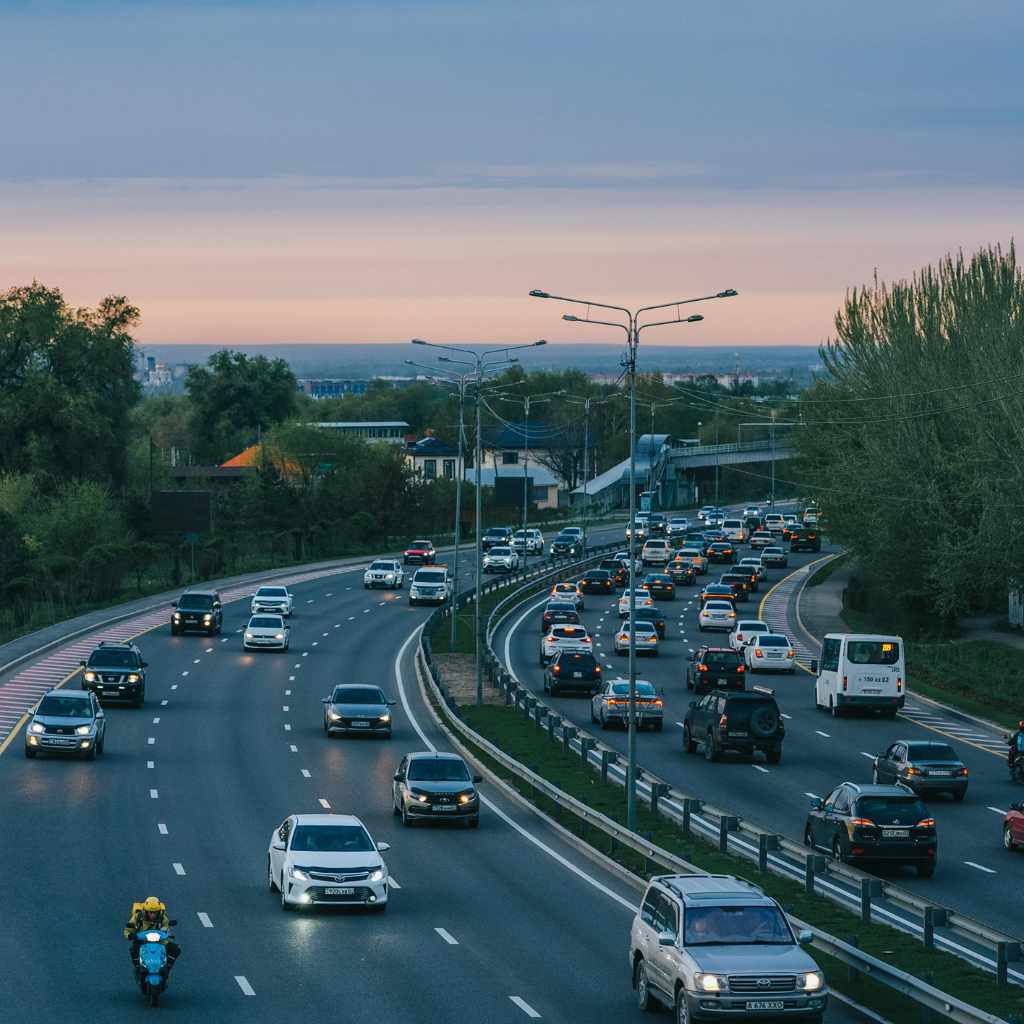
The lanes are usually located on the far left side of the road, separated from general traffic by painted lines, or sometimes by a physical barrier. Vehicles that meet the occupancy requirements can enter and use these lanes, often enjoying a much smoother and faster commute than those in regular traffic.
The benefits of HOV lanes are numerous and significant. Primarily, they help reduce traffic congestion by encouraging people to carpool. When more people share rides, there are fewer cars on the road, leading to less gridlock.
This, in turn, results in shorter commute times for those using the HOV lanes and can also indirectly improve traffic flow in general lanes. Furthermore, by reducing the number of vehicles, HOV lanes contribute to a decrease in fuel consumption and lower emissions of greenhouse gases, benefiting the environment. They also promote a more efficient use of road infrastructure.
Passenger Requirements and Enforcement
The passenger requirements for HOV lanes are the core of their operation. These requirements are set by local transportation authorities to achieve specific traffic management goals. The most common requirement is a minimum of two occupants per vehicle, often referred to as “2+ HOV lanes.” Some regions have stricter requirements, such as “3+ HOV lanes,” meaning at least three people must be in the vehicle to use the lane.
These stricter requirements are often implemented to further encourage ridesharing and reduce vehicle numbers during the busiest periods.
Enforcement of these rules is critical to the effectiveness of HOV lanes. Law enforcement officers regularly patrol these lanes to ensure that only vehicles meeting the occupancy requirements are using them. Violators can receive significant fines, which serve as a deterrent to misuse.
In many places, electronic sensors and cameras are also used to monitor lane usage and identify non-compliant vehicles. The presence of these enforcement measures helps maintain the integrity of the HOV system and ensures that it provides a genuine benefit to those who are carpooling.
- Minimum occupants: Usually 2 or 3 people per vehicle.
- Signage: Clear signs indicate the minimum occupancy requirement and operating hours.
- Enforcement: Police patrols and camera systems monitor for violations.
- Penalties: Fines are issued for non-compliance, discouraging misuse.
- Operating Hours: Some HOV lanes are only active during peak commute times.
Environmental and Economic Advantages
The environmental benefits of HOV lanes are a significant aspect of their implementation. By reducing the total number of vehicles on the road, HOV lanes directly contribute to lower carbon emissions and improved air quality. Fewer cars mean less gasoline or diesel is burned, and consequently, fewer pollutants are released into the atmosphere.
This is particularly important in urban areas where traffic congestion can lead to prolonged idling, increasing emissions. Studies have shown that HOV lanes can lead to a measurable decrease in vehicle miles traveled (VMT), a key metric for environmental impact.
Economically, HOV lanes offer several advantages. For individuals, carpooling can significantly reduce personal transportation costs, including fuel, wear and tear on vehicles, and parking fees. For cities and regions, HOV lanes can help mitigate the economic costs associated with traffic congestion, such as lost productivity due to lengthy commutes and increased fuel consumption.
Efficient traffic flow also supports economic activity by making it easier for goods and services to move. Some HOV lanes are also integrated with public transportation systems, further enhancing their economic benefits by promoting more affordable and sustainable transit options.
- Reduced emissions: Fewer vehicles mean less pollution and cleaner air. This is vital for public health.
- Fuel savings: Carpooling lowers fuel costs for individuals and reduces overall fuel consumption.
- Traffic congestion relief: Smoother traffic flow saves time and reduces stress for commuters.
- Infrastructure efficiency: Maximizes the use of existing road space by encouraging higher vehicle occupancy.
Special Cases and Related Lane Types
While HOV lanes are the most common type of high-occupancy lane, there are variations and related lane types that drivers should be aware of. Some HOV lanes are designated as “24/7 HOV lanes,” meaning the occupancy requirements apply at all times. Others may have specific operating hours, often during peak commute times, and revert to general-purpose lanes outside of these hours.
It’s crucial to pay close attention to the signage indicating the hours of operation and occupancy rules.
Another important distinction is between HOV lanes and HOT lanes. HOT stands for High Occupancy Toll. These lanes offer a hybrid approach: they function as HOV lanes for vehicles meeting the occupancy requirements, but also allow single-occupancy vehicles to use them by paying a toll.
The toll price often fluctuates based on traffic conditions to maintain a certain level of traffic flow within the HOT lane. This model provides flexibility, allowing single drivers to pay for faster transit while still encouraging carpooling by offering it for free or at a reduced rate.
Variations in HOV Lane Rules
The rules for HOV lanes can vary significantly from one jurisdiction to another. The minimum number of occupants is a primary point of variation, as mentioned. Some areas might have different occupancy requirements for different days of the week or times of day.
For instance, a lane might require three occupants on weekdays during rush hour but only two on weekends. It’s also important to note that certain vehicles, like motorcycles, are often counted as having an occupancy of one, but may be permitted in HOV lanes depending on local regulations. Some jurisdictions may also allow hybrid or clean-fuel vehicles to use HOV lanes regardless of occupancy, often through a permit system.
The physical configuration of HOV lanes also varies. Some are continuously marked lanes, while others are reversible lanes that change direction based on traffic flow. Reversible lanes are typically separated by a physical barrier that is moved by special equipment.
Access to HOV lanes can also differ. Some HOV lanes have continuous access points, allowing vehicles to enter and exit at various locations, while others have limited access points, meaning drivers must enter or exit at designated ramps. Understanding these variations is essential to avoid illegal entry or exit, which can result in penalties.
- Continuous vs. Limited Access: Some lanes allow entry/exit at many points, others only at specific ramps.
- Reversible Lanes: These lanes can change direction to serve traffic flow best during different parts of the day.
- Permit Systems: Some areas allow certain types of vehicles (e.g., low-emission vehicles) to use HOV lanes with a special permit.
- Motorcycle Inclusion: Rules vary on whether motorcycles count as single occupants or meet higher occupancy requirements.
HOV vs. HOT Lanes Comparison
Comparing HOV and HOT lanes is important for drivers to understand their options. HOV lanes are exclusively for vehicles that meet the minimum passenger requirement. They are generally free to use for eligible vehicles.
HOT lanes, on the other hand, are a blend. They allow vehicles that meet the HOV requirements to use the lane, often without a toll. However, they also provide an option for single-occupancy vehicles to bypass congestion by paying a toll.
This toll is dynamic, meaning it can change based on traffic volume.
The dynamic pricing of HOT lanes aims to keep them moving at a reasonable speed, typically around 45-50 miles per hour. If too many single-occupancy vehicles enter the HOT lane and cause congestion, the toll increases. Conversely, if the lane is underutilized, the toll may decrease.
This pricing strategy helps ensure that the lane remains a viable option for those willing to pay for a faster commute, while still incentivizing carpooling through free or reduced-cost access. The choice between using an HOV lane or a HOT lane (if available) depends on individual circumstances, such as the number of passengers, the urgency of the commute, and the willingness to pay a toll.
| Feature | HOV Lanes | HOT Lanes |
|---|---|---|
| Primary Purpose | Encourage carpooling, reduce congestion | Provide faster travel option, manage traffic flow |
| Occupancy Requirement | Mandatory minimum (e.g., 2+ or 3+ occupants) | Minimum occupancy for free access; toll for single occupancy |
| Cost | Generally free | Toll required for single-occupancy vehicles; free/reduced for HOV |
| Pricing Model | N/A | Dynamic toll pricing based on demand |
| Enforcement | Occupancy checks | Occupancy checks and toll payment verification |
Other Related Lane Designations
Beyond HOV and HOT lanes, there are other traffic management designations that might appear on highways, sometimes confusingly similar. For instance, some roads have “Express Lanes” that may or may not be HOV lanes. These express lanes are often designed to provide faster travel and can be tolled.
It’s important to distinguish between a general express lane and a specifically designated HOV or HOT lane. Some jurisdictions also use “Preferred Lanes” which might offer benefits to certain types of vehicles, but not necessarily based on occupancy.
Another designation to be aware of is “Restricted Lanes,” which could be reserved for specific purposes such as transit buses or emergency vehicles. While not directly related to carpooling, their presence on a roadway can affect traffic flow and lane availability. Understanding the signage and markings is paramount.
A common visual cue for HOV lanes is a diamond symbol painted on the road surface, usually in white. HOT lanes might have similar diamond symbols and also signs indicating toll rates. Always look for definitive signs that clearly state the lane’s purpose and requirements.
- Express Lanes: Can be HOV, HOT, or simply general faster lanes that may or may not be tolled.
- Transit Lanes: Reserved exclusively for buses, often part of a public transit strategy.
- Restricted Lanes: May be for emergency vehicles, maintenance, or other specific uses not related to general traffic.
Legal and Practical Considerations for HOV Lanes
Using HOV lanes comes with specific legal and practical considerations that drivers must adhere to. The fundamental rule is to meet the occupancy requirement. Failure to do so can result in significant fines and penalty points on your driving record.
It’s important to understand that law enforcement actively monitors these lanes, and being caught misusing them can be costly. This isn’t just about avoiding fines; it’s about ensuring that the lanes remain effective for their intended purpose of reducing congestion and emissions.
From a practical standpoint, using HOV lanes requires planning. You need to ensure you have the correct number of passengers for the duration of your trip in the HOV lane. This might involve coordinating with friends, family, or colleagues.
For those who regularly commute alone, HOV lanes might not be a viable option unless they switch to a different mode of transport or find carpool partners. For businesses, encouraging employees to carpool can lead to reduced parking needs and a positive impact on their environmental footprint.
Penalties for Misuse
The penalties for misusing HOV lanes are designed to be a strong deterrent. In most jurisdictions, the first offense can result in a substantial fine, often ranging from $100 to $500 or more. Subsequent offenses can incur even higher fines and may lead to other penalties, such as points on your driver’s license.
Some states or cities may also implement a grace period for new HOV lanes to allow drivers to become familiar with the rules, but this is not universal. It is the driver’s responsibility to know and follow the rules for the HOV lanes they use.
The enforcement of HOV lane rules can take various forms. Law enforcement officers may patrol the lanes in unmarked vehicles or conduct targeted enforcement operations. Additionally, many HOV lanes are equipped with surveillance cameras that can identify vehicles with fewer occupants than required.
These cameras often work in conjunction with license plate recognition systems. The goal is to ensure that the integrity of the HOV lane system is maintained, providing a real benefit to those who comply with the rules.
- Fines: Can range from over $100 to several hundred dollars per violation.
- License Points: Accumulating violations may lead to points on your driving record.
- Increased Penalties: Repeat offenders often face significantly higher fines and stricter consequences.
- Public Awareness Campaigns: Authorities often conduct campaigns to educate drivers about HOV lane rules and penalties.
Practical Tips for HOV Lane Users
For those who qualify for HOV lanes, there are several practical tips to maximize their benefit and ensure smooth usage. First and foremost, always pay attention to the signage. The hours of operation and occupancy requirements can change, and it’s crucial to be aware of these.
Make sure you have the correct number of occupants in your vehicle for the entire time you are using the HOV lane. If you are using a carpool arrangement, have a backup plan in case your usual carpool partner is unavailable.
Consider investing in a transponder if your local HOV/HOT lanes use them. These devices can simplify toll payments and sometimes offer discounts. For HOV lanes that require specific permits for certain vehicle types (like clean-fuel vehicles), ensure your permit is up-to-date and displayed correctly.
Finally, be aware of how you enter and exit HOV lanes. HOV lanes often have specific entry and exit points, and it’s important to use them safely and legally. Avoid last-minute lane changes into or out of the HOV lane, as this can be dangerous and may also be subject to penalties.
- Read the Signs Carefully: Always check for hours of operation and occupancy requirements.
- Confirm Your Passengers: Ensure you meet the minimum occupancy for the entire duration of your HOV lane use.
- Plan Your Entry/Exit: Use designated ramps and avoid abrupt lane changes.
- Consider Technology: Transponders can be helpful for tolled HOT lanes.
- Stay Updated: Rules can change, so be aware of any updates from local transportation authorities.
HOV Lane Etiquette
Good etiquette on HOV lanes contributes to safety and efficiency for everyone. While the primary rule is about occupancy, behaving courteously is also important. Do not tailgate other vehicles in the HOV lane.
Maintain a safe following distance, just as you would in any other lane. If you are in an HOV lane and need to exit, signal your intentions clearly and make sure it is safe to change lanes. Avoid aggressive driving behaviors.
Remember that HOV lanes are a privilege for those who meet the requirements, and respecting this privilege means driving responsibly. If you are in a carpool, communicate with your fellow passengers. For example, if someone is giving you a ride, offer to share the cost of any tolls if applicable.
Creating a positive and respectful environment within the HOV lane benefits all users.
- Maintain Safe Following Distances: Do not tailgate.
- Signal Lane Changes: Clearly indicate your intentions before moving.
- Drive Courteously: Avoid aggressive driving or blocking other vehicles.
- Respect Other Users: Remember everyone in the lane is there to benefit from reduced congestion.
Frequently Asked Questions
Question: What is the main purpose of HOV lanes?
Answer: The main purpose of HOV lanes is to encourage carpooling and the use of vehicles with higher occupancy, thereby reducing traffic congestion and improving air quality.
Question: Are HOV lanes always free to use?
Answer: HOV lanes are typically free for vehicles that meet the occupancy requirements. However, HOT (High Occupancy Toll) lanes allow single-occupancy vehicles to use them by paying a toll.
Question: What does HOV stand for?
Answer: HOV stands for High Occupancy Vehicle.
Question: How do I know if I can use an HOV lane?
Answer: You must check the posted signs for the specific occupancy requirements (e.g., 2+ or 3+ occupants) and the hours of operation for the HOV lane you intend to use.
Question: What happens if I am caught using an HOV lane alone?
Answer: If you are caught using an HOV lane alone when you do not meet the occupancy requirements, you will likely receive a fine and potentially points on your driving record.
Final Thoughts
The terms surrounding carpool lanes, such as HOV lanes, carpool lanes, and diamond lanes, all point to a system designed to make commutes better. They work by giving priority to vehicles with more people inside, helping to take cars off the road. This not only makes travel faster for those who carpool but also helps reduce pollution and save fuel.
Understanding the specific rules, like how many people need to be in a car and when the lanes are active, is key to using them correctly and avoiding fines.
Whether you’re considering carpooling to save time and money or you’re just curious about these special lanes, the basic idea is simple: share a ride, get a smoother trip. Always look at the signs carefully, as rules can vary from place to place. If you can meet the requirements, these lanes can offer a significant advantage during your daily travel.
Making an effort to carpool is a positive step for both your commute and the environment, and these lanes make that effort worthwhile.