
Car Insurance Grace Period: Are You Really Covered?
A car insurance grace period is the 10-30 days most insurers give you after a missed premium payment before your policy actually cancels – and you’re generally still covered during it, as long as you pay before it ends. The critical catch most guides skip: if you don’t pay in time, many insurers can retroactively cancel your policy back to the original due date, which means an accident you had during the grace period can end up treated as uninsured after the fact. Here’s exactly how that works.
Are You Actually Covered During the Grace Period?
Yes – while you’re within the grace period, your policy is still technically active, and if you’re in an accident, your insurer is generally still obligated to cover the claim. But that coverage comes with a condition attached: you have to actually bring your account current before the grace period runs out.
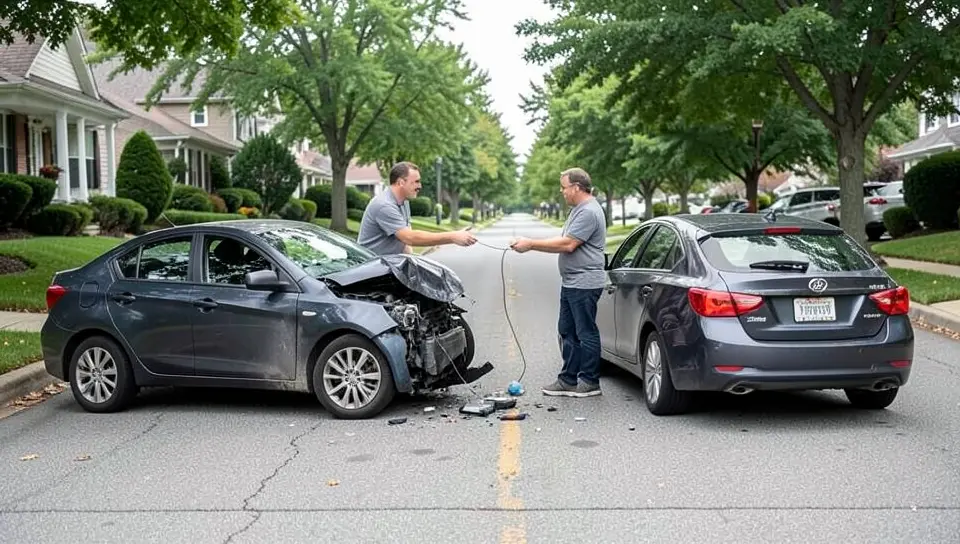
If you don’t pay before the deadline, many insurers will retroactively cancel the policy all the way back to the original due date – not the day the grace period ended. That means an accident that happened during what felt like a “still covered” window can be reclassified as having happened while uninsured, once the cancellation is processed. This is the single most important thing to understand about a grace period: it buys you time to pay, but it is not a guarantee, and the protection disappears retroactively if you miss the deadline.
Protect Your Claim
 |
Front and Inside Dash Cam – $26.99 If an accident happens while your payment is past due, having clear footage of what happened makes your claim easier to process while the insurer verifies your grace period status.
|
How Long Is the Grace Period, and Is It Guaranteed?
Grace periods typically run 10-30 days, but the exact length depends entirely on your insurer and, in some cases, your state. Not every state requires insurers to offer a grace period at all – where it isn’t legally mandated, it’s purely a courtesy some companies choose to extend, which means it can vary or even be withdrawn depending on your payment history. Your specific number of days is written into your policy documents, not a universal rule, so check your declarations page or call your insurer directly rather than assuming a figure you read elsewhere applies to you.
What Happens If You Miss It
- Policy cancellation – your coverage ends, and depending on your insurer, this can apply retroactively to the original due date.
- A gap in your coverage history – insurers view a lapse as a risk signal, which commonly leads to higher premiums the next time you shop for a policy.
- Reinstatement isn’t guaranteed – some insurers will let you reinstate the same policy after a lapse; others require you to reapply and requote as a new customer.
- Legal exposure while driving uninsured – if your policy has genuinely lapsed and you’re stopped or in an accident, you’re subject to your state’s uninsured-driving penalties on top of any accident costs.
How to Avoid Ever Testing This
The safest approach is to never actually rely on the grace period in the first place. Setting up automatic payments through your bank or directly with your insurer removes the risk of a missed date entirely. If autopay isn’t for you, calendar reminders set several days before your due date – not the due date itself – give you a buffer to act before you’re relying on a grace period’s retroactive-cancellation risk at all. If you do miss a payment, call your insurer immediately rather than waiting; many will tell you exactly how many days you have left and what happens if you don’t pay.
Frequently Asked Questions
How Many Days Late Can You Pay Car Insurance?
Most insurers allow 10-30 days past the due date before cancelling your policy, but this varies by company and isn’t guaranteed by law in every state. Check your specific policy documents for your exact grace period.
Are You Covered If You Have an Accident During the Grace Period?
Generally yes, as long as you bring your account current before the grace period ends. But if you miss the deadline entirely, many insurers can retroactively cancel the policy back to the original due date – which can turn a grace-period accident into an uninsured one after the fact.
How Long Are You Covered After Your Car Insurance Expires?
Once your policy has actually lapsed (the grace period has run out without payment), you are not covered at all. The grace period itself, while it’s still running, is different – it’s the window during which coverage is still technically active.
Does Every State Require Insurers to Offer a Grace Period?
No. Grace period requirements vary by state, and not all states mandate them – where there’s no legal requirement, an insurer’s grace period is a courtesy they can vary or withdraw. Always confirm your specific grace period with your insurer rather than assuming a state-wide rule applies.
Conclusion
You’re generally covered during a car insurance grace period, but that coverage depends entirely on paying before the deadline – miss it, and many insurers can retroactively cancel back to the original due date, turning a grace-period accident into an uninsured one. Set up automatic payments or early reminders so you never have to find out how your specific insurer handles a missed deadline the hard way.
Products related to this article
Sponsored / affiliate links. As an Amazon Associate I earn from qualifying purchases. I may earn additional commission from eligible campaigns.