What Cars Are Considered Premium Crossovers: Essential Guide
Premium crossovers are upscale SUVs that blend practicality with luxury features, advanced technology, and superior performance, often including brands like Lexus, Acura, Genesis, and higher trims of mainstream models. They sit above standard compact SUVs in quality and price.
Picking out a new vehicle can feel overwhelming, especially when you hear terms like “premium” thrown around. What makes one crossover better than another? It often comes down to the details—the quiet ride, the fancy leather, and the gadgets inside. If you are looking for an SUV that offers more comfort and refinement than the basic models, you need to know which ones fit the premium segment. Don’t worry, navigating this choice is easier than you think. We are going to clearly break down exactly what a premium crossover is, what features you get, and list some of the top examples available today. By the end of this guide, you will feel confident spotting a true premium crossover!
Defining the Premium Crossover: What Sets Them Apart?
The automotive world loves categories, and “crossover” is a huge one. A crossover Utility Vehicle (CUV) is built on a car platform (unibody) rather than a truck frame, making it handle more like a sedan but offering SUV height and space. Simple enough, right?
The “premium” tag is where things get interesting. Premium crossovers—sometimes called luxury crossovers—aren’t just about flashing a fancy badge. They represent a significant step up in almost every area compared to standard, mainstream crossovers (like a standard Honda CR-V or Toyota RAV4).
The Three Pillars of Premium Crossovers
When manufacturers aim for the premium space, they focus on three key areas. Think of these as the building blocks that justify the higher price tag:
- Materials and Craftsmanship: This means soft-touch plastics, real wood or aluminum trim instead of imitation, genuine leather upholstery, and a cabin built for quietness.
- Technology and Features: Expect advanced safety systems built-in (not optional add-ons), large, intuitive infotainment screens, premium sound systems, and convenience items like panoramic moonroofs or hands-free liftgates.
- Performance and Ride Quality: Premium crossovers often come standard with more powerful engines, smoother transmissions, and sophisticated suspension systems designed to isolate you from bumps on the road.
Essentially, a premium crossover aims to provide a serene, comfortable, and technologically advanced driving experience, which is why many drivers seek them out.
Mainstream vs. Premium: The Clear Differences
To truly understand what cars are considered premium crossovers, it helps to compare them side-by-side with their mainstream cousins. Imagine looking at two vehicles that are the same size, like a standard compact SUV and a compact premium SUV.
Here is a quick breakdown of what you usually gain when stepping up to the premium tier:
| Feature Area | Mainstream Crossover (Example) | Premium Crossover (Example) |
|---|---|---|
| Engine Power | Adequate power for daily driving. | Often turbocharged or V6 options offering significantly more horsepower. |
| Interior Noise | Noticeable road and wind noise at highway speeds. | Extra sound deadening material, laminated glass for a quieter cabin. |
| Seating | Cloth or basic synthetic leather upholstery. | Genuine leather, heating, ventilation, and multiple power adjustments. |
| Safety Tech | Basic mandatory safety features (backup camera). | Advanced features like full adaptive cruise control and lane-centering assist. |
| Warranty/Service | Standard 3-year/36,000-mile coverage. | Often includes complimentary scheduled maintenance for the first year or two. |
These differences add up quickly. For instance, superior engineering means premium crossovers often score highly on crash safety tests, sometimes exceeding requirements set by organizations like the National Highway Traffic Safety Administration (NHTSA) via their official website.
The Size Spectrum: Where Do Premium Crossovers Fit?
Crossovers are rarely one-size-fits-all. The premium segment covers vehicles ranging from small, nimble urban explorers to large, three-row family haulers. Understanding these size classes helps clarify which “premium crossover” you are looking at.
1. Subcompact Premium Crossovers (The Entry Point)
These are the smallest and usually the most affordable way to buy into a luxury brand. They are perfect for city driving where parking is tight, but they still offer that premium feel.
- Key Traits: Easy to maneuver, great fuel economy, luxury trimmings in a small package.
- Examples: Audi Q3, BMW X1, Mercedes-Benz GLA.
2. Compact/Midsize Premium Crossovers (The Sweet Spot)
This is arguably the most popular segment. They offer a fantastic balance of passenger space, cargo room, comfortable highway cruising, and premium amenities. This is where most buyers find the best blend of value and luxury.
- Key Traits: Enough room for four adults comfortably, great for road trips, strong performance options.
- Examples: Lexus RX, Acura RDX, Volvo XC60, Genesis GV70.
3. Large/Three-Row Premium Crossovers (The Family Movers)
For growing families or those who tow occasionally, these offer three rows of seating packed with high-end materials and comfort features. They are often large enough to compete with traditional SUVs but drive much more smoothly.
- Key Traits: True three-row utility, high towing capacities (for a crossover), maximum technology integration.
- Examples: BMW X7, Audi Q7, Cadillac XT6, Lincoln Aviator.
Identifying True Premium Crossover Brands
The list of “what cars are considered premium crossovers” mostly comes down to brand identity. While some mainstream brands release “near-premium” high trims, the true segment leaders belong to dedicated luxury divisions. Here are the major players you should know:
The Established Luxury Lines
These brands have been making premium vehicles for decades and have strong reputations for refinement, quality, and prestige.
- Lexus: Known for legendary reliability and incredibly quiet, comfortable rides. Their focus is often on serene cruising.
- Acura: Honda’s luxury arm, often focusing on sporty handling paired with strong, dependable engineering.
- Audi: Famous for sleek, modern interior design, excellent infotainment systems, and their Quattro all-wheel-drive technology.
- BMW: The standard-bearer for sporty driving dynamics, offering premium performance in virtually all their crossovers.
- Mercedes-Benz: Known for supreme luxury, cutting-edge safety tech, and plush interiors.
The Rising Stars and Challenger Brands
These brands have recently entered the premium space, often offering incredible value, technology, or unique perspectives on luxury.
- Genesis: Hyundai’s luxury brand, known for stunning design, high-quality interiors that often rival the best in Europe, and competitive pricing.
- Volvo: Focuses heavily on Scandinavian design, safety innovation, and unique, earthy interior materials. They often lead in driver assistance technology.
- Lincoln: Ford’s luxury division, emphasizing exceptionally comfortable seats and a very quiet, “sanctuary-like” ride experience.
Key Features That Scream “Premium”
If you are test-driving a vehicle and trying to decide if it qualifies as premium, look beyond the badge. These specific features usually confirm you are in the luxury territory:
Engine and Drivetrain Sophistication
A premium crossover rarely settles for the most basic engine. They usually offer turbochargers, mild-hybrid systems, or powerful V6/V8 options where competitors might only offer a standard four-cylinder engine. Advanced all-wheel-drive (AWD) systems that can intelligently distribute power are also standard expectations.
Interior Ambiance and Materials
Touch and feel matter immensely here. Look for the following signs of luxury:
- Open-pore wood trim (wood that you can feel the texture of).
- Metal pedals, not rubber-capped ones.
- Ambient lighting that allows you to change the color of the interior LEDs.
- A very low SONE (Sound Transmission Loss Index) score, meaning less outside noise enters the cabin.
Advanced Safety and Driver Assistance
While basic safety is required by law, premium crossovers include features that truly reduce driver fatigue and increase awareness. For example, true adaptive cruise control that manages stop-and-go traffic smoothly is standard fare.
It’s worth noting that safety standards are constantly evolving. Organizations track vehicle safety closely; you can often check ratings for specific models on government and consumer education sites, such as the Insurance Institute for Highway Safety (IIHS) website, which often recognizes premium vehicles with high safety awards.
Bespoke Comfort Features
Features that make life easier and more comfortable are hallmarks of the segment:
- Surround-View Cameras: Provides a 360-degree view of the vehicle when parking.
- Heated/Ventilated Seats: Heating and cooling functions for both front and often rear passengers.
- Advanced Head-Up Display (HUD): Projects key information (speed, navigation) directly onto the windshield.
- Power-Folding Rear Seats: Seats that fold down or up at the push of a button for easy cargo management.
The “Near-Premium” Grey Area: High-Trim Mainstream Models
This is where things can get confusing for beginners. Many popular mainstream brands offer very high trim levels (like the Mazda CX-5 Signature or Toyota Venza Limited) that load up on features traditionally reserved for luxury brands.
For example, a top-trim Mazda CX-5 might have Nappa leather and a premium Bose sound system. Is it a premium crossover?
Deciding on the Grey Area
Generally, if the vehicle is sold under the mainstream badge (Ford, Honda, Hyundai, Toyota), it is classified as a high-trim mainstream crossover, not a true premium crossover. Why? Because the engineering focus, brand prestige, and overall vehicle architecture still reside within the mainstream platform.
However, these vehicles offer tremendous value. If your main concern is getting luxury features on a budget, these high-trims are fantastic. If your goal is the superior engineering, dealership experience, and badge prestige of a dedicated luxury manufacturer, you need to stick to the dedicated premium brands listed earlier.
Here’s a comparative look:
| Vehicle Type | Primary Focus | Typical Starting Price Point |
|---|---|---|
| Mainstream (High Trim) | Value, reliability, high-feature content. | $30,000 – $40,000 USD |
| Dedicated Premium/Luxury | Refinement, superior engineering, brand prestige. | $45,000 – $75,000+ USD |
A Closer Look at Segment Leaders (Beginner Spotting Guide)
To help you start spotting these vehicles on the road or in the showroom, let’s look at two extremely popular examples—one compact and one midsize—that clearly define the premium crossover segment.
Example 1: The Compact Premium Choice (e.g., Acura RDX or Audi Q5)
When you look at models like the Acura RDX, you immediately notice the attention paid to the grille design (Acura’s Diamond Pentagon) and the crisp, jewel-like LED headlights. Inside, you won’t find a simple cloth seat. You get precision stitching and a huge focus on reducing vibrations. They feel solid when you close the door—that heavy, satisfying “thunk” is part of the premium experience!
Example 2: The Midsize Premium Workhorse (e.g., Lexus RX or Genesis GV80)
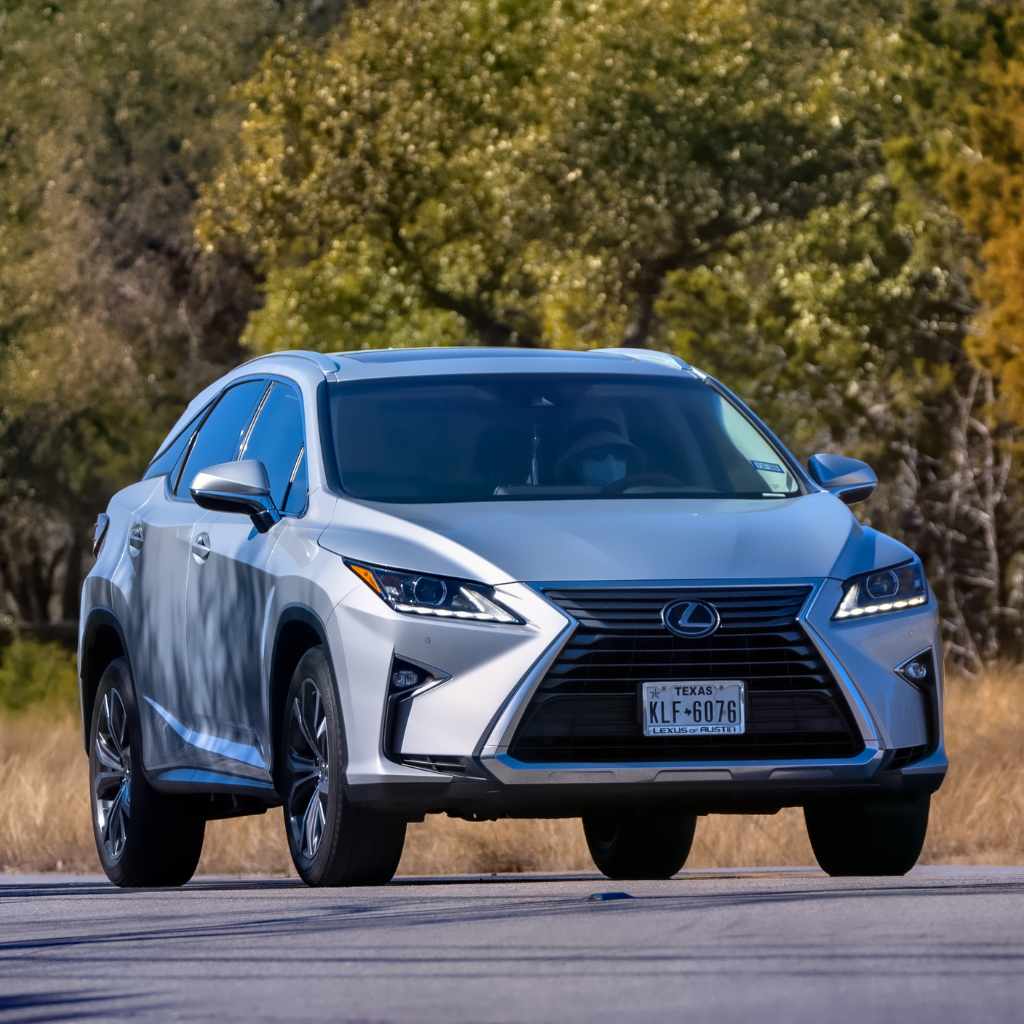
These vehicles are designed to commute and road-trip with equal aplomb. The ride quality is exceptionally smooth because they often have adaptive suspensions that adjust suspension damping in milliseconds. The larger screens are beautifully integrated, and the materials aren’t just leather; they might be semi-aniline leather, which smells and feels richer. They are engineered to feel expensive and comfortable, not just look flashy.
Why Choose a Premium Crossover Over a Standard SUV?
So, after learning what they are, why spend that extra money? For many drivers, the decision comes down to long-term satisfaction and daily enjoyment.
Pros of Choosing Premium:
- Enhanced Driving Experience: Quieter cabins and smoother handling make daily driving less stressful.
- Better Resale Value (Often): While they depreciate faster initially, dedicated luxury brands often hold their value relatively well over a 5-year period compared to some mainstream rivals when comparing similarly equipped vehicles.
- Superior Customer Service: Dealership experiences at premium brands are usually tailored to be more luxurious, offering amenities while you wait for service.
- Higher Safety Standards: They often integrate the most advanced safety tech available across the entire model line, not just on the highest trims.
Things to Consider (Cons):
- Higher Initial Cost: The barrier to entry is significantly higher.
- More Expensive Maintenance: Parts and specialized labor often cost more when repairs are eventually needed.
- Higher Insurance Premiums: Due to the higher initial vehicle cost and more expensive replacement parts, insurance can be pricier.
Making the choice is about weighing those daily comforts against the long-term costs. If your budget allows, the daily enjoyment of a premium crossover is hard to beat.
Frequently Asked Questions (FAQs) for Beginners
Q1: Is a base model BMW X3 considered a premium crossover?
Yes. Even the entry-level configuration of a model sold under a dedicated luxury badge, like the BMW X3, is classified as a premium crossover because it benefits from the brand’s engineering, safety standards, and build quality, regardless of options.
Q2: Are Tesla Model Y and Ford Mustang Mach-E premium crossovers?
Generally, yes. While they are electric, their pricing, technology integration, focus on performance, and luxury-level standard features place both the Tesla Model Y and the Ford Mustang Mach-E squarely in the premium/luxury electric crossover segment.
Q3: Can a Kia Telluride be considered premium?
The Kia Telluride, especially in its top trims (like the SX Prestige), is incredibly well-appointed and offers near-luxury features, often being called a “near-luxury” or “value-luxury” option. However, since Kia still operates as a mainstream brand, it is technically categorized as a high-trim mainstream SUV, not a dedicated premium crossover.
Q4: Do premium crossovers require special or more expensive gasoline?
Many premium crossovers, especially those with turbocharged or high-output engines (like many BMWs and Audis), recommend or require premium-grade gasoline (91 octane or higher). Always check your owner’s manual to avoid vehicle damage.
Q5: What is the main difference between a luxury SUV and a luxury crossover?
The difference is the underlying platform. A crossover is built on a car platform (unibody), giving it better on-road manners. A traditional SUV (like a Chevrolet Tahoe or Lexus GX) is usually built on a truck frame (body-on-frame), which often enhances towing capacity and off-road ruggedness but results in a less refined highway ride.
Conclusion: Confidently Identifying Your Premium Ride
Hopefully, the line between a standard SUV and a true premium crossover is much clearer now. Remember, the premium segment isn’t just about a higher price tag; it is about engineering that delivers superior quietness, materials that delight the senses, and technology that truly makes driving easier and safer.
When you are shopping, look for dedicated luxury branding, focus on the quality of the interior touchpoints—the feel of the steering wheel, the quietness of the doors, and the smoothness of the ride—and you will easily spot what cars are considered premium crossovers. Whether you choose an entry-level compact or a spacious three-row hauler, knowing these distinctions empowers you to make a smart, confident purchase that fits your desire for refinement on the road.