Black Car Red Calipers: The Complete Guide to Color, Cost, and Maintenance
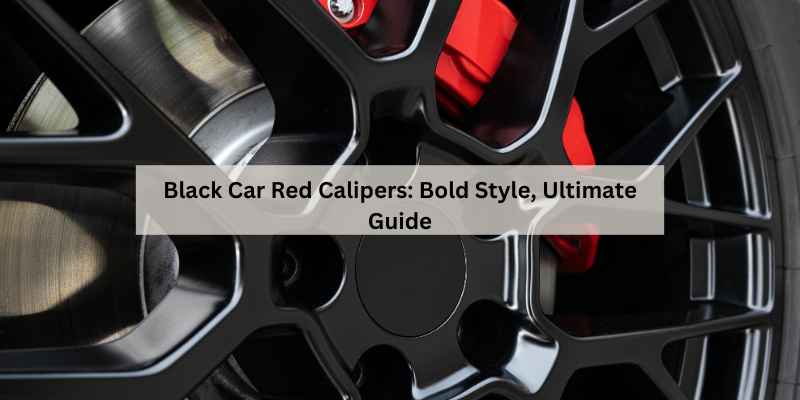
You’ve seen it a hundred times. A black car rolls by, and behind the spokes, those red calipers catch the light. It’s a small detail, but it changes the whole personality of the car. It whispers performance even when the car is parked. Most owners want that look. What they don’t always want is the maintenance headache that comes with it, or the awkward conversation with a buyer who thinks the red paint is hiding rust.
This guide sorts out the reality of black car red calipers. You’ll learn which red shades work best on gloss versus matte black, how brake dust actually affects the finish, and what each method truly costs. You’ll also get a straight answer on resale value, because that’s the part most articles skip.

MGP Caliper Covers
MGP Brake Caliper Covers for 2019-26 Chevy…
- VEHICLE COMPATIBILITY: 2019-2026 Chevy Silverado 1500, 2019-2026 Chevy Tahoe, 2019-2026 Chevy Suburban. All models require 18" whe…
- HIGH-TEMPERATURE DURABILITY: Constructed from aerospace-grade 6061-T6 aluminum and finished with a durable powder coat that withst…
- APPLICATION-SPECIFIC DESIGN: Each caliper cover is engineered for a specific make and model to ensure proper fitment, clearance wi…
If you’re driving a newer Chevy Silverado, Tahoe, or Suburban with 18-inch or larger wheels, the MGP Brake Caliper Covers offer a practical shortcut. They snap on with stainless steel clips, no paint or permanent changes, and give you that uniform red finish in an afternoon.
Why Red Calipers Are the Default Choice for Black Cars
Red works on black because of contrast. Black absorbs light and hides detail. Red reflects light and draws the eye. When you pair them, the red becomes the focal point of the wheel well. It’s the same reason photographers use a red umbrella in a black-and-white photo.
There’s also a learned association. For decades, manufacturers reserved red calipers for their performance trims. BMW’s M division, Audi’s S and RS lines, and many Ferraris and Porsches shipped with red or yellow calipers as a badge of capability. So when people see red behind the spokes, they assume the car has more power, even if it’s a base model with a four-cylinder. That psychological shortcut is powerful, and it’s free.
The color also reads well from a distance. Silver or gray calipers disappear behind most wheels. Red does not. It gives the car a purposeful stance without requiring a body kit or a loud exhaust.
The Visual Impact: Gloss Black vs. Matte Black Finishes
The paint on your car changes how red calipers look. It’s not a minor detail.
Contrast Levels and Wheel Pairing
On gloss black paint, a bright red caliper creates a sharp, clean contrast. The reflections in the paint mirror the red, making the color look almost electric. This works best with silver, gray, or machined-face wheels. The metal tones bridge the gap between the dark body and the bright caliper.
Matte black is different. It absorbs more light, so the red caliper sits in a darker frame. Bright red still pops, but it can look slightly muted or flat if the shade leans toward crimson. On matte paint, a lighter red like Racing Red or a vivid orange-red holds its intensity better. Darker reds can get lost.
Wheel color matters just as much. Gloss black wheels on a black car with red calipers can look like a black hole with tiny red dots. You need some contrast in the wheel itself, either from a machined lip or a lighter spoke finish, to let the caliper breathe. Gunmetal rims are a solid middle ground; they match the dark theme but still reflect enough light to frame the red.
Red Calipers vs. Other Colors: A Direct Comparison
Red isn’t the only option, and it’s not always the best one. Here’s how it stacks up against the common alternatives.
Yellow (High-Visibility) vs. Red (Classic Sport)
Yellow is louder. It has the highest visibility of any caliper color, which is why it’s often paired with carbon ceramic brakes on high-end exotics. On a black car, yellow creates a bumblebee effect that screams track day. It’s a statement, but it’s also harder to pull off. If your car isn’t actually fast, yellow calipers can look like a costume. Red is more forgiving. It says sporty without shouting about it. Red also ages better visually; yellow can start to look dingy with brake dust buildup because the dust is dark and the paint is light.
Black Calipers (Stealth) vs. Red (Pop)
Black calipers on a black car is the stealth approach. The wheel well looks like one continuous dark shape, which some owners prefer for a clean, OEM-plus look. It hides brake dust better than any other color, and it never clashes with anything. But it also hides the caliper itself. If you spent money on upgraded brakes, nobody will know. Red gives you the payoff. It shows off the hardware. The trade-off is maintenance, which we’ll get to in a minute.
Other colors have their place. Blue calipers look great with white or silver cars but can look cold against black. Gold calipers are a Subaru staple, but they read as a specific brand identity. White calipers look sharp for about a week, then they turn gray from dust. Red is the safest color that still makes a statement.
The Practical Side: Brake Dust, Cleaning, and Durability
Here’s the honest part. Red calipers show brake dust faster than almost any other color. The dust is dark gray or brown, and it stands out against bright red paint. You will notice it within a few days of normal driving, especially on the front calipers, which handle most of the braking force.
Cleaning them isn’t hard, but it requires the right approach. Use a dedicated wheel cleaner that’s safe for brake components, not just soapy water. A soft brush with stiff bristles works well. Avoid acidic cleaners; they can etch the clear coat or powder coating over time. If you drive a lot of highway miles, the dust is lighter. City driving with stop-and-go traffic will coat them quickly.
Durability depends on the method you choose. Factory paint on OEM performance calipers is baked on and lasts years. Aftermarket powder coating is the most durable option, resisting chips and fading well. High-temp spray paint from a rattle can is the least durable; it holds up for a year or two, but it will fade and crack if you track the car or do repeated hard stops. Brake temperatures can hit 500 degrees Fahrenheit during aggressive driving, which is why cheap paint fails.
One detail most people miss: the heat shield behind the rotor. If you’re painting calipers, that shield is often rusted or dull. Painting it black or silver makes the red caliper stand out even more. It’s a small step that makes a big difference.
Cost Analysis: Paint vs. Powder Coat vs. Covers
Your budget decides which route makes sense. Here’s a realistic breakdown, including DIY versus professional labor.
| Method | DIY Cost | Professional Cost | Durability | Install Time | Reversibility |
|---|---|---|---|---|---|
| High-Temp Spray Paint | $30 – $60 (paint, primer, clear coat) | $300 – $500 (labor + materials) | 1-2 years, fades with heat | 3-4 hours (plus drying) | No, requires stripping |
| Powder Coating | $150 – $250 (if you have a kit) | $400 – $800 (remove, coat, reinstall) | 5+ years, chip-resistant | 1-2 days (shop turnaround) | No, requires blasting |
| Bolt-On Caliper Covers | $200 – $400 (parts only) | $200 – $400 (parts, DIY install) | 4-6 years, UV resistant | 1-2 hours (DIY) | Yes, fully removable |
| Factory OEM Option | N/A (not retrofittable) | $1,500+ (upgrade to performance trim) | 10+ years | N/A | No |
The spray paint route is cheap but labor-intensive. You have to remove the calipers, clean them thoroughly, mask off the pistons, and apply multiple thin coats. If you miss a spot or get the temperature wrong, it looks worse than leaving them alone. Powder coating is the gold standard for a reason, but it’s expensive and requires the caliper to be disassembled. Covers are the only option that doesn’t permanently alter the car. They clip over the factory caliper, which means you can remove them before selling or if you just get tired of the color.
Resale Value and the ‘Factory Option’ Look
Does red calipers on a black car help or hurt resale? The honest answer is: it depends on the buyer.
For an enthusiast, red calipers are a plus. They signal that the owner cared about appearance and possibly performance. For a mainstream buyer, red calipers can be a red flag. They might assume the car was driven hard, or they might simply not like the color. The key is authenticity. A factory-installed red caliper option, like on a BMW M or an Audi S, adds value because it’s part of the car’s spec sheet. An aftermarket paint job can add value only if it looks factory-quality. A sloppy rattle-can job will reduce the car’s value, because the buyer will question what else was done cheaply.
If you’re planning to sell in the next few years, consider the covers or a professional powder coat. Both look clean and don’t raise questions about hidden damage. If you’re keeping the car forever, do whatever makes you happy. The resale market is a secondary concern when you’re enjoying the look every day.
How to Choose the Right Shade of Red
Not all reds are equal. The shade you pick changes the whole effect.
- Racing Red (bright, slightly orange): Best for gloss black paint. It pops hardest and reads well at a distance. This is the classic Ferrari and Porsche shade.
- Bright Red (pure, neutral): The safest choice. Works on gloss and matte black. It’s the default OEM color for many performance trims.
- Crimson (deep, dark): Looks classy on matte black but can disappear on gloss black. It’s a subtle choice that requires good lighting to appreciate.
- Metallic Red: Adds sparkle but can look purple in low light. Use it only if you have silver or machined wheels to reflect the metallic flake.
Match the shade to your car’s finish, not to your personal favorite. A dark red on a black car in a parking garage will look brown. A bright red on a glossy black car in direct sunlight will look almost neon. Test a small patch first, or look at photos of similar cars online before committing.
Step-by-Step: Prepping and Painting Your Calipers
If you choose the DIY paint route, follow this order. Skipping steps leads to peeling paint.
- Jack up the car and remove the wheels. Support it on jack stands, never just the jack.
- Remove the calipers from the bracket. You don’t have to disconnect the brake lines; just hang the caliper with a wire hook so it doesn’t stress the hose.
- Clean the caliper with a degreaser and a wire brush. Remove all brake dust, oil, and rust. This is the most important step.
- Mask off the brake pads, rotor surface, and any rubber dust boots. Use high-temp masking tape.
- Apply two coats of high-temp primer. Wait 15 minutes between coats.
- Apply three thin coats of red high-temp paint. Wait 10-15 minutes between coats. Thin coats prevent runs and drips.
- Apply two coats of high-temp clear coat. This adds gloss and protects the color from UV fade.
- Let everything cure for 24 hours before reinstalling the calipers. Reinstall the wheels and torque the lug nuts to spec.
One caveat: this takes a full day. The paint needs time to harden, and rushing it means the first hard brake will chip the finish. If you can’t leave the car on stands overnight, use a professional service or the covers.
Frequently Asked Questions
Will red calipers fit on any black car?
Yes, any car with disc brakes. The color choice is purely aesthetic. The fitment issue is about the size of the caliper itself, not the color. If you’re adding covers, they must match your specific make and model to clear the wheel spokes.
How often do I need to clean red calipers?
Every two to three weeks with normal driving. Front calipers collect dust faster than rears. If you use ceramic brake pads, the dust is lighter in color and less sticky, so you can extend the interval to a month.
Do caliper covers affect braking performance?
Quality covers are designed to fit over the existing caliper without touching the rotor or pads. They don’t change the braking force. They can trap heat if the design is poor, but reputable brands like MGP use aluminum with powder coating that dissipates heat effectively. They are not a performance upgrade, just a visual one.
Can I paint my calipers without removing them?
You can, but it’s not recommended. Overspray will land on the rotor and pads, which ruins braking performance. Masking everything is a nightmare. Removing the caliper takes 20 minutes and gives you a much cleaner result.
What color calipers look best on a black car?
Red is the most popular, but yellow and gold also work well. If you want a stealth look, black or dark gray. If you want a luxury feel, silver or chrome. Red is the best balance of visibility and tastefulness for most owners.
Final Verdict: Is Red the Best Color for Your Black Car?
For most people, yes. Red calipers on a black car offer the strongest contrast without crossing into gaudy territory. They’re the default for a reason: they work with almost any wheel design, they signal performance without shouting, and they’re a relatively low-cost way to change the car’s character.
Just go in with your eyes open about the maintenance. Red shows dust, so you’ll be cleaning more often. And if resale matters to you, choose a method that looks factory-clean, not a quick spray job.
Here’s what to remember:
- Red pops most on gloss black paint; choose a brighter shade for matte black.
- Bright Red is the safest shade; Crimson can look brown in low light.
- Brake dust is your enemy. Plan to clean calipers every 2-3 weeks.
- Powder coating is the most durable; spray paint is the cheapest but fades.
- Bolt-on covers are the only reversible option and take under 2 hours to install.
- Factory-quality work holds resale value; rattle-can jobs can hurt it.
- Pair red calipers with silver or machined wheels for the best visual balance.
If you want to keep the black-on-black theme going, check out this guide on gunmetal rims on black car for wheel ideas that frame the red calipers perfectly. And if you’re dealing with paint swirls on that black finish, a good car polish for black cars will keep the bodywork as sharp as the brakes.
Products related to this article
Sponsored / affiliate links. As an Amazon Associate I earn from qualifying purchases. I may earn additional commission from eligible campaigns.