What Cars Have DCT Transmission? Complete List Inside
Cars with DCT transmissions blend manual-like speed with automatic ease. Many manufacturers now offer this technology in a wide range of vehicles, from sports cars to everyday sedans. This list details which car brands and specific models are equipped with a DCT gearbox.
Understanding the Dual-Clutch Transmission (DCT)
A DCT is a type of automatic transmission. But it works quite differently from a traditional automatic with a torque converter. Think of it like having two manual gearboxes working together.
One clutch handles the odd gears (1, 3, 5). The other clutch handles the even gears (2, 4, 6). It also handles reverse.
When you’re driving, one gear is engaged. The transmission pre-selects the next gear on the other clutch. For example, if you’re in 3rd gear, the transmission might already have 4th gear ready to go.
When it’s time to shift, one clutch disengages very quickly. At the same time, the other clutch engages the pre-selected gear. This makes the shift happen incredibly fast.
It feels very smooth.
This system is designed to improve both performance and fuel economy. The super-fast shifts mean less power is lost during gear changes. This is great for acceleration.
The clever design also means it can be more efficient than some other automatic types. Many people love the sporty feel it gives. It really connects the driver to the car.
My DCT Discovery on a Test Drive
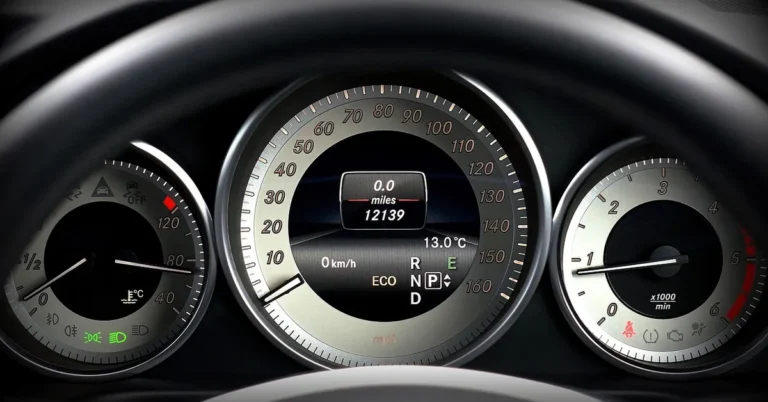
I remember test-driving a sporty compact sedan a few years back. It had a really low mileage and looked sharp. The salesperson was raving about its “performance automatic.” I was used to my old car’s clunky automatic.
So, I was a little skeptical. As soon as I pulled out of the lot, it felt different. The car just seemed to leap forward.
Each gear change was so quick. It wasn’t the gentle nudge I expected. It was a sharp, precise movement.
I felt a real connection to the road.
I pushed it a little on a clear stretch of highway. The shifts were happening almost before I could even feel them. It was exhilarating.
I found myself smiling. This DCT technology was something else. It made driving feel more engaging.
It was like having a race car’s gearbox in a car I could actually afford. That experience really opened my eyes to what modern transmissions could do. It showed me how much innovation was happening.
How DCTs Work: A Closer Look
Let’s break down the DCT system a bit more. It’s not magic, though it can feel like it! The core of a DCT is its two separate clutch packs.
Each clutch pack controls a different set of gears. This allows for nearly instantaneous gear changes. The transmission control unit (TCU) is the brain.
It tells the clutches exactly when to engage and disengage. It also manages which gear is pre-selected.
There are two main types of DCTs: wet and dry. Wet DCTs use oil to cool the clutches. This is great for high-performance cars.
It helps the clutches last longer and handle more power. But it can make the transmission a bit heavier and less fuel-efficient due to drag. Dry DCTs use clutches that don’t run in oil.
They are lighter and more fuel-efficient. They are often found in smaller, less powerful cars. However, they might not handle as much stress as wet clutches.
The system also uses a sophisticated mechatronic unit. This unit combines electronic and mechanical parts. It controls hydraulic pressure.
This pressure is what operates the clutches and shifts the gears. The speed and precision of this unit are key to the DCT’s performance. It’s a marvel of engineering.
DCT vs. Other Transmissions
Traditional Automatic: Uses a torque converter. Shifts can feel softer but slower. Good for comfort and everyday driving.
Continuously Variable Transmission (CVT): Has no fixed gears. Offers infinite ratios. Can feel smooth but sometimes droning.
Great for fuel economy.
Manual Transmission: Driver controls clutch and gear shifts. Offers maximum control. Requires skill and can be tiring in traffic.
DCT: Two clutches for fast, seamless shifts. Offers performance and efficiency. Can sometimes be less smooth at very low speeds.
Why Manufacturers Choose DCTs
Car makers adopt DCT technology for several compelling reasons. The primary driver is performance. DCTs can shift gears in milliseconds.
This is much faster than a human can shift a manual or even most traditional automatics. This speed translates directly into quicker acceleration times. For sports cars and performance-oriented vehicles, this is a huge selling point.
It makes the car feel more dynamic and exciting to drive.
Fuel efficiency is another major benefit. By minimizing the power loss during shifts, DCTs help engines operate within their most efficient range more often. This can lead to better gas mileage compared to older automatic transmissions.
As emissions regulations become stricter, this efficiency gain is very important for manufacturers. They need to meet targets.
Consumer demand also plays a role. Many drivers now expect a certain level of refinement and responsiveness. They want a transmission that feels modern and engaging.
DCTs often deliver on this expectation. They offer a driving experience that many find superior. It’s a good balance of power and efficiency.
It makes cars more appealing overall.
Which Cars Have DCT Transmission? The Big Picture
Over the years, DCT technology has moved from high-end sports cars to more mainstream vehicles. Many major car brands now use DCTs in some of their models. It’s a sign of how mature and reliable the technology has become.
You’ll find them in everything from small hatchbacks to powerful SUVs.
The list of manufacturers using DCTs is quite long. It includes companies like Volkswagen Group (VW, Audi, Porsche), Ford, Hyundai, Kia, BMW, Mercedes-Benz, and more. Each brand often has its own name for its DCT.
For example, VW calls theirs DSG (Direct-Shift Gearbox). Ford uses the name PowerShift. Hyundai and Kia use their own versions.
It’s important to note that even within a brand, not all models will have a DCT. Some models might offer it as an option. Others might use a different type of transmission altogether.
The specific engine and trim level often determine the transmission type. Always check the vehicle’s specifications.
Common DCT Acronyms You’ll See
- DSG (Direct-Shift Gearbox): Volkswagen Group (Volkswagen, Audi, SEAT, Skoda, Porsche)
- PDK (Porsche Doppelkupplung): Porsche
- PowerShift: Ford
- 7-Speed DCT / 8-Speed DCT: Hyundai, Kia
- M-DCT (M Double Clutch Transmission): BMW M models
- AMG SPEEDSHIFT DCT: Mercedes-AMG models
- EDC (Efficient Dual Clutch): Renault
Detailed Manufacturer Breakdowns
Let’s dive into specific manufacturers and the types of cars where you’re likely to find a DCT. This isn’t an exhaustive list of every single car. But it will give you a very good idea.
Volkswagen Group (VW, Audi, SEAT, Skoda, Porsche)
Volkswagen Group was one of the early adopters of DCT technology. Their DSG gearbox is very well-known. You’ll find it in many of their popular models.
VW uses it in cars like the Golf GTI, Golf R, Jetta GLI, and Arteon. Audi offers it in models like the A3, A4 (with certain engines), A5, TT, and performance models like the S3 and RS3.
SEAT and Skoda also use DSG extensively. Think of the SEAT Leon Cupra or the Skoda Octavia RS. Porsche’s PDK is a highly regarded DCT.
It’s found in models like the 911, 718 Cayman, 718 Boxster, and Panamera. It’s known for its incredibly fast shifts and durability. Porsche has refined this technology significantly.
Ford
Ford has used its PowerShift transmission in a number of vehicles. You could find it in models like the Focus ST, Fiesta ST, and some versions of the Fusion. Ford’s implementation of DCTs has varied in performance and reliability perceptions over the years.
It’s always wise to check specific model year reviews for the PowerShift. Some earlier versions faced some criticism.
Hyundai and Kia
Hyundai and Kia have embraced DCT technology in recent years. They offer 7-speed and 8-speed DCTs in many of their performance-oriented models. Look for them in the Hyundai Elantra N, Sonata N Line, Veloster N.
Kia offers them in the Forte GT, K5 GT, and Stinger GT-Line. These transmissions provide a good blend of sportiness and everyday usability.
BMW
BMW uses its M-DCT transmission in many of its high-performance M models. This includes cars like the M2, M3, M4, M5, and M8. These are designed for maximum performance.
They offer rapid shifts and can handle the immense power of BMW’s M engines. In some non-M models, BMW may use traditional automatics or other gearbox types. The M-DCT is a true performance gearbox.
Mercedes-Benz
Mercedes-Benz, particularly its performance AMG division, utilizes DCTs in many of its sports cars and performance sedans. Their AMG SPEEDSHIFT DCT transmissions are found in models like the AMG A45, CLA45, C63, E63, and GT models. These are built for extreme performance.
They deliver lightning-fast shifts and robust handling.
Other Manufacturers and Notable Models
Other brands also incorporate DCTs. For instance, Alfa Romeo uses them in models like the Giulia and Stelvio (with the Q4 all-wheel-drive system). Ferrari has long used DCTs in its supercars, often calling them F1 transmissions, like in the 488 GTB or the Roma.
Lamborghini also employs DCTs in models like the Huracán. McLaren is another supercar maker heavily reliant on DCTs for their performance cars. Even some mainstream manufacturers like Honda have experimented with DCTs, though they are more commonly known for their CVT and traditional automatics in recent years.
Quick Scan: Top Brands Using DCTs
| Manufacturer | Common DCT Name(s) | Example Models |
|---|---|---|
| Volkswagen Group | DSG, PDK | VW Golf GTI, Audi S3, Porsche 911 |
| Hyundai/Kia | 7-DCT, 8-DCT | Hyundai Elantra N, Kia K5 GT |
| BMW | M-DCT | BMW M3, M4 |
| Mercedes-Benz | AMG SPEEDSHIFT DCT | Mercedes-AMG C63, GT S |
| Ford | PowerShift | Ford Focus ST (some years) |
Real-World Context: When Does a DCT Shine?
So, where do you actually feel the benefits of a DCT the most? It’s often in situations where rapid acceleration and quick gear changes are key. Think of spirited driving on winding roads.
When you’re accelerating out of a corner, the DCT shifts gears almost instantly. This keeps the engine in its power band. It makes the car feel much more responsive and agile.
On the highway, when you need to overtake a slower vehicle, the DCT can downshift extremely fast. This gives you the power you need right away. It makes the overtaking maneuver feel safer and more confident.
For drivers who enjoy an engaging experience, this responsiveness is a big plus.
Even in everyday driving, the DCT can offer benefits. While some DCTs can feel a bit hesitant or jerky at very low speeds or in stop-and-go traffic, many modern ones have been greatly improved. They can offer a smoother experience than older manual transmissions or some less refined automatics.
The pre-selection of gears means that when you do need to accelerate, it’s readily available.
What This Means for You: Choosing a Car
If you’re in the market for a new or used car, understanding DCTs is important. Do you prioritize rapid acceleration and a sporty feel? A car with a DCT might be exactly what you’re looking for.
Many performance-oriented models from various brands now come standard with DCTs. They are often the preferred choice for enthusiasts.
However, consider your typical driving. If you spend most of your time in heavy, slow-moving traffic, a DCT might not be the smoothest experience. Some drivers find the low-speed behavior of certain DCTs less refined than a traditional automatic with a torque converter.
Newer models are much better, but it’s something to test drive.
Also, remember that DCTs can sometimes be more expensive to repair if something goes wrong. Because they are complex, specialized knowledge is needed. This can translate to higher labor costs.
For older used cars, check the maintenance history. Ensure it has been properly cared for.
Normal vs. Concerning DCT Behavior
Normal:
- Very fast, almost imperceptible upshifts under acceleration.
- Quick downshifts when you brake or accelerate.
- Slight hesitation or jolt when shifting from Park to Drive/Reverse.
- A small lurch or engagement feel when starting from a stop.
Potentially Concerning:
- Constant shuddering or juddering during shifts.
- Loud clunking noises during gear changes.
- Transmission failing to shift or getting stuck in one gear.
- Warning lights on the dashboard related to the transmission.
Quick Tips for DCT Owners or Shoppers
If you’re considering a car with a DCT, or already own one, here are a few pointers. First, always read your owner’s manual. It will detail specific operating procedures and maintenance schedules.
For example, some DCTs may have specific break-in periods.
Pay attention to maintenance. Regular fluid changes are critical for the longevity of any transmission, and DCTs are no exception. Using the correct type and quality of transmission fluid is vital.
This ensures the clutches operate as designed.
When test driving a car with a DCT, pay attention to its behavior. Listen for any unusual noises. Feel for any excessive jerking or hesitation, especially at low speeds.
If something feels off, it’s best to get it checked by a qualified mechanic. Don’t be afraid to ask questions.
Maintenance & Care Checklist
- Fluid Changes: Follow manufacturer recommendations for interval and fluid type.
- Cooling System: Ensure the transmission’s cooling system is functioning properly.
- Driving Style: Avoid excessive “rocking” the car back and forth to free it from snow or mud, as this can stress the clutches.
- Listen & Feel: Be aware of any new noises or changes in shifting behavior.
Frequently Asked Questions about DCT Transmissions
What is the main advantage of a DCT transmission?
The main advantage is its extremely fast and smooth gear shifts. This improves acceleration and makes the driving experience feel more responsive and sporty.
Are DCT transmissions reliable?
Modern DCTs are generally reliable, especially those from reputable manufacturers like VW Group and Porsche. However, like any complex system, they require proper maintenance. Older or poorly maintained DCTs can sometimes have issues.
Can a DCT transmission be driven like a manual?
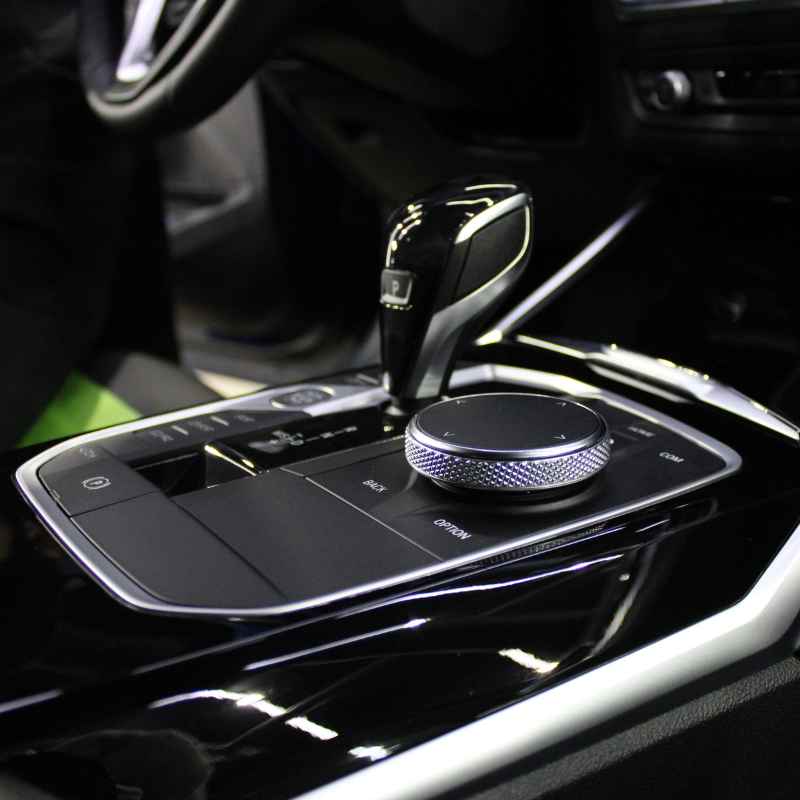
Many DCTs offer a manual mode, often operated via paddle shifters on the steering wheel or by shifting the gear lever. This allows you to select gears manually, similar to a manual transmission, but without operating a clutch pedal.
Is a DCT better than a traditional automatic?
It depends on your priorities. DCTs offer superior shift speed and a more direct, sporty feel, often with better fuel efficiency. Traditional automatics may offer smoother low-speed operation and can sometimes be simpler and less expensive to repair.
How much does it cost to repair a DCT transmission?
Repairs can be costly because DCTs are complex. The cost varies widely based on the specific issue, the make and model of the car, and labor rates. Clutch replacements are a common, significant expense.
Do all performance cars use DCTs?
No, not all performance cars use DCTs. While many do, some manufacturers prefer other types of transmissions, like advanced torque converter automatics or even sophisticated dual-clutch manual transmissions, depending on their engineering philosophy and the specific vehicle’s goals.
Conclusion: The Exciting World of DCT Cars
Dual-Clutch Transmissions have revolutionized how cars shift gears. They offer an exciting blend of speed, efficiency, and driver engagement. From hot hatches to exotic supercars, many vehicles now benefit from this advanced technology.
Understanding which cars offer DCTs can help you find the perfect drive for your needs.
Products related to this article
Sponsored / affiliate links. As an Amazon Associate I earn from qualifying purchases. I may earn additional commission from eligible campaigns.